Hear from Our Customers
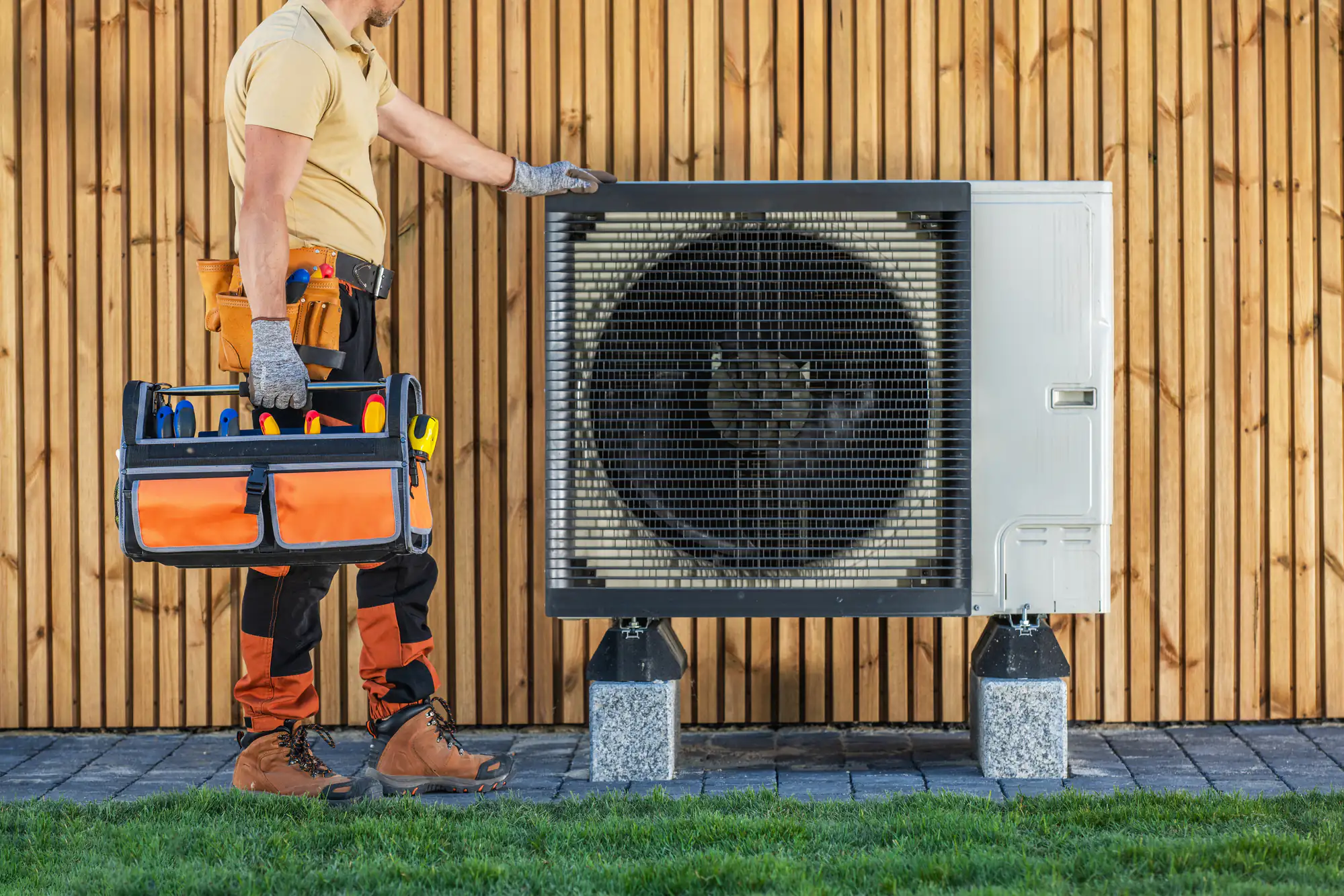
You’re not sweating through July because your air conditioning decided to quit on the hottest day of the year. You’re not bundling up inside your own home during the first freeze because your furnace won’t fire up. Your energy bills aren’t climbing every month because your 15-year-old system is working twice as hard to do half the job.
When your heating system maintenance is handled right, you know about small problems before they become expensive emergencies. When your HVAC replacement is sized correctly for Long Island’s coastal climate—not just your square footage—your system runs efficiently instead of constantly cycling on and off.
Here’s what actually matters: you call once, someone picks up. A real person who lives on Long Island, not a call center three states away. Your technician shows up when they say they will, diagnoses the real problem instead of the profitable one, and fixes about 70% of emergency calls the same day. No waiting a week for parts. No runaround about what’s covered.
That’s the difference between having HVAC service and having a system you can count on.
Chill Xpert Solutions has spent over 40 years handling commercial refrigeration and marine HVAC systems—the kind of work where there’s no room for guesswork. Walk-in coolers at busy restaurants. Climate control on luxury yachts. Airport refrigeration systems that can’t go down.
That background matters when you’re dealing with your home’s heating and air conditioning. We’re not a residential-only company that’s never seen a complex install. We’re specialists who know how systems actually work, what fails first, and how Long Island’s salt air and humidity affect equipment differently than inland climates.
Old Field homeowners deal with unique challenges. Coastal conditions are tough on HVAC equipment. Older homes weren’t built with modern systems in mind. And when your furnace installation or air conditioning repair needs doing, you want someone who understands both the technical side and the local building requirements.
We’re licensed, insured, and we’ve been serving Nassau County long enough to know what works here and what doesn’t.
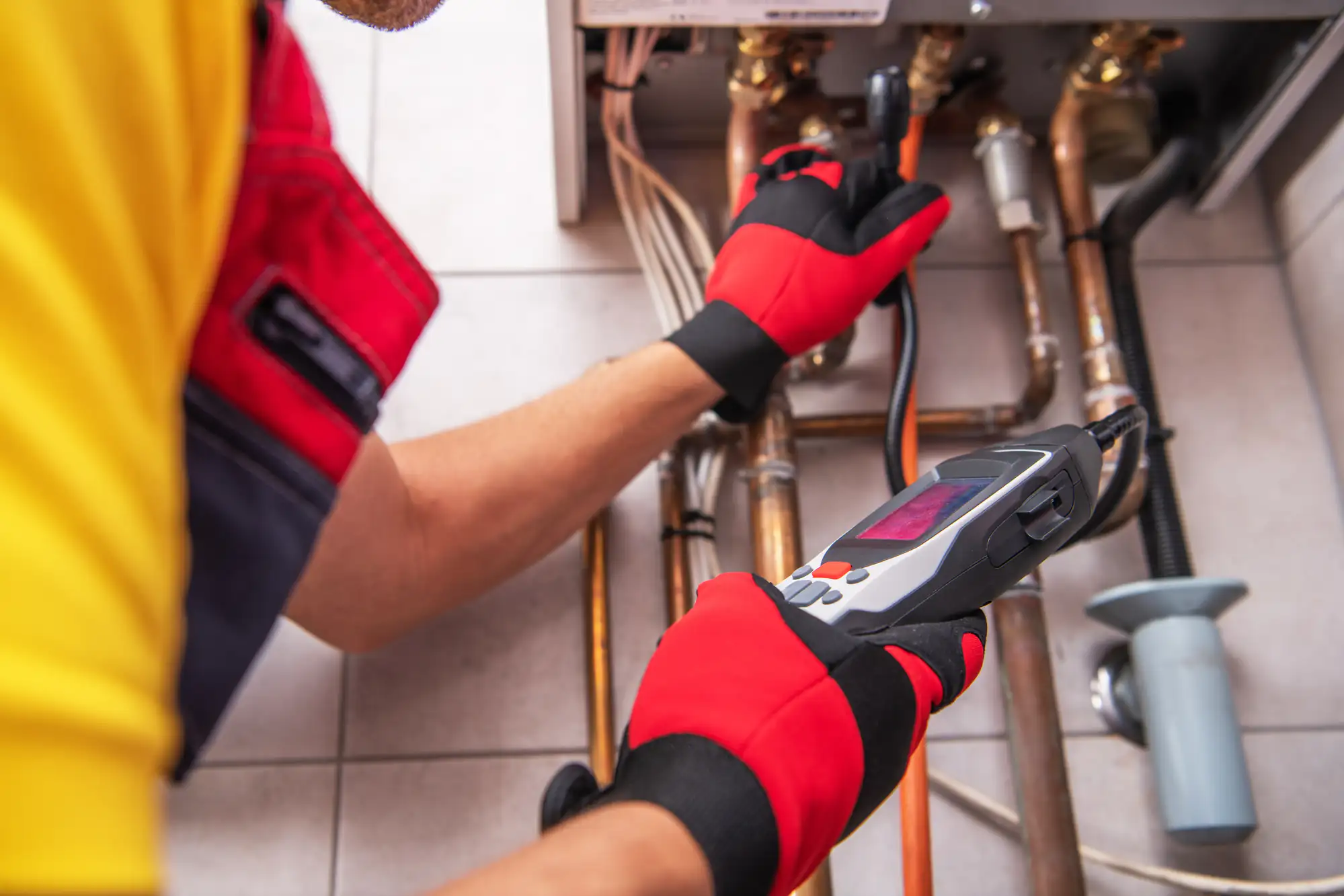
First, you talk to someone who can actually help you—not a script-reader scheduling appointments three days out. If it’s an emergency, we dispatch immediately and arrive in under two hours. If it’s planned service, we give you a specific window and show up in it.
Your technician assesses what’s actually wrong. Not what a square footage chart says you need, but how you use your space, what your current system is doing, and what’s causing the problem. If it’s a repair, we tell you up front whether we can fix it same-day or if parts need ordering. If it’s an HVAC replacement decision, we walk through whether repair makes sense or if you’re throwing money at a system that’s done.
For installations—whether it’s furnace installation, central air, or a complete system—we size equipment based on your home’s real needs. Coastal humidity levels, insulation quality, window efficiency, how many zones you actually need. Then we handle permits, installation, and testing to make sure everything works before we leave.
Indoor air quality concerns get the same approach. We test, identify the actual issue, then recommend solutions that address your specific problem—not a one-size-fits-all filter upgrade.
You get a clear estimate before work starts. No surprise charges. No upselling equipment you don’t need.
Ready to get started?
Your heating system maintenance isn’t just a filter change and a thumbs-up. It’s a full inspection of components that fail most often—heat exchangers, ignition systems, blower motors, thermostat calibration. We catch the problems that cause 2 a.m. no-heat emergencies in January.
Air conditioning repair in Long Island’s climate means understanding what salt air does to condenser coils, how humidity affects performance, and why your system might be freezing up in July. We stock common parts for same-day fixes and can source specialty components faster than most because of our commercial relationships.
HVAC replacement decisions get complicated fast. You’re looking at $4,000 to $12,000 depending on system type, size, and installation complexity. We break down what you’re actually paying for, how long different options last in coastal conditions, and what energy savings look like with your utility rates—some of the highest in the country here on Long Island.
Furnace installation has to account for your home’s existing ductwork, ventilation requirements, and local codes. We handle oil, gas, and electric systems, plus the newer heat pump technology that’s outselling traditional furnaces nationally.
Indoor air quality solutions range from humidity control—critical in Long Island’s muggy summers—to filtration systems that actually remove allergens, not just catch large particles. We test first, recommend second.
And when something breaks at midnight on a holiday weekend, our 24/7 emergency service means you’re not waiting until Monday to get heat back.
You’re looking at $4,000 to $12,000 for most residential HVAC replacements, but that range is wide because homes and systems vary significantly. A basic furnace swap in a ranch with existing ductwork sits at the lower end. A full two-zone system with new air handler, condenser, and ductwork modifications in a larger colonial hits the higher end.
What drives cost up: system size, efficiency rating (higher SEER ratings cost more upfront but save on energy bills), whether ductwork needs modification, how many zones you’re running, and installation complexity. Old Field homes often have unique layouts or older infrastructure that affects installation time.
Here’s what matters for your specific situation: Long Island’s energy costs are among the highest in the country, so the efficiency difference between a 14 SEER and 18 SEER system pays back faster here than in other markets. We walk through actual energy savings based on your current bills, not theoretical numbers. And we size systems based on your home’s real needs—not just square footage—because an oversized system cycles constantly and an undersized one runs nonstop. Both waste money.
Real heating system maintenance checks everything that’s likely to fail, not just the easy-to-reach parts. Heat exchanger inspection for cracks or corrosion. Ignition system testing. Blower motor and belt condition. Thermostat calibration. Gas pressure and burner flame pattern for gas furnaces. Electrical connections. Condensate drain clearing. Filter replacement and airflow measurement.
You need this done annually, ideally in fall before you’re running heat daily. Here’s why that timing matters: small problems we catch in October get fixed for a few hundred dollars. The same problems discovered at 11 p.m. on the coldest night in January become emergency calls with premium rates and a cold house while we source parts.
Long Island’s climate is particularly tough on HVAC equipment. Summer heat makes compressors work harder, winter cold affects seals and moving parts, and constant humidity changes stress the entire system. Regular maintenance can reduce your energy costs by up to 20% and catches about 80% of problems before they cause breakdowns. Most of our emergency calls come from systems that haven’t been serviced in years—and those repairs typically cost three to four times what annual maintenance runs.
We dispatch immediately for genuine emergencies and arrive in under two hours across our Long Island service area, including Old Field and Nassau County. When we say 24/7 emergency service, we mean a real person answers the phone at 2 a.m. on Sunday—not a voicemail promising a callback Monday morning.
Here’s what qualifies as an emergency: no cooling during a heat wave, no heat when temperatures drop below freezing, refrigerant leaks, electrical issues, or complete system failure. We prioritize based on safety and severity. A system that’s running but not cooling efficiently gets scheduled for next-day service. A complete failure in extreme weather gets immediate dispatch.
About 70% of our emergency calls get fixed the same day because we stock common parts and our technicians have seen most failure patterns before. The other 30% usually need specialty components we source through commercial suppliers—typically arriving next-day, not next-week like residential-only companies wait for. Our background in commercial refrigeration and marine systems means we have relationships and access most residential HVAC companies don’t. That’s the difference between sleeping in a hotel and sleeping in your own bed.
If your system is over 15 years old and the repair costs more than half of replacement, you’re usually better off replacing. But that’s the simple answer. The real decision depends on a few specific factors.
Age and efficiency: systems older than 10-15 years run at significantly lower efficiency than current models. Your 20-year-old AC might have a 10 SEER rating. New systems start at 14 SEER and go up to 20+. With Long Island’s utility rates, that efficiency difference adds up fast—sometimes $50-100 monthly in summer. Multiply that over the system’s lifespan and replacement pays for itself.
Repair frequency: if you’re calling for repairs multiple times per year, you’re spending maintenance money on a system that’s dying anyway. One major repair might make sense. Three or four service calls annually means you’re delaying the inevitable while paying for it.
Refrigerant type: older systems use R-22 refrigerant, which is being phased out and getting expensive. If your AC needs a refrigerant recharge and uses R-22, that’s a sign replacement makes more financial sense than repair.
We assess your actual situation—current system condition, repair cost, expected remaining lifespan, and energy savings from replacement—then give you honest numbers for both options. Sometimes repair makes sense. Often it doesn’t. But you decide based on real information, not a sales pitch.
Yes—we handle oil furnaces, gas furnaces, electric heating systems, central air conditioning, ductless mini-splits, and heat pumps. That range matters because Old Field homes vary significantly. Some older properties still run oil heat. Newer construction typically uses gas or electric. And more homeowners are switching to heat pump technology, which outsold traditional furnaces nationally last year.
Our background in commercial refrigeration and marine HVAC means we’ve worked on complex systems most residential-only companies never see. Walk-in coolers, yacht climate control, industrial refrigeration—equipment where the stakes are higher and the systems are more sophisticated. That experience translates directly to residential work. We understand refrigerant behavior, airflow dynamics, and electrical systems at a level beyond basic furnace swaps.
For Old Field specifically, we see a lot of coastal climate challenges. Salt air corrodes components faster. Humidity affects performance differently than inland areas. Older homes have ductwork that wasn’t designed for modern systems. We’ve handled all of it—from straightforward furnace installation in newer construction to complex retrofits in historic properties where nothing is standard.
Whether you’re running a 40-year-old oil furnace that needs replacement or a newer system that’s not performing right, we’ve seen the problem before and know how to fix it correctly the first time.
Start by identifying what’s actually causing the problem, because solutions vary. Excess humidity, insufficient ventilation, allergens, and airborne particles all affect indoor air quality differently—and need different fixes.
Long Island homes deal with high humidity in summer, which promotes mold growth and makes air feel stuffy even when temperature is comfortable. Dehumidification systems integrated with your HVAC solve this. Standalone units help, but whole-home solutions work better and run more efficiently.
Allergens and particles need filtration. Standard 1-inch furnace filters catch large debris but miss most allergens. HEPA filtration systems or higher-MERV rated filters capture smaller particles—pollen, pet dander, dust mites, mold spores. But higher filtration also restricts airflow, so your system needs to be able to handle it without straining.
Ventilation matters more than most people realize. Newer homes are built tight for energy efficiency, which is great for heating and cooling costs but terrible for air exchange. Stale air accumulates. Energy recovery ventilators (ERVs) bring in fresh outdoor air while recovering the energy from outgoing air, so you’re not wasting conditioned air.
We test your indoor air quality first—humidity levels, particle counts, CO2 levels—then recommend specific solutions for your actual problems. Sometimes it’s a better filter. Sometimes it’s humidity control. Sometimes it’s ventilation. But we don’t sell you equipment until we know what’s wrong.