Hear from Our Customers
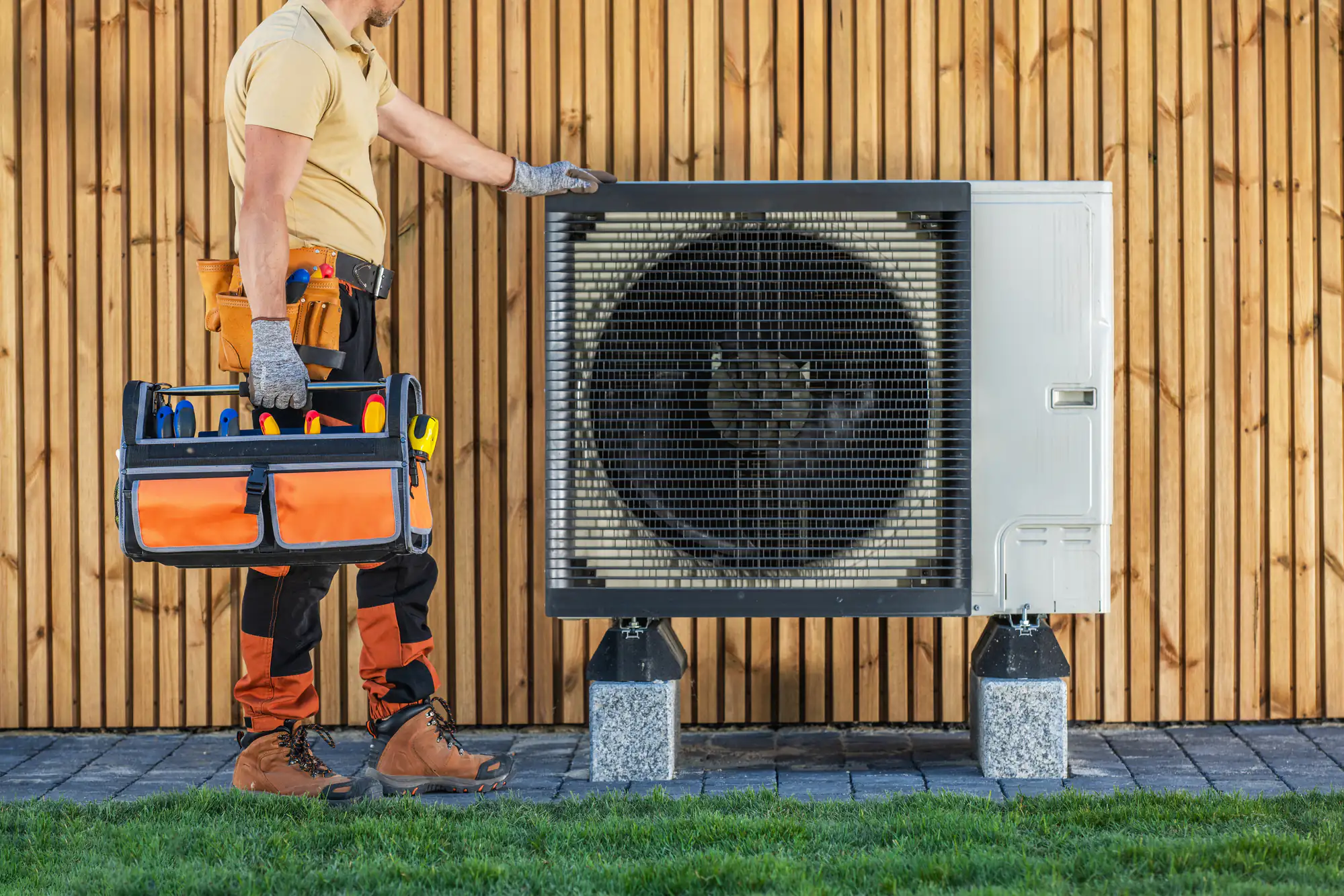
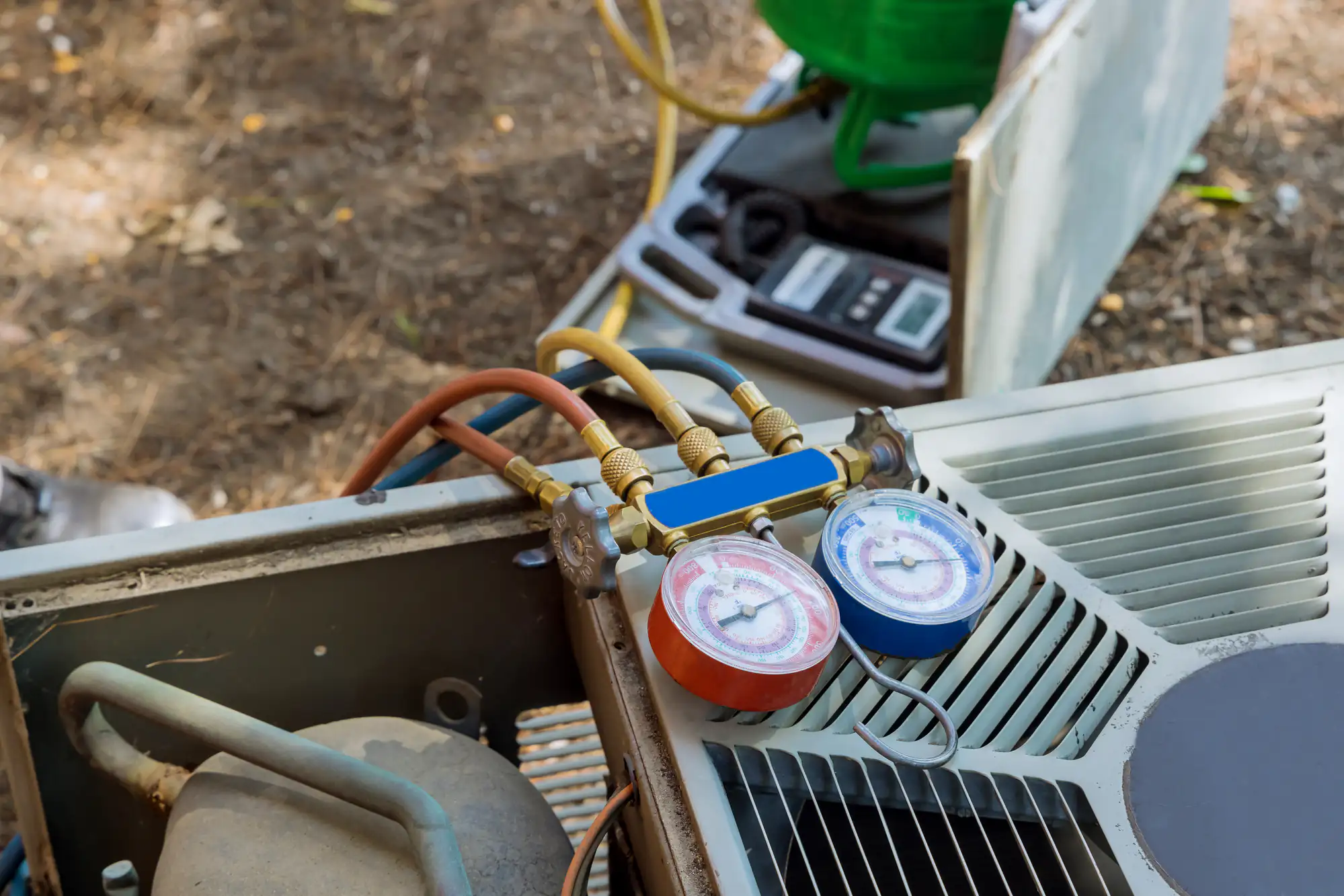
Salt air eats through outdoor condensers faster than you’d think. Corroded coils, rusted fasteners, electrical contacts that fail without warning. Most HVAC companies see the damage after it happens. We prevent it.
Your air conditioning repair shouldn’t be a surprise expense every summer. When we install or service your system, we’re accounting for what the coastal environment does to equipment over time. Corrosion-resistant coatings. Marine-grade components where they matter. Sizing that handles humidity loads without running your system into the ground.
You get a system that cools properly in July and doesn’t leave you waiting on parts that take three days to reach the island. Equipment lasts longer. Repairs happen less often. And when something does go wrong, we’re available 24/7 because we know ferry schedules don’t care about your comfort.
We’ve been at this for over 40 years, working with marine HVAC and commercial refrigeration. That means airports, restaurants, walk-in coolers, and boat systems where failure isn’t an option. We’re not new to coastal conditions or what salt does to metal.
Shelter Island properties need someone who understands that your seasonal home sits empty for months, that humidity breeds mold in basements, that a breakdown in January means you’re dealing with frozen pipes before anyone can get here. We plan installations around those realities.
Dozens of five-star reviews. Free estimates. Actual humans answering the phone at 2 a.m. when your furnace quits. That’s how we’ve built our reputation across Long Island, and it’s how we’ll earn yours.
You call or contact us. We schedule a free estimate at a time that works around your schedule, not ours. If you’re off-island, we can often handle initial consultations remotely and coordinate timing around ferry schedules.
We come to your property and actually look at what you’re dealing with. Not just the equipment, but the environment. How close to the water? What’s the humidity situation? Is this a year-round home or seasonal? Do you need remote monitoring so you know if the heat fails in February? We’re asking questions that matter because the answers change what we recommend.
You get a transparent quote. No surprises, no upselling equipment you don’t need. If your existing system can be repaired cost-effectively, we’ll tell you. If it’s time for HVAC replacement, we’ll explain why and what makes sense for your specific situation.
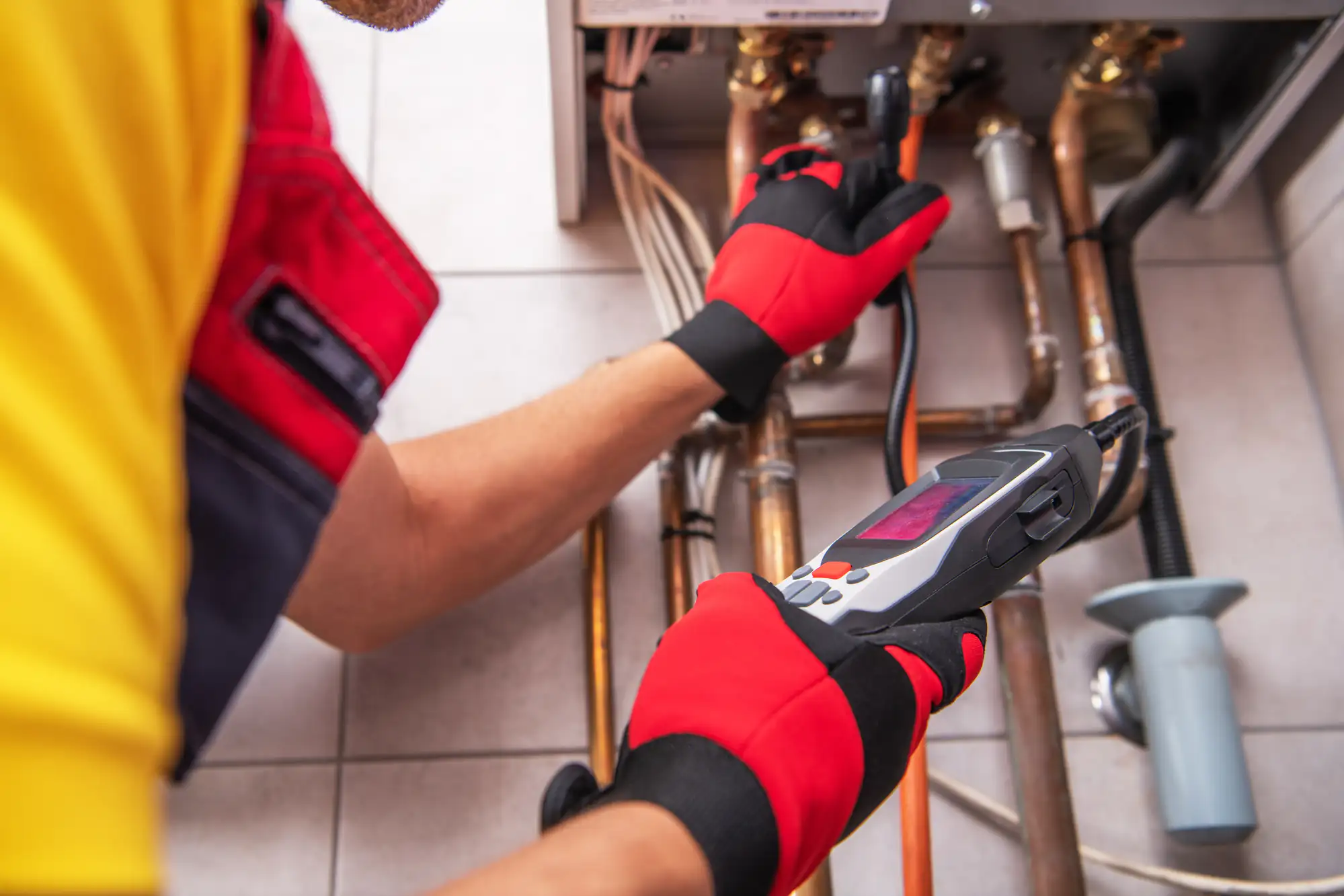
We handle the installation or repair with attention to island logistics. We’re not showing up unprepared and realizing we need another trip for parts. The work gets done right, we test everything, and you’re left with a system designed to handle what Shelter Island throws at it.
Ready to get started?
Complete residential HVAC services. Air conditioning repair and installation. Furnace installation and heating system maintenance. Heat pump systems that cut your heating costs by up to 75% compared to electric baseboard or oil. Ductless mini-splits for additions or spaces where ductwork doesn’t make sense.
Indoor air quality improvements because coastal humidity and airborne salt particles make your filters work harder. We’ll set you up with proper dehumidification, filtration that actually catches what’s in the air, and systems sized correctly so you’re not running a unit that’s too small and struggling or too large and short-cycling.
Smart thermostat installation with remote monitoring. If you’re seasonal, you need to know your heat’s still running when you’re not here. A freeze event doesn’t announce itself until pipes burst. Remote access means you catch problems before they become disasters.
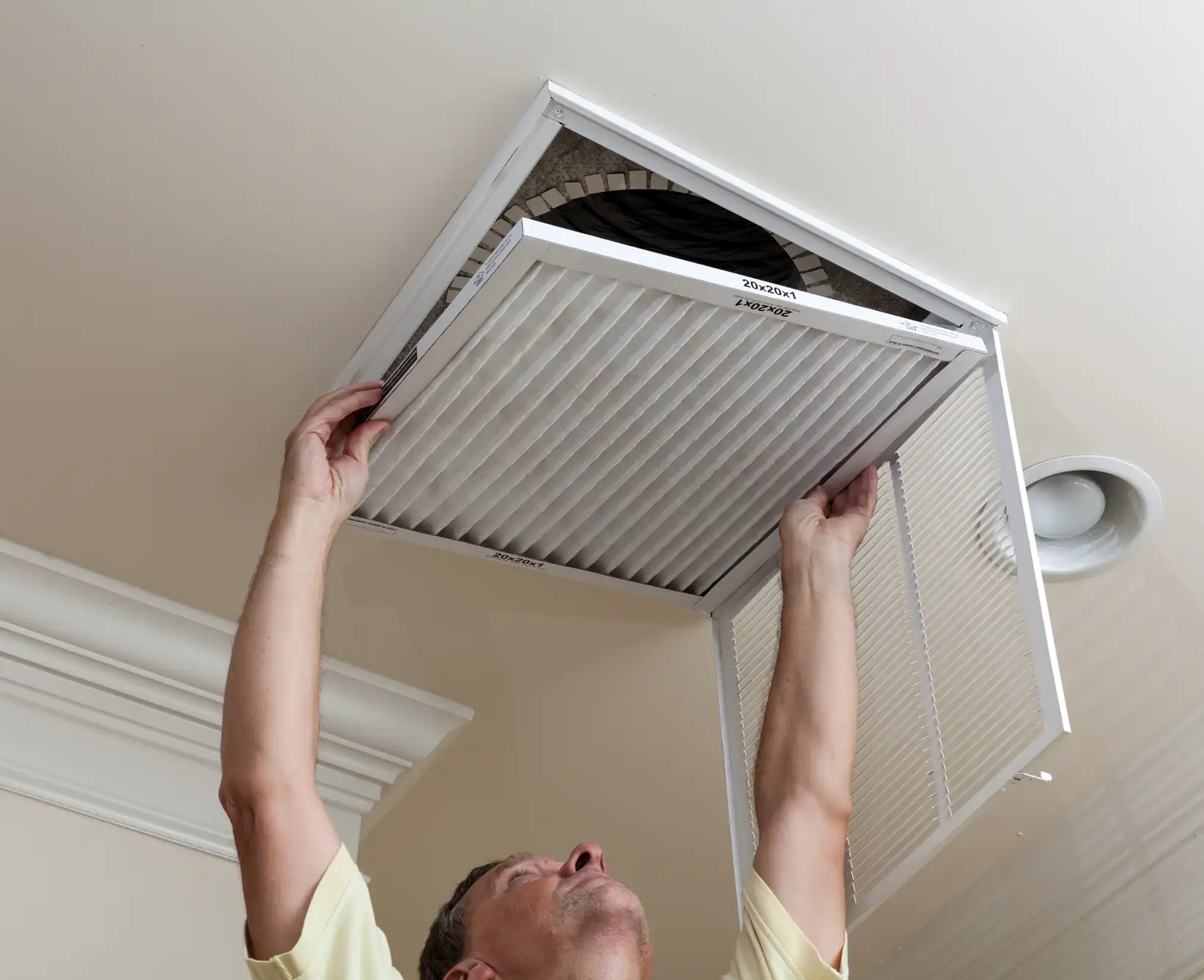
Preventive maintenance programs designed around coastal conditions. Your system needs more frequent attention than one 30 miles inland. Salt accelerates wear. Humidity loads stress components. Regular maintenance catches corrosion early, keeps efficiency up, and prevents the expensive failures that happen when small problems go unnoticed.
Emergency service available 24/7 because your system doesn’t fail on a schedule. We understand that limited same-day parts availability on the island means response time matters even more.
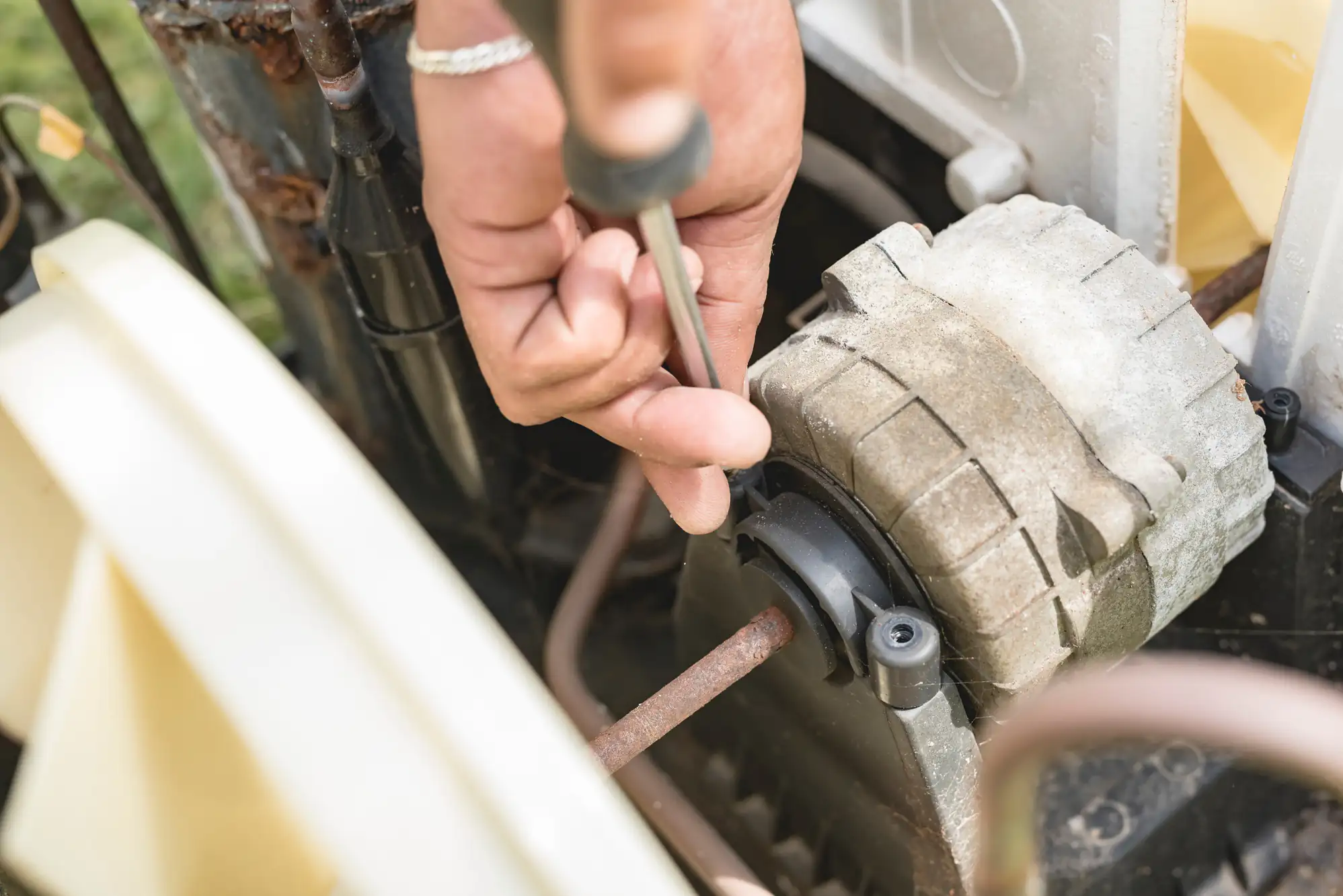
Salt spray accelerates corrosion on every metal surface of your outdoor condenser. Coils pit and leak. Fasteners rust through. Electrical connections corrode and create resistance that leads to component failure.
Most systems are built for generic conditions. They’ll last 15 years in Kansas. On Shelter Island, that same unit might give you 8 to 10 years before major repairs start stacking up. Unless it’s protected.
We specify equipment with corrosion-resistant coatings or apply protective treatments during installation. We use marine-grade fasteners and sealed electrical connections where it matters. The upfront cost is slightly higher. The long-term cost is dramatically lower because you’re not replacing corroded coils every few years or dealing with electrical failures that could’ve been prevented.
Don’t shut your heat off completely unless you’ve drained every pipe and fixture. The better approach is setting your thermostat to 50-55°F and installing a smart thermostat with remote monitoring and alerts.
That way you maintain enough warmth to prevent freeze damage, but you’re not heating an empty house to 68°F all winter. More importantly, you get notified immediately if the system fails or power goes out so you can respond before pipes freeze.
We also recommend a fall maintenance visit before you leave for the season. We’ll check that your heating system is reliable, replace filters, inspect for any developing issues, and make sure everything’s positioned to run unattended for months. Coastal humidity during shoulder seasons can create mold problems too, so proper ventilation and possibly a dehumidifier on a timer can prevent that musty smell and actual mold growth while you’re away.
Coastal humidity means your AC is fighting a constant moisture load that inland systems never see. If your system is undersized or wasn’t designed with dehumidification in mind, it’ll cool the air but leave it clammy. That sticky feeling means the humidity is still too high even though the temperature dropped.
Proper sizing matters more here than almost anywhere. An oversized AC cools the space too quickly and shuts off before it’s had time to pull moisture out of the air. An undersized one runs constantly and never catches up. You need equipment matched to the actual cooling and dehumidification load your home faces in July and August.
We also look at airflow, ductwork condition, and whether your system has adequate dehumidification capability built in. Sometimes adding a whole-home dehumidifier makes sense. Sometimes it’s about fixing duct leaks or airflow restrictions. The solution depends on what’s actually causing the problem in your specific home, not a one-size-fits-all approach.
We’re available 24/7 and we understand ferry schedules. Response time depends on when you call, current demand, and whether we need to bring specific parts with us. We keep common components in stock specifically because waiting on parts delivery to Shelter Island can add days to a repair.
When you call with an emergency, we’ll ask diagnostic questions over the phone to understand what we’re dealing with. That helps us arrive prepared with the right parts and tools. If it’s something we can walk you through temporarily to get heat or cooling restored while we schedule a proper repair, we’ll do that.
Peak summer and winter demand can affect scheduling, which is exactly why we recommend preventive maintenance. Most emergency calls we get are failures that would’ve been caught during a routine service visit. A $200 maintenance visit prevents a $2,000 emergency repair on a Saturday night in January. We’d rather keep your system running than profit from emergencies.
Probably, depending on your current heating fuel and costs. Modern heat pumps work efficiently even in cold weather and can reduce heating electricity use by up to 75% compared to electric baseboard or furnaces. If you’re heating with oil, the savings can be substantial.
Shelter Island’s winter temperatures rarely drop below 15°F, which is well within the operating range of current heat pump technology. You get both heating and cooling from one system, which simplifies maintenance and often reduces overall operating costs.
The upfront investment is higher than replacing a furnace with another furnace. But between energy savings, potential rebates and incentives, and the fact that you’re replacing two systems with one, the payback period is usually reasonable. We’ll run the actual numbers for your home based on your current energy costs and usage patterns so you can make an informed decision, not just guess at whether it makes financial sense.
Forty years of marine and commercial refrigeration experience. We’ve worked on systems where failure means thousands of dollars in lost product or stranded passengers. That background means we approach residential HVAC differently than someone who’s only ever worked on houses.
We understand what coastal conditions do to equipment because we’ve been solving those problems in harsher environments for decades. When we recommend corrosion-resistant components or specific maintenance intervals, it’s based on actual experience with what fails and why in salt air environments.
You’re also getting 24/7 availability, free estimates, and transparent communication from people who’ve earned dozens of five-star reviews by doing what we say we’ll do. We’re not the cheapest option on the island, and that’s intentional. You’re paying for experience that prevents problems, equipment that lasts longer in coastal conditions, and service that’s available when you actually need it. Cheaper contractors cost more in the long run when you’re replacing corroded components years earlier than necessary.