A failing door seal or broken closer can cost you more than you'd think. Here's what's actually happening inside your walk-in freezer — and what to do about it.
Share:
Summary:
Most walk-in freezer emergencies don’t announce themselves. They start quietly — a little frost near the door threshold, temperatures that are slightly off, an energy bill that crept up without explanation. By the time the problem is obvious, it’s already been costing you money for weeks.
The good news is that door, seal, and hardware failures are among the most fixable issues in commercial refrigeration. They’re also among the most misdiagnosed. Understanding what you’re actually dealing with — before you call anyone — puts you in a much better position to make the right call. Here’s what you need to know.
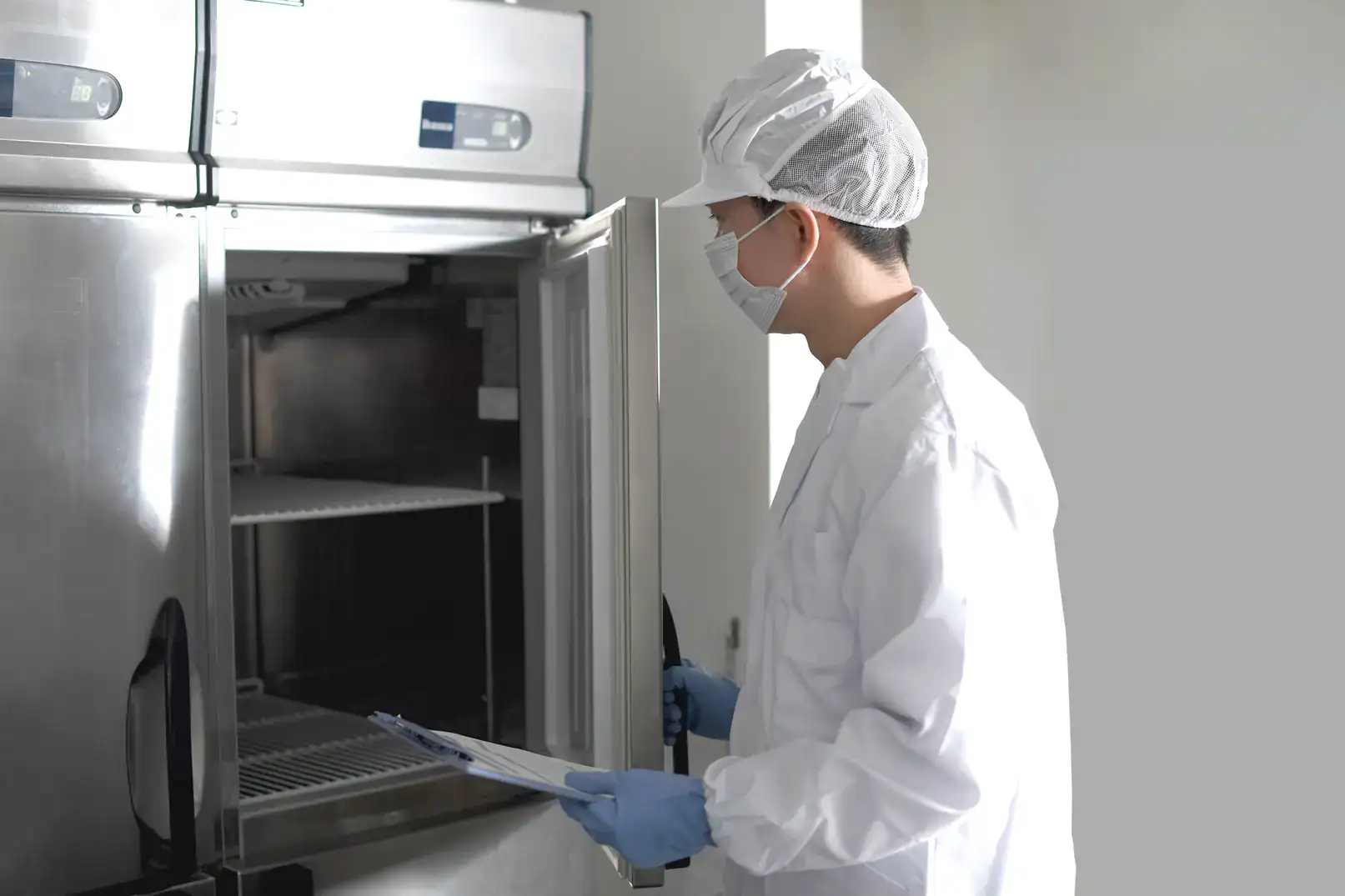
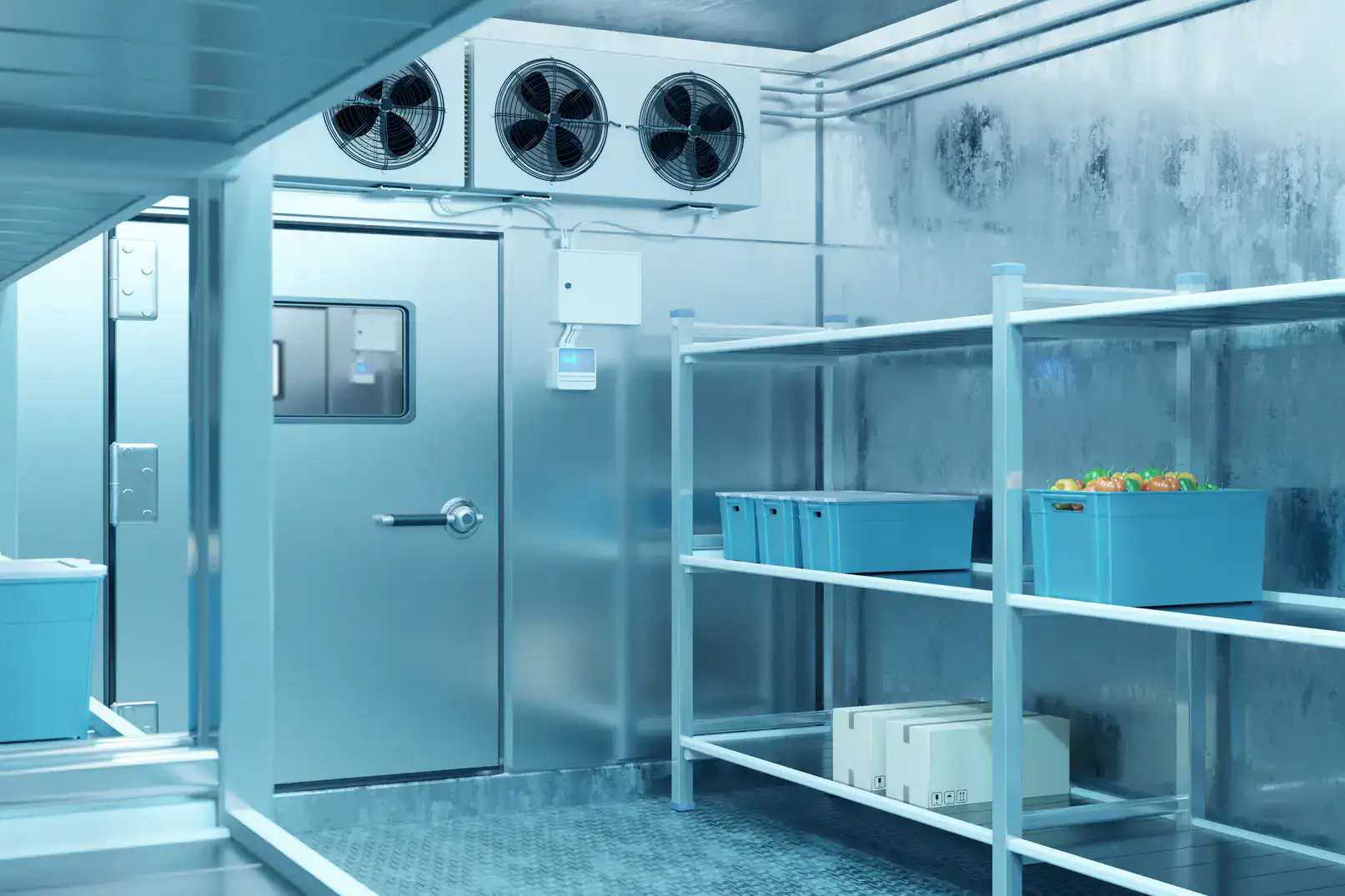
The door is the most-used component on any walk-in freezer. It gets opened and closed dozens of times a day, every day, in a demanding commercial environment. Over time, that constant use takes a toll on hinges, latches, door closers, gaskets, and the door frame itself — and when any one of those components starts to fail, the effects ripple outward fast.
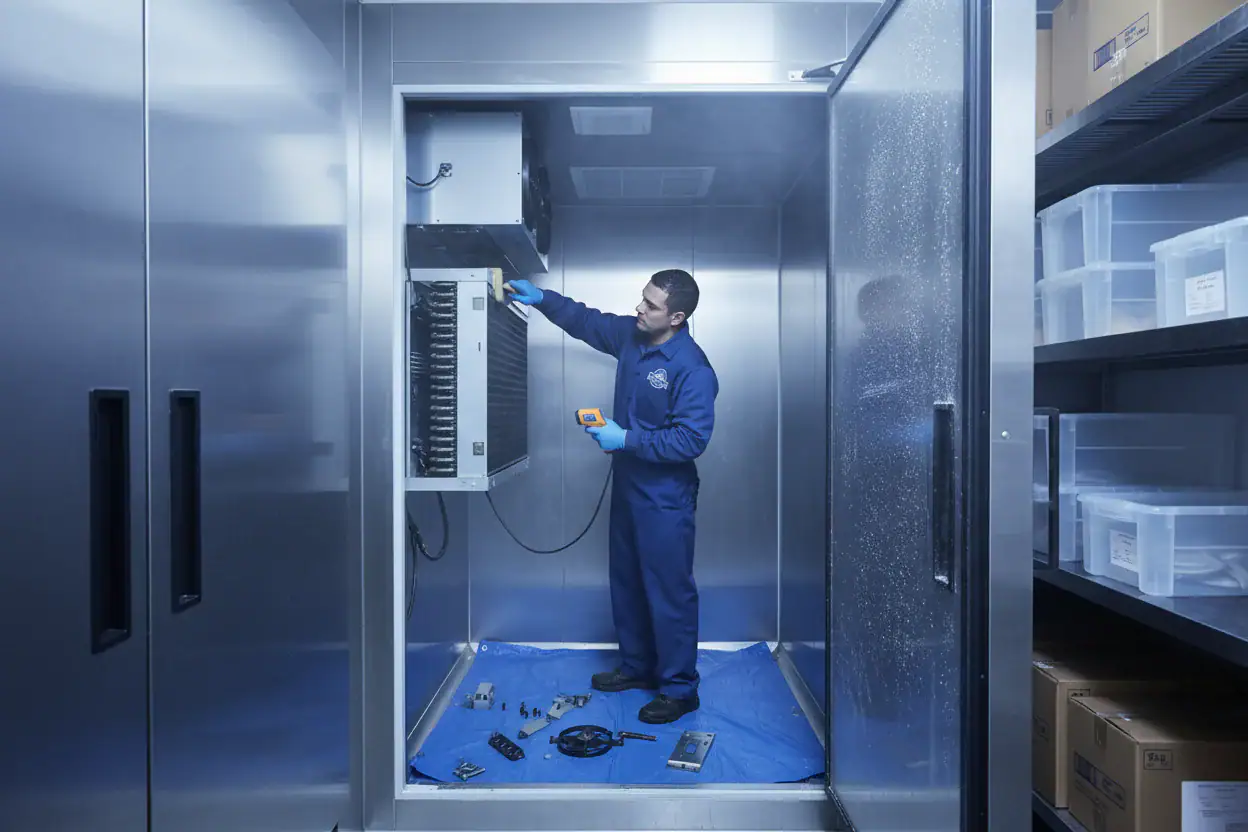
The most common door failures we see are hinge wear, latch misalignment, damaged panels, and failed door frame heater strips. On freezer units specifically, the heater strip that runs around the door frame is easy to overlook — it prevents ice from forming around the seal and literally sealing the door shut. When that strip fails in winter, you may find the door frozen in place on a cold Nassau County morning.
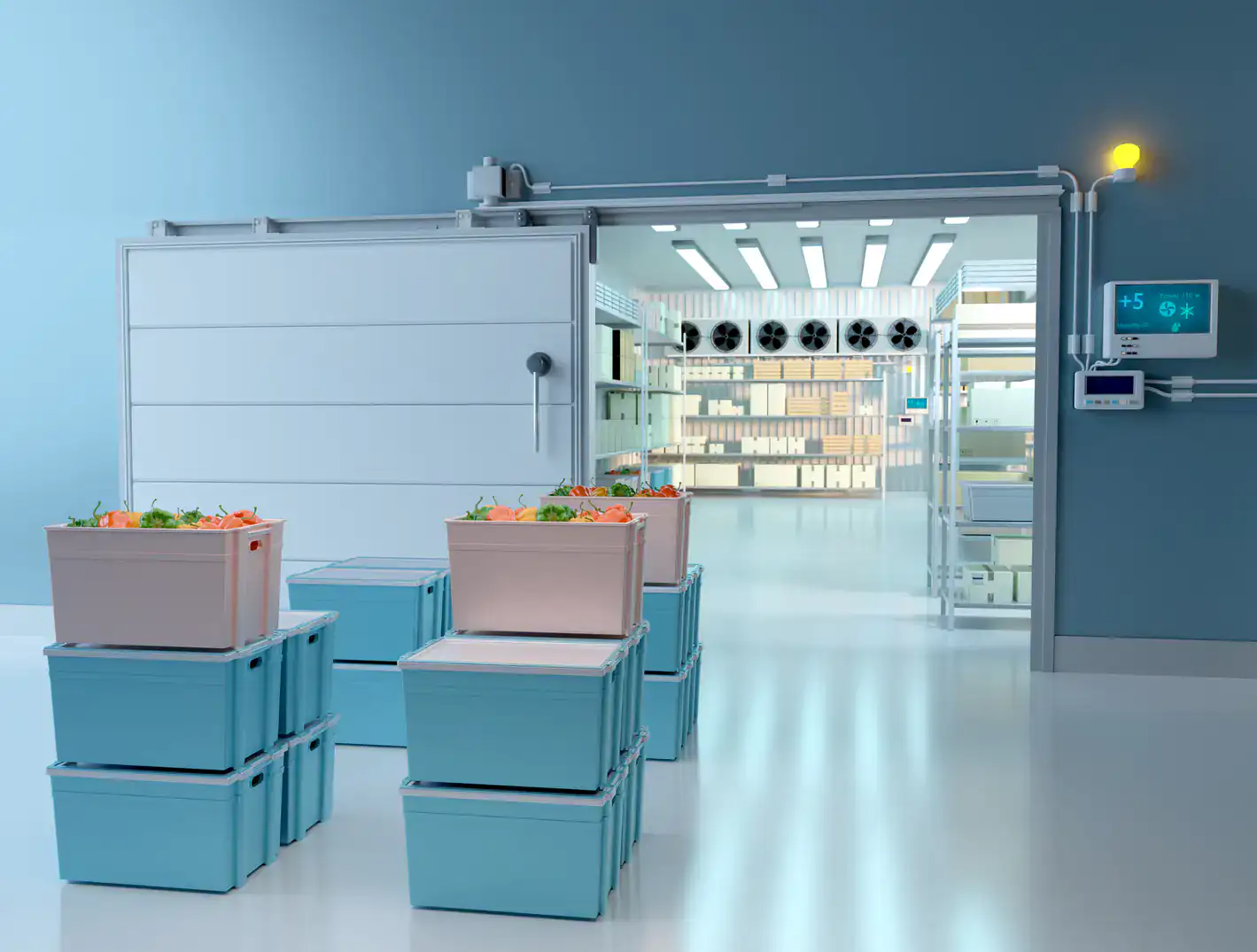
A door closer does one job: it makes sure the door fully shuts after every single opening. That sounds simple, but the consequences of a failed closer are anything but. If your walk-in freezer door drifts open even slightly — or doesn’t return to a full seal on its own — warm, humid air is infiltrating your unit continuously. Every hour that goes on, your compressor is fighting to compensate.
The symptoms of a failing door closer are usually obvious once you know what to look for. The door swings open too easily with no resistance, or it slams shut with too much force, or — most concerning — it just doesn’t close all the way on its own. You might also notice the door sitting slightly ajar after a busy service period when staff are moving in and out quickly.
Here in Nassau County, the humidity factor makes this worse than it sounds. On a July afternoon when the heat index is pushing 95°F, a door that isn’t sealing completely is pulling warm, moisture-laden air directly into your freezer box. That moisture hits the cold surfaces inside and freezes — on the evaporator coil, around the threshold, and along the door frame. Once ice starts building up on the evaporator coil, it acts as insulation, choking airflow and forcing the compressor to run longer and hotter to maintain temperature. That’s how a worn-out door closer eventually contributes to a compressor failure.
Door closer replacement is typically a straightforward repair when caught early. The closer itself is a mechanical component, and with the right part on hand, it’s usually a same-day fix. The key is not waiting. A door closer that’s “mostly working” is not working — and the longer it runs in a degraded state, the more wear it’s putting on the rest of your system.
Glass door units — display cases, reach-in merchandisers, glass-front prep coolers — have their own failure patterns. The most common issue isn’t a cracked pane, though that happens. It’s fogged or cloudy glass caused by a failed seal between the panes, which allows moisture to infiltrate the insulated glass unit. Once that seal goes, the fogging doesn’t clear. It’s a cosmetic problem that also signals a real insulation failure.
Other glass door failures include anti-sweat heater malfunctions (which cause condensation to form on the exterior of the door in humid conditions), broken hinges, and failed door gaskets that allow cold air to escape. In a high-traffic deli or grocery environment — and Nassau County has no shortage of those — these components take a beating.
The repair-versus-replace question on glass doors comes down to the cost of the specific component versus the cost of a full door replacement. A failed gasket or a broken hinge is almost always worth repairing. A failed insulated glass unit — the sealed glass assembly itself — is often more cost-effective to replace as a door rather than attempting to re-seal the glass in place. The right answer depends on the age of the unit, the brand, and the availability of parts.
One thing worth knowing: glass door failures on display cases are often misdiagnosed as refrigeration system problems. If your display case isn’t holding temperature and the compressor seems to be running fine, the door is the first place to look. A gap in the gasket or a failed anti-sweat heater can cause exactly the kind of temperature inconsistency that looks like a mechanical issue from the outside. Getting a proper diagnostic — not just a parts swap — is what separates a fix that lasts from one that doesn’t.
Want live answers?
Connect with a Chill Xpert Solutions expert for fast, friendly support.
If there’s one repair in commercial refrigeration that has the clearest return on investment, it’s a door gasket replacement. A compromised seal can increase your monthly energy costs by up to 30 percent — and that’s before accounting for the downstream damage it causes to the compressor and refrigeration system. The repair itself typically runs $200 to $600 depending on the door size and gasket type. The compressor failure it can cause if left unaddressed costs significantly more.
The tricky part is that a gasket can be failing before it looks visibly damaged. It might feel soft, have lost its compression, or have taken a permanent flat set from years of use — meaning it no longer springs back to form a tight seal when the door closes. That’s where the simple tests matter.
The dollar bill test is the most reliable field check you can do without any tools. Close the freezer door on a dollar bill so that it’s pinched between the gasket and the door frame. If you can pull the bill out with little or no resistance, the seal at that point is not doing its job. Work your way around the full perimeter of the door — a gasket can fail in one section while the rest still looks fine.
The light test is another option: turn off the lights in the walk-in and shine a flashlight from inside the unit while someone checks for light escaping around the door frame from the outside. Any visible light is a gap. Any gap is costing you money.
Frost buildup near the door threshold is a sign that warm, humid air has been infiltrating and freezing on contact with cold surfaces. This is often misread as a defrost system problem, but in most cases it traces back to the door seal. In Nassau County’s summers — where ambient humidity regularly runs high along the South Shore and North Shore alike — this problem is more pronounced than it would be in a drier inland climate. The moisture load coming through a compromised seal is simply higher here.
One thing that surprises people: a gasket can look intact and still be failing. Rubber hardens and loses elasticity over time. A gasket that passes a visual inspection can still fail the dollar bill test because it’s no longer compressible enough to form a true seal. Age, temperature cycling, and repeated exposure to moisture all accelerate this process — and Nassau County’s coastal environment accelerates it further.
If you’re seeing any of these signs, the right move is to get a professional assessment before the problem compounds. A technician who actually diagnoses the full system — not just the presenting symptom — will tell you whether you need a gasket, a door closer, a hinge adjustment, or something more. That distinction matters.
The repair-versus-replace question is the one we hear most from facility managers and restaurant operators in Nassau County, NY who are standing in front of a failing unit and trying to figure out their next move. Here’s how to think about it clearly.
For component-level failures — a gasket, a door closer, a hinge, a latch, a heater strip — repair almost always wins. These are discrete parts with well-established costs, and replacing them extends the functional life of the door and the unit without anywhere near the cost of a full replacement. The math is straightforward: a $200 to $600 gasket repair today versus a much larger repair bill down the road if the compressor is pushed to failure by a seal that was never addressed.
The calculus shifts when you’re looking at a door that has sustained structural damage — a bent frame, a cracked panel, compromised insulation — or when the unit itself is past the 15-year mark and has a history of recurring failures. At that point, the question becomes whether you’re repairing a component or propping up a unit that’s approaching the end of its useful life. A walk-in freezer typically lasts 10 to 20 years depending on maintenance history and operating conditions. A unit that’s been running hard in a high-humidity coastal environment without regular service tends to land toward the shorter end of that range.
The honest answer is that most door and hardware failures we diagnose in Nassau County restaurants, delis, and catering halls are repairable — and repairable the same day, because the parts are common enough to keep stocked. The cases where we recommend replacement are the ones where the repair cost approaches or exceeds half the cost of a new unit, or where the unit has a documented pattern of recurring failures that suggests a systemic issue rather than a single component problem. That’s a conversation worth having with a technician who will give you a straight answer rather than a sales pitch for a new box.
Nassau County’s food service operators face a specific pressure that makes this decision time-sensitive: the Nassau County Department of Health requires permitted food establishments to maintain proper temperature control as a condition of their operating permit. A walk-in freezer that can’t hold temperature due to a failing door isn’t just a business inconvenience — it’s a potential health code issue. With over 5,700 permitted food service establishments in the county, inspectors are active, and the stakes of a failed inspection are real. Getting the repair done promptly isn’t just good for your bottom line; it keeps you on the right side of your permit.
Door, seal, and hardware failures are the most common walk-in freezer issues we see — and they’re also the most fixable, especially when they’re caught before they cascade into something bigger. A failing gasket, a worn door closer, a hinge that’s pulling out of alignment: these are all solvable problems with clear, cost-effective repairs.
What makes the difference is an accurate diagnosis upfront. Not a parts swap based on the most obvious symptom, but a real assessment of what’s actually driving the failure and what it will take to fix it properly the first time.
If you’re dealing with a door, seal, or hardware issue on a commercial walk-in freezer in Nassau County, NY, we at Chill Xpert Solutions offer free estimates and respond in under two hours across the county. Call us, describe what you’re seeing, and we’ll give you a straight answer on what it is and what it costs to fix.
Article details:
Share:
Continue learning: