Quick action during refrigeration failures can save thousands in spoiled inventory. Learn what to do before calling for emergency repair.
Share:
Summary:
The first rule of refrigeration emergencies is simple: don’t panic, but do move fast. Your priority isn’t figuring out what’s wrong—it’s buying time for your inventory while you get professional help.
Start by checking your electrical connections and circuit breakers. Sometimes the fix is as simple as a tripped breaker or loose plug. If power isn’t the issue, avoid the temptation to start adjusting settings or opening panels you’re not familiar with.
Keep those doors closed. Every time someone opens the unit, you’re releasing precious cold air and accelerating the temperature rise. Post someone at the door if necessary—this isn’t the time for curiosity about how bad things are getting inside.
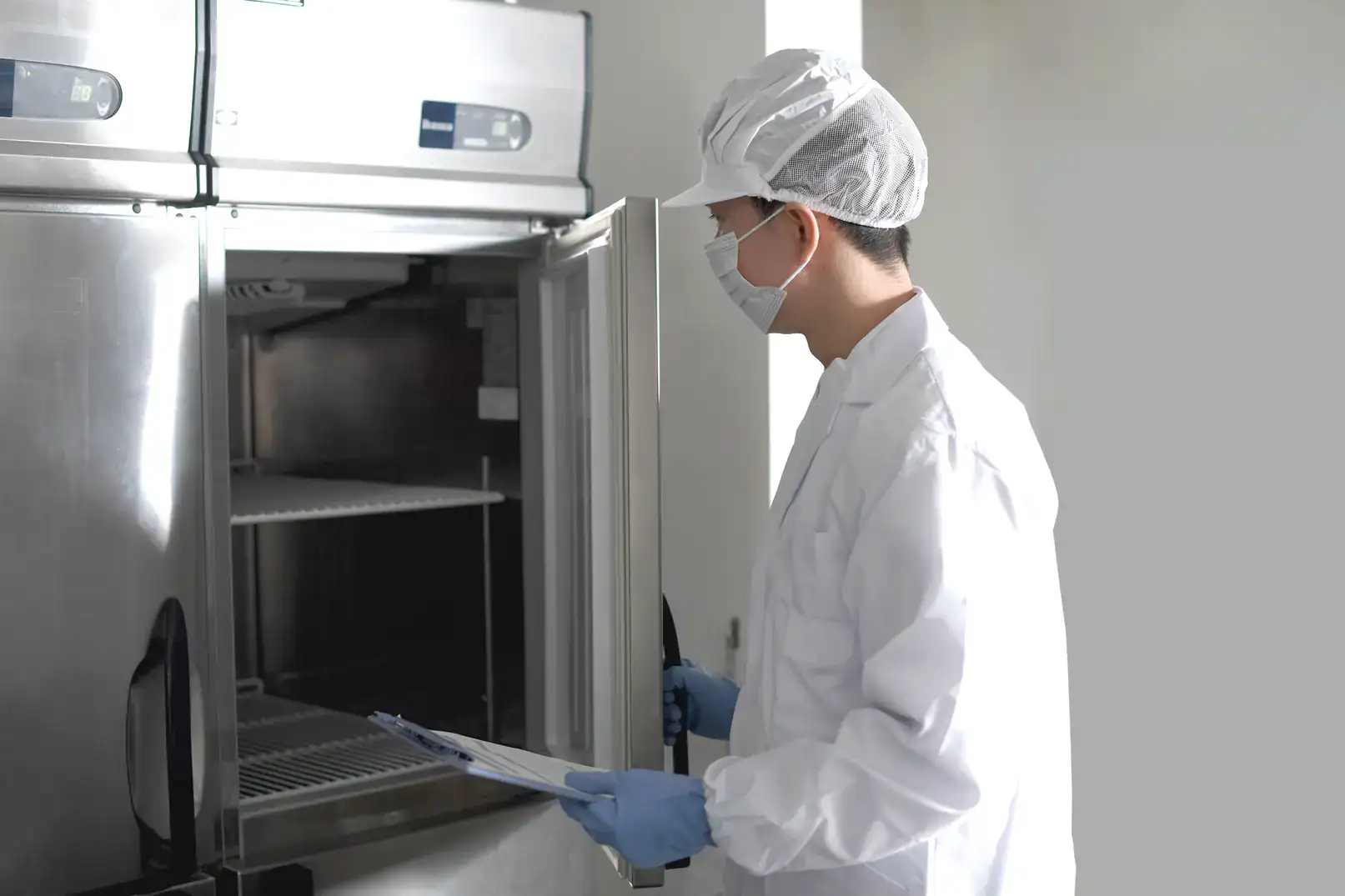
Grab a thermometer and start documenting temperatures every 15 minutes. This isn’t just about tracking the problem—it’s about building a record for insurance claims and helping your repair technician understand exactly what happened.
Most commercial refrigeration should stay below 40°F, with freezers maintaining 0°F or below. Once temperatures start climbing past these thresholds, you’re entering the danger zone for food safety and inventory loss. Document everything: times, temperatures, and any unusual sounds or behaviors you noticed before the failure.
Take photos of your temperature readings and any visible issues with the unit. Insurance companies appreciate thorough documentation, and repair technicians can often diagnose problems faster when they have a clear picture of the situation before they arrive.
If you have multiple units, check them all. Refrigeration problems sometimes cascade, especially if they’re connected to the same electrical circuit or if the issue involves your building’s power supply. Catching a second unit before it fails completely can save you from a much bigger disaster.
Don’t rely on the unit’s built-in temperature display if it’s still showing—these can malfunction along with the cooling system. Use an independent thermometer for accurate readings that you can trust when making decisions about your inventory.
Time is your enemy here, but smart inventory management can extend your window for professional repair. Start by identifying your most valuable and temperature-sensitive items—these get priority for emergency relocation.
If you have backup refrigeration space, use it strategically. Don’t try to cram everything into a smaller unit, which will overwork that system and potentially create a second emergency. Focus on your highest-value items and anything that spoils quickly at room temperature.
Consider temporary solutions like purchasing bags of ice for critical items, but understand this is a short-term fix at best. Ice can help maintain temperatures for a few hours, but it’s not a substitute for proper refrigeration, especially for large inventories.
For restaurants and food service businesses, this might mean making tough decisions about your menu for the next day or two. It’s better to temporarily limit offerings than to serve food that’s been stored at unsafe temperatures. Your reputation and customer safety are worth more than trying to save every item.
Contact your suppliers immediately if you’re facing significant losses. Many suppliers will work with you on emergency deliveries or replacement products, especially if you’re a regular customer. Having these conversations early gives you more options than waiting until you’ve lost everything.
Document everything you’re doing to protect your inventory. Insurance claims often require proof that you took reasonable steps to minimize losses, and this documentation can be crucial for coverage decisions.
Want live answers?
Connect with a Chill Xpert Solutions expert for fast, friendly support.
Not every refrigeration problem requires emergency service, but knowing the difference can save you money and stress. True emergencies involve rapid temperature rises, complete system failures, or situations where waiting until normal business hours means significant inventory loss.
If your unit is still cooling but running constantly, you might have time to schedule regular service. But if temperatures are climbing steadily despite the system running, or if the unit has stopped completely, you need emergency help immediately.
Strange noises often signal serious problems, especially grinding, squealing, or loud clicking sounds. These typically indicate mechanical failures that won’t resolve on their own and often get worse quickly without professional intervention.
Certain symptoms indicate problems that will only get worse without professional intervention. Unusual noises from your refrigeration system—grinding, squealing, or repetitive clicking—often signal mechanical failures that can cascade into complete system breakdown.
Visible ice buildup in areas where it shouldn’t be, or conversely, ice melting in freezer units, indicates serious temperature control problems. These issues rarely resolve themselves and typically worsen rapidly without professional diagnosis and repair.
If you notice water pooling around your units, especially if it’s more than usual condensation, you likely have a drainage problem or refrigerant leak. Both situations can damage your equipment and building while compromising food safety.
Electrical issues like flickering lights when the compressor kicks on, burning smells, or visible sparking require immediate attention—not just for your refrigeration, but for safety reasons. These problems can escalate to fire hazards or complete electrical system damage.
Temperature fluctuations, where your unit cycles between too cold and too warm, indicate control system problems that stress your equipment and threaten food safety. These issues typically worsen over time and can cause complete system failure if left unaddressed.
Pay attention to your energy bills. Sudden spikes in electricity usage often indicate refrigeration systems working harder than they should, which usually means underlying problems that will eventually cause complete failure.
The mathematics of refrigeration emergencies are brutal but simple: emergency service costs hundreds, while inventory loss costs thousands. A typical restaurant can lose $3,000-$10,000 worth of inventory in a single day when refrigeration fails completely.
Emergency service rates reflect the reality of after-hours work—technicians leaving family dinners, driving in bad weather, and working with limited parts availability. But these costs pale compared to replacing your entire inventory, dealing with health department violations, or losing customers due to menu limitations.
Consider the ripple effects beyond immediate inventory loss. If your failure happens before a busy weekend or during peak season, the revenue impact multiplies. Catering businesses facing events, restaurants during holiday rushes, or delis during summer months can’t afford to wait for regular business hours.
Insurance coverage varies significantly for emergency repairs versus inventory loss. Many policies have different deductibles and coverage limits for equipment repair versus spoiled goods. Understanding your coverage before an emergency helps you make informed decisions about when to call for immediate help.
The timing of your call matters too. Calling at 6 PM on a Friday gives you more options than waiting until Saturday night. Most emergency services prioritize calls based on both urgency and timing, so early action often means faster response times.
Document your decision-making process. If you choose to wait for regular service hours, make sure you can justify that decision with temperature logs and inventory assessments. If you call for emergency service, document what made the situation urgent enough to warrant immediate attention.
The best emergency response is preventing emergencies altogether. Regular maintenance catches problems before they become crises, but even well-maintained systems can fail unexpectedly. Having a response plan means you’ll make better decisions under pressure.
Know your equipment’s age and maintenance history. Systems over ten years old or those with deferred maintenance are more likely to fail during peak usage periods like summer months or busy seasons. Planning proactive replacements prevent emergency situations.
Most importantly, establish a relationship with a reliable commercial refrigeration service before you need emergency help. At Chill Xpert Solutions, we offer 24/7 consulting and have the experience to handle complex commercial systems that general repair services can’t manage. When disaster strikes, you want technicians who understand your specific equipment and can respond immediately to protect your business investment.
Article details:
Share:
Continue learning: