Skipping refrigeration maintenance does not save money. It simply delays a much bigger bill, and here is what Long Island business owners need to know.
Share:
Summary:
Most business owners do not think about their refrigeration equipment until something goes wrong. That is understandable since you are running a kitchen, managing staff, and dealing with customers, meaning the walk-in cooler is just supposed to work. When it does not, the timing is almost never convenient. It hits on a Friday night in July, the week before a big catering event, or the morning a health inspector walks through the door.
Preventative refrigeration maintenance exists specifically to keep that moment from happening. We have been helping Nassau County, Suffolk County, and Long Island businesses protect their operations for over 40 years, and we have seen firsthand what happens when maintenance gets skipped, alongside what happens when it does not. This page walks through what preventative maintenance involves, what it costs you when you skip it, and why Long Island businesses face a set of challenges that most generic HVAC guides do not account for.
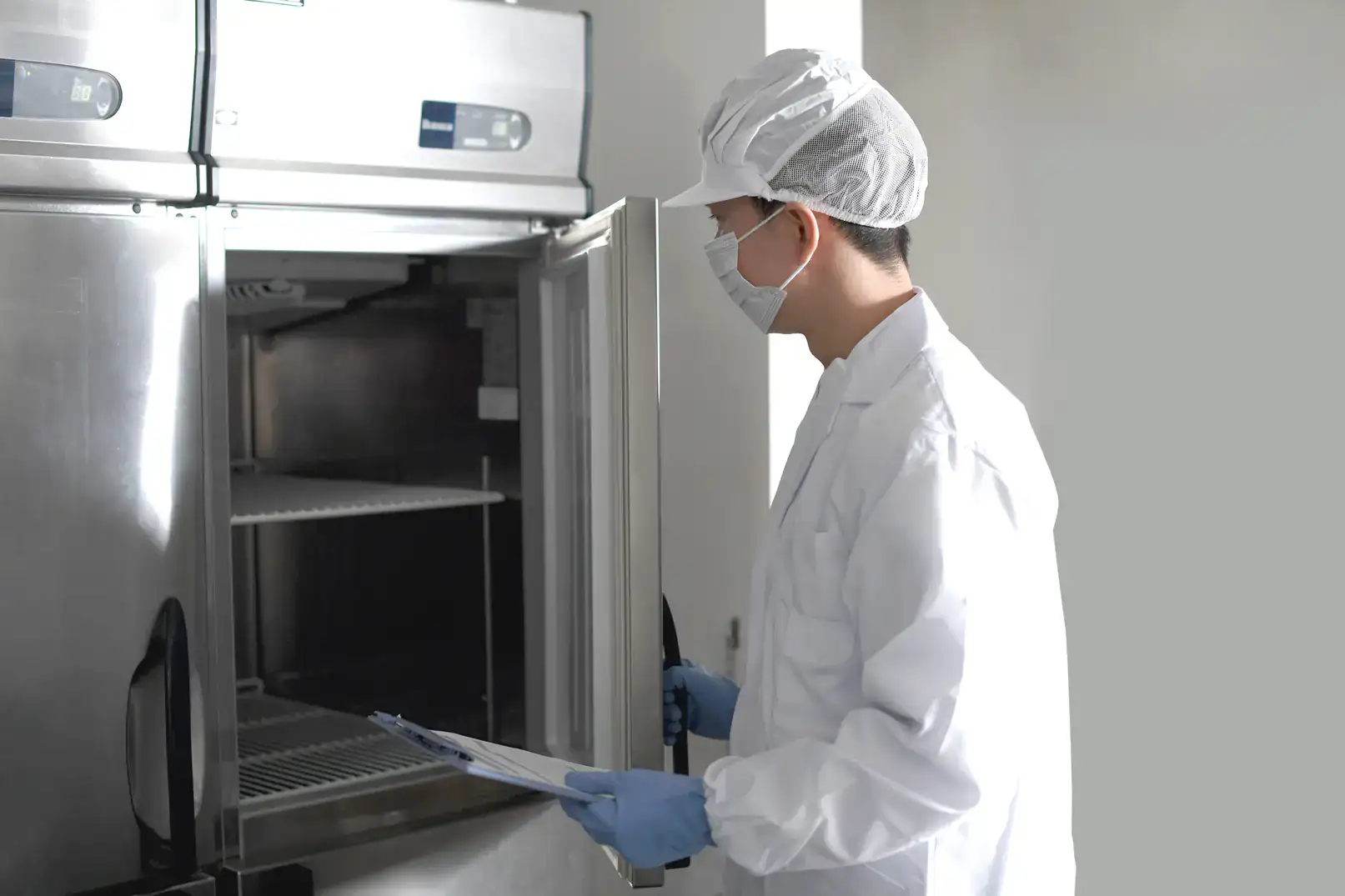
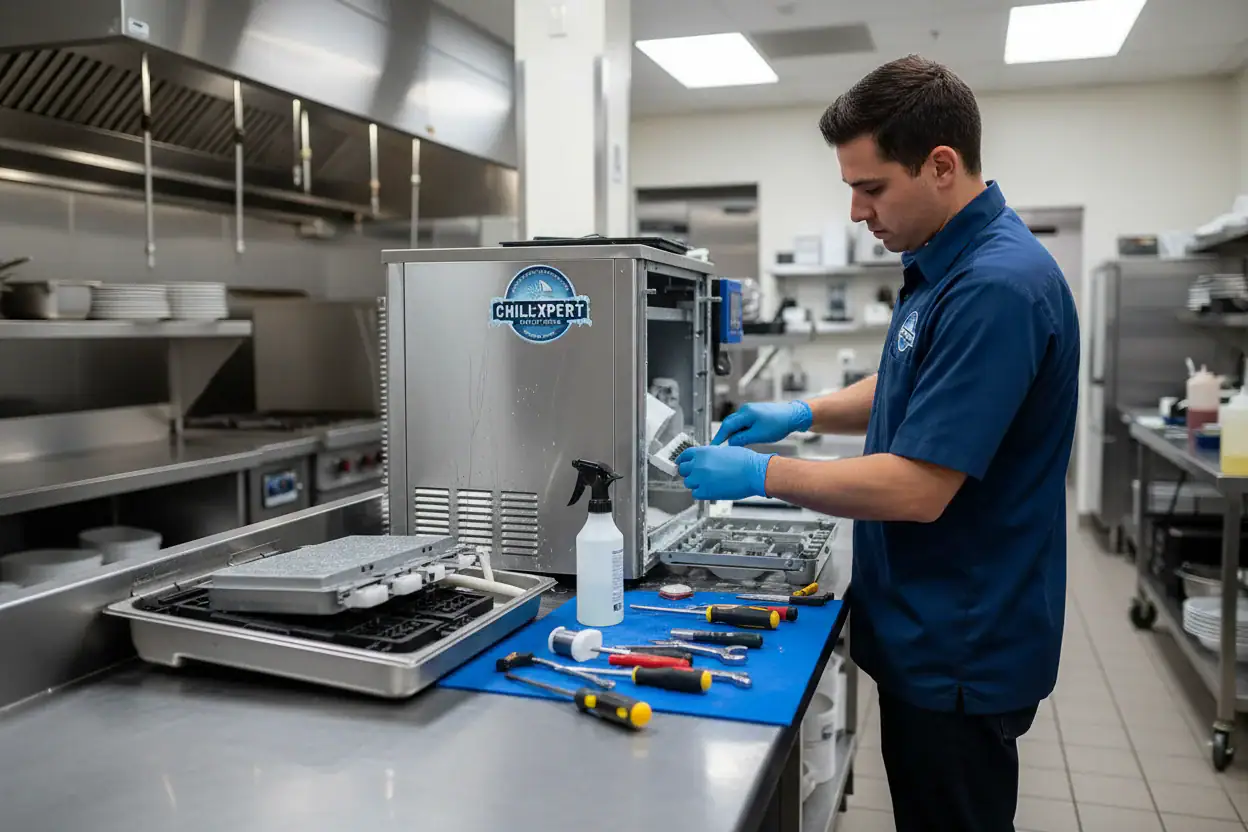
Preventative maintenance is not a single task, but rather a scheduled, documented process covering the components most likely to fail quietly before they fail loudly. A proper visit includes cleaning condenser and evaporator coils, checking refrigerant levels and pressure, inspecting door gaskets and seals, testing thermostats and controls, tightening electrical connections, clearing drain lines, lubricating fan motors, and verifying that the system holds temperature under real operating conditions.
What makes it different from a repair call is the intent. We are not fixing something that is already broken. We are finding the small things, such as a slightly torn gasket, a coil starting to foul, or a compressor working harder than it should, before they turn into the kind of problem that shuts you down mid-service.
The honest answer is that it depends on how hard your equipment works and where it is located. For most commercial refrigeration units, including walk-ins, reach-ins, and display cases, a minimum of twice per year is the industry standard. High-volume operations, like busy restaurants or delis running multiple units through a full summer season, are better served by quarterly visits.
On Long Island, that calculation shifts. Salt air from the Atlantic and Long Island Sound accelerates corrosion on outdoor condenser units and electrical components in ways that simply do not apply to inland markets. A condenser coil that might go a full year between cleanings in a landlocked city can start fouling significantly faster when it sits outside a waterfront restaurant in Patchogue or a marina in Island Park. The coastal environment here is relentless, and it does not care that your equipment is only two years old.
The other factor is seasonality. Long Island summers are genuinely punishing for refrigeration systems. When outdoor temperatures push into the 90s and humidity climbs, your equipment works harder than it was designed to work on an average day. Running a system that is even slightly compromised with low refrigerant, dirty coils, or a dragging fan motor into that kind of heat is how you end up with a compressor failure at 7 PM on a Saturday in August.
Pre-summer maintenance is one of the most important service appointments a Long Island food service business can schedule, not because something is necessarily wrong, but because you want to know before the heat arrives rather than after. The same logic applies to fall to catch any wear from a hard summer before winter freeze cycles add additional stress to door seals and exterior components.
In short, aim for twice a year at minimum, quarterly if you run a high-volume operation, and always before summer. If your equipment is older or located in a coastal or waterfront environment, lean toward more frequent visits rather than fewer.
The most common answer business owners give for skipping maintenance is that nothing seems wrong. The cooler holds temperature, the compressor sounds fine, and they wonder why they should spend money on something that is not broken.
It is a reasonable instinct, but it is also how most commercial refrigeration failures happen. Many conditions leading to a breakdown remain invisible until they turn critical. Refrigerant leaks slowly, coils foul gradually, and a compressor running under strain for months does not announce itself before stopping abruptly. By the time you notice a problem, the damage is usually done, and the repair costs significantly more than the maintenance visit that would have caught it.
The numbers are hard to argue with. Reactive maintenance, which means calling someone after a breakdown, costs two to three times more than a scheduled preventive visit. A single emergency service call can run $800 to $1,000 before factoring in any inventory losses. If your cooler goes down during a busy shift, you pay not just for the repair, but also for discarded food, lost revenue while the unit is down, and potentially a health code violation if temperatures were not properly logged and documented.
For Long Island restaurants and delis, the stakes are particularly high in the summer months. The Hamptons, the South Shore, and Nassau County’s dense commercial corridors see their highest-volume periods between June and September. A breakdown during that window costs more than just one night of business, potentially driving away repeat customers who do not return.
A longer-term cost also fails to show up on any single repair bill. A refrigeration system running with dirty coils or low refrigerant can consume 20 to 30 percent more electricity than a well-maintained unit. On Long Island, where electricity rates through PSEG rank among the highest in the continental United States, that inefficiency adds up to real money every month. Properly maintained units routinely last 15 years or more, while neglected ones often fail before hitting 10.
Want live answers?
Connect with a Chill Xpert Solutions expert for fast, friendly support.
Not every HVAC company showing up with a service van is qualified to maintain commercial refrigeration. It is worth knowing what to look for and what questions to ask before handing over access to equipment your business depends on.
The baseline credential is EPA Section 608 certification. Under the Federal Clean Air Act, any technician who services, maintains, or repairs equipment containing regulated refrigerants is legally required to hold this certification. It is not optional, and violations carry severe daily fines. Always ask for verification before booking.
Beyond certification, the questions that matter most are practical ones. Does the company send the same technicians each time, or do you get whoever is available? Are they using subcontractors, or are these direct-hire employees who know your equipment and have a stake in the outcome? Do their service vans carry common parts, or will a repair that could have been completed same-day turn into a three-day wait for parts to arrive?
Response time matters too, serving not just as an emergency buffer, but as a signal of how seriously a company takes commercial clients. A provider that genuinely understands what refrigeration downtime costs a food service business will treat your service windows accordingly.
For Long Island businesses in Nassau and Suffolk County, local knowledge provides genuine value rather than serving as a mere marketing claim. Having worked in these communities for decades, we understand what salt air does to outdoor condenser units, what the health department expects to see in maintenance records, and the differences between a system designed for Long Island’s climate versus one spec’d for a generic commercial application.
One detail worth paying attention to is the difference between a company that treats symptoms versus one diagnosing root causes. If a compressor fails and a technician replaces it without investigating why it failed, you will likely return to the same situation within a year. Perhaps the compressor died due to inconsistent voltage, or the evaporator froze because airflow was restricted. A thorough maintenance provider asks those questions before closing the work order.
The goal of a good maintenance relationship extends beyond keeping equipment running, aiming to maintain efficiency, extend useful life, and provide documented records protecting you during health inspections and warranty claims. Most manufacturers require documented preventive maintenance to honor equipment warranties, a detail catching many business owners off guard when they need it most.
If you own a boat or manage a marina on Long Island, this question comes up frequently, especially for business owners maintaining both a commercial kitchen and a vessel. The short answer is no, because marine refrigeration operates in a fundamentally different environment with distinct maintenance requirements.
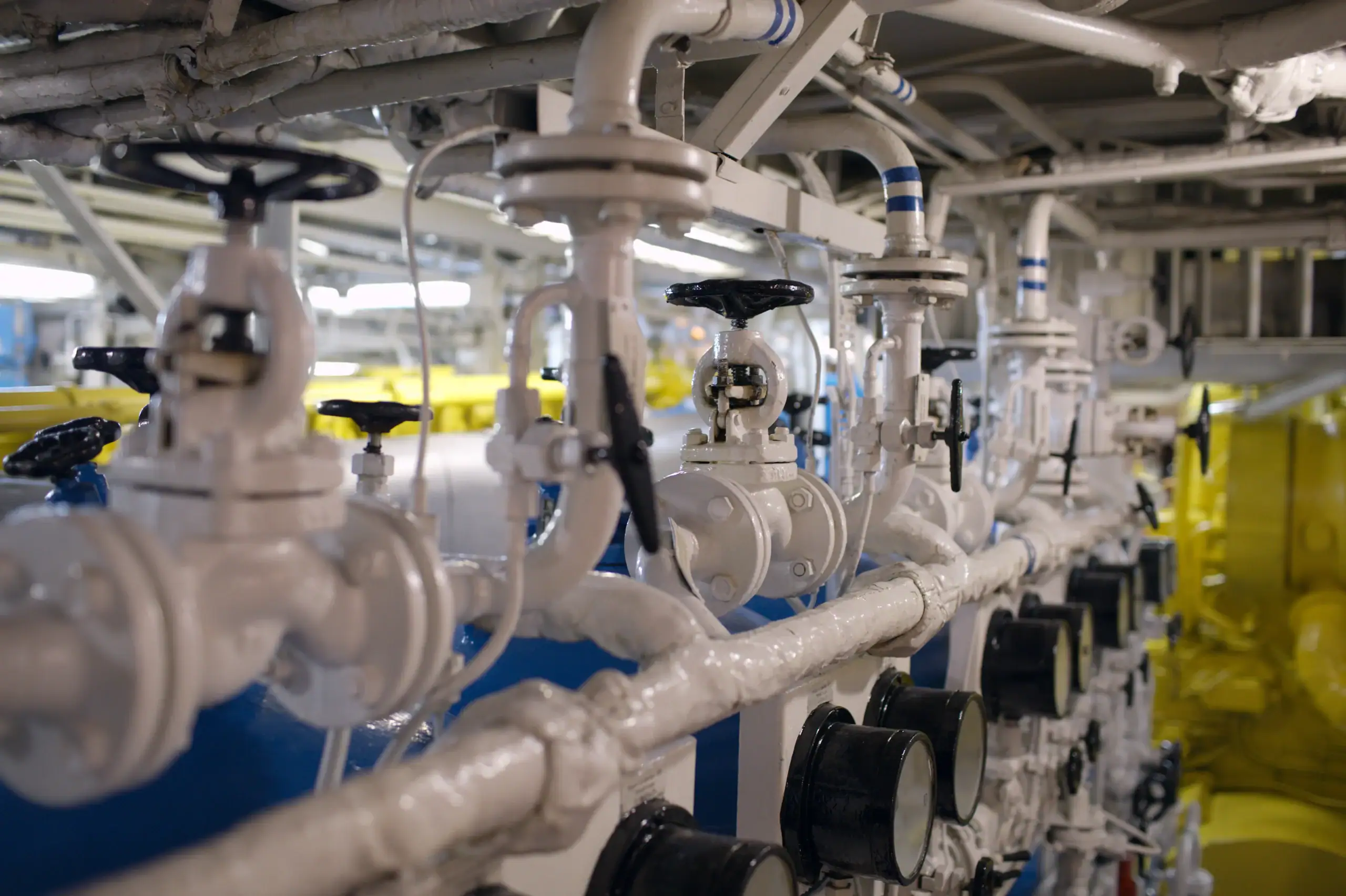
Marine refrigeration systems face conditions land-based equipment avoids entirely. Constant vibration, saltwater exposure, electrical fluctuations common on boats, and the specific demands of operating in Long Island Sound or the Atlantic put unique stress on components. Dirty condenser coils clogged with salt and marine growth can reduce system efficiency by 30 percent or more, representing a meaningful performance hit accelerating wear and driving up energy consumption on every trip.
The maintenance checklist for a marine system covers many of the same fundamentals, such as coil cleaning, refrigerant checks, electrical inspection, and component lubrication, but the standards are stricter and the consequences of skipping a visit arrive much faster. While a walk-in cooler at a restaurant in Smithtown might survive a missed maintenance cycle, a marine refrigeration system on a vessel running out of Freeport or Oyster Bay operates in a saltwater environment degrading components faster than most owners realize.
This means the technician working on your marine system must understand boats alongside refrigeration. Components differ, with marine-specific brands like Vitrifrigo, Isotherm, Dometic, Norcold, and Frigoboat serving distinct purposes, while the installation environment and failure modes also vary. Sending a standard commercial refrigeration technician onto a boat resembles sending a residential HVAC contractor to maintain a commercial kitchen where fundamentals overlap, but specifics matter enormously.
For Long Island boat owners and marina operators, finding a provider genuinely understanding both commercial and marine refrigeration is rare since most companies handle only one. We handle both, bringing cross-environment experience reflecting in the quality of maintenance work rather than just marketing words.
Refrigeration maintenance is rarely the most exciting line item in a business budget, but it remains one of the few where skipping costs consistently and measurably outweighs doing it right. Reactive repairs cost two to three times more than scheduled maintenance, properly maintained equipment lasts significantly longer, and a single summer breakdown in a high-volume Long Island restaurant or deli can cost far more than a full year of preventive service visits.
Long Island’s coastal climate, dense food service industry, and high electricity rates make the case for preventive maintenance stronger here than in most other markets. Salt air alone presents a factor most generic maintenance guides fail to address and most out-of-area providers do not fully understand.
If you operate a restaurant in Nassau County, a deli in Suffolk County, a catering hall anywhere on Long Island, or a vessel in local waters without a scheduled maintenance program, it is worth having a real conversation about the true costs involved. We offer free estimates and have partnered with Long Island businesses and boat owners for over 40 years. Reach out to Chill Xpert Solutions to discover what a proper maintenance program looks like for your specific equipment and situation.
Article details:
Share:
Continue learning: