Your regular HVAC tech might be great at home systems. But marine AC is a completely different animal — and the wrong contractor can make things worse.
Share:
Summary:
You called your regular HVAC guy. He showed up, looked around, maybe recharged the refrigerant — and a week later your boat’s AC still isn’t working. Or it worked for a few days and then quit again. Sound familiar?
This isn’t a fluke. It happens constantly across Nassau County, and it happens for a specific reason: marine AC systems are fundamentally different from anything a residential or commercial technician is trained to work on. The failure modes are different. The parts are different. The environment is different. And if the person diagnosing your system doesn’t understand those differences, they’re essentially guessing.
Here’s what’s actually going on — and what it takes to fix it properly.
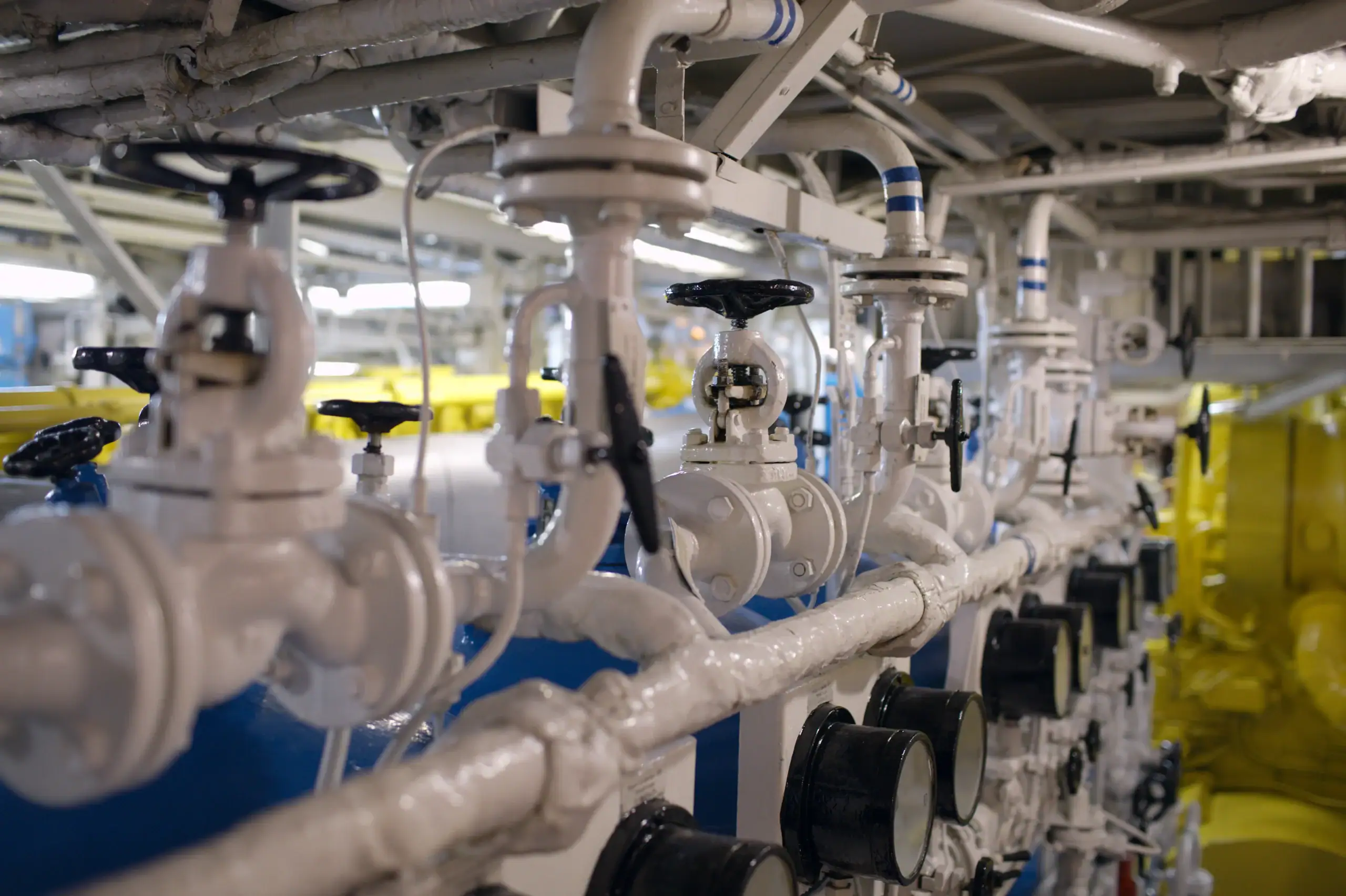
A standard home or commercial HVAC system uses air to exchange heat. Your boat’s AC system uses seawater. That one difference changes almost everything about how the system is designed, how it fails, and how it needs to be diagnosed.
A residential technician who doesn’t know to check the seacock, the raw water strainer, and the seawater pump first will almost certainly misread the problem. They’ll look at refrigerant pressure, maybe pull out a gauge set, and come to a conclusion that has nothing to do with the actual cause. That’s not incompetence on their part — it’s a knowledge gap that’s completely predictable given their training.
The salt air environment along Nassau County’s waterways — Reynolds Channel off Island Park, Manhasset Bay up in Port Washington, the marinas lining Freeport’s Nautical Mile — accelerates corrosion on components that a land-based system would never encounter. Copper fittings, rubber hoses, electrical connections: all of it degrades faster on a boat than in any building. If your technician isn’t accounting for that, they’re not diagnosing your actual system.

The most common reason a marine AC system stops cooling has nothing to do with the refrigerant. It’s a seawater flow problem — and it usually starts with something as simple as a clogged strainer.
Your boat’s AC pulls raw seawater from outside the hull to act as the cooling medium. That water passes through a strainer before it reaches the pump. In Nassau County’s bays and harbors, that strainer collects marine growth, sediment, and debris constantly — especially during summer when biological activity in the water peaks. A partially blocked strainer restricts flow, the system can’t shed heat, and the AC shuts down or starts cycling erratically.
Dirty condenser coils clogged with salt and marine growth can reduce system efficiency by 30% or more before you ever notice a performance drop. If the strainer is clear but the system still isn’t pulling enough water, the next suspect is the raw water pump. These pumps use impellers — flexible rubber components that wear out and can fail suddenly, especially on a system that wasn’t serviced before the season started.
A failed impeller means no water flow, which means the compressor overheats and the system trips its safety switch. A generalist who’s never seen a marine raw water pump won’t even know to look for it.
Beyond water flow, refrigerant leaks are common in marine systems — but the cause is different than on a land-based unit. Boats vibrate constantly. Engine vibration, wave action, and dock movement work refrigerant fittings loose over time in a way that simply doesn’t happen in a stationary installation. Recharging the refrigerant without finding and sealing the source of the leak is a temporary fix at best. Within a season, sometimes within weeks, the same problem returns.
Electrical corrosion is another failure mode that catches generalists off guard. Marine electrical systems operate in a salt-humid environment that corrodes standard wiring connections faster than most technicians expect. Corroded terminals cause voltage drops, intermittent failures, and control board issues that look like refrigerant or mechanical problems until you trace them back to the source. Knowing where to look — and recognizing what salt-corroded marine wiring looks like versus a standard electrical fault — requires hands-on marine experience.
Here’s the part that doesn’t get talked about enough: a misdiagnosis on a marine AC system doesn’t just waste a service call. It can lead to replacing parts that didn’t need replacing, while leaving the actual problem untouched.
If a technician diagnoses low refrigerant and recharges the system without identifying a vibration-induced leak, you’ve paid for a recharge that will bleed out. If they replace a thermostat when the real issue is a failing seawater pump, the compressor will eventually overheat from insufficient cooling flow. Each wrong repair adds cost and delays the fix — and in Nassau County, where the boating season runs roughly from Memorial Day to early October, losing two or three weeks to a misdiagnosis can mean losing a significant chunk of your entire season.
That compressed timeline is one of the things that makes marine AC repair different in this market specifically. A homeowner with a broken AC has time to work through a few wrong turns. A boat owner in Freeport or Great Neck in mid-July does not. The stakes of getting it right on the first visit are genuinely higher here.
This is exactly why the “burned by a generalist” pattern is so common among boat owners on Long Island. It’s not that the contractor was careless — it’s that marine systems require a specific knowledge base that most HVAC training programs don’t cover. Seawater cooling circuits, marine-grade refrigerant fittings, DC power systems, anti-corrosion treatment protocols: these are marine-specific skills, and the only way to develop them is through years of working specifically on boats.
There’s also a legal dimension worth knowing. Federal law under EPA Section 608 of the Clean Air Act requires that any technician who handles refrigerants must be certified — and violations can carry fines of $45,000 or more per incident. An uncertified technician handling your boat’s refrigerant isn’t just unqualified. They’re operating illegally, and the liability can fall back on you as the vessel owner.
Want live answers?
Connect with a Chill Xpert Solutions expert for fast, friendly support.
Not every company that lists “marine HVAC” on their website has the depth of experience that phrase implies. There are a few concrete things worth checking before you hand anyone the keys to your boat.
EPA Section 608 certification is the federal baseline — it’s required for any technician legally handling refrigerants. Beyond that, look for technicians with actual marine-specific training, not just general HVAC credentials. Ask whether they carry marine-grade parts on their service vehicle. Ask about their first-visit resolution rate. A specialist with a well-stocked truck should be able to resolve most repairs on the spot, without a return trip to source components.
Experience matters in a specific way here. A technician who has spent decades working on residential split systems is not interchangeable with one who has spent those same decades working on seawater-cooled marine systems in Nassau County’s harbors and bays.
This is one of the most telling questions you can ask — and the answer separates real marine specialists from contractors who occasionally take marine calls.
Marine AC systems use components that are simply not available at a standard HVAC supply house. Seawater pump impellers, marine-grade refrigerant fittings, corrosion-resistant electrical connectors, OEM parts for brands like Dometic, Cruisair, Webasto, and Marine Air Systems — these are specialty components that require a supplier relationship and deliberate inventory management. A generalist who takes on a marine call will typically diagnose the system, realize they don’t have the right parts, and tell you they’ll be back when the order arrives. That wait can stretch into days or weeks during peak summer months when demand is highest.
A contractor who stocks authentic OEM parts specifically for marine systems can do something different: show up, diagnose, and fix. That’s the difference between a single service call and a drawn-out repair process that eats into your season.
It’s also worth noting that genuine OEM parts hold up significantly longer in a marine environment than aftermarket substitutes. The salt, humidity, and vibration that boats live in will expose the difference between a marine-grade component and a standard HVAC part within a single season. Cutting corners on parts is a short-term save that leads to a repeat repair call.
On Long Island, where the boating community is tight-knit and word travels fast between marinas and yacht clubs, a contractor’s reputation for first-visit resolution is one of the clearest signals of genuine marine expertise. Ask around at your marina. The names that keep coming up are the ones who showed up with the right parts and didn’t have to come back.
Most boat owners wait until something breaks. That’s understandable — marine AC systems run quietly in the background, and it’s easy to assume that no obvious symptoms means no problem. But marine systems degrade in ways that aren’t always visible before they cause a failure.
The standard recommendation is professional service at least twice per year: once before the season starts, and again mid-season during peak use. Pre-season service — ideally in April or early May before the first warm weekends hit — is the window to catch problems before they become emergencies. A technician can inspect the raw water strainer, check the pump impeller, test refrigerant charge, clean condenser coils, inspect electrical connections for corrosion, and verify that everything is operating within spec before you’re relying on the system in 85-degree July heat.
Mid-season service catches the wear that accumulates under load. A system that passed its pre-season check in May may develop a strainer buildup or a slow refrigerant leak by July — and catching it before it causes a full shutdown is far less disruptive than an emergency call on a Saturday afternoon in August.
Winterization is the third service window: flushing the seawater circuit, protecting components from freeze damage, and treating exposed metals against off-season corrosion. Skipping this step is one of the most common reasons boats come out of storage in the spring with AC problems that weren’t there when they were put away in the fall.
For Nassau County boat owners specifically, the combination of salt air from the South Shore bays and the compressed season window makes this maintenance schedule more consequential than it might be in a milder or less corrosive environment. Reynolds Channel and the surrounding waterways push salt air into every accessible space on a boat. Components that might last several seasons with minimal maintenance in a freshwater lake environment will degrade faster here. Staying ahead of that with regular service is the most cost-effective approach — and it’s the reason a compressor replacement, which costs far more than preventive maintenance, is almost always preceded by a history of skipped service calls.
If there’s one thing to take away from all of this, it’s that the contractor who fixes your home’s AC and the contractor who should be working on your boat’s AC are not the same person. The systems are different, the failure modes are different, and the environment they operate in is genuinely hostile to anyone who doesn’t know what they’re doing.
Nassau County’s boating season is short. The marinas from Freeport to Port Washington fill up fast, and the windows for real time on the water are limited. A misdiagnosis in June can cost you July. Getting the right specialist on the first call isn’t just about the repair — it’s about protecting the season.
If your marine AC system isn’t performing the way it should, or you want it properly serviced before the season starts, we at Chill Xpert Solutions are available 24 hours a day across Nassau and Suffolk County. We’ve been working on marine systems on Long Island since the 1980s, and we come to your dock with the parts and experience to get it handled.
Article details:
Share:
Continue learning: