Hear from Our Customers
You’re not looking for another contractor who ghosts you after the estimate. You need someone who picks up the phone, shows up when promised, and fixes it right the first time.
That’s what happens when your boat refrigeration is handled by technicians who’ve spent 40 years working on marine systems—not learning on the job. Your fridge stays cold through August heat. Your AC doesn’t quit when you’re three hours from shore. Your food doesn’t spoil because a door seal went bad and nobody caught it.
You get back to what you bought the boat for in the first place. We handle the cooling.
We’ve been keeping boats cool across Long Island for over 40 years. That’s four decades of salt air, humidity, vibration, and every refrigeration challenge the marine environment throws at a system.
Barnum Island boat owners know the drill. You’ve got a dock on Shell Creek, a boat you actually use, and systems that take a beating from May through October. When something goes wrong, you don’t have time for a contractor who treats marine HVAC like a residential job. You need someone who understands the difference—and has the track record to prove it.
We work on everything from small recreational boats to larger yachts across Barnum Island, Freeport, Long Beach, and the surrounding South Shore communities. Free estimates, 24/7 availability, and straight answers are standard. Dozens of five-star reviews back it up.
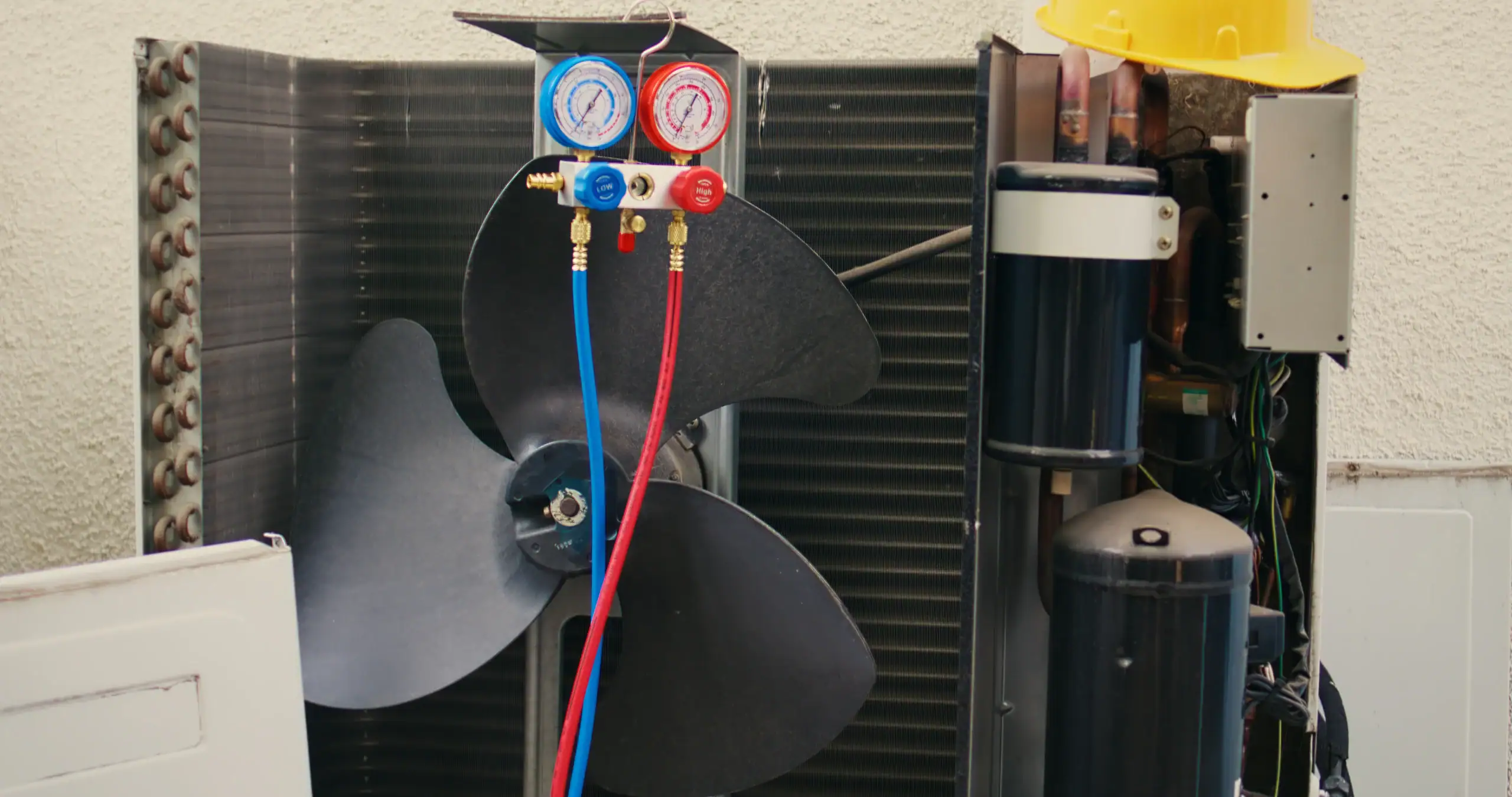
First, we diagnose what’s actually wrong. Not what we think might be wrong—what is wrong. That means checking refrigerant levels, inspecting door seals, testing compressors, examining condenser coils, and looking at water flow if you’ve got a water-cooled system. Most problems show up in predictable places if you know where to look.
Once we’ve identified the issue, you get a clear explanation and an honest estimate before any work starts. No surprises, no upselling, no fixing things that aren’t broken. If it’s a simple repair, we handle it on the spot. If parts are needed, we source them quickly and schedule the work around your availability.
After the repair or installation, we test the system thoroughly. We don’t leave until your marine refrigeration is running at proper temps, your AC is cooling efficiently, and you understand what was done. If it’s a new install, we walk you through operation and maintenance so you know how to keep it running between service calls.
For Barnum Island boat owners, we understand marina access, dock logistics, and the tight timelines of boating season. We show up prepared, work efficiently, and respect your time on the water.
Ready to get started?
Marine refrigeration service means your system gets inspected, cleaned, and tuned before problems turn into breakdowns. We check door gaskets that let warm air in. We clean condenser coils that get clogged with salt and debris. We test refrigerant levels and look for leaks before they kill your compressor. We verify water pumps are flowing properly on water-cooled systems.
For boat air conditioning, we inspect evaporator coils, check electrical connections, test thermostats and control boards, and make sure your system can handle the humidity and heat that comes with Long Island summers. If you’re running a chiller system or multiple zones, we verify the whole setup is balanced and efficient.
In Barnum Island, where boats sit in saltwater and humidity year-round, preventive maintenance isn’t optional. The marine environment accelerates wear on every component. A residential HVAC tech might miss the signs. We don’t. We’ve seen what happens when a system isn’t maintained properly, and we’ve spent decades preventing it.
Installation work includes proper sizing for your vessel, marine-grade components that can handle the conditions, and layouts that maximize efficiency without draining your batteries. We handle everything from single-unit installs on smaller boats to complex multi-zone systems on larger yachts. Custom solutions for specialized cooling needs—like beer systems or commercial applications—are part of what we do.
You also get 24/7 consulting access, which matters when something goes wrong on a Saturday in July and you’ve got guests arriving. Free estimates mean you know what you’re spending before you commit. And decades of five-star reviews mean you’re not taking a chance on someone new.
Your boat refrigeration should be serviced at least twice a year—once before the season starts and once mid-season if you’re using the boat heavily. That’s the baseline for systems operating in saltwater environments like Barnum Island, where humidity, salt air, and constant use accelerate wear.
Before the boating season, a full inspection catches problems before they ruin your first trip out. Mid-season service ensures everything is still running efficiently through the hottest months when your system is working hardest. If you’re running your boat year-round or using it for extended trips, add another service call in the fall.
Between professional services, keep an eye on door seals, listen for unusual noises, and watch for frost buildup or inconsistent cooling. Those are early warning signs that something needs attention. Catching them early means a small repair instead of a full system replacement in the middle of summer.
Door seals are the number one culprit. When gaskets wear out or don’t close properly, warm humid air gets in constantly. Your system runs nonstop trying to compensate, which overworks the compressor and leads to failure. A simple dollar bill test tells you if your seal is bad—close the door on a bill and try to pull it out. If it slides easily, your seal needs attention.
Dirty condenser coils are second. Salt, debris, and marine growth build up on coils, especially in saltwater environments like Barnum Island. When coils can’t dissipate heat properly, your system loses efficiency and eventually fails. Regular cleaning prevents this, but most boat owners don’t do it until cooling performance drops noticeably.
Refrigerant leaks, electrical failures, and water flow issues round out the common problems. Leaks usually mean corrosion from the marine environment. Electrical problems come from loose connections, corroded terminals, or failed thermostats. Water flow issues happen when pumps fail or strainers get clogged. All of these are preventable with regular maintenance, which is why service schedules matter more on boats than they do in your house.
Technically, maybe. Realistically, you don’t want them to. Marine refrigeration operates in an environment that residential and commercial HVAC techs never deal with. Salt air corrodes components differently. Humidity levels are higher. Vibration from the boat affects connections. Power constraints mean systems need to be far more efficient than anything in a building.
A residential tech might understand basic refrigeration principles, but they won’t know how to properly size a system for a vessel, handle marine-grade components, or troubleshoot issues specific to boats. They won’t have the right tools, the right parts, or the experience to spot problems before they become failures. And they probably won’t understand why a repair that works fine in a house will fail in six months on a boat.
Marine HVAC requires specialized knowledge and certification. You need someone who works on boats regularly, understands the unique challenges, and has access to marine-specific parts and equipment. That’s not most HVAC contractors. When your system fails in the middle of boating season, you want a specialist who can fix it right the first time—not someone learning as they go on your dime.
Boat air conditioning keeps your cabin comfortable by cooling and dehumidifying the air. Marine refrigeration keeps your food and beverages cold. They’re related systems—both use refrigerant, compressors, and heat exchange—but they serve different purposes and have different maintenance needs.
Marine AC systems typically use water-cooled condensers that pull in raw water from outside the boat. Service involves checking water flow, cleaning strainers, inspecting pumps, and maintaining the heat exchanger. You’re also looking at ductwork, thermostats, and electrical components that control the system. The focus is on airflow, humidity control, and efficient cooling of living spaces.
Refrigeration service focuses on maintaining consistent temperatures inside your fridge or freezer. That means inspecting door seals, checking evaporator frost patterns, testing defrost timers, and ensuring the compressor cycles properly. Energy efficiency matters more because refrigeration runs constantly, not just when you’re aboard. A poorly maintained fridge can drain batteries quickly, which is a bigger problem on a boat than in a house.
Both systems need regular attention in Barnum Island’s marine environment. Both suffer from salt air and humidity. And both will fail at the worst possible time if you skip maintenance. The difference is what breaks and how it’s fixed.
A well-maintained marine refrigeration system lasts 10 to 15 years in most cases. That’s the realistic lifespan when you’re dealing with saltwater, humidity, and the constant vibration that comes with being on a boat. Some systems last longer if they’re babied and serviced religiously. Others fail sooner if they’re neglected or installed incorrectly.
The marine environment is brutal on equipment. Components that would last 20 years in a house might fail in 7 years on a boat. Salt air corrodes metal. Humidity damages electrical connections. Vibration loosens fittings and causes leaks. Your system is working harder in worse conditions than any residential unit ever faces.
That’s why maintenance matters so much. Regular service catches problems early, keeps efficiency high, and extends the life of your system. Skipping service doesn’t just risk a breakdown—it shortens the overall lifespan of expensive equipment. When a 10-year-old system starts having major component failures, replacement often makes more sense than repair. New systems are more efficient, more reliable, and come with warranties. But proper maintenance can push that replacement decision back several years, which saves you thousands of dollars.
Yes. Marine refrigeration emergencies don’t wait for business hours, and neither do we. When your system fails on a weekend or in the middle of summer, you need help immediately—not next Tuesday when someone gets around to returning your call.
Our 24/7 consulting means you can reach us when problems happen. We assess the situation, walk you through any immediate troubleshooting you can do yourself, and schedule emergency service if needed. For Barnum Island boat owners, we understand that a failed system during peak season means spoiled food, ruined trips, and lost time on the water.
Emergency service costs more than scheduled maintenance—that’s true everywhere in every industry. But the alternative is worse. Spoiled provisions, uncomfortable guests, and a boat you can’t use until someone fixes the problem. We respond quickly, come prepared with common parts and tools, and focus on getting your system running again as fast as possible. That’s what 40 years in the marine HVAC business teaches you: when someone needs help, you show up.