Hear from Our Customers
Your HVAC system has one job: keep your home comfortable no matter what’s happening outside. When it’s doing that job right, you don’t think about it. You’re not adjusting the thermostat every hour, you’re not hearing strange noises at 2 a.m., and you’re definitely not sweating through a July heatwave or shivering in February because something failed.
That’s what properly maintained residential HVAC services should deliver. Consistent temperatures in every room. Lower energy bills because your system isn’t working twice as hard to do half the job. Fewer emergency calls because small issues got caught during routine maintenance before they became expensive problems.
Long Island’s coastal humidity makes your air conditioning work harder than systems inland. Spring temperature swings—cool mornings, warm afternoons—hide problems until summer humidity exposes them. If your system struggled last summer or you noticed uneven heating this winter, those aren’t quirks. They’re signs your equipment needs attention before the next extreme weather hits.
We’ve spent over 40 years handling HVAC and refrigeration systems that most contractors won’t touch. We’ve worked on marine air conditioning systems, airport cooling infrastructure, and commercial refrigeration setups that require a different level of technical knowledge. That expertise translates directly to residential work—we understand how systems actually function, not just how to swap parts.
Barnum Island homeowners deal with specific challenges: salt air, humidity, and temperature swings that stress equipment. We’ve been serving Nassau County long enough to know what fails first in coastal homes and how to prevent it. Our team is licensed, insured, and available 24/7 because HVAC emergencies don’t wait for business hours.
You’ll find dozens of five-star reviews from commercial and residential clients who needed someone reliable. We offer free estimates because you deserve to know what you’re paying for before committing to anything.
First, we listen. You know your system better than anyone—when it started making that noise, which rooms feel too hot or cold, how long it’s been since your last service. That information tells us where to look first.
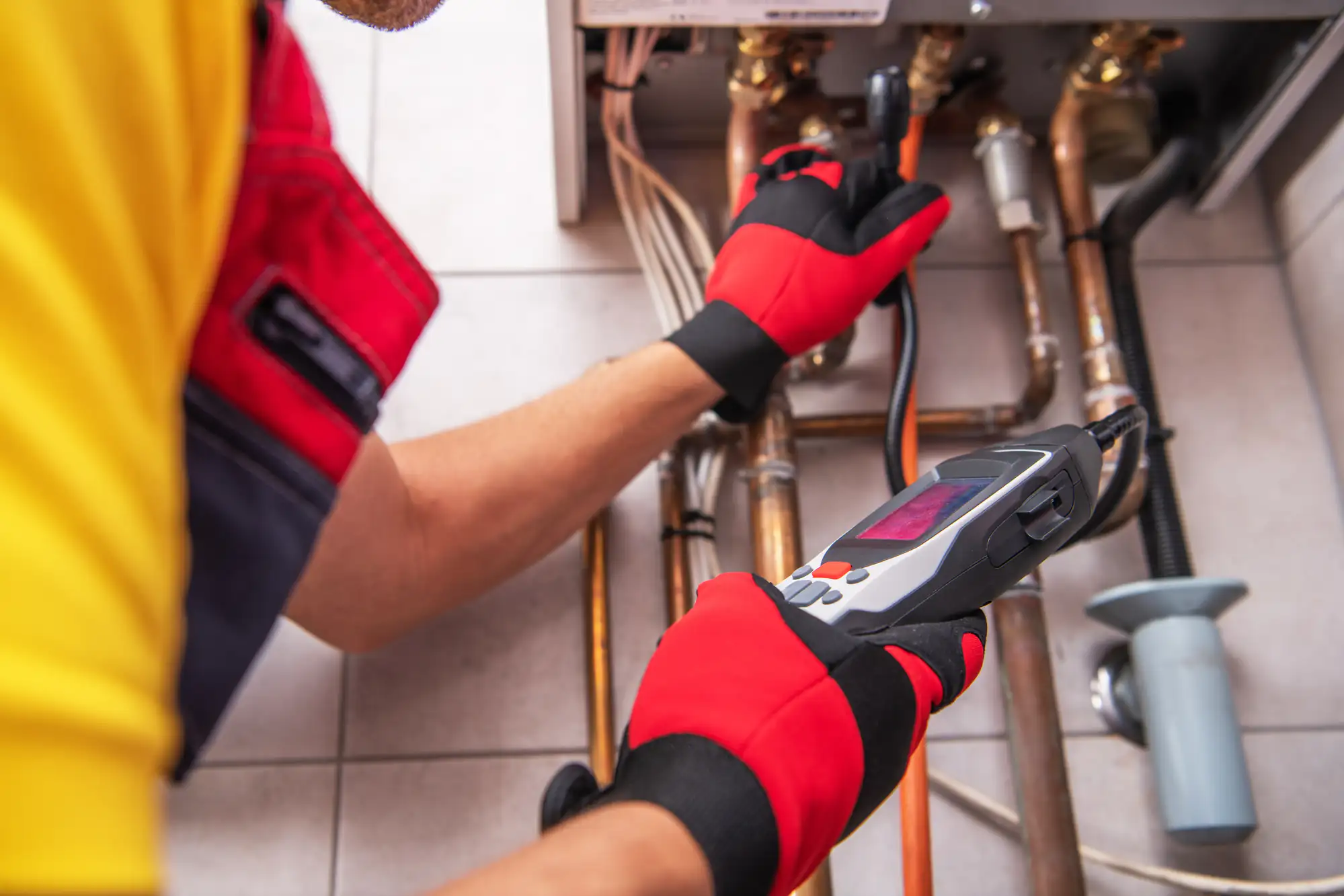
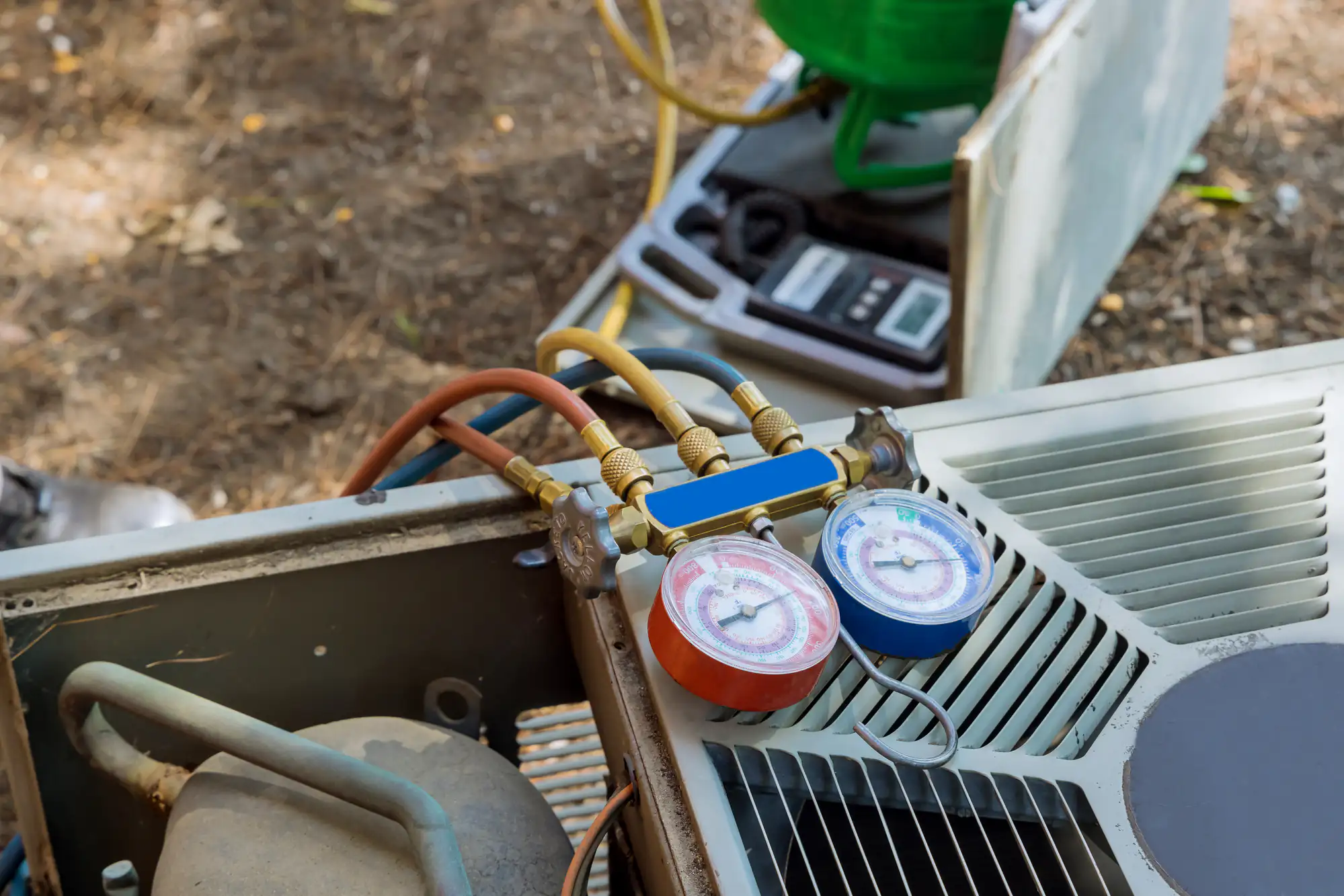
Then we diagnose the actual problem, not just the symptoms. If your AC isn’t cooling, that could be a refrigerant leak, a failing compressor, clogged filters, or ductwork issues. We test the system, check airflow, measure temperatures, and give you a clear explanation of what’s wrong and what it’ll take to fix it.
For repairs, we handle everything from air conditioning repair to furnace installation to heating system maintenance. If it’s a simple fix, we do it. If you need a full HVAC replacement, we’ll walk through your options—what makes sense for your home size, your budget, and your energy efficiency goals. We’re not here to upsell you on features you don’t need.
After the work’s done, we test everything to make sure it’s running right. Then we’ll talk about maintenance—what you should watch for, when to schedule your next service, and how to avoid the problems that lead to emergency calls at the worst possible time.
Ready to get started?
Our residential HVAC services cover the full spectrum: air conditioning repair when your system quits during a heatwave, furnace installation before winter hits, and heating system maintenance that catches problems early. We also handle HVAC replacement for systems that are past their useful life and costing you more in repairs than they’re worth.
Indoor air quality is a bigger deal than most people realize. Long Island’s seasonal changes bring pollen, humidity, and allergens that your HVAC system either filters out or circulates throughout your home. We install advanced filtration systems and can integrate smart thermostats that give you real-time control and alerts when something’s off.
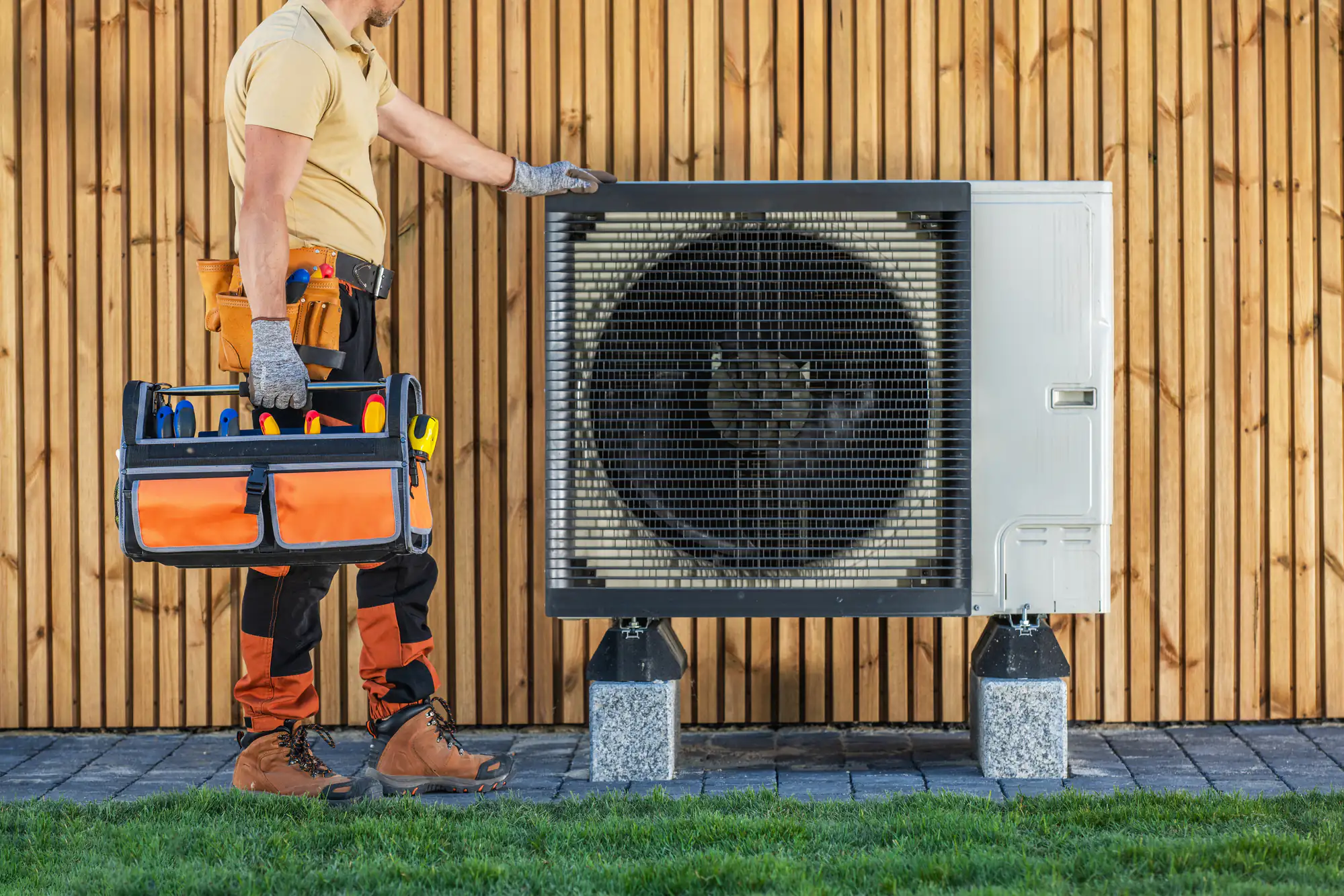
Barnum Island’s median household income of $95,375 means homeowners here understand value. You’re not looking for the cheapest option—you’re looking for the right option. That might mean upgrading to a heat pump that cuts your energy costs by 30% or more. It might mean a maintenance contract that extends your equipment’s lifespan and prevents costly breakdowns. Or it could mean emergency service when your system fails and you need someone who’ll show up, diagnose it correctly, and fix it right the first time.
We also stay current on refrigerant regulations. Older systems using R-410A are being phased out in favor of R-454B, which affects repair costs and makes upgrades more practical for aging equipment. If your system is over 10 years old, we’ll tell you whether repair or replacement makes more financial sense.
Twice a year—once before summer and once before winter. That timing isn’t arbitrary. It’s based on when your system is about to work hardest and when small problems turn into expensive failures.
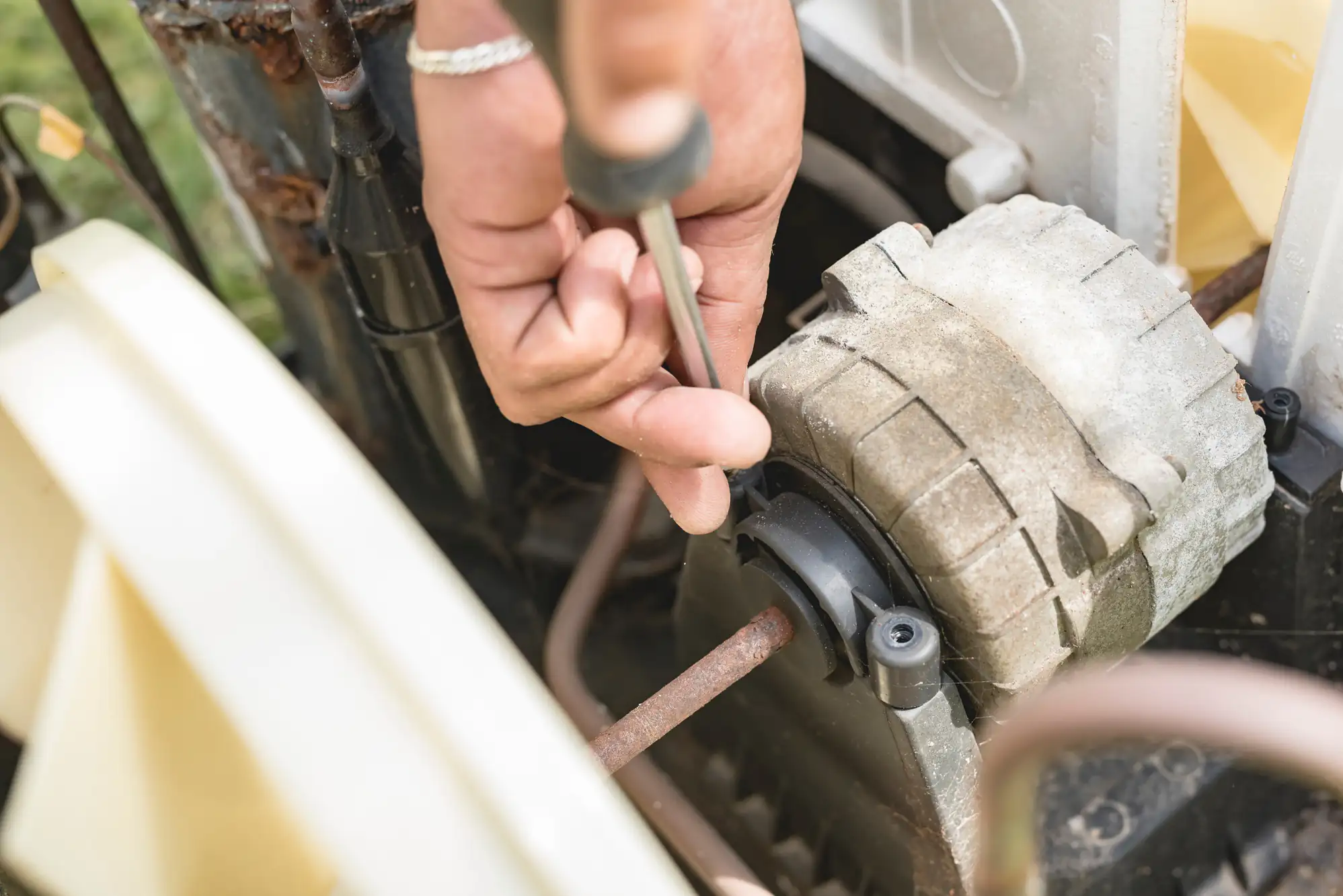
Spring maintenance catches issues before summer humidity forces your AC to run constantly. We check refrigerant levels, clean coils, test airflow, and make sure your system can handle the load. Fall maintenance does the same for your heating system—checking the heat exchanger, testing ignition, cleaning burners, and confirming everything’s ready for cold weather.
Long Island’s temperature swings mean your system cycles on and off more frequently than in climates with steadier weather. That cycling creates wear. Regular maintenance extends equipment life by years and cuts your energy bills because the system isn’t struggling to compensate for dirty filters, low refrigerant, or failing components.
Skip maintenance and you’re gambling. Maybe nothing breaks. Or maybe your AC dies during a July heatwave and you’re paying emergency rates plus waiting days for parts. Maintenance costs a fraction of emergency repairs.
It depends on three things: the age of your system, the cost of the repair, and your energy bills. Here’s how to think about it.
If your system is under 10 years old and the repair costs less than half of a replacement, repair usually makes sense. If it’s over 15 years old and you’re looking at a major repair—compressor, heat exchanger, or anything over $1,500—replacement is often smarter financially.
Older systems cost more to run. A new energy-efficient HVAC system can cut your energy bills by 30% or more. If you’re spending $200 a month on heating and cooling, that’s $60 in savings every month, $720 a year. Over the system’s 15-20 year lifespan, that adds up to real money.
We’ll give you both options with actual numbers. Repair cost, replacement cost, expected energy savings, and how long it takes for the new system to pay for itself. Then you decide what makes sense for your situation. We’re not here to push you one way or the other—we’re here to give you the information you need to make the right call.
Usually it’s one of four things: low refrigerant, a dirty evaporator coil, a failing compressor, or ductwork problems. Each one has different symptoms and different fixes.
Low refrigerant means there’s a leak somewhere. Your AC needs a specific amount of refrigerant to absorb heat and cool your home. If it’s low, the system runs constantly but never hits the temperature you set. We find the leak, fix it, and recharge the system.
A dirty evaporator coil can’t absorb heat effectively. It gets caked with dust and debris, especially in coastal areas where salt air accelerates buildup. Cleaning it usually solves the problem immediately.
A failing compressor is more serious. That’s the heart of your AC system. If it’s not compressing refrigerant properly, the whole system underperforms. Depending on the age of your unit, this might mean replacement rather than repair.
Ductwork issues—leaks, poor insulation, or blocked vents—mean cool air never reaches certain rooms. You’ll notice some rooms are comfortable while others are warm. We test airflow and pressure to find where you’re losing cooling capacity.
Need? No. But it’ll probably pay for itself in energy savings within two years, and it makes your life easier. Here’s what actually matters.
Smart thermostats learn your schedule and adjust temperatures automatically. You’re not heating or cooling an empty house all day while you’re at work. That alone cuts energy waste significantly. They also give you remote control—if you’re coming home early or staying out late, you adjust the temperature from your phone instead of walking into a freezing or sweltering house.
The real value is in the data. Smart thermostats track when your system runs, how long it runs, and whether it’s struggling to maintain temperature. You get alerts when something’s off—like your system running twice as long as normal to hit the same temperature, which usually means a problem is developing. Catching issues early prevents breakdowns.
For Barnum Island homes, where energy costs add up and systems work hard against humidity and temperature swings, a smart thermostat gives you control and visibility you don’t have with a basic programmable model. It’s not a luxury feature anymore—it’s standard equipment that makes financial sense.
Short cycling—when your furnace turns on, runs for a minute or two, shuts off, then repeats—usually means one of three problems: a dirty filter, a failing flame sensor, or an oversized furnace. Don’t ignore it. Short cycling wastes energy, wears out components faster, and leaves your home unevenly heated.
Start with the filter. A clogged filter restricts airflow, which causes the heat exchanger to overheat. The furnace shuts down as a safety measure, cools off, then tries again. Replacing the filter might solve it immediately. If you haven’t changed your filter in months, that’s likely your problem.
If the filter’s clean, the flame sensor might be dirty or failing. This sensor confirms the burner is lit. If it’s covered in soot or malfunctioning, it tells the furnace to shut down even when everything’s working fine. Cleaning or replacing the sensor fixes it.
An oversized furnace—one that’s too powerful for your home—heats the space too quickly, shuts off, then starts again when the temperature drops. This is a sizing problem from installation. The only real fix is replacing it with a properly sized unit, but that’s rare unless someone installed the wrong equipment originally.
Call us if replacing the filter doesn’t stop the short cycling. Continuing to run a furnace that’s short cycling will lead to bigger, more expensive problems.
You’ve got several options that work with your existing system. The right choice depends on what you’re trying to fix—allergens, humidity, odors, or general air quality.
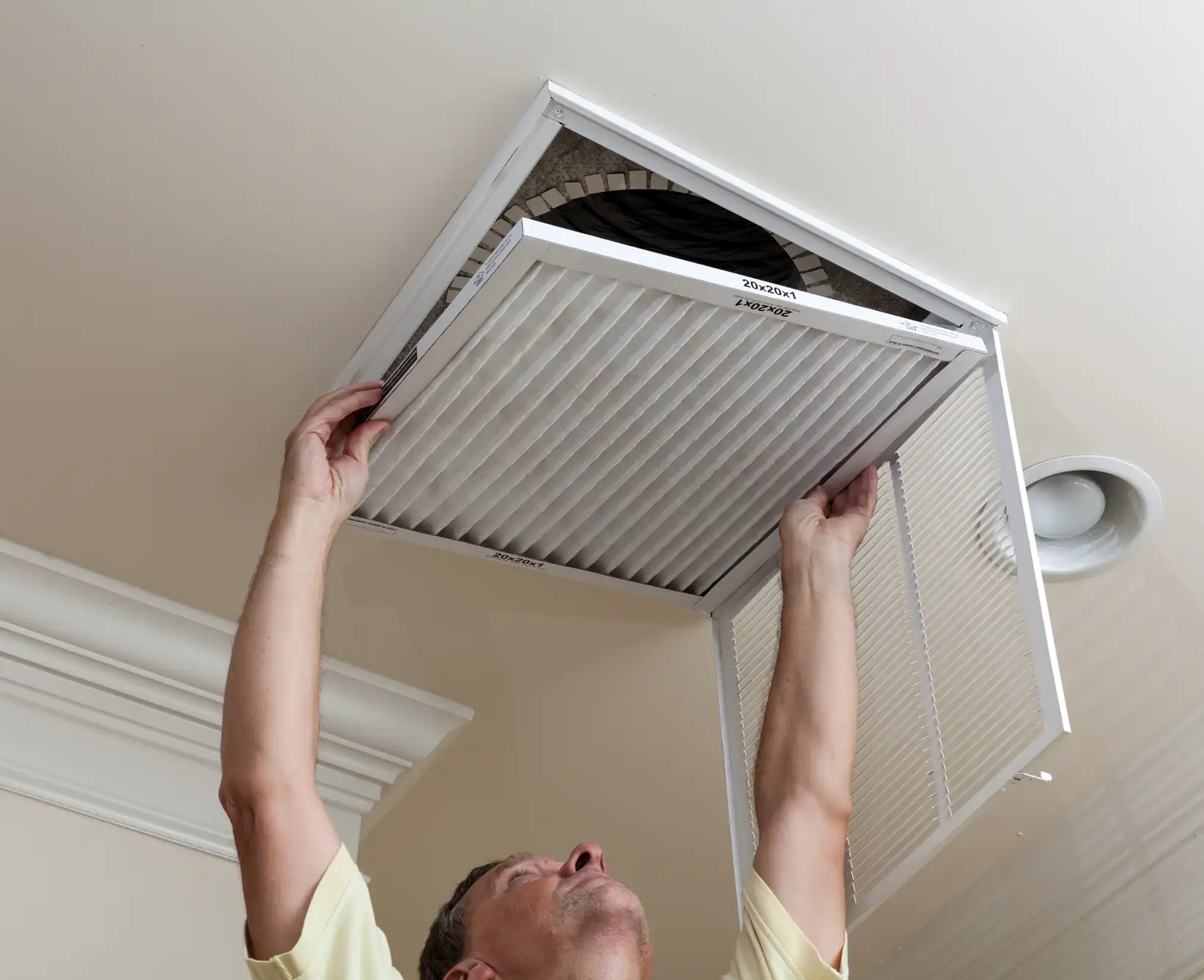
Start with a high-efficiency filter. Standard filters catch large particles, but HEPA filters remove 99.97% of particles 0.3 microns or larger. That includes pollen, pet dander, mold spores, and dust mites. Swap your current filter for a HEPA-rated one and you’ll notice a difference, especially during allergy season.
Add a whole-home dehumidifier if humidity is your main issue. Long Island’s coastal climate means moisture is constant. Too much humidity promotes mold growth and makes your home feel warmer than it actually is. A dehumidifier works with your HVAC system to maintain ideal humidity levels year-round.
UV air purifiers kill bacteria, viruses, and mold spores as air passes through your system. They’re installed in the ductwork and work continuously without filters to replace. If anyone in your home has respiratory issues or allergies, UV purification makes a measurable difference.
Finally, make sure your ducts are clean and sealed. Leaky ducts pull in dust, insulation particles, and outdoor air, then circulate it throughout your home. We can inspect your ductwork, seal leaks, and clean out buildup that’s degrading your air quality. You don’t need a new system—you need the right upgrades to the one you have.