
Hear from Our Customers
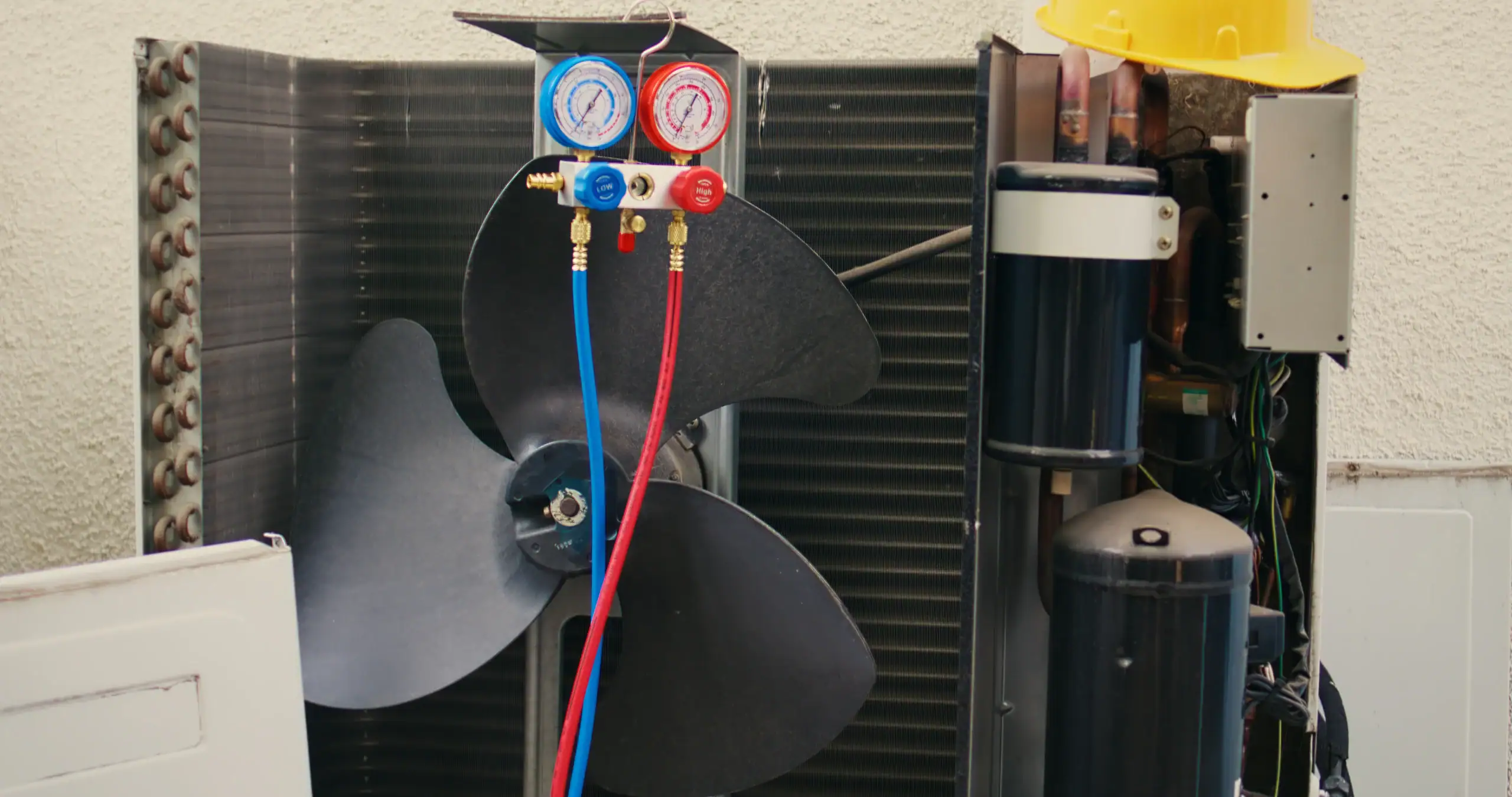
When your boat’s AC quits on a hot August afternoon or your refrigeration fails with a weekend’s worth of provisions onboard, you need more than a general HVAC tech. You need someone who understands marine systems.
Marine air conditioning and boat refrigeration operate in conditions that destroy standard equipment. Salt spray, constant humidity, vibration, and limited ventilation create challenges that land-based systems never face. That’s why marine HVAC requires specialized knowledge—not just about cooling, but about the environment your equipment lives in.
You get technicians who’ve spent decades solving marine cooling problems. The kind who can diagnose a compressor issue in ten minutes that would take others an hour. Who know which parts hold up in saltwater environments and which fail in six months. Who understand that your boat isn’t just a purchase—it’s your escape, your investment, and sometimes your home.
Chill Xpert Solutions has been handling marine refrigeration and boat air conditioning in the Brookhaven area for over 40 years. That’s four decades of learning every marine HVAC system, solving problems other contractors walk away from, and building relationships with boat owners who trust their vessels to our team.
Brookhaven’s boating community knows what matters: technicians who show up when they say they will, who communicate clearly about what’s wrong and what it’ll cost, and who fix it right the first time. Your marina slip isn’t a job site we’re trying to escape—it’s where we do our best work.
We’ve built our reputation on transparency and results. Dozens of five-star reviews from boat owners who needed their AC working before a charter, their refrigeration fixed before a long cruise, or a custom cooling solution for a unique vessel. We’re not the cheapest option, and that’s intentional. You’re paying for experience that prevents callbacks and expertise that saves you money long-term.
You reach out—phone, email, whatever works for you. We ask the right questions to understand what’s happening with your system. Is it not cooling at all? Making strange noises? Leaking? Cycling on and off? This helps us arrive prepared with the right tools and parts.
We come to your vessel, usually at your marina or slip. No need to haul your boat anywhere. Our technician runs diagnostics on your marine AC or refrigeration system, checking compressors, refrigerant levels, electrical connections, and airflow. We’re looking for the actual problem, not just symptoms.
You get a clear explanation of what’s wrong and what it’ll take to fix it. We provide a free estimate before any repair work begins. No surprises, no hidden fees, no pressure. If you approve the work, we handle it right there when possible. For complex installations or custom work, we schedule a time that works around your boating plans.
Once the repair or installation is complete, we test everything to make sure it’s running correctly. We also explain what we did and answer any questions about maintenance or preventing future issues. You’re back on the water with a system you can count on.
Ready to get started?
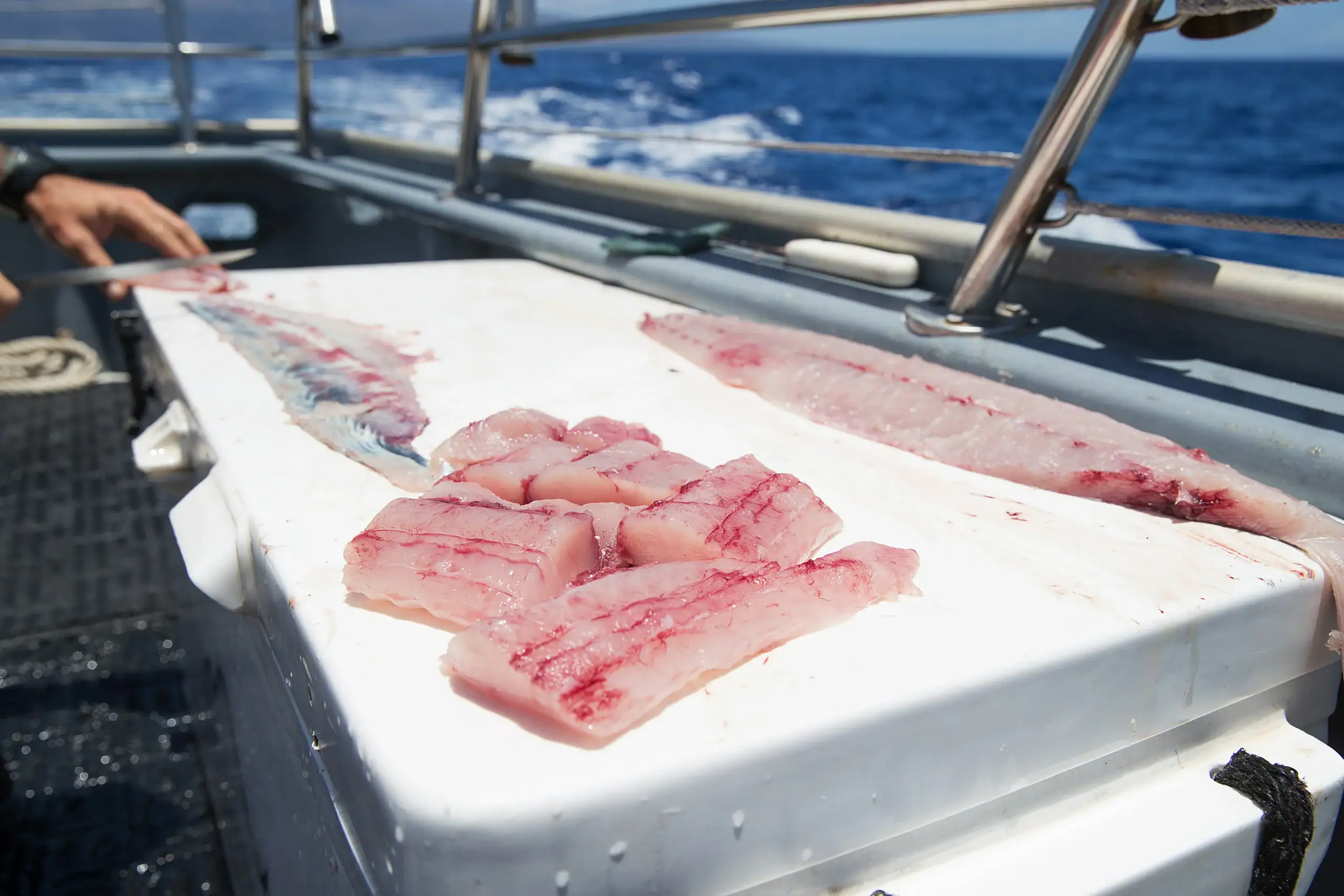
Marine refrigeration services cover your galley refrigerators, freezers, and ice makers—the systems that keep your provisions fresh during extended trips. We handle diagnosis and repair of compressor failures, refrigerant leaks, thermostat issues, and electrical problems. We also install new refrigeration systems or upgrade outdated equipment that’s costing you efficiency.
Boat air conditioning and marine HVAC services include repair, maintenance, and installation of climate control systems that keep your cabin comfortable. Whether you’ve got a single-zone system in a small cruiser or multi-zone AC in a larger yacht, we service all configurations. Common repairs include compressor replacement, fixing refrigerant leaks, cleaning clogged condensers affected by saltwater, and addressing electrical issues that prevent proper operation.
Brookhaven’s boating season runs May through November, and that’s when your cooling systems work hardest. Saltwater accelerates corrosion on marine AC components. Humidity creates condensation that damages electrical connections. Limited airflow in engine rooms causes compressors to overheat. These aren’t problems you face with home HVAC—they require marine-specific solutions.
We also offer preventive maintenance to catch problems before they strand you with a broken system mid-season. A pre-season inspection identifies worn components, cleans salt buildup, checks refrigerant levels, and tests electrical connections. It’s the difference between a reliable system all summer and an emergency repair call in July when every marine tech is booked solid.
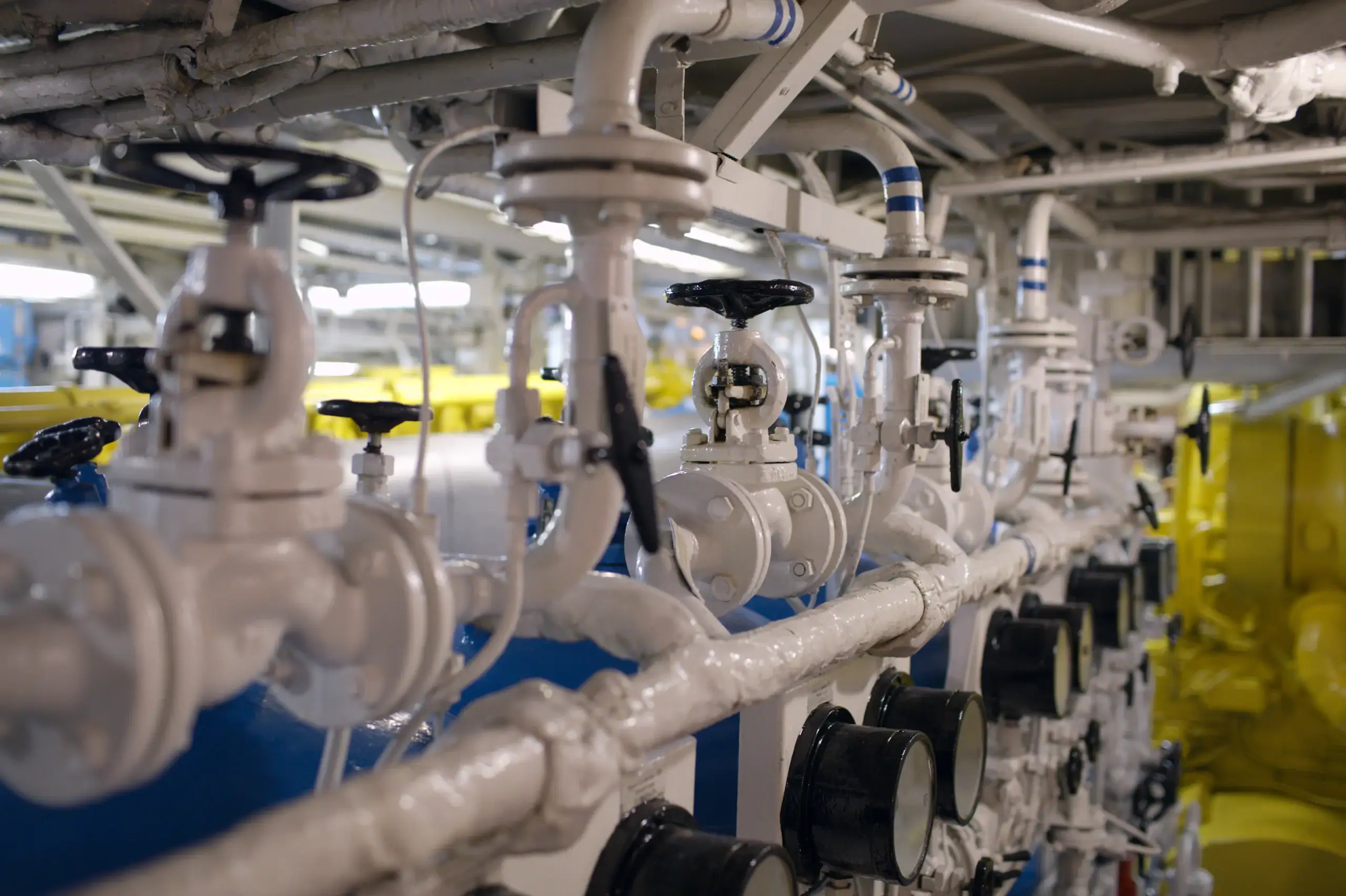
Most diagnostic visits and straightforward repairs take two to four hours at your slip. Simple fixes like replacing a failed thermostat, cleaning a clogged condenser, or repairing an electrical connection usually happen same-day once we’ve diagnosed the issue.
More complex repairs—compressor replacement, refrigerant system overhauls, or addressing multiple failed components—might take a full day or require ordering specific marine-grade parts. We’re upfront about timing during the estimate so you can plan accordingly.
Emergency repairs during peak season get priority scheduling. If your AC fails on a Friday before a planned weekend cruise, we do everything possible to get you back in operation. That’s why we offer 24/7 consulting—so you’re not stuck waiting until Monday when the problem happens Saturday afternoon.
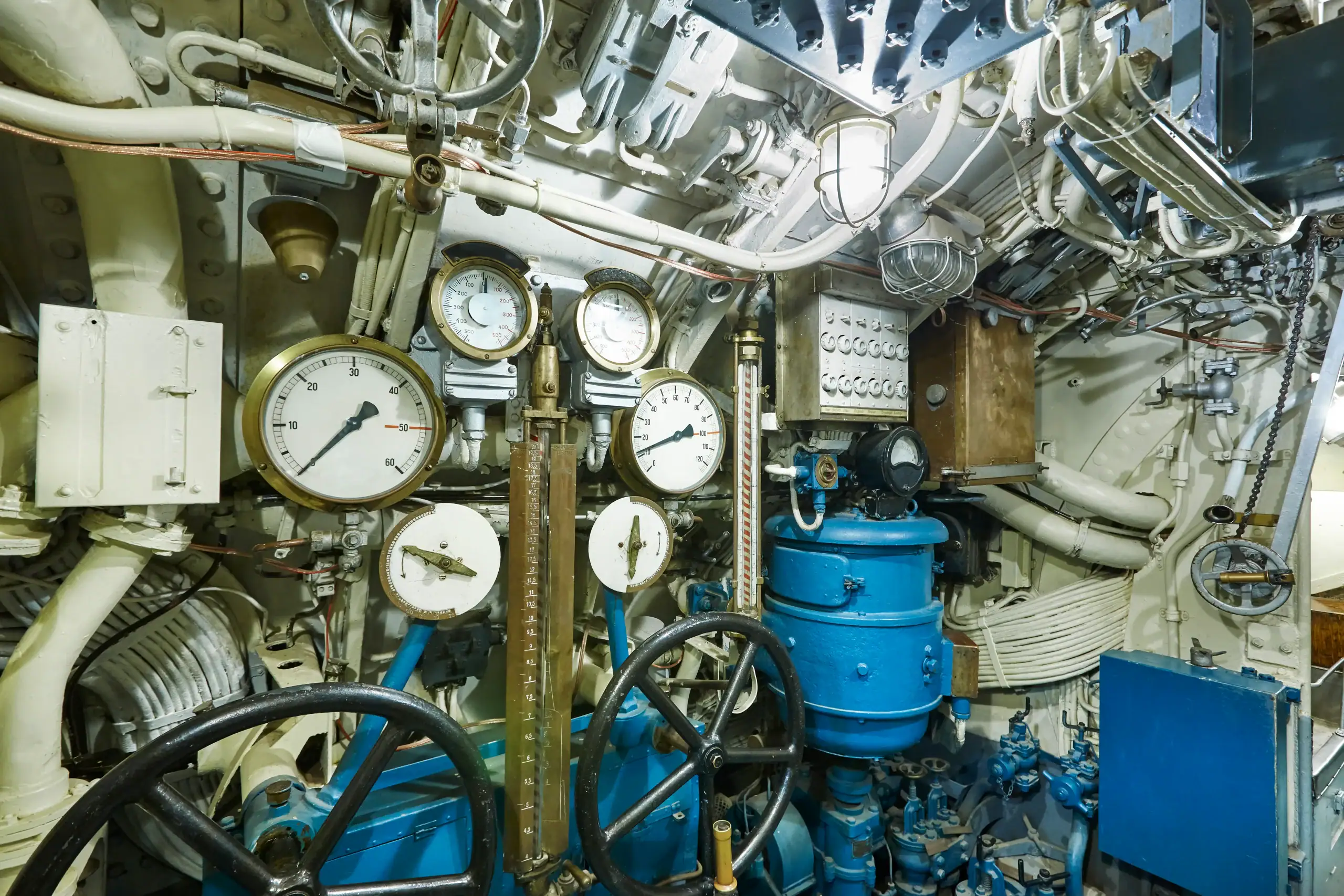
Marine refrigeration systems face challenges that residential or commercial units never encounter. Constant vibration from engine operation and wave action loosens connections and accelerates component wear. Salt air corrodes electrical connections and metal components at a much faster rate than normal environments.
Limited ventilation in boat engine rooms and tight spaces means compressors run hotter and work harder than they would in a well-ventilated building. Marine systems also deal with inconsistent power supply from generators or inverters, which can damage components designed for stable electrical input.
The refrigerant systems themselves are often more compact and use different configurations to fit in the limited space available on boats. Parts aren’t interchangeable with standard units, and repairs require marine-specific knowledge and components. That’s why a general refrigeration tech might struggle with a boat system—the environment and engineering are completely different.
Annual pre-season maintenance is the baseline for most boat owners. Schedule service in April or early May, before the boating season kicks into gear. This inspection catches problems while there’s still time to order parts and complete repairs before you need the system.
If you use your boat year-round or live aboard, consider maintenance every six months. Constant use and exposure to marine environments accelerate wear. More frequent service prevents small issues from becoming expensive failures.
You should also schedule service anytime you notice performance changes. If your AC isn’t cooling as well as it used to, your refrigerator is running constantly, or you hear unusual noises, don’t wait for the annual checkup. Early diagnosis usually means simpler, less expensive repairs. Ignoring symptoms typically leads to complete system failure at the worst possible time—mid-summer when every marine technician is backed up with emergency calls.
Yes. With 40+ years in marine HVAC, we’ve worked on virtually every brand and model of marine air conditioning and refrigeration system. Whether you’ve got Dometic, Cruisair, MarinAire, Frigoboat, or any other manufacturer, we have the experience and technical knowledge to diagnose and repair it.
We also work on custom installations and older systems that other contractors won’t touch. Some marine techs only service newer equipment or specific brands they’re certified for. We understand that boat owners often inherit older systems or have custom setups that require broader expertise.
Having cross-brand experience matters because it means we’re not locked into one manufacturer’s parts or approach. We can recommend the best solution for your specific situation—whether that’s repairing what you have, upgrading components, or replacing the system entirely. You get honest advice based on what makes sense for your boat and budget, not what’s easiest for us to install.
Yes. We provide 24/7 consulting for marine HVAC emergencies. When your system fails, you can reach someone who can help assess the situation and determine the next steps—even if it’s late at night or on a weekend.
For true emergencies during boating season, we prioritize getting a technician to your vessel as quickly as possible. We understand that AC failure in July isn’t just uncomfortable—it can make your boat unusable. Refrigeration failure means losing food and potentially cutting a trip short.
Emergency service does come with premium rates for after-hours calls, but you’ll know the cost upfront before we dispatch a technician. Many situations that feel like emergencies can be temporarily managed with guidance over the phone until regular business hours, which saves you money. We’ll be straight with you about whether immediate service is necessary or if the problem can wait.
Simple repairs—thermostat replacement, cleaning condensers, fixing minor leaks, or electrical connection repairs—typically run a few hundred dollars including labor. These are the common maintenance issues that happen with regular use.
Mid-range repairs like replacing fans, control boards, or addressing refrigerant issues usually cost between $500 and $1,500 depending on parts and labor time. These repairs involve more diagnostic work and specialized components.
Major repairs or replacements—new compressors, complete refrigerant system overhauls, or full unit replacement—can range from $1,500 to $5,000 or more depending on your boat’s size and system complexity. These are significant repairs, but often still more cost-effective than replacing the entire system.
We provide free estimates before starting any work, so you’ll know exactly what you’re paying. We also explain what’s necessary now versus what can wait, helping you make informed decisions about your boat’s systems. The goal is to give you options, not pressure you into unnecessary repairs.