Hear from Our Customers
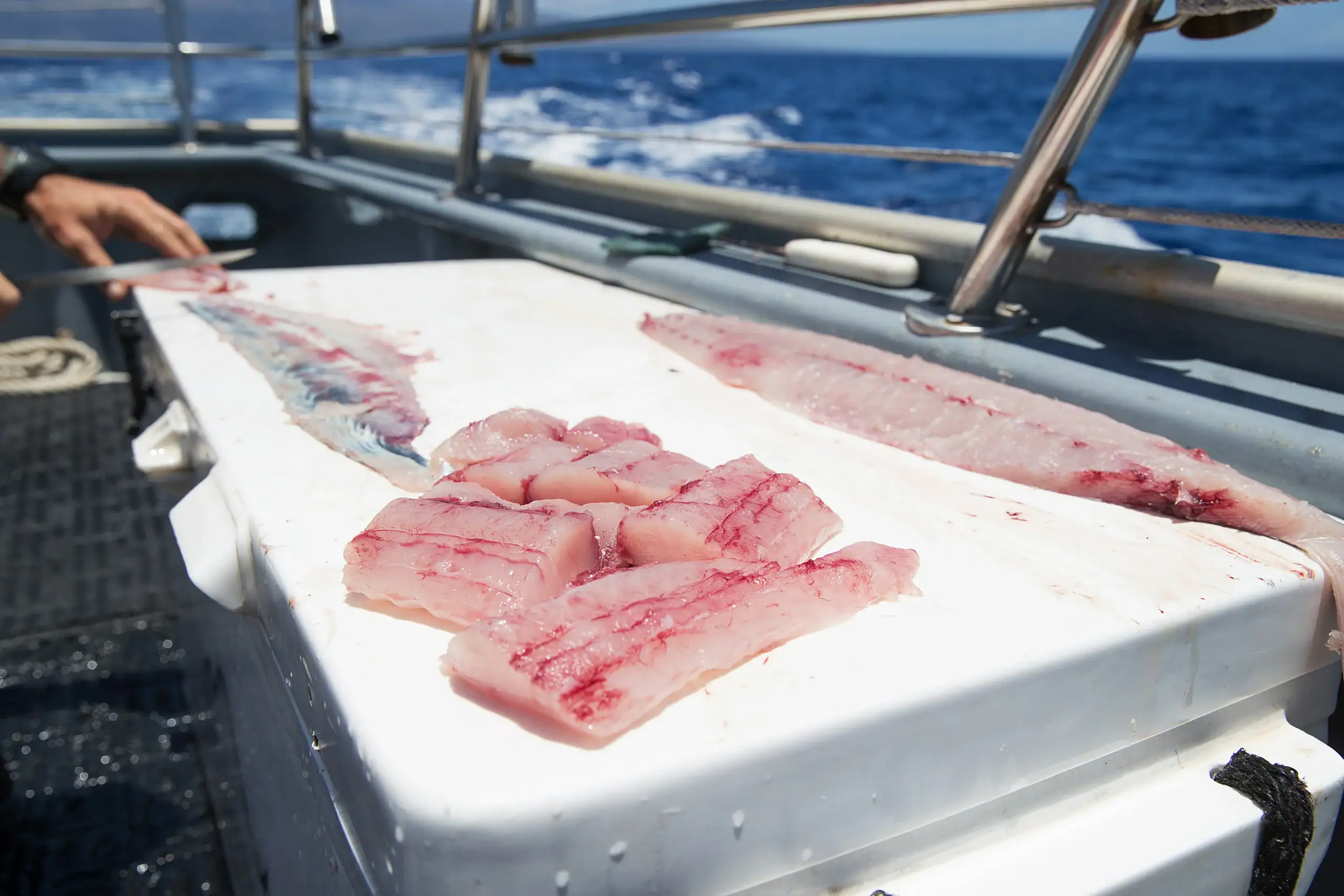
Your boat’s refrigeration system isn’t just about convenience—it’s about safety, food preservation, and enjoying your time on the water without worrying about spoiled provisions or uncomfortable cabins.
Marine refrigeration systems face unique challenges that land-based units never encounter. Salt air corrodes components faster. Space constraints limit airflow. Power limitations demand efficient operation. When these systems fail, you’re not just dealing with warm drinks—you’re looking at spoiled food, uncomfortable crew, and potentially cutting your trip short.
That’s where proper marine refrigeration makes the difference. Systems designed for marine environments, installed by technicians who understand boat electrical systems, and maintained by professionals who know the difference between a residential repair and marine-grade solutions.
Chill Xpert Solutions brings over 40 years of specialized experience to every marine refrigeration project in Centereach and throughout Long Island. While other companies treat boat systems like regular appliances, we understand the unique demands of marine environments.
Our technicians hold EPA 608 refrigerant certifications and have extensive experience with marine electrical systems, space constraints, and the corrosive effects of saltwater exposure. From small cabin refrigerators to complex yacht galley systems, we’ve handled installations and repairs that other companies simply can’t manage.
Long Island’s boating community trusts us because we respond when others have weeks-long backlogs, we carry marine-specific parts in our service vehicles, and we understand that a failed refrigeration system can ruin a planned cruise or fishing trip.
Every marine refrigeration project starts with understanding your specific needs—boat size, power limitations, usage patterns, and space constraints. We don’t use one-size-fits-all solutions because every vessel presents unique challenges.
For emergency repairs, we respond immediately with fully-stocked service vehicles carrying marine-specific parts. Most repairs happen on the first visit because we understand that waiting for parts means lost time on the water. For installations, we assess your electrical system, recommend appropriately-sized equipment, and handle everything from mounting to final testing.
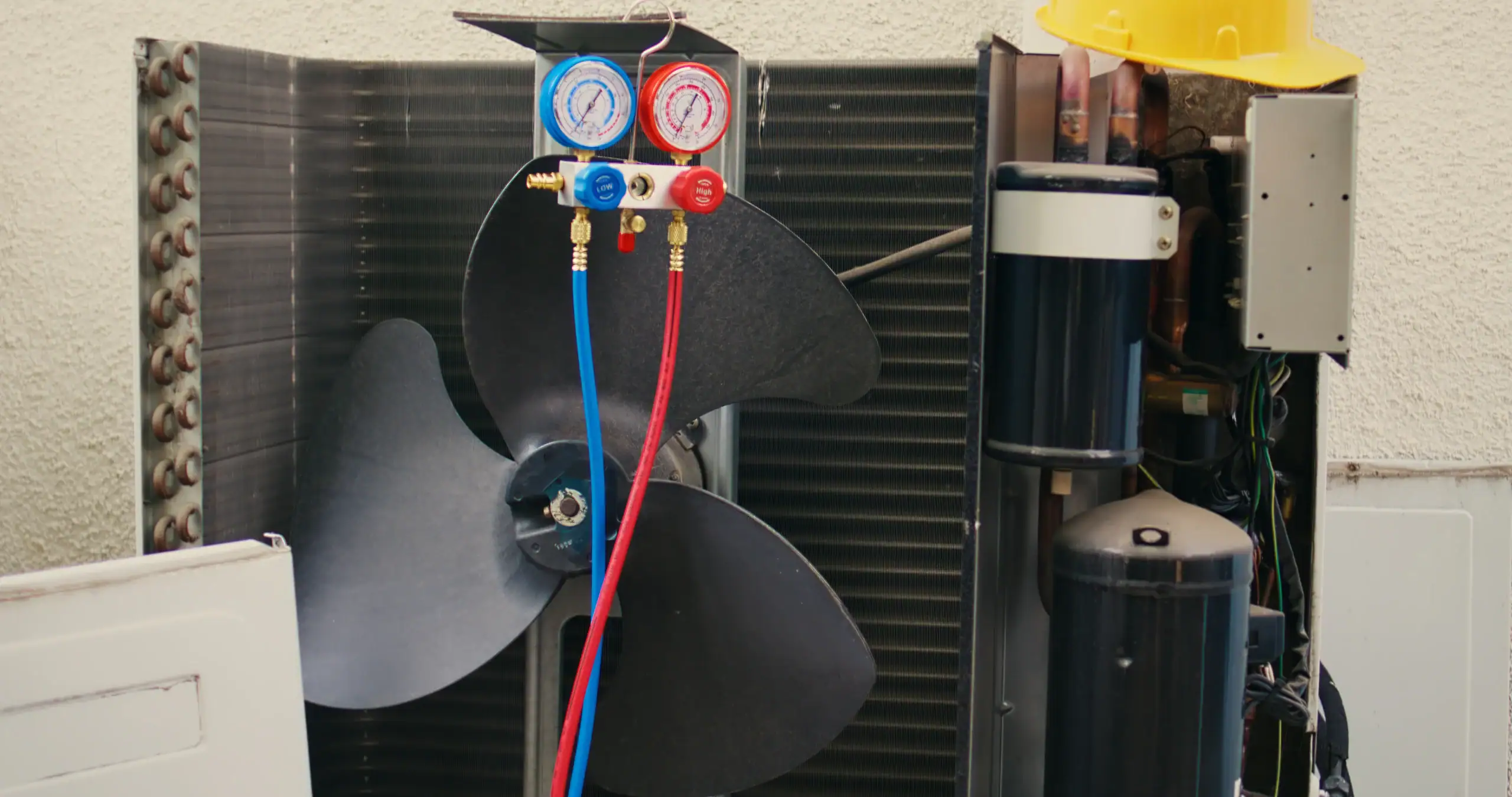
Our maintenance approach focuses on preventing problems before they strand you. Regular service calls include cleaning condenser coils, checking refrigerant levels, inspecting connections for corrosion, and testing system performance under load. We know that preventive maintenance in marine environments isn’t optional—it’s essential for reliable operation.
Ready to get started?
Our marine refrigeration services cover everything from emergency repairs to complete system installations. We work on cabin refrigerators, galley freezers, ice makers, and complex multi-zone systems found on larger vessels.
Centereach’s proximity to Long Island Sound means boats here face constant exposure to salt air and humidity—conditions that accelerate equipment failure if systems aren’t properly maintained. We recommend marine-grade components with enhanced corrosion resistance and regular maintenance schedules that account for these environmental factors.
For boat owners storing vessels locally during winter months, we provide pre-season startup services and off-season maintenance protocols. This ensures your refrigeration system is ready when boating season begins and properly protected during storage months when problems often develop unnoticed.
We provide 24/7 emergency service throughout the Centereach area with typical response times within hours, not days. Our service vehicles stay stocked with common marine refrigeration parts, which means about 70% of emergency calls get resolved on the first visit.
When your boat’s refrigeration fails during a weekend or holiday, every hour counts toward preventing food spoilage and salvaging your planned trip. That’s why we prioritize marine refrigeration emergencies and dispatch the closest available technician immediately. You won’t spend your weekend wondering when help will arrive—we understand that marine refrigeration problems can’t wait for regular business hours.
Marine refrigeration systems operate in environments that would destroy regular household appliances within months. Salt air corrodes components, constant motion affects mounting and connections, and limited power availability requires systems designed for efficient operation under challenging conditions.
Space constraints on boats mean refrigeration units must be compact yet powerful, often requiring custom installation approaches. Marine electrical systems operate on 12V or 24V DC power, completely different from residential 120V AC systems. The refrigerants, compressors, and control systems are specifically designed for marine applications and require technicians trained in both refrigeration and marine electrical systems.
Regular appliance repair technicians lack this specialized knowledge and often create more problems than they solve when working on boat systems. Marine refrigeration requires understanding boat electrical systems, proper grounding techniques, and components designed to withstand constant vibration and salt exposure.
Marine refrigeration systems should receive professional maintenance at least twice per year—once before boating season and once before winter storage. Boats used frequently or in particularly harsh saltwater environments may benefit from quarterly service visits.
Regular maintenance includes cleaning condenser coils (which get dirty faster in marine environments), checking refrigerant levels, inspecting electrical connections for corrosion, testing temperature controls, and examining door seals for proper operation. The salt air around Long Island accelerates component degradation, making preventive maintenance critical for avoiding expensive emergency repairs.
Between professional service visits, you should monitor temperatures daily, keep interior surfaces clean, and ensure door seals close properly. Most importantly, run your refrigeration system periodically during storage months—systems that sit unused often develop problems that become apparent only when you need them most.
Yes, our certified technicians work on all major marine refrigeration brands including Vitrifrigo, Norcold, Tundra, Grunert, and other marine-specific manufacturers. We also service marine adaptations of commercial brands commonly found on larger vessels.
Our service vehicles carry extensive parts inventory for the most common marine refrigeration systems, which allows us to complete most repairs on the first visit. For specialized or older systems requiring specific parts, we maintain relationships with marine equipment suppliers throughout the region to minimize downtime.
What sets us apart is our experience with both the refrigeration side and marine electrical systems. Many repair companies understand one aspect but not the other, leading to incomplete repairs or recurring problems. Our technicians are trained in both disciplines, ensuring your system operates reliably in the marine environment.
Absolutely. We handle complete marine refrigeration installations from system selection through final testing and commissioning. Every installation begins with assessing your boat’s electrical capacity, available space, and specific cooling requirements.
We recommend appropriately-sized systems that match your power limitations and usage patterns. Oversized systems waste power and cycle inefficiently, while undersized units run constantly and fail prematurely. Our experience with various boat types and layouts helps ensure optimal system selection and placement.
Installation includes proper mounting to withstand marine conditions, electrical connections that meet marine standards, and thorough testing under load conditions. We also provide operation training so you understand your new system’s capabilities and maintenance requirements. All installations include warranty coverage and follow-up service to ensure long-term satisfaction.
First, check that the system is receiving power and that circuit breakers haven’t tripped. Verify that door seals are closing properly and haven’t been left open. If the compressor is running but not cooling, shut off the system to prevent damage from low refrigerant or other issues.
Move your most temperature-sensitive items to backup cooling if available, or consider using ice as a temporary measure. Don’t attempt to repair refrigeration systems yourself—marine systems operate under pressure and require proper tools and training to service safely.
Call our emergency line immediately. When you contact us, we can walk you through additional troubleshooting steps while dispatching a technician to your location. Our emergency service includes temporary cooling solutions when needed, so you can protect your provisions while we complete permanent repairs. Many emergency calls can be resolved the same day, getting you back to enjoying your time on the water.