Hear from Our Customers
You stop thinking about your HVAC. That’s the goal.
No more rooms that are ten degrees colder than the rest of the house. No more middle-of-the-night panic when the furnace quits in January. No more energy bills that make you wince every month.
When your air conditioning repair is handled correctly, your system runs quieter and keeps every room at the temperature you set. When your furnace installation is done by someone who knows what they’re doing, you get consistent heat without the constant service calls. And when heating system maintenance is part of your routine, breakdowns become rare instead of expected.
You’re not just paying for equipment. You’re buying back your time, your comfort, and your peace of mind. That’s what working HVAC actually delivers.
We’ve been handling complex HVAC and refrigeration work for over 40 years. We’ve built our reputation on marine HVAC systems and commercial refrigeration—the kind of work that requires precision, problem-solving, and zero room for error.
That same expertise applies to your home. Whether it’s an HVAC replacement, indoor air quality upgrades, or emergency repairs, we bring the same level of skill to residential projects that we’ve used in airports, restaurants, and marine vessels across the Greater New York area.
We’re available 24/7 because we know systems don’t fail on your schedule. We offer free estimates because you deserve to know what you’re paying for before you commit. And we’ve earned dozens of five-star reviews from Centereach and Long Island homeowners who needed real solutions, not sales pitches.
First, we listen. You tell us what’s going on—no heat, uneven cooling, high energy bills, strange noises—and we ask the right questions to understand the full picture.
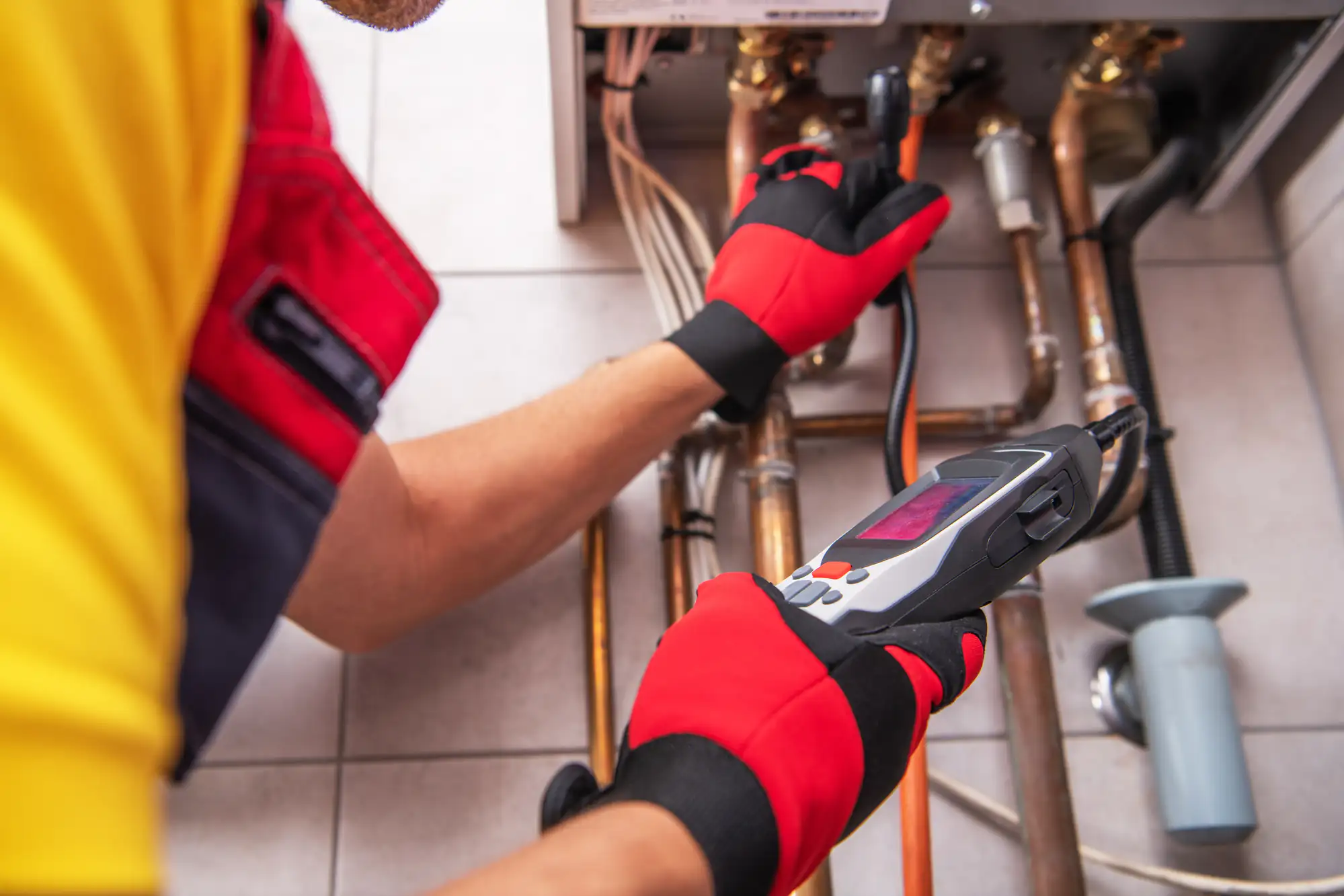
Then we come out and assess the situation. We don’t guess. We test, inspect, and diagnose the actual problem, not just the symptoms. If it’s a quick fix, we tell you. If you need a full HVAC replacement, we explain why and give you options that fit your home and budget.
Once you approve the work, we handle it. Installation, repair, maintenance—whatever it takes. We communicate throughout the process so you’re never left wondering what’s happening. And when we’re done, we test everything to make sure it works the way it should.
You get a system that performs, a clear explanation of what we did, and someone you can call if anything comes up later. No surprises. No runaround.
Ready to get started?
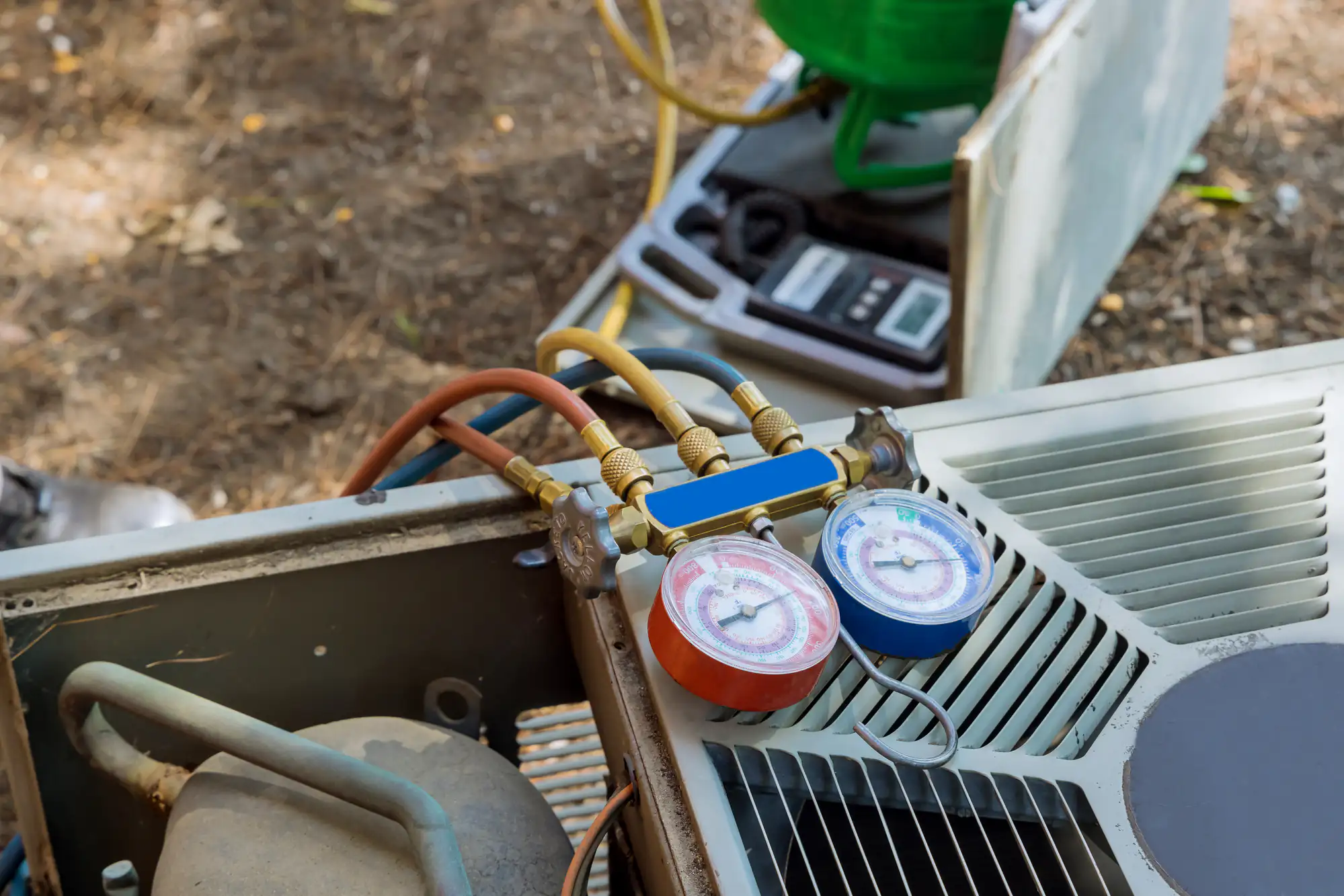
We handle air conditioning repair when your AC stops cooling or starts leaking. We do furnace installation and replacement when your heating system is beyond its useful life or can’t keep up with Long Island’s cold winters. We perform heating system maintenance to catch small problems before they turn into expensive emergencies.
If you’re dealing with uneven temperatures, poor airflow, or rooms that never feel comfortable, we address ductwork issues and system balancing. If your energy bills keep climbing, we evaluate your system’s efficiency and recommend upgrades that actually pay for themselves.
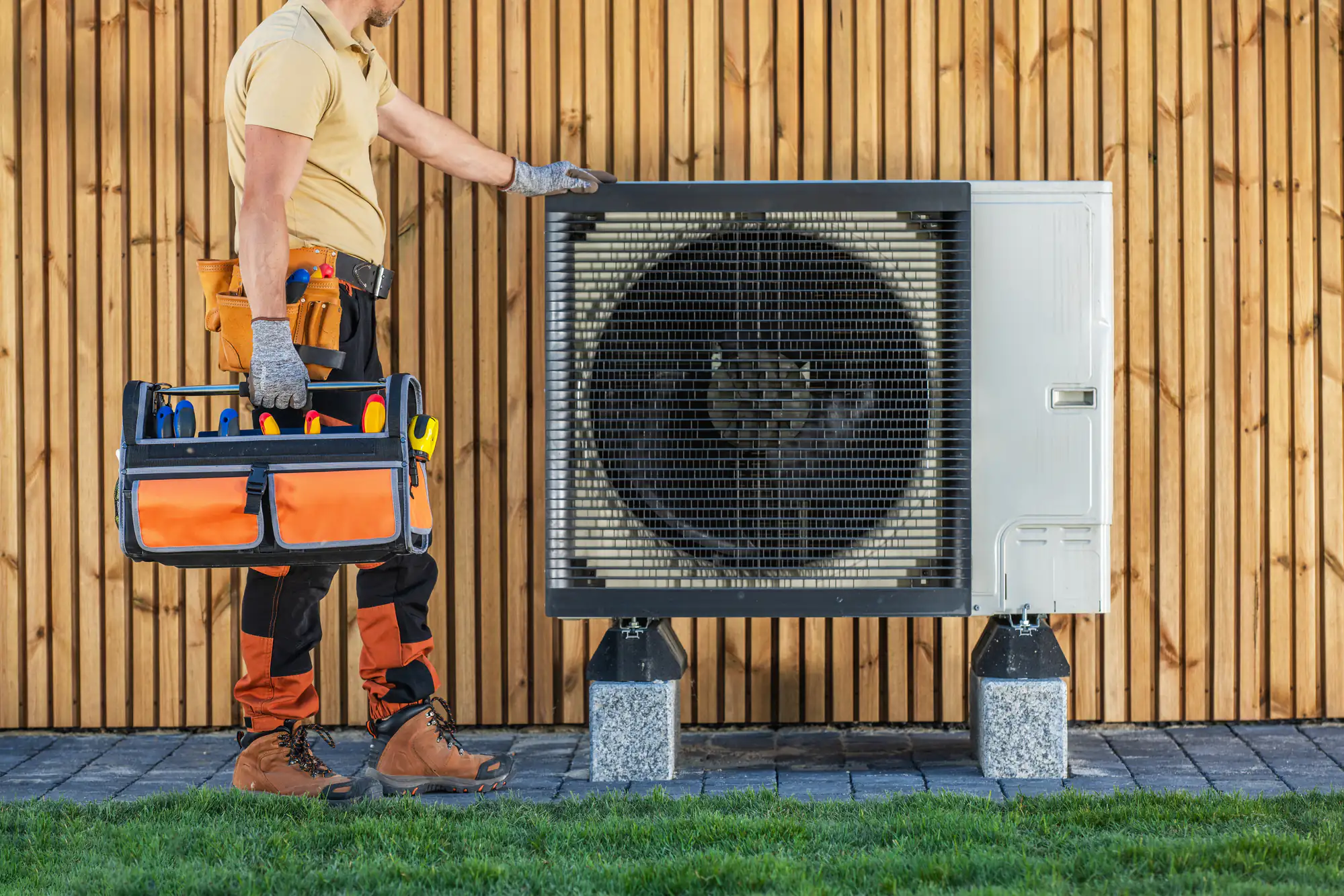
Indoor air quality matters more than most people realize. We install and service air purifiers, humidifiers, and filtration systems that reduce allergens, control humidity, and make your home healthier to live in. And if you’re considering a heat pump or ductless mini-split system, we’ll walk you through whether it makes sense for your home.
Centereach homeowners deal with humid summers and freezing winters. Your HVAC system needs to handle both extremes without breaking down. We make sure it does.
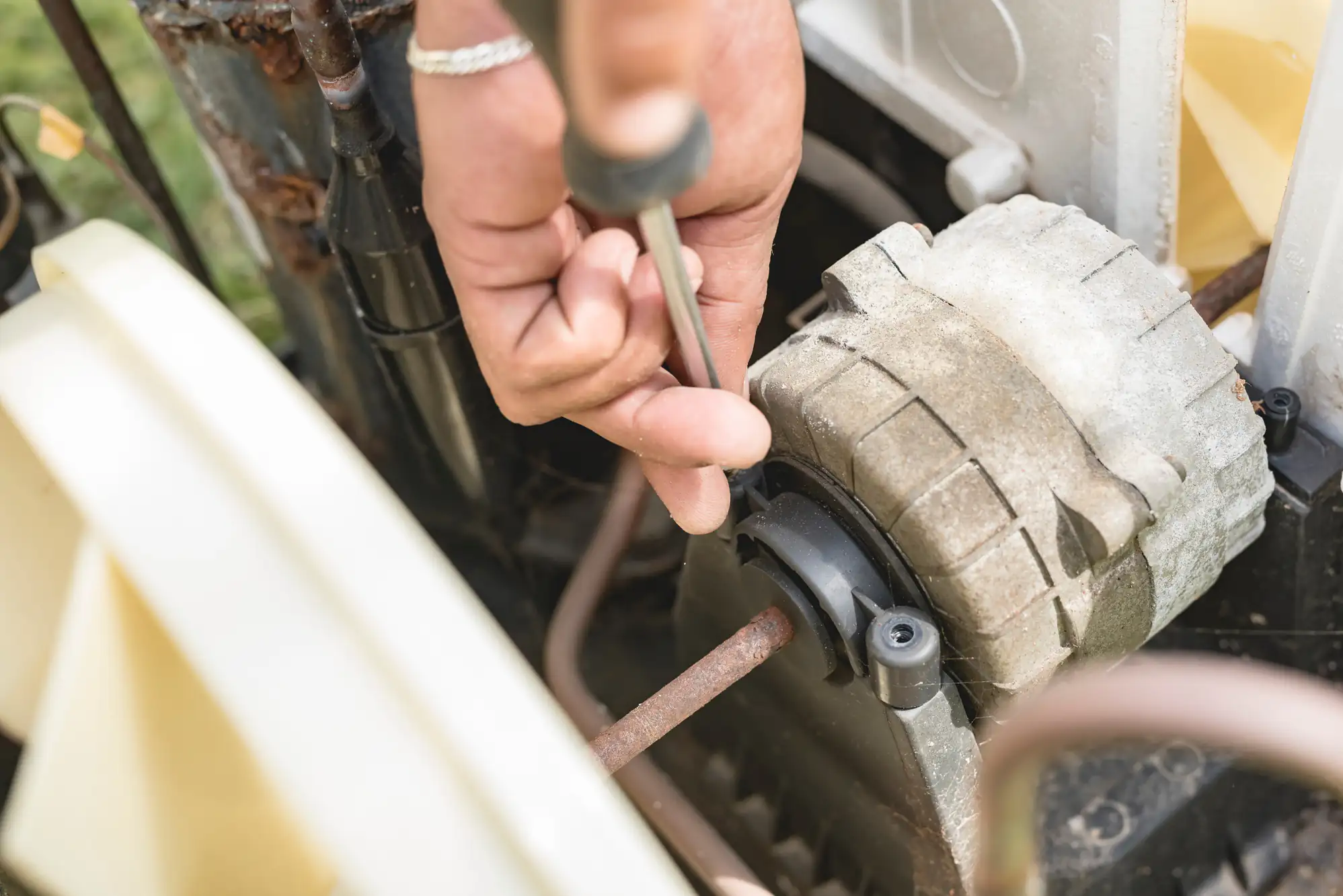
Twice a year is the standard—once before heating season and once before cooling season. That means getting your furnace or heating system checked in the fall and your air conditioning serviced in the spring.
Long Island winters push your heating hard, and summers do the same to your AC. Regular maintenance catches worn parts, dirty filters, and efficiency problems before they cause breakdowns. It also keeps your system running at peak performance, which lowers your energy bills.
If you skip maintenance, small issues turn into big ones. A dirty flame sensor can shut down your furnace in January. A refrigerant leak can leave you without AC during a July heat wave. Maintenance prevents that.
Most residential HVAC systems last 15 to 20 years with proper maintenance. If your system is approaching that age and you’re dealing with frequent repairs, rising energy costs, or uneven heating and cooling, replacement starts making more sense than another repair.
Here’s the reality: older systems use outdated technology and refrigerants. New systems are significantly more energy efficient, which means lower monthly bills. If your current system uses R-22 refrigerant, replacement parts are expensive and getting harder to find because of EPA regulations phasing it out.
We don’t push replacements unless they make financial sense. But if you’re spending hundreds on repairs every year for a 15-year-old furnace, a new system pays for itself faster than you’d think. We’ll give you the honest numbers so you can decide.
Uneven temperatures usually come down to ductwork, insulation, or system balancing. If your ducts are poorly designed or leaking, conditioned air never makes it to certain rooms. If your insulation is inadequate, heat escapes in winter and seeps in during summer.
Sometimes it’s a matter of airflow balance. Your HVAC system might be sized correctly overall, but the dampers or vents aren’t adjusted properly to distribute air evenly. Other times, it’s a zoning issue—your system is trying to heat or cool your entire home to one temperature, but different areas have different needs.
We assess the whole picture: ductwork condition, insulation levels, system capacity, and airflow distribution. Then we fix what’s actually causing the problem. Sometimes it’s a simple adjustment. Other times it requires duct sealing, insulation upgrades, or adding a zoning system. Either way, you stop living with rooms you avoid because they’re uncomfortable.
First, check your thermostat. Make sure it’s set to heat, the temperature is set higher than the current room temperature, and the batteries aren’t dead. Then check your circuit breaker to see if it tripped. Also, look at your furnace filter—if it’s completely clogged, your system might have shut down to protect itself.
If those basics don’t solve it, call us. We offer 24/7 emergency HVAC repair because we know furnace failures don’t wait for business hours. When it’s 20 degrees outside and you have no heat, you need someone who answers the phone and shows up fast.
Common causes include ignition problems, flame sensor issues, blower motor failures, or thermostat malfunctions. We diagnose the problem quickly and fix it right the first time. Don’t wait until morning if your heat is out—frozen pipes and unsafe indoor temperatures can happen faster than you think.
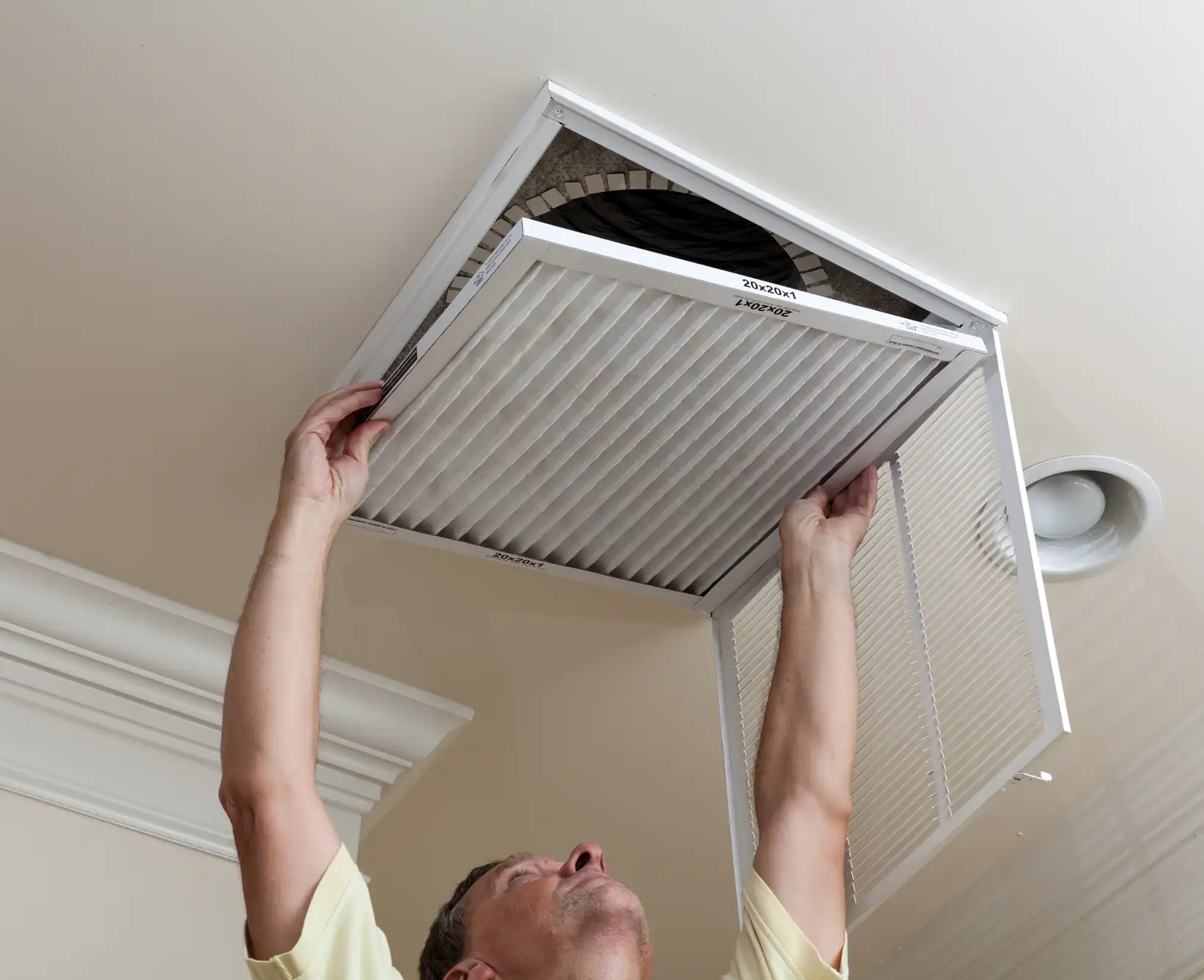
Start with your HVAC system’s air filter. Most homes use cheap fiberglass filters that barely capture anything. Upgrading to a high-efficiency pleated filter or a HEPA filter removes more dust, pollen, and allergens from your air. Change it every one to three months depending on usage.
Beyond filters, consider adding an air purifier or whole-home filtration system. These work with your HVAC to remove particles, bacteria, and odors that standard filters miss. If your home feels too dry in winter or too humid in summer, a whole-home humidifier or dehumidifier keeps moisture levels in the healthy range.
Duct cleaning also helps if your ducts are full of dust and debris. And proper ventilation matters—if your home is sealed tight for energy efficiency, you need controlled ventilation to bring in fresh air without wasting energy. We evaluate your specific situation and recommend solutions that actually make a difference, not just add-ons that sound good but don’t help.
If your current system is over ten years old, the answer is usually yes. Modern HVAC systems are drastically more efficient than older models. A new high-efficiency furnace or air conditioner can cut your energy bills by 20% to 40%, depending on what you’re replacing.
New systems also come with better technology: variable-speed blowers that adjust airflow for consistent comfort, smart thermostats that learn your schedule and optimize performance, and quieter operation overall. Plus, if you’re still running a system that uses R-22 refrigerant, you’re facing expensive repairs and limited parts availability because of EPA phase-outs.
The upfront cost matters, but so does the long-term payoff. Lower energy bills, fewer repairs, better comfort, and improved home value all add up. We’ll calculate your potential savings based on your current system and usage so you can see the real return on investment. If the numbers make sense, we’ll help you choose the right system. If they don’t, we’ll tell you that too.