Hear from Our Customers
You’re dealing with a boat air conditioning system that blows warm air when you need it most. Or a marine refrigerator that runs constantly but can’t keep anything cold. Maybe your batteries drain before you even leave the dock because your HVAC system is pulling too many amps. These aren’t minor inconveniences—they’re problems that turn your boat into a project instead of something you enjoy.
Marine refrigeration fails for reasons that don’t exist on land. Salt air corrodes components faster than you’d think. Vibration from constant motion loosens connections and stresses parts. Limited DC power means inefficient systems don’t just waste electricity—they drain your batteries and limit how long you can cruise. Your condenser takes a beating from seawater that would never touch a residential unit.
When your boat HVAC works properly, you stop thinking about it. Your cabin stays comfortable even when it’s brutal outside. Your refrigerator keeps provisions fresh for days. Your batteries last because the system runs efficiently. You spend weekends on the water instead of on the phone with repair companies. That’s what proper marine refrigeration service delivers—systems that actually work so you can use your boat the way you intended.
We’ve spent over 40 years working exclusively on marine HVAC and commercial refrigeration systems throughout the Greater New York area. Not general HVAC adapted for boats—actual marine-specific expertise developed over four decades of solving the exact problems Deer Park boat owners face.
We handle straightforward repairs and complex custom installations that other companies won’t touch. Beer systems for commercial vessels. Custom cooling solutions that require fabrication and engineering. Emergency repairs when your system fails at the worst possible time. We’re available 24/7 for consulting because marine problems don’t wait for business hours, and we offer free estimates because transparency matters more than surprise bills.
Long Island’s marine environment is particularly hard on boat refrigeration and AC systems. Salt air from the surrounding waters. Temperature swings between seasons. Limited shore power at many marinas. We understand these conditions because we’ve worked in them for decades. Dozens of five-star reviews confirm what we deliver—reliable service from people who know what they’re doing.
You start with a real conversation about what’s happening with your boat refrigeration or marine air conditioning. Not a sales pitch—an actual discussion about symptoms, how long it’s been failing, and what you’ve already tried. This identifies whether you’re dealing with something straightforward like clogged sea strainers or something complex like compressor failure or refrigerant contamination.
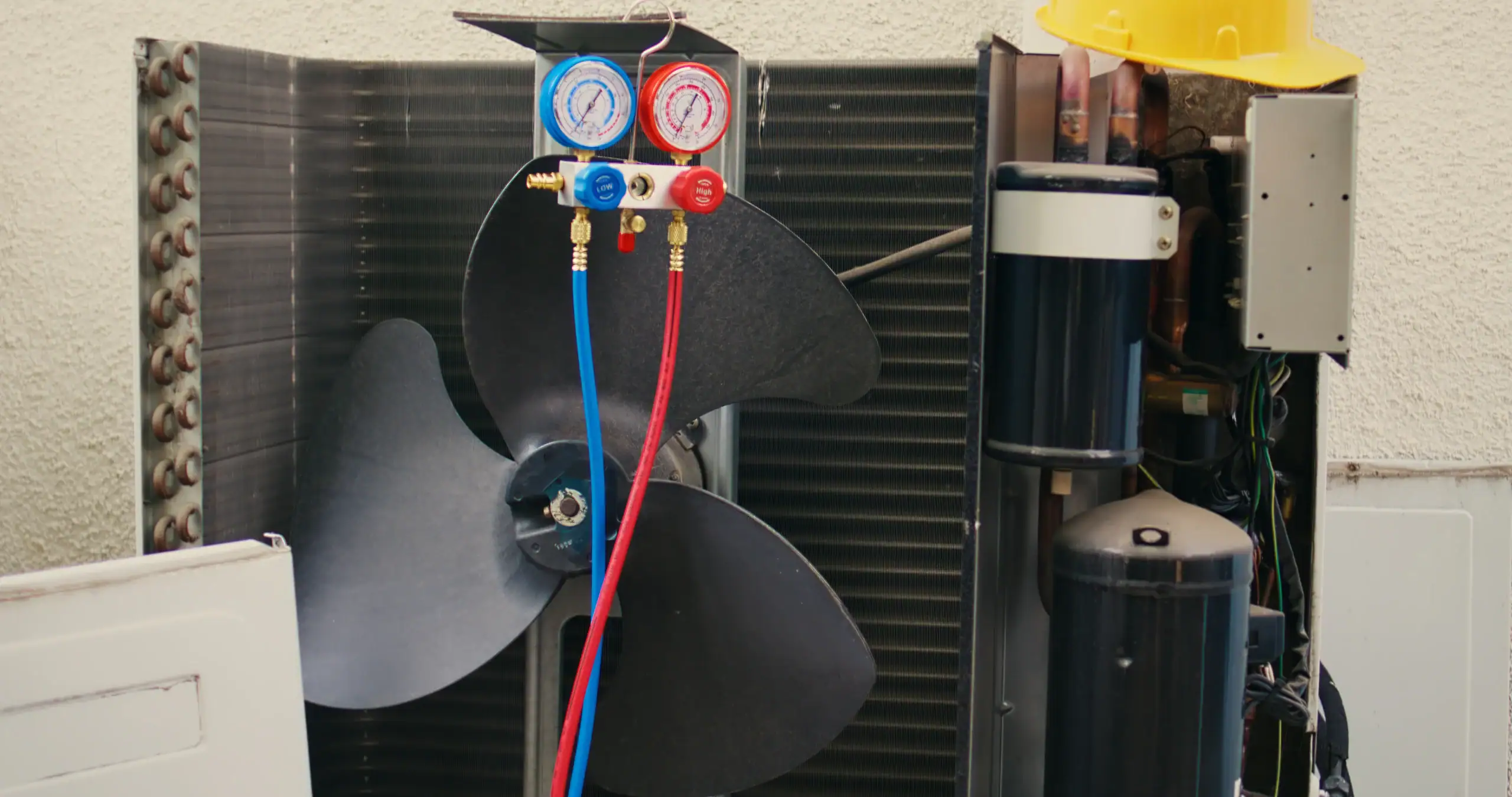
The inspection covers components that matter for marine systems. Condenser coils get checked for salt buildup and marine growth. Door seals get tested because even small gaps let warm air in constantly. Water flow through cooling systems gets verified. Power consumption gets measured because a system that works but kills your batteries isn’t really working. We’re looking at how your specific system operates in your specific boat under actual conditions.
Then you get clear information and a free estimate. What’s wrong, what it takes to fix it, and exactly what it costs. No technical jargon you need a manual to decode. No upselling services you don’t need. If your marine HVAC needs repair, we handle it with marine-grade components. If you need new installation or an efficiency upgrade, we explain options that actually fit your vessel and how you use it.
After the work, your boat refrigeration or AC does what it should. Your cabin cools down when you turn the system on. Food stays cold without the compressor running constantly. The system operates efficiently without draining batteries. And when something comes up later—because things do come up with marine systems—you’ve got a team with 40 years of experience who actually answers the phone.
Ready to get started?
Marine refrigeration maintenance prevents failures, not just fixes them after they happen. Salt air corrodes electrical connections. Seawater clogs condensers with marine growth. Vibration loosens fittings. Door seals deteriorate from constant humidity. These problems develop gradually, then cause sudden failures when you’re depending on the system. Regular maintenance catches them early when they’re easy to fix.
For boats in Deer Park and throughout Long Island, this means having someone who understands marine systems check your condenser coils for buildup, inspect sea strainers for clogs, test door seals for proper closure, and verify system pressures. It means confirming your compressor isn’t working harder than necessary because of dirty coils or restricted water flow. It means checking electrical connections that vibration can loosen over time. These checks extend equipment life and prevent expensive emergency repairs.
Long Island’s marine environment accelerates wear. The combination of salt air, humidity, and temperature swings means your boat HVAC faces more stress in one season than residential systems see in years. Proper refrigeration services account for this with anti-corrosion treatments, chemical flushing of water-cooled condensers, and inspections focused on marine-specific failure points. Generic HVAC maintenance doesn’t address these issues because residential technicians don’t encounter them.
When you work with marine refrigeration specialists, you get service that actually addresses what your boat needs. Not residential HVAC knowledge applied to marine equipment—actual marine-focused expertise from technicians who’ve spent decades working on vessels. That’s the difference between a system that lasts and one that fails prematurely, leaving you stuck with spoiled provisions and no air conditioning.
Three problems cause this more than anything else. Failed door seals let warm air in constantly, forcing your system to run nonstop trying to compensate. Test your seals by closing the door on a dollar bill—if you can pull it out easily anywhere around the door, the seal isn’t tight enough and needs adjustment or replacement.
Clogged condenser coils prevent heat rejection. When salt buildup or marine growth blocks your condenser, heat can’t escape efficiently and your compressor runs constantly trying to cool. This is especially common on Long Island boats because salt air accelerates buildup. The condenser needs cleaning or chemical flushing to restore proper heat transfer.
The third issue is improper system sizing or poor insulation. If your marine refrigeration was undersized from the start or the box wasn’t insulated properly during installation, it never had enough capacity to maintain temperature efficiently. Undersized systems run constantly and still struggle. Poor insulation lets cold air escape as fast as the system produces it.
The fix depends on diagnosis. Sometimes it’s replacing seals or cleaning the condenser. Other times it requires addressing installation problems or upgrading to properly sized equipment. A technician with actual marine refrigeration experience can identify which problem you’re facing and fix it correctly instead of guessing.
Every three months if you’re using your boat regularly. Marine AC systems need more frequent service than residential HVAC because they operate in harsher conditions. Salt air corrodes faster. Constant motion stresses components. Seawater fouls condensers. Temperature extremes and limited power create problems that don’t exist in home systems.
Service should include cleaning sea strainers, inspecting condensers for corrosion and buildup, checking refrigerant levels and system pressures, testing compressor operation, and verifying water flow through the cooling system. We also examine electrical connections that vibration loosens and check evaporator coils for debris. This preventive work identifies small issues before they become failures that leave you without cooling.
If your boat sits unused for months, you still need service before the season starts. Systems that sit idle develop problems—seals dry out and crack, condensers corrode, stagnant water breeds growth, and components can seize. A pre-season check ensures everything works before you’re depending on it miles from shore.
Regular maintenance costs significantly less than emergency repairs or premature system replacement. More importantly, it prevents the kind of failure that ruins trips—your boat AC quitting in the middle of summer or your marine refrigeration failing with provisions onboard. Three months between services keeps systems reliable.
Marine refrigeration operates in conditions that would destroy residential systems within months. Your boat’s cooling system functions while constantly moving, exposed to salt air that corrodes everything, running on limited DC battery power instead of unlimited AC power, and using water-cooled condensers that residential units never have. These differences require completely different expertise.
General refrigeration technicians understand compressors and refrigerant, but they don’t know how to properly flush water-cooled condensers, troubleshoot through-hull fittings, or diagnose excessive battery drain. They won’t understand that marine systems must balance cooling capacity with amp draw because you’re operating on limited electrical resources. They won’t know that condenser units need annual chemical flushing to handle seawater corrosion or that vibration loosens connections in ways that never happen in buildings.
Marine refrigeration also involves different system types—direct expansion systems, secondary coolant systems, and integration with your boat’s existing power and water infrastructure. Installation is more complex because everything must withstand constant motion and vibration while remaining accessible for service in cramped spaces. Components need to be marine-grade to survive the environment.
When you hire someone with actual marine refrigeration experience, we understand these challenges from working with them daily. We know what fails first in marine environments, how to prevent those failures, and how to fix problems correctly using appropriate marine components. That expertise keeps your system working reliably instead of repeatedly failing because someone without marine knowledge is guessing.
Yes, and if your system is over 10 years old, upgrading usually makes financial sense. Modern marine air conditioning units are dramatically more efficient than older models—they deliver better cooling while consuming less power, which matters tremendously when you’re running on batteries. Newer systems are also more reliable, quieter, and easier to service when problems do occur.
Upgrading involves assessing your current installation, determining proper system sizing for your boat’s actual needs, and planning installation to minimize modifications. We can often retrofit new equipment into the same footprint as your old system, avoiding expensive changes to your boat’s interior. We’ll also evaluate your electrical system to confirm it can handle the new unit and recommend any necessary upgrades to wiring or power supply.
Consider factors like BTU capacity for your cabin size, power consumption relative to your battery bank, whether you need heating capability, and how the system integrates with existing infrastructure. Proper sizing makes enormous difference—undersized units run constantly and drain batteries while struggling to cool; oversized units short-cycle and fail prematurely from improper operation.
The investment in modern, efficient marine AC typically pays for itself through reduced power consumption and fewer repairs. More importantly, you get reliable cooling that actually works when you need it. We can evaluate your specific situation, recommend appropriate equipment for your vessel and usage, and handle installation correctly the first time.
HPF errors happen when your system can’t reject heat properly, causing pressure buildup that triggers the safety cutoff. This protects your compressor from damage, but it means your boat air conditioning stops working until you fix the underlying cause. Water flow problems and air flow restrictions cause most HPF errors.
Check water flow through your condenser first. Clogged sea strainers are the most common culprit—marine growth, debris, or sediment blocks water flow and prevents heat rejection. Verify your water pump is actually pumping and check for restrictions in water lines. Sometimes it’s as simple as a closed seacock that someone forgot to open or a pump that failed without obvious symptoms.
Air flow restrictions also trigger HPF errors. Dirty air filters and clogged evaporator coils prevent proper heat transfer. If air can’t move freely across the coils, heat doesn’t dissipate efficiently and pressure rises. Check and clean filters regularly, especially during heavy use periods. Inspect evaporator coils for dust and debris buildup that blocks air flow.
If you’ve verified water flow and air flow and the problem persists, you might be dealing with low refrigerant from a leak, refrigerant contamination from seawater intrusion, or a failing compressor. These require professional diagnosis with proper testing equipment. We can measure system pressures, check refrigerant levels and quality, and determine whether you need repair or component replacement. Don’t ignore HPF errors—running a system with high pressure causes expensive compressor damage.
Cost depends on what you’re installing, your boat’s existing setup, and job complexity. A basic self-contained marine refrigerator unit might run several thousand dollars installed. A complete marine air conditioning system for a larger vessel costs more. Custom installations, boats requiring significant electrical modifications, or complex integration with existing systems increase the price further.
The cost includes more than equipment. You’re paying for proper system sizing so it actually works efficiently, professional installation that accounts for marine-specific requirements like vibration and corrosion, electrical work to ensure adequate power supply without overloading your system, integration with your boat’s water systems if applicable, and thorough testing to verify everything operates correctly under actual conditions.
Get a detailed estimate before any work starts. We assess your boat, discuss how you use it and what you need, recommend appropriate equipment for your situation, and provide clear cost breakdown. We explain what’s included and why specific components or approaches are necessary. This prevents surprise charges and ensures you understand what you’re getting.
The cheapest option rarely delivers the best value. Properly installed marine refrigeration lasts longer, runs more efficiently, requires fewer repairs, and performs reliably when you need it. You’re investing in systems that let you actually use your boat instead of constantly dealing with cooling failures. We offer free estimates so you know exactly what you’re looking at before making decisions about your vessel.