Hear from Our Customers
You’re not looking for another contractor who shows up late and guesses at the problem. You need someone who understands why your air conditioner struggles in July humidity, why your furnace fights through February cold snaps, and what actually fixes it.
When your HVAC system works right, your energy bills drop. Most homes waste 20-50% of their heating and cooling costs on inefficient equipment or systems that weren’t installed correctly in the first place. That’s real money every month.
You also stop dealing with emergency breakdowns at the worst possible times. A well-maintained system with quality installation doesn’t quit on you during a polar vortex or a summer heat wave. And when something does go wrong, you’re working with people who’ve seen it before and know exactly how to fix it.
Indoor air quality improves too. Long Island’s coastal environment brings pollen, humidity, and salt air into your home. The right filtration and dehumidification setup makes a noticeable difference in how your family breathes and sleeps.
We’ve spent over 40 years working on commercial refrigeration and marine HVAC systems. That means airports, restaurants, catering halls, and boats where failure isn’t an option and conditions are brutal.
If we can keep a marine air conditioning system running in salt water environments, we can absolutely handle a residential furnace installation in Deer Park. The technical knowledge required for commercial work translates directly into better residential service.
You’re getting technicians who’ve diagnosed complex systems under pressure, who understand how coastal air affects metal components, and who don’t need to guess when your heating system stops working in January. That experience matters when it’s 15 degrees outside and your furnace won’t fire up.
You call or contact us about your heating, cooling, or air quality issue. We schedule a time that actually works for you, and we show up when we say we will.
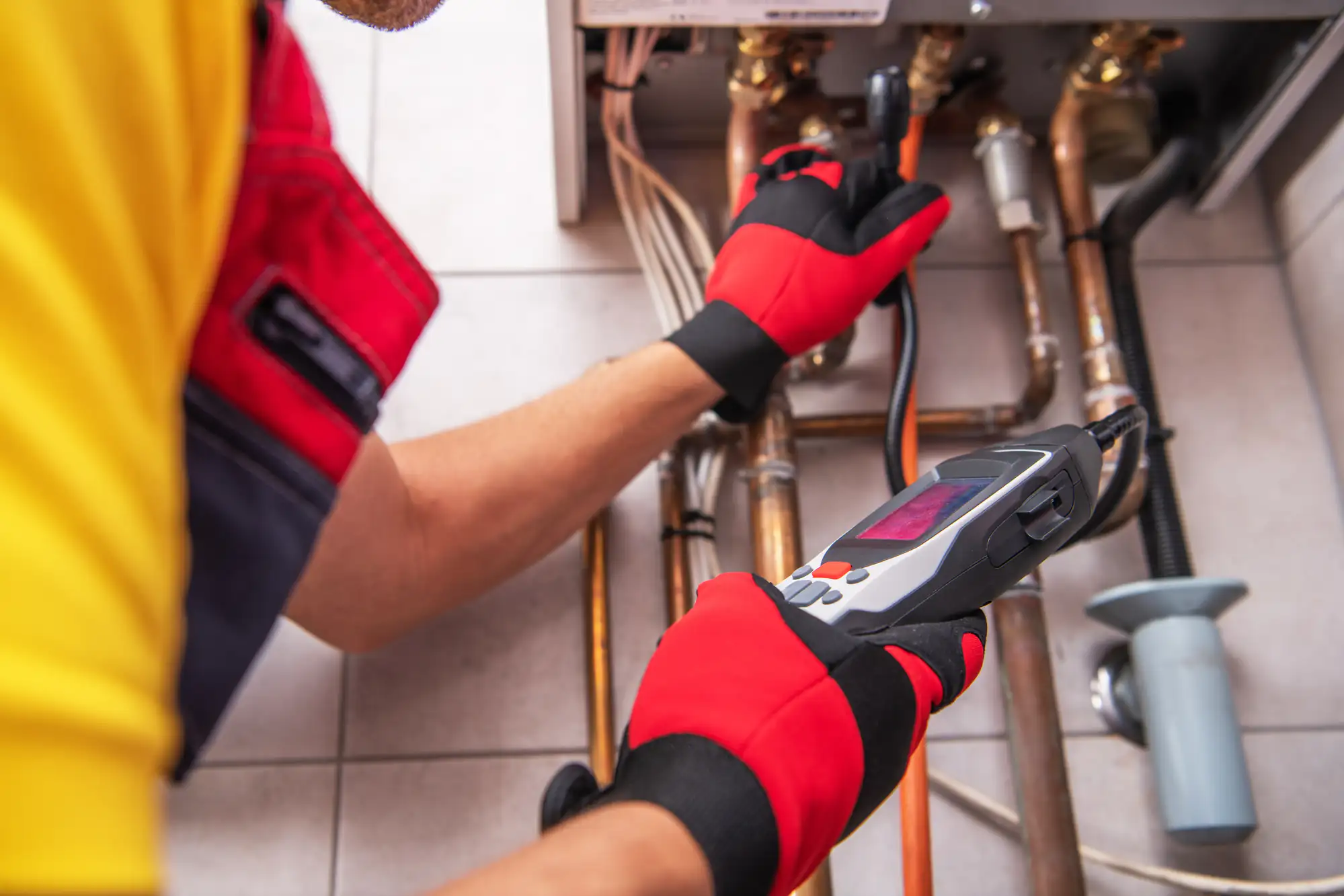
Our technician assesses your system and explains what’s wrong in plain language. No upselling, no scare tactics. If your air conditioner needs a $200 repair, that’s what we recommend. If your furnace is 22 years old and about to fail, we’ll tell you that too and explain why replacement makes more sense than another patch job.
For installations, we walk you through equipment options based on your home’s size, your budget, and Long Island’s climate demands. A 1,800-square-foot home in Deer Park needs different cooling capacity than the same house in Arizona. Humidity matters. Insulation matters. We size equipment correctly the first time.
Installation day, we handle permits, remove old equipment, install the new system, test everything, and clean up completely. You get a walkthrough of your new equipment, including any smart thermostat features or maintenance requirements.
After installation, you have access to 24/7 emergency service if something goes wrong. And if you want to extend your system’s life and avoid breakdowns, we offer maintenance programs that catch problems before they become expensive emergencies.
Ready to get started?
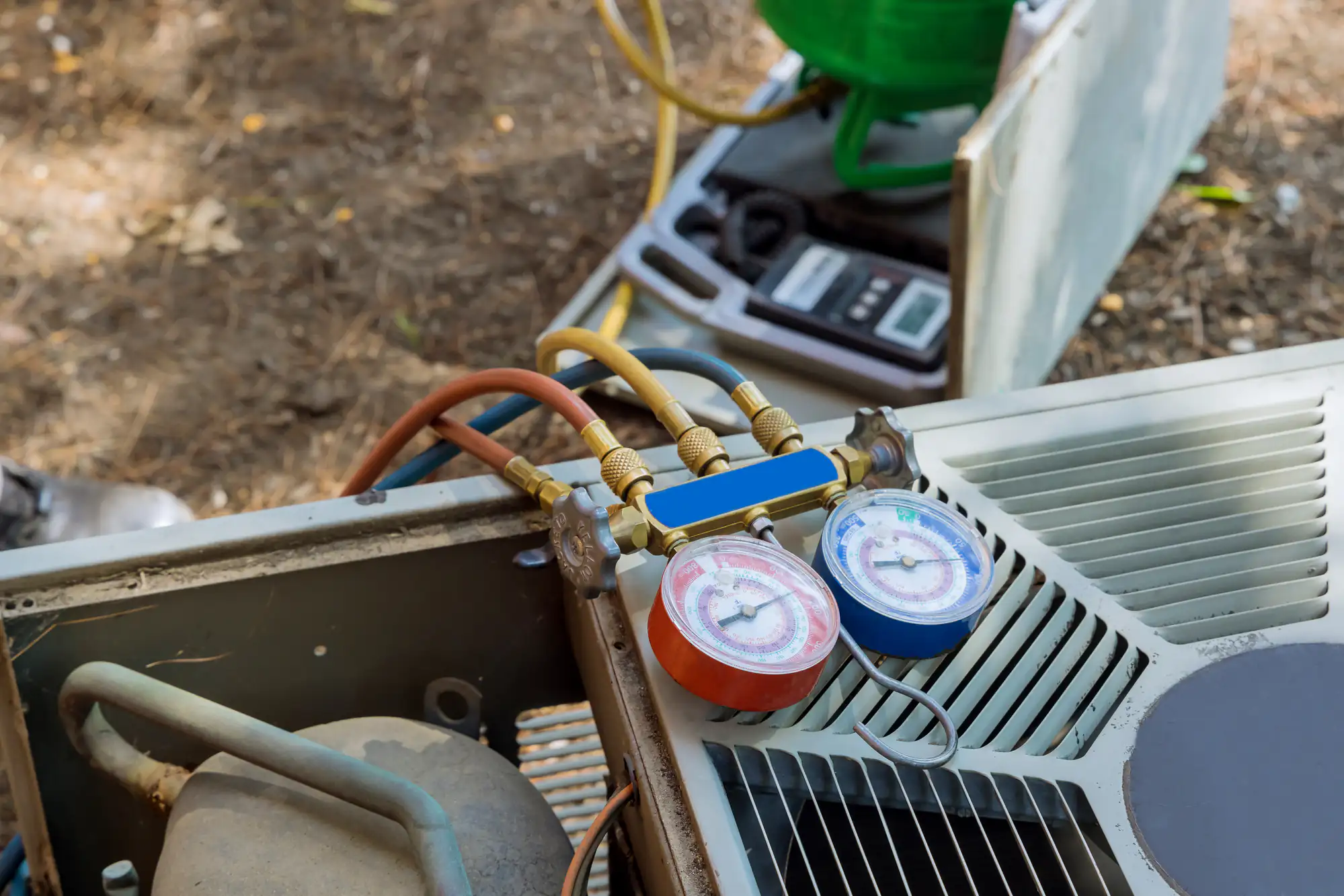
Air conditioning repair and installation covers everything from fixing refrigerant leaks to replacing entire systems that can’t keep up with Long Island summers. High humidity here means your AC works harder than it would inland, so proper sizing and installation directly affects your comfort and electric bill.
Furnace installation and heating system maintenance keeps you warm through unpredictable winters. Natural gas furnaces, heat pumps, and hybrid systems all have different advantages depending on your home and budget. With new efficiency standards hitting in 2026 and federal tax credits available for heat pump installations, now’s actually a smart time to upgrade if your system is over 15 years old.
HVAC replacement becomes necessary when repair costs start approaching 50% of a new system’s price, or when your equipment is old enough that parts are hard to find. A new system typically increases your home value by 5-7% and pays for itself over time through lower energy bills.
Indoor air quality solutions include whole-home air purifiers, dehumidifiers, and advanced filtration systems. Deer Park’s coastal location means you’re dealing with higher humidity levels and salt air that standard filters don’t handle well. Better air quality means fewer allergies, less dust, and healthier living conditions overall.
Maintenance contracts catch small problems before they become big ones. Regular tune-ups extend your system’s lifespan from the typical 15 years to potentially 20+ years, and they reduce the chance of a breakdown during extreme weather when you actually need your system most.
Twice a year minimum—once before cooling season and once before heating season. Long Island’s coastal environment is harder on HVAC equipment than most places.
Salt air corrodes metal components faster than normal. Humidity levels stress your air conditioner’s compressor and evaporator coils. Pollen and coastal moisture clog filters quicker than they would inland.
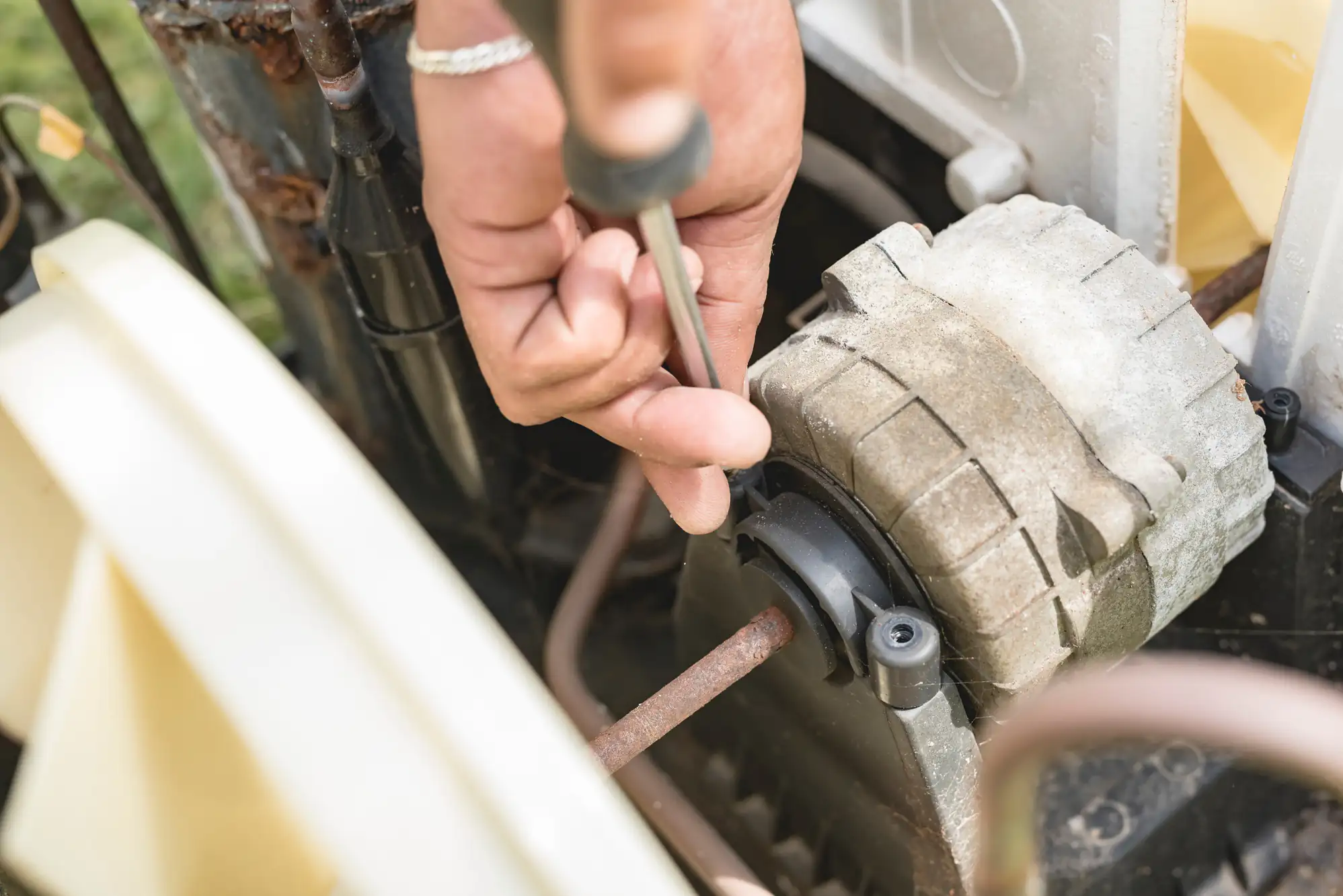
Spring maintenance for your air conditioner includes checking refrigerant levels, cleaning coils, testing the condensate drain, and making sure your system can handle the humidity load it’s about to face all summer. Fall maintenance for your furnace covers inspecting the heat exchanger, testing ignition systems, checking gas connections, and ensuring your system fires up reliably when temperatures drop.
Skipping maintenance doesn’t save money. It just moves the expense to a bigger repair bill later, usually at the worst possible time.
For a typical Deer Park home, you’re looking at $5,000 to $12,000 depending on system size, efficiency rating, and whether you’re adding features like a smart thermostat or upgraded air filtration.
A basic 2-ton AC unit with standard efficiency runs cheaper than a 4-ton high-efficiency heat pump system with variable-speed technology. But that upfront difference matters less than the long-term operating costs and comfort level.
Higher efficiency systems (17 SEER2 or above) cost more initially but can cut your energy bills by 30-40% compared to older equipment. With electricity prices on Long Island, that adds up fast. Federal tax credits and utility rebates can offset some of the upfront cost, especially for heat pump installations.
The other factor is installation quality. Cheap installation with improper sizing or ductwork issues will cost you more over time in higher bills and shorter equipment life. You want it done right the first time.
If your system is under 10 years old and the repair costs less than half the price of replacement, repair usually makes sense. If it’s over 15 years old or the repair is expensive, replacement is typically the smarter move.
Here’s why age matters: a 12-year-old furnace that needs a $1,200 repair might only have 3-5 years of life left anyway. You’re paying for a major repair on equipment that’s already past middle age. A new system gives you 15-20 years of reliable service, better efficiency, and a warranty that actually covers things.
Also consider how often you’re calling for repairs. If you’re fixing something every year, those costs add up fast. And older systems run less efficiently even when they’re working, so you’re paying more every month in energy costs.
New efficiency standards and available rebates also factor in. If you’re going to replace it in the next few years anyway, doing it now might qualify you for tax credits that won’t be available later.
Your air conditioner has to remove moisture before it can actually cool the air. Long Island’s coastal location means humidity levels that make your AC work significantly harder than it would in a drier climate.
When humidity is high, your evaporator coil spends more energy condensing water vapor out of the air. That’s energy that’s not going toward cooling. So your system runs longer cycles, uses more electricity, and still might not get your home as comfortable as you want.
An oversized air conditioner makes this worse, not better. If your system is too big for your home, it cools the air quickly but shuts off before it’s removed enough moisture. You end up with a cold, clammy house instead of actual comfort.
The fix involves proper sizing for your specific home, and sometimes adding a whole-home dehumidifier that works alongside your AC. Variable-speed systems also help because they can run longer at lower speeds, which removes more moisture while using less energy overall.
Heat pumps can both heat and cool your home using electricity, while furnaces only heat using natural gas or oil. For Long Island’s climate, heat pumps have become a lot more viable in recent years.
Modern cold-climate heat pumps work efficiently down to around 5°F, which covers most of Deer Park’s winter weather. They’re 2-3 times more efficient than electric resistance heating and can significantly lower your heating costs compared to oil heat.
Federal tax credits currently cover up to 30% of heat pump installation costs, which helps offset the higher upfront price. And if electricity rates stay more stable than natural gas or oil prices, you’re insulated from fuel cost spikes.
The downside is that heat pumps lose efficiency in extreme cold. Some homeowners install a hybrid system—a heat pump for moderate weather and a backup furnace for the coldest days. That gives you the best of both worlds: efficiency most of the time, and reliable heat when temperatures really drop.
If anyone in your home deals with allergies, asthma, or frequent respiratory issues that seem worse indoors, your air quality probably needs attention. Visible dust buildup, musty smells, or condensation on windows are other clear signs.
Long Island homes face specific air quality challenges. Coastal humidity promotes mold growth if moisture levels aren’t controlled. Salt air carries particles that standard filters don’t catch effectively. And if your home was built before 1990, it might lack the ventilation that newer construction includes.
You can get your air quality tested professionally, which measures particulates, humidity levels, and potential contaminants. But often you can tell just from how you feel. If you sleep better with windows open than closed, or if you notice dust reappearing quickly after cleaning, your HVAC system isn’t filtering air effectively.
Solutions range from upgrading to HEPA filtration, adding a whole-home dehumidifier, installing UV air purifiers, or improving ventilation. The right approach depends on what’s actually causing the problem in your specific home.