
Hear from Our Customers
Your boat becomes the place everyone wants to spend time. Cold drinks stay cold through those long summer days on the Sound. Fresh food doesn’t spoil during extended trips to Montauk or the Hamptons.
No more cutting trips short because your cooling system failed. No more throwing away expensive provisions because your refrigeration couldn’t handle the heat. No more uncomfortable guests complaining about stuffy cabins.
When your marine HVAC works right, you focus on what matters: enjoying your time on the water. Everything else just works in the background, exactly like it should.
Chill Xpert Solutions has been solving marine refrigeration challenges across Long Island for over 40 years. We understand the unique demands of marine environments—salt air, constant vibration, temperature extremes, and the need for systems that work reliably when you’re miles from shore.
Our team knows the difference between residential HVAC and marine applications. We’ve seen what works and what fails in Long Island’s marine conditions. From simple boat refrigeration repairs to complex custom cooling installations, we bring decades of hands-on experience to every project.
Local boat owners trust us because we show up when we say we will, explain problems clearly, and fix things right the first time. That’s earned us dozens of five-star reviews from customers who’ve dealt with other companies and know the difference.
First, we assess your boat’s current cooling situation and listen to what you actually need. No sales pitch—just an honest evaluation of what’s working, what isn’t, and what options make sense for your specific vessel and usage patterns.
Next, we provide a clear estimate with no hidden surprises. You’ll know exactly what the work involves and what it costs before we start. If it’s an emergency repair, we focus on getting you back on the water quickly with a permanent solution.
The installation or repair happens efficiently with marine-grade components designed for your boat’s environment. We test everything thoroughly before considering the job complete. You get a system that works reliably, plus we’re available 24/7 if you ever need emergency support while you’re out on the water.
Ready to get started?
Your marine refrigeration service includes everything from diagnostic troubleshooting to complete system installations. We handle boat air conditioning repairs, marine HVAC maintenance, refrigeration system upgrades, and custom cooling solutions for unique applications.
Long Island’s marine environment presents specific challenges that generic HVAC companies don’t understand. Salt air corrodes standard components. Constant motion affects system performance. Temperature swings from dockside to open water stress cooling systems in ways land-based units never experience.
Chill Xpert Solutions stocks marine-grade components specifically designed for these conditions. We know which brands and models perform reliably in Long Island waters and which ones cause problems. Our installations account for proper drainage, vibration resistance, and the electrical considerations unique to marine applications.
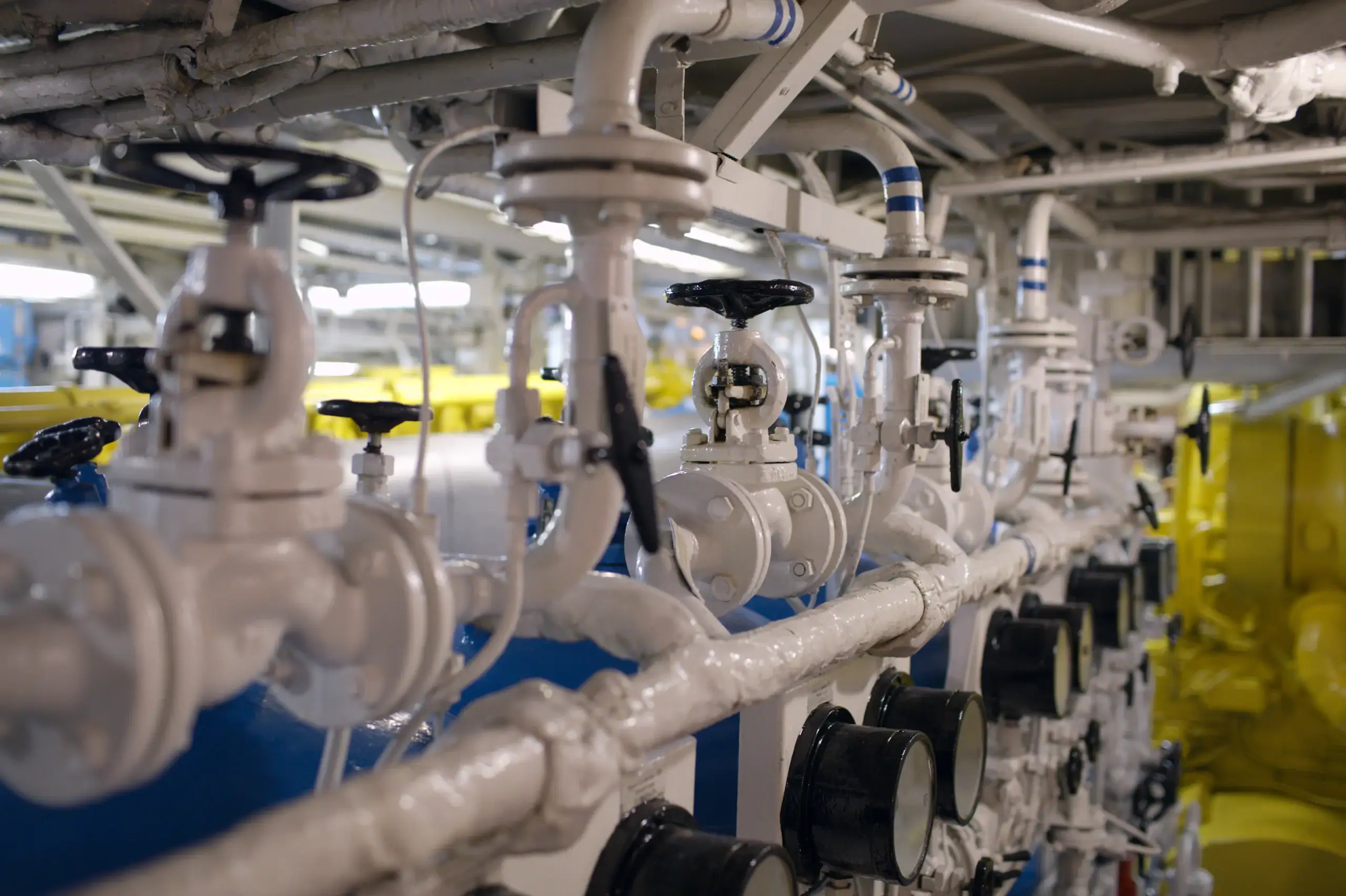
Marine refrigeration systems typically last 8-12 years with proper maintenance, though this varies significantly based on usage patterns and environmental exposure. Boats used frequently in salt water environments may see shorter lifespans due to corrosion, while freshwater boats often exceed the average.
The key factors affecting longevity include regular maintenance, proper installation with adequate ventilation, and using marine-grade components designed for constant vibration and moisture exposure. Systems that receive annual professional maintenance and use quality marine-specific parts consistently outperform generic installations.
Regular cleaning of condenser coils, checking refrigerant levels, and replacing worn seals can extend system life considerably. Most premature failures result from deferred maintenance or using residential-grade components that weren’t designed for marine environments.
Marine air conditioning systems use specialized components designed to handle constant vibration, salt air exposure, and the unique electrical systems found on boats. The compressors, condensers, and control systems are built to marine standards that far exceed residential requirements.
Drainage systems work differently on boats since there’s no foundation drain. Marine units include specialized pumps and through-hull fittings to remove condensation safely overboard. The electrical components are sealed against moisture and designed for the 12V or 24V DC systems common on boats.
Refrigerant lines and connections use marine-grade materials that resist corrosion from salt air. The mounting systems account for the constant motion of boats, using vibration-dampening materials that prevent component fatigue. Regular AC units simply aren’t built to handle these marine-specific challenges and typically fail quickly in boat applications.
Marine refrigeration installation costs typically range from $2,500 to $8,000 depending on the size of your boat, the complexity of the installation, and the type of system you choose. Smaller boats with simple refrigerator-only systems start at the lower end, while larger vessels requiring multiple zones or custom solutions cost more.
The investment includes marine-grade components, proper installation with vibration dampening, electrical connections that meet marine standards, and through-hull fittings for drainage. Quality marine systems cost more upfront but last longer and perform more reliably than cheaper alternatives.
Factors affecting cost include the number of zones you want cooled, accessibility for installation, electrical system upgrades that might be needed, and whether you’re replacing an existing system or installing new. Emergency repairs during peak season may include premium pricing, which is why many boat owners schedule maintenance during off-season months.
Yes, marine refrigeration systems can run while anchored, but power management becomes critical. Most systems draw significant power, so you’ll need adequate battery capacity, solar panels, or a generator to maintain cooling without draining your batteries completely.
Modern marine refrigeration systems often include energy-efficient compressors and smart controls that cycle on and off to minimize power consumption. Some systems can switch between AC power (when connected to shore power or running a generator) and DC power from your boat’s battery bank.
The key is properly sizing your electrical system for your cooling needs. A typical marine refrigeration system might draw 5-8 amps when running, so extended anchoring requires either substantial battery capacity with solar charging or periodic generator use. Many boaters install battery monitors to track power consumption and avoid being stranded with dead batteries.
Marine refrigeration systems need annual professional maintenance including condenser coil cleaning, refrigerant level checks, electrical connection inspection, and drain system testing. Salt air and marine environments accelerate wear on components that work fine in residential applications.
Condenser coils collect salt deposits and marine growth that reduce efficiency and cause premature failure. Professional cleaning removes these deposits and restores proper heat transfer. Refrigerant levels should be checked annually since vibration and temperature cycling can cause minor leaks that gradually reduce system performance.
Electrical connections corrode faster in marine environments and need regular inspection and cleaning. Drain pumps and through-hull fittings require testing to ensure condensation removes properly overboard. Annual maintenance typically costs $200-400 but prevents much more expensive emergency repairs and extends system life significantly. Most problems caught during routine maintenance cost far less to fix than emergency breakdowns during peak boating season.
Quality marine air conditioning systems work effectively in hot weather when properly sized and installed, but they face unique challenges that land-based systems don’t encounter. Boats absorb heat from sun exposure on all surfaces, and limited insulation makes cooling more demanding than residential applications.
The key is proper system sizing based on your boat’s actual cooling load, not just square footage. Factors include window area, insulation quality, typical occupancy, and whether you’ll be running at anchor or connected to shore power. Undersized systems struggle in hot weather and run constantly without achieving comfortable temperatures.
Water-cooled marine AC systems often perform better than air-cooled units in extreme heat since they use seawater for heat rejection instead of ambient air. However, they require through-hull fittings and seawater pumps that need regular maintenance. Proper ventilation around condensing units and adequate electrical supply are also critical for effective cooling performance during Long Island’s hottest summer days.