
Hear from Our Customers
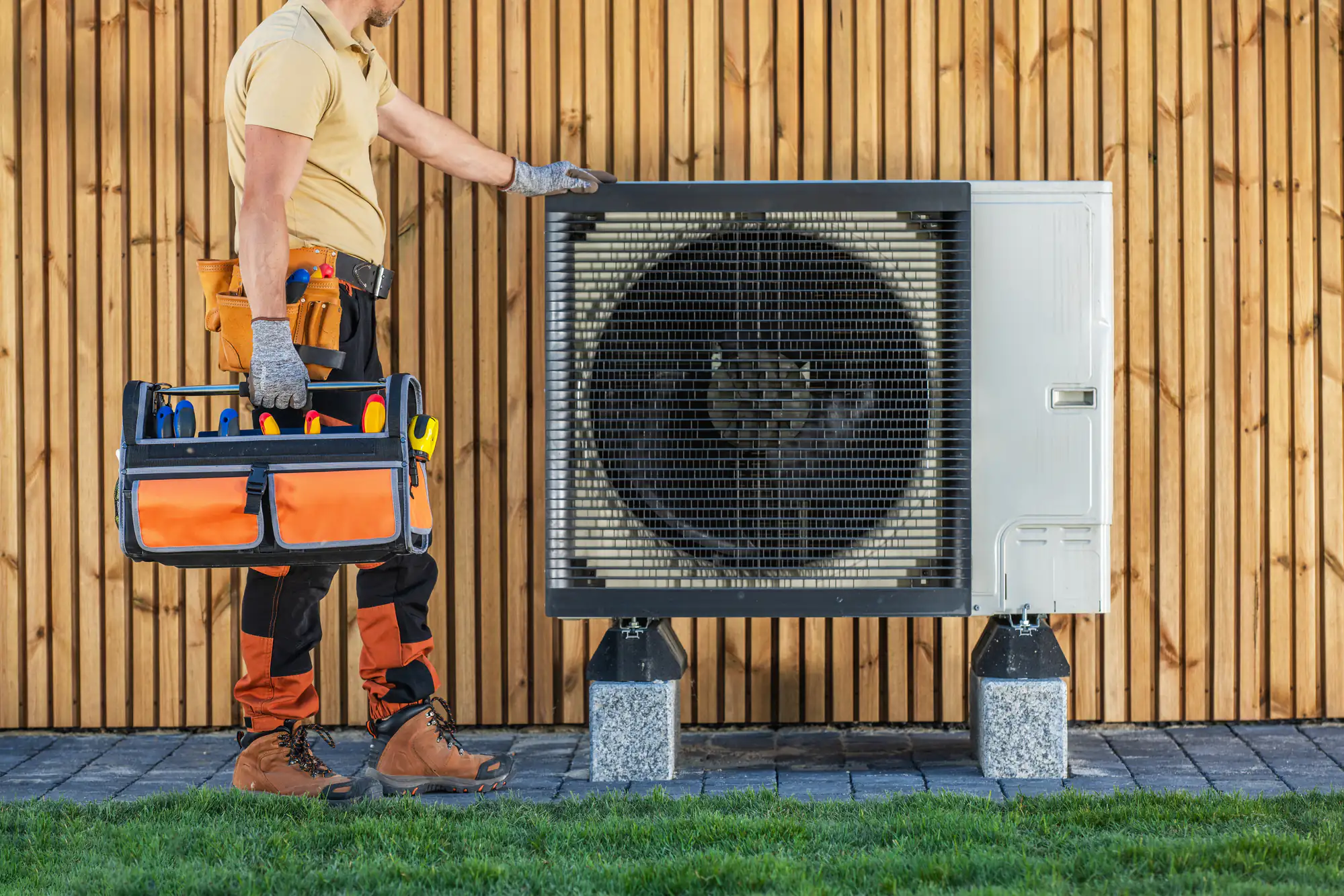
You stop worrying about whether your system will make it through the next heatwave or cold snap. That’s the difference between a properly sized, professionally installed HVAC system and one that’s been cobbled together or undersized from the start.
When your air conditioning repair is done right the first time, you’re not calling someone back three weeks later because the same problem returned. When your furnace installation accounts for Long Island’s humidity, salt air, and temperature swings, you’re looking at 15+ years of reliable performance instead of constant service calls.
Your energy bills stabilize because the system isn’t working twice as hard to do half the job. Rooms that used to be too hot or too cold finally match the rest of the house. And when you do need service, you’re not waiting days for someone to show up or weeks for parts to arrive.
That’s what happens when heating system maintenance is actually preventive, not reactive. Problems get caught during routine checkups before they turn into expensive emergencies at the worst possible time.
We’ve spent over 40 years keeping airports, catering halls, restaurants, and marine vessels climate-controlled across the Greater New York area. That’s not background noise—it’s relevant because those environments don’t tolerate mistakes or downtime.
We’re bringing that same level of technical capability and accountability to residential HVAC services in Dix Hills, NY. When you’ve handled walk-in freezers at busy delis and HVAC systems on boats dealing with constant salt air corrosion, a home system isn’t a mystery. It’s straightforward work done to a higher standard.
We’re available 24/7 for emergencies because we know HVAC failures don’t wait for business hours. We stock about 70% of common parts on our trucks because waiting a week for a capacitor in July isn’t acceptable. And we explain what’s wrong in plain language because you deserve to understand what you’re paying for.
You call or contact us with a problem or a question about HVAC replacement, and we schedule a time that actually works for you. No four-hour windows where you’re stuck waiting around.
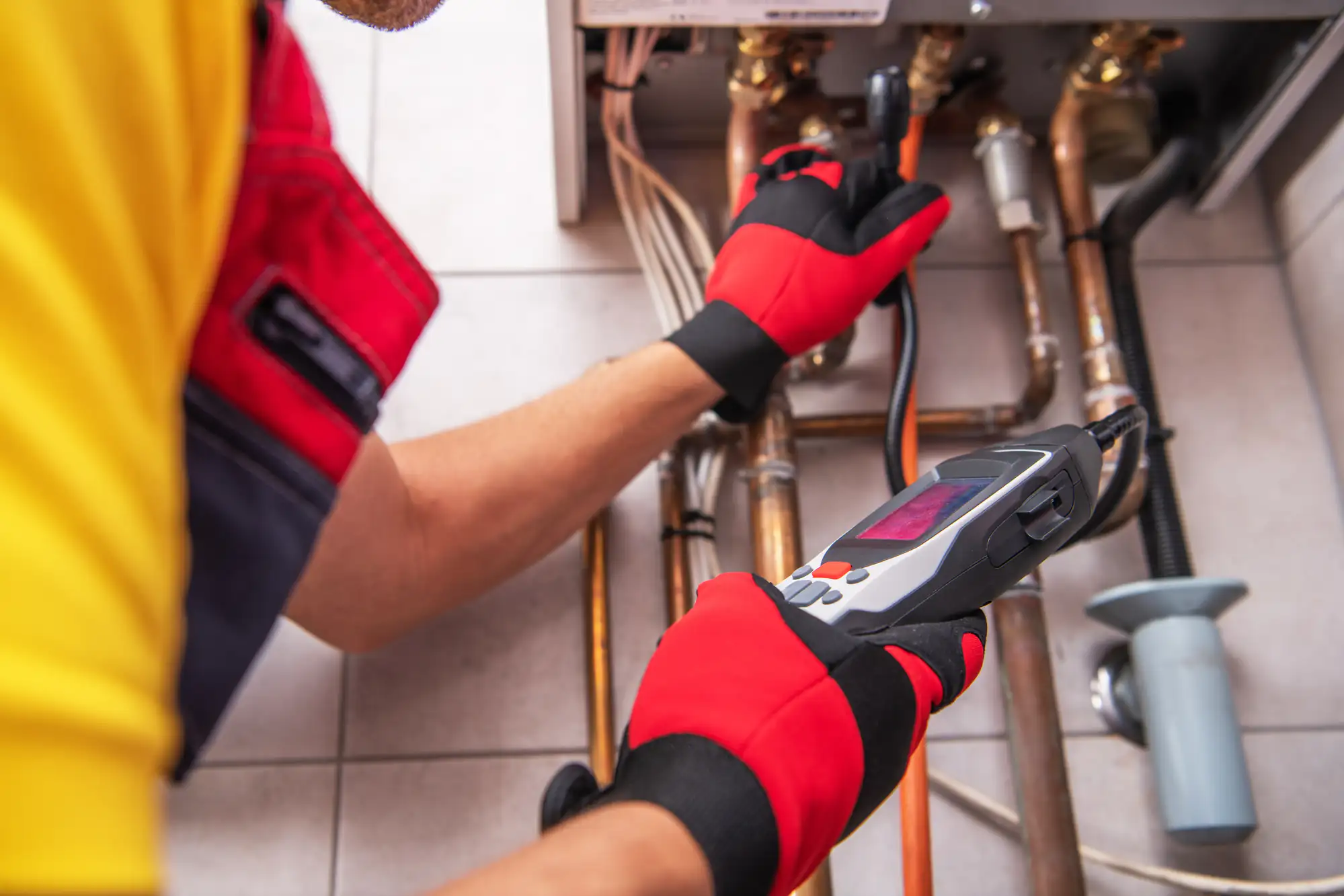
We show up, assess what’s going on, and give you a straight answer about what needs to happen. If it’s a repair, we tell you what’s broken and what it costs to fix. If it’s a replacement, we walk through your options based on your home’s size, layout, and how Long Island’s climate affects performance. We’re not upselling you to the most expensive option—we’re sizing the system correctly so it actually works.
Once you approve the work, we handle permits, coordinate any electrical connections, and complete the installation or repair without leaving a mess behind. For new installations, we make sure ductwork is balanced, airflow is optimized, and you understand how to operate and maintain the system.
After the work is done, we test everything, answer your questions, and make sure you’re comfortable with how it’s running. Then we follow up to confirm it’s still performing the way it should.
If something goes wrong down the line, you’re not starting over with a new company. You call us, and we take care of it.
Ready to get started?
Residential HVAC services cover everything your heating and cooling system needs to function reliably. That includes air conditioning repair when your system stops cooling or starts blowing warm air during Dix Hills’ humid summers. It includes furnace installation when your heating system is beyond repair or you’re upgrading to something more efficient for Long Island’s freezing winters.
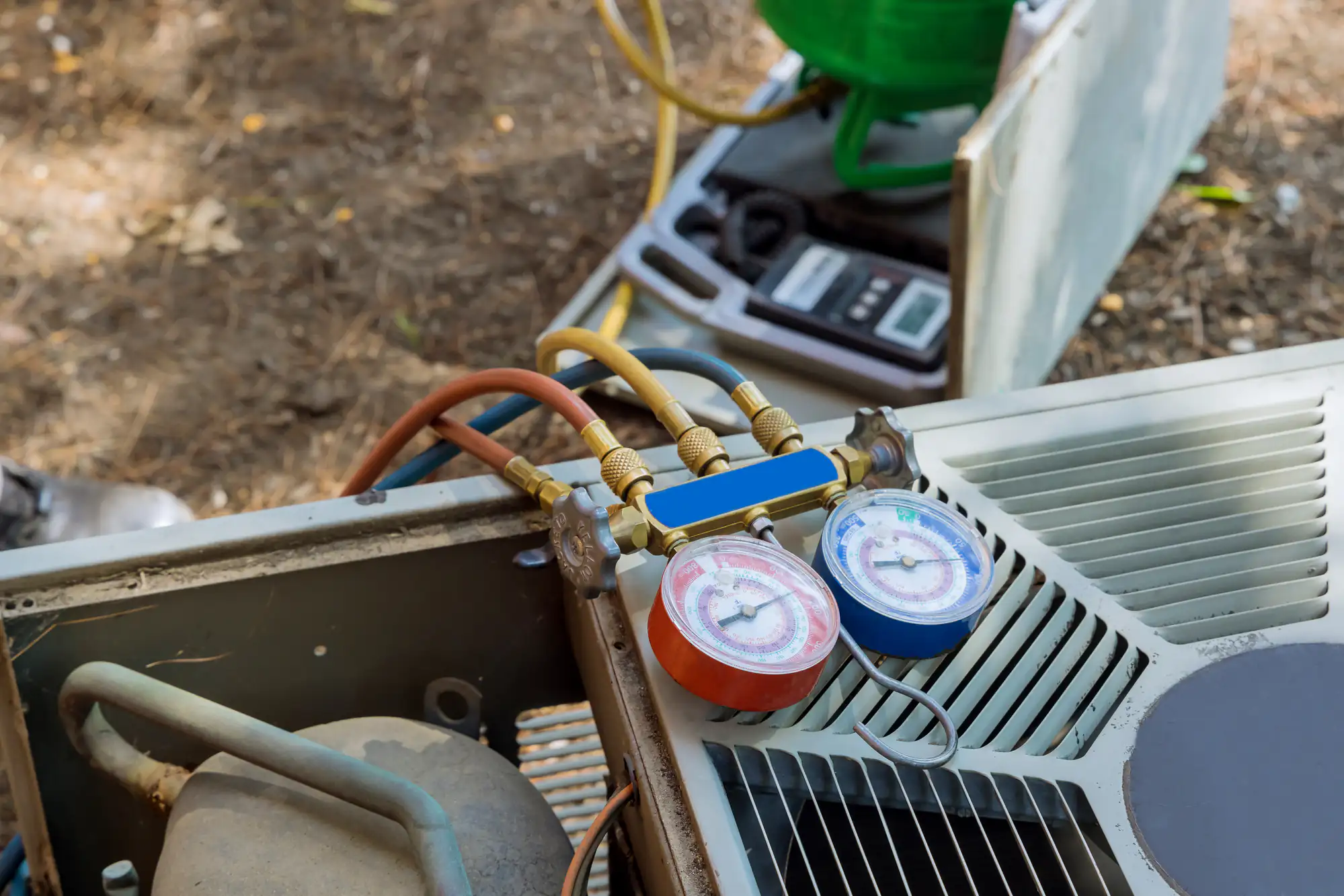
Heating system maintenance is part of keeping your investment running longer and avoiding emergency breakdowns. We check refrigerant levels, clean coils, inspect electrical connections, test airflow, and catch small issues before they become expensive failures. Most systems that fail prematurely do so because they were never maintained or were installed incorrectly from the start.
Indoor air quality matters more than most people realize, especially in tightly sealed homes where allergens, humidity, and stale air build up. We assess ventilation, recommend filtration upgrades, and address humidity issues that lead to mold or discomfort.
HVAC replacement becomes necessary when repair costs start approaching the price of a new system, or when your current equipment is so inefficient that your energy bills are double what they should be. We help you understand when that line gets crossed so you’re making an informed decision, not an emotional one during an emergency.
Everything we do accounts for Dix Hills’ specific climate challenges—salt air corrosion, high humidity, and the temperature extremes that stress systems harder than moderate climates. That’s why systems we install tend to last 15+ years instead of needing constant repairs after five.
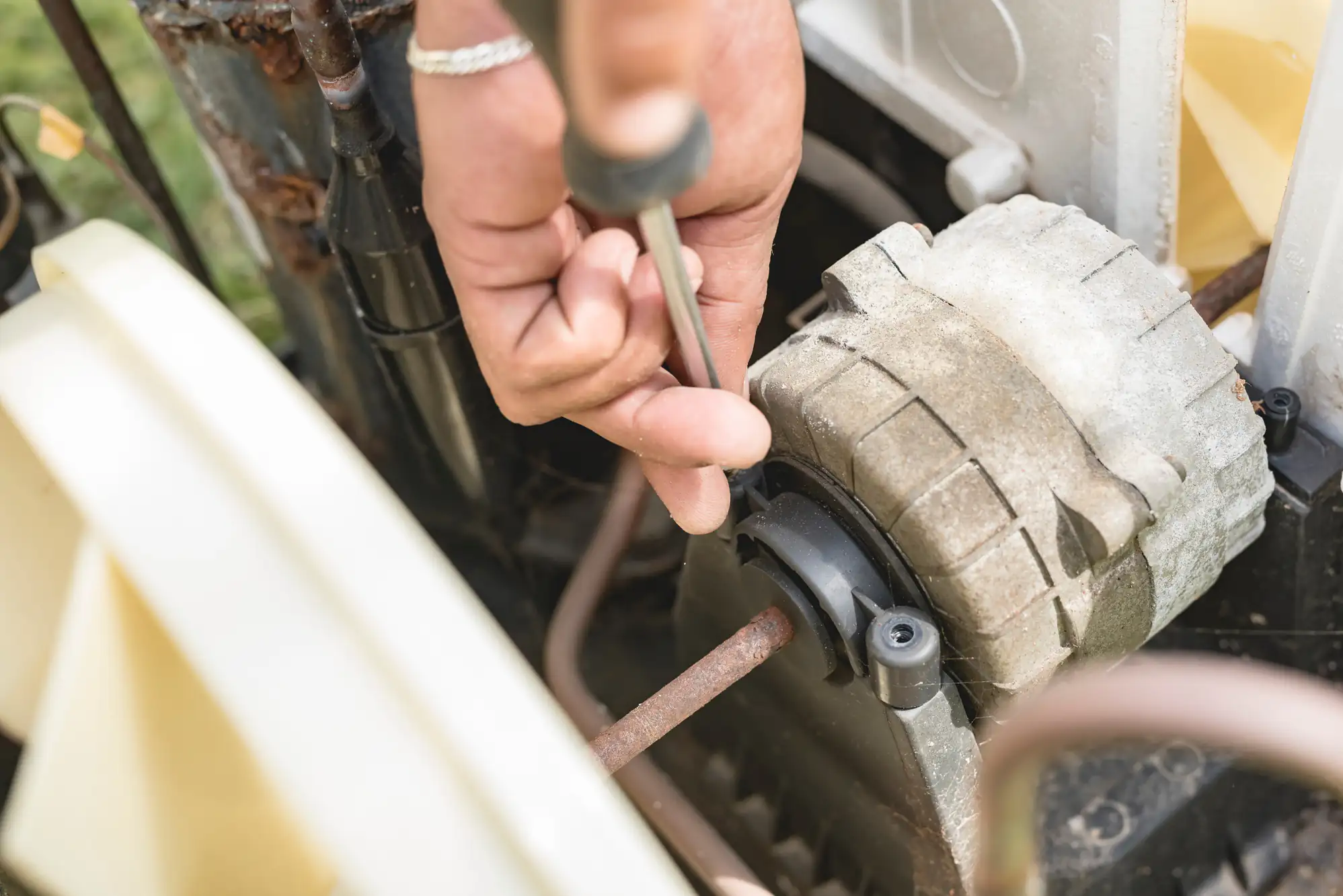
Twice a year is the standard recommendation—once before cooling season and once before heating season. That means spring for your air conditioning and fall for your furnace.
Long Island’s climate puts more stress on HVAC systems than moderate regions because of the humidity, salt air, and temperature swings. Systems that don’t get regular maintenance lose efficiency, work harder to maintain temperature, and fail sooner. A typical maintenance visit catches refrigerant leaks, dirty coils, worn belts, and electrical issues before they cause a breakdown.
Most emergency calls we get in the middle of summer or winter could have been prevented with a routine checkup. And if you’re on a maintenance contract, you usually get priority scheduling and discounted rates when you do need a repair.
If your system is older than 10 years or you’ve skipped maintenance for a while, it’s worth getting it looked at sooner rather than later. Small problems turn into expensive ones fast.
It depends on the size of your home, the type of system, and whether ductwork needs modification. A straightforward replacement for a 2,000-square-foot home typically runs between $8,000 and $15,000. Larger homes, multi-zone systems, or homes that need ductwork upgrades cost more.
Heat pumps are becoming more popular on Long Island because they handle both heating and cooling efficiently, but they cost slightly more upfront than traditional furnace and AC combinations. If your home has uneven heating or cooling, that’s often a sign the original system was undersized or the ductwork wasn’t balanced correctly—both issues that need to be addressed during replacement or you’ll have the same problems with new equipment.
We give written estimates that break down equipment, labor, permits, and any additional work so you know exactly what you’re paying for. No hidden fees or surprise charges after the work is done.
If your current system is more than 15 years old and you’re spending money on frequent repairs, replacement usually makes more financial sense than continuing to patch an aging system. We’ll walk through the math with you so you can decide what makes sense for your situation.
Most repairs are completed the same day, often within a couple of hours. About 70% of the service calls we handle are resolved on the spot because we stock common parts on our trucks.
If it’s something straightforward—a failed capacitor, a refrigerant leak, a clogged drain line, or a faulty thermostat—we diagnose it, explain what’s wrong, give you the cost, and fix it if you approve. You’re not waiting days or weeks for parts to show up.
More complex issues like a failed compressor or a refrigerant leak in hard-to-reach ductwork can take longer, especially if we need to order a specific part. In those cases, we’ll let you know upfront what the timeline looks like and whether a temporary solution is possible while we wait for parts.
Emergency calls get priority, especially during heatwaves or cold snaps when a broken system isn’t just uncomfortable—it’s a health risk. We’re available 24/7 because we know HVAC failures don’t happen on a convenient schedule.
Usually it’s one of three things: undersized equipment, poorly designed ductwork, or air leaks in the system. Sometimes it’s all three.
If your HVAC system is too small for your home’s square footage, it can’t move enough air to reach every room effectively. Rooms farthest from the unit end up too hot in summer and too cold in winter. Oversized systems cause different problems—they cycle on and off too quickly, never running long enough to distribute air evenly or remove humidity.
Ductwork that wasn’t balanced correctly sends too much air to some rooms and not enough to others. Leaks in ducts, especially in attics or crawl spaces, mean conditioned air is escaping before it reaches the rooms you’re trying to heat or cool. In older Dix Hills homes, ductwork was sometimes added piecemeal during renovations without considering the overall system design.
Poor insulation, air leaks around windows and doors, or rooms with high ceilings and lots of windows also contribute. We assess the whole picture—not just the equipment—so you’re not replacing a system that was never going to solve the problem in the first place.
If your furnace is less than 10 years old and the repair costs less than a third of what replacement would cost, repair usually makes sense. If it’s older than 15 years or you’re looking at a major repair like a cracked heat exchanger or failed blower motor, replacement is often the smarter move.
Furnaces don’t last forever, especially in climates like Long Island’s where they’re working hard several months a year. Once a system hits 15-20 years, efficiency drops, parts become harder to find, and you’re often one winter away from another expensive repair.
Newer furnaces are significantly more efficient than models from even 10 years ago. If your energy bills have been creeping up or your current furnace struggles to keep up during cold snaps, a new system can pay for itself in lower utility costs and fewer repair calls.
We’ll walk you through the actual numbers—what the repair costs, what replacement costs, how much longer you can reasonably expect the current system to last, and what you’d save in energy costs with a newer model. Then you decide what makes sense for your situation and budget.
Yes. We’re available 24/7 for emergency calls because we know HVAC failures don’t wait for business hours.
If your air conditioning goes out during a July heatwave or your furnace stops working on the coldest night in January, that’s not something you can wait until Monday to address. It’s uncomfortable at best and a health risk at worst, especially for young children, elderly family members, or anyone with respiratory issues.
We prioritize emergency calls and aim to get someone to your home as quickly as possible. Most emergency repairs are resolved the same day because we stock common parts and our techs have the experience to diagnose problems quickly.
Emergency service does cost more than scheduled maintenance or routine repairs—that’s standard across the industry because it involves after-hours availability and faster response times. But we’re upfront about pricing before we start any work, so there are no surprises when you get the bill.
If you’re on a maintenance contract with us, you typically get priority scheduling and discounted rates even for emergency calls. It’s one of the reasons regular maintenance pays for itself—you’re less likely to need emergency service in the first place, and if you do, it costs less.