Hear from Our Customers
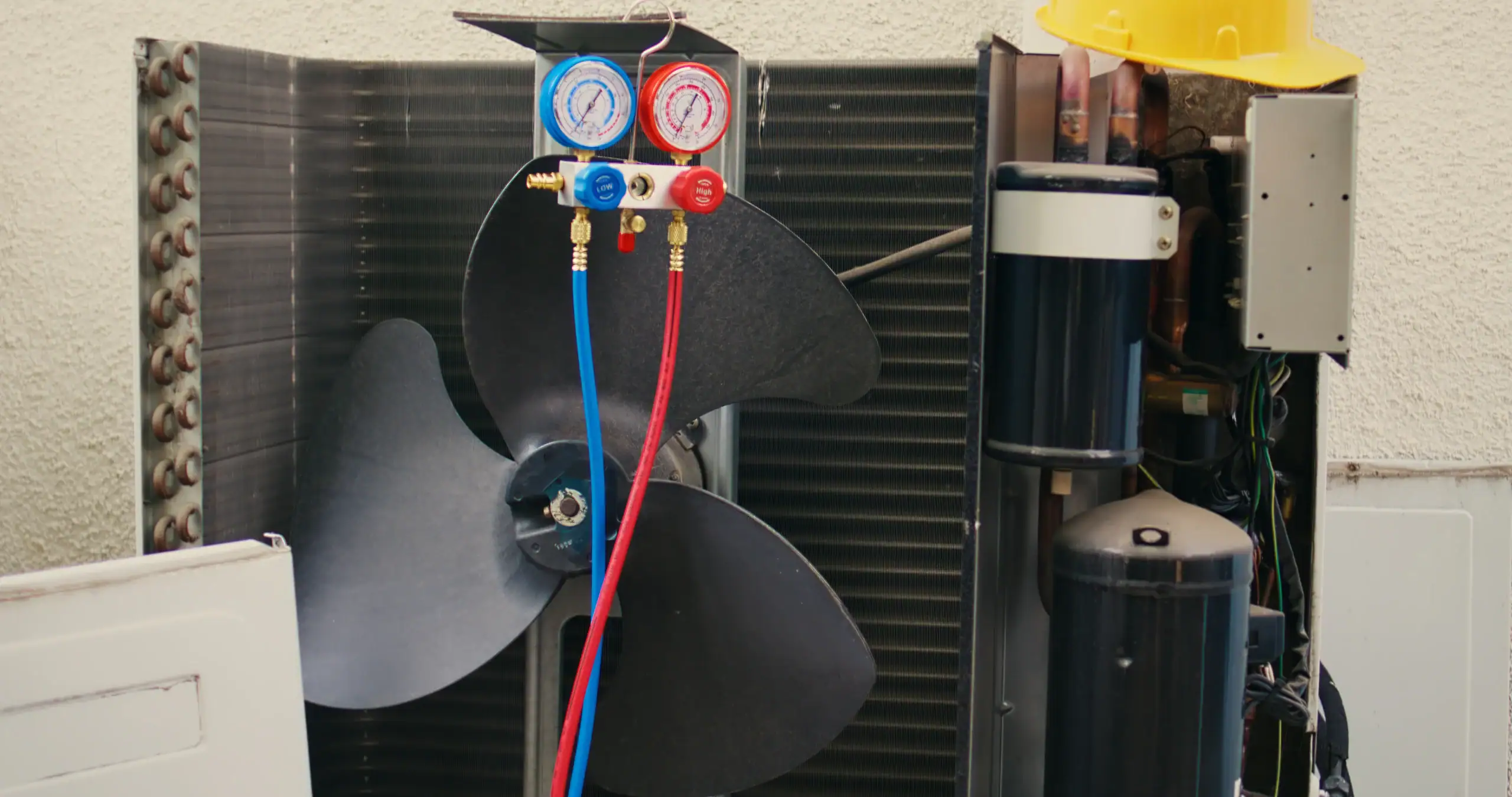
When your boat’s refrigeration or AC quits in July, you’re not looking for a lecture. You need someone who can diagnose the problem, explain it clearly, and fix it so you’re not missing another weekend.
That’s what happens when you work with specialists who only do marine and commercial refrigeration. No learning curve. No trial and error. We know whether it’s a clogged seawater strainer, a refrigerant leak, or a failing compressor before most techs even open their toolbox.
You’re dealing with a marine environment—salt, humidity, constant vibration. Your cooling system takes a beating that land-based units never see. Standard HVAC knowledge doesn’t cut it. You need someone who understands how seawater cooling works, why evaporator coils freeze on boats, and how to prevent the same failure from happening again next month.
Chill Xpert Solutions has been handling marine refrigeration and commercial cooling systems in the Greater New York area for over 40 years. We serve everyone from yacht owners on Long Island’s North and South shores to airports, restaurants, and catering halls that can’t afford downtime.
East Meadow puts us right in the middle of Long Island’s boating community. Whether your boat docks in Freeport, Oyster Bay, or anywhere along the coast, you’re working with technicians who know the local marine environment and the specific challenges it creates for cooling systems.
Our reputation comes from doing the work right and being available when it matters. That means 24/7 consulting, free estimates, and the kind of transparent communication that makes you feel like you’re talking to someone who actually cares whether your weekend gets ruined.
First, you describe what’s happening. Is the system not cooling? Making strange noises? Leaking water? We ask the right questions to narrow down the issue before anyone even shows up.
When a technician arrives, they start with a full diagnostic. That means checking error codes if your system has them, inspecting seawater flow, testing refrigerant levels, examining electrical connections, and looking at air filters and coils. Most problems reveal themselves pretty quickly when you know what to look for.
Once the issue is identified, you get a clear explanation of what’s wrong and what it’ll take to fix it. No jargon. No upselling. Just honest information so you can make the call. If it’s something simple like a clogged strainer or dirty filter, you’ll know. If it’s a bigger repair like a refrigerant leak or failed compressor, you’ll understand why and what your options are.
Repairs happen efficiently because we come prepared. We stock common parts and have access to components for all major marine AC and refrigeration brands. After the fix, we test everything to make sure it’s actually working—not just running, but cooling properly and operating efficiently.
Ready to get started?
You’re getting comprehensive coverage for marine air conditioning and refrigeration systems. That includes diagnosing and repairing common failures like insufficient cooling, frozen evaporator coils, clogged seawater strainers, refrigerant leaks, electrical faults, and water flow problems.
The service covers all the marine-specific challenges Long Island boat owners face. Saltwater corrosion eats through components faster than you’d think. Humidity clogs filters and creates mold. Seawater cooling systems need regular strainer cleaning or they’ll shut down your whole AC unit with a high-pressure fault. These aren’t problems your typical HVAC tech deals with.
Maintenance is part of the package too. Regular filter cleaning, condenser coil inspection, refrigerant level checks, and seawater system servicing can prevent most of the expensive failures that kill a boat’s cooling system. A well-maintained marine AC unit lasts 15-20 years. A neglected one might make it 5-7 before it’s toast.
For East Meadow and Long Island boat owners, timing matters. Peak season runs May through September, and that’s exactly when you need your refrigeration and AC working. We understand that a broken system in July isn’t just inconvenient—it can make your boat uninhabitable and waste your limited time on the water.
A high-pressure fault usually means your system can’t dissipate heat properly, and the most common culprit is restricted seawater flow. Your AC uses seawater to cool the refrigerant in the condenser, and when that flow gets blocked or reduced, pressure builds up until the safety switch trips and shuts everything down.
Start by checking your seawater strainer. In Long Island waters, these fill up fast with algae, debris, and small marine growth. A clogged strainer cuts water flow and triggers the high-pressure switch. You should be cleaning this at least weekly during peak season, maybe more if you’re in areas with heavy organic matter.
Beyond the strainer, look at your seacock to make sure it’s fully open. Check the raw water pump impeller for wear—these deteriorate over time and reduce flow even when they look okay. Air pockets in the seawater line after maintenance or haul-out can also cause flow issues until the system is properly bled.
If seawater flow looks good, the problem might be a dirty condenser coil. Salt buildup on the coil prevents efficient heat exchange, creating the same high-pressure condition. Regular coil cleaning with mild detergent prevents this. Occasionally, you’re dealing with an actual refrigerant overcharge or a failing high-pressure switch itself, but those are less common than simple flow restrictions.
At minimum, you want professional service once a year, ideally before the season starts. But there’s routine maintenance you should be doing yourself much more frequently if you want to avoid mid-season breakdowns.
Air filters need checking every 2-4 weeks during active use, especially in the humid conditions we get around Long Island in summer. Dirty filters restrict airflow, make your compressor work harder, and can reduce cooling efficiency by 40% or more. Most filters can be cleaned with water and mild soap, then thoroughly dried before reinstalling.
Your seawater strainer should be inspected and cleaned weekly at minimum during the season. Some boat owners in areas with heavy marine growth check theirs every few days. This five-minute task prevents the majority of high-pressure shutdowns and keeps your system running smoothly.
Professional annual service should include refrigerant level checks, electrical connection inspection, condenser coil cleaning, full seawater system evaluation, and testing of all safety switches and controls. A technician can catch developing problems—like a slow refrigerant leak or wearing pump impeller—before they leave you without cooling on the hottest weekend of summer. The cost of annual maintenance is a fraction of what you’ll pay for emergency repairs or a full system replacement.
Technically yes, but you’re taking a risk. Marine AC systems operate on the same basic refrigeration principles as home units, but the execution is completely different, and those differences matter.
Your boat’s system uses seawater for cooling instead of air. That means raw water pumps, through-hull fittings, strainers, and components constantly exposed to saltwater. A residential HVAC tech has probably never worked with these systems and won’t know how to diagnose seawater flow problems, clean marine-specific components, or handle the corrosion issues that come with the territory.
Marine systems also deal with constant vibration, limited ventilation, space constraints, and installation challenges that don’t exist in houses. The electrical systems are different. The mounting requirements are different. Even basic troubleshooting follows a different logic because you’re ruling out marine-specific failures first.
Organizations like the American Boat and Yacht Council (ABYC) offer specialized certification in marine air conditioning and refrigeration for exactly this reason. When you’re dealing with refrigerant handling, through-hull integrity, and systems that could potentially sink your boat if installed wrong, you want someone with specific marine training and experience. A good marine HVAC tech will have seen hundreds of boats and know immediately whether you’re dealing with a clogged strainer, a failing raw water pump, or something more complex.
Warm air from your marine AC usually points to one of three problems: insufficient refrigerant, blocked airflow, or seawater cooling issues. Each has different symptoms that help narrow down the cause.
If your system is low on refrigerant—typically from a leak somewhere in the lines, coils, or connections—it simply can’t absorb enough heat to cool the air properly. You might notice the compressor running constantly, ice forming on the lines near the evaporator, or the system cycling on and off more frequently than normal. Refrigerant doesn’t just disappear; if it’s low, there’s a leak that needs finding and fixing before recharging the system.
Blocked airflow is simpler but just as common. Dirty air filters are the usual suspect, restricting air movement across the evaporator coil. You might also have blocked return air vents, disconnected ductwork, or a failing blower fan. Check your filters first—if they’re clogged with dust and debris, cleaning or replacing them might solve the problem immediately.
Seawater cooling problems create warm air because the condenser can’t reject heat properly. Even with adequate refrigerant and good airflow, if seawater isn’t flowing through the system correctly, the refrigerant stays too warm and can’t cool your cabin air. Check your seawater strainer, verify the seacock is open, and make sure you see water discharging from the outlet. On really hot days, some systems struggle if the seawater temperature itself is unusually high, but that’s less common than simple flow restrictions.
The answer depends on what’s actually wrong, how old the system is, and whether you’re dealing with a symptom of bigger problems. We can give you an honest assessment, but here’s how to think about it.
If you’re looking at a simple repair—replacing a worn pump impeller, cleaning coils, fixing an electrical connection, or changing a failed thermostat—repair almost always makes sense regardless of age. These are normal maintenance items that don’t indicate systemic failure. Even a 15-year-old system can run reliably for years more with proper care.
Major component failures are where it gets trickier. If your compressor has failed, you’re looking at a significant repair cost. If the system also has refrigerant leaks that are difficult to access or fix, corrosion in multiple areas, or other aging components likely to fail soon, replacement starts making more financial sense. You don’t want to put $2,000 into a compressor replacement only to have the condenser fail three months later.
Age matters, but condition matters more. A well-maintained 12-year-old system might be a better bet than a neglected 6-year-old one. Marine AC units can last 15-20 years with proper care, but exposure to salt and humidity accelerates wear. If your system has been running in harsh conditions without regular maintenance, you might be looking at multiple developing problems even if only one has failed so far. A thorough diagnostic from someone with marine-specific experience will tell you whether you’re fixing one problem or putting a bandage on a system that’s fundamentally worn out.
The difference is how each system rejects heat from the refrigerant after it’s absorbed heat from your cabin or refrigerator box. Both types work on the same refrigeration cycle, but the cooling method affects installation, maintenance, and performance in different conditions.
Air-cooled systems use fans to blow air across the condenser coils, dissipating heat into the surrounding space. They’re simpler because you don’t need through-hull fittings, seawater pumps, or strainers. Installation is easier, and there’s less maintenance since you’re not dealing with seawater components. The downside is they need good ventilation and struggle in very hot environments—if your engine room is already 110°F, asking an air-cooled system to reject more heat into that space becomes inefficient.
Water-cooled systems pump seawater through the condenser to carry heat away. They’re more efficient in hot weather because seawater temperature stays relatively stable even when air temperatures soar. They can handle higher heat loads and work well in confined spaces with limited ventilation. The tradeoff is complexity—you’ve got through-hull fittings, raw water pumps, strainers that need regular cleaning, and all the corrosion and maintenance issues that come with seawater systems.
For Long Island boating, water-cooled systems are common because they handle summer heat well and most boats already have seawater plumbing for engines and other systems. But they require more attention. You’re cleaning strainers regularly, watching for corrosion, and maintaining pumps. Air-cooled systems need less hands-on maintenance but might struggle on the hottest days if ventilation is poor. Neither is universally better—it depends on your boat’s layout, how it’s used, and how much maintenance you’re willing to do.