Hear from Our Customers
You’re not calling because everything’s fine. Your AC quit during a heatwave, your furnace is making that noise again, or your energy bills jumped for no clear reason.
Here’s what changes when your system actually works right. Your home stays the temperature you set it to, not three degrees off in every room. Your monthly utility costs drop because the unit isn’t running overtime to compensate for clogged filters or refrigerant leaks. You stop worrying about whether the heat will kick on when temperatures drop into the teens.
East Meadow’s humidity makes condensers work harder than they should. Salt air from the coast corrodes outdoor components faster than you’d expect. Winter freeze cycles stress connections and seals. A system that works here needs to handle all of that without constant repairs.
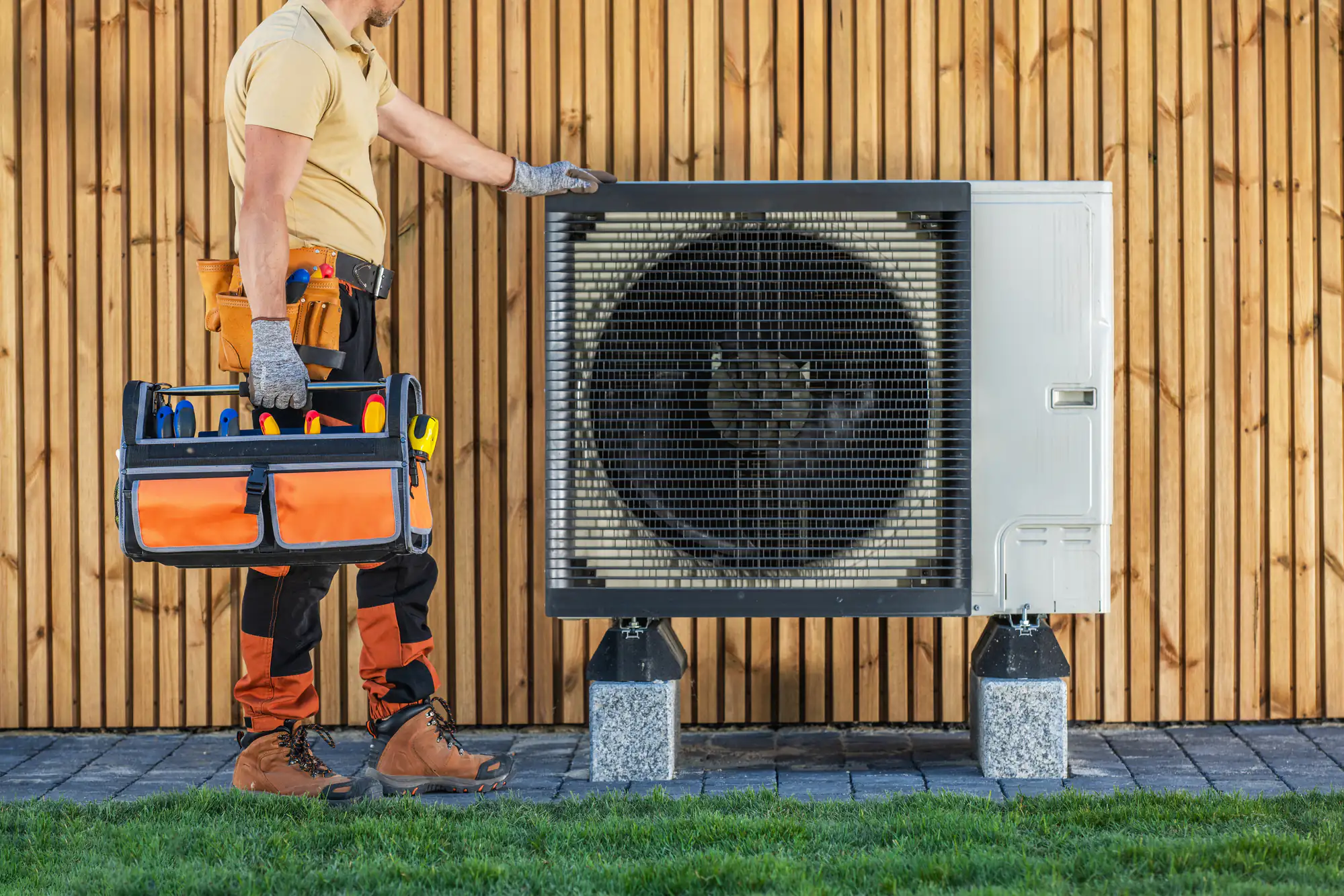
When we install or repair residential HVAC systems, you get equipment sized correctly for your square footage, ductwork that doesn’t leak conditioned air into your attic, and maintenance schedules that catch problems before they become emergencies. That’s what reliability actually looks like.
We started in commercial refrigeration and marine HVAC because those systems don’t tolerate mistakes. Airports, yacht clubs, restaurants from Montauk to Manhattan—when a walk-in cooler fails or a boat’s AC quits in July, there’s no room for guesswork.
That same approach applies to your home. We’re bringing four decades of technical experience to residential heating and cooling in Nassau County. Our team knows how coastal climate affects outdoor units, which heat pumps actually perform in mixed-temperature winters, and why your indoor air quality matters more than most contractors mention.
You’ll work with NATE-certified technicians who explain what’s wrong in plain language, show you the failed part, and give you options with real prices. No upselling to systems you don’t need. No disappearing after the install. We’re local, we’re available 24/7 for emergencies, and we guarantee our work for 24 months because we know it’ll hold up.
You contact us with a problem or a question about upgrading your system. We schedule a time that works for you—same day if it’s urgent, which in our business usually means no heat in January or no AC in August.
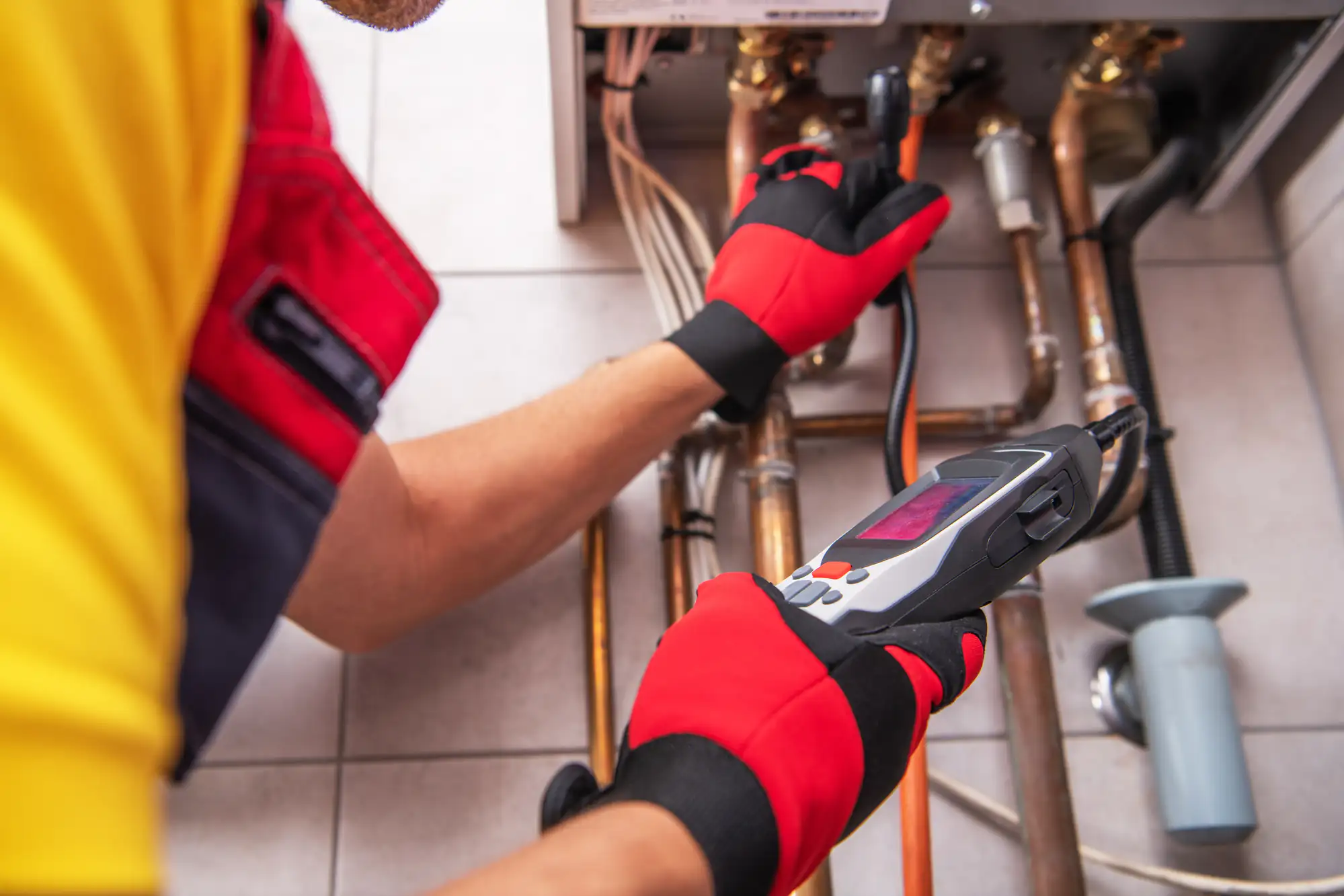
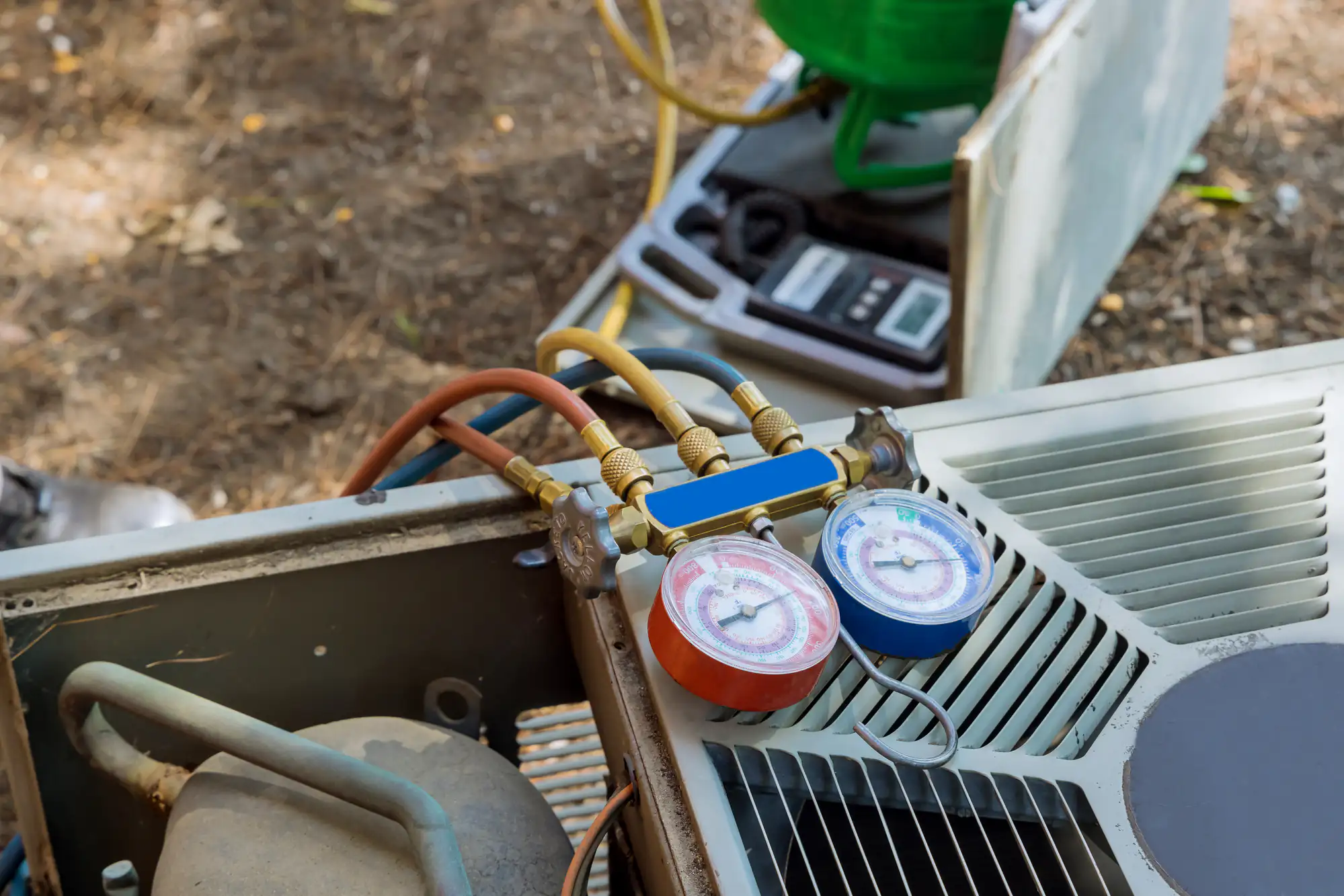
A certified technician shows up with the tools and common parts already in the truck. They assess your system, test components, check refrigerant levels, inspect ductwork, and measure airflow. You get a clear explanation of what’s failing, why it’s failing, and what it’ll cost to fix. If it’s a simple repair, we handle it on the spot. If you need a full replacement, we walk through your options based on your home’s size, your budget, and how long you plan to stay in the house.
For installations, we pull permits, remove old equipment properly, install the new system to manufacturer specs, test everything twice, and show you how to use your new thermostat. For maintenance, we clean coils, replace filters, check electrical connections, measure system performance, and catch small issues before they turn into expensive ones.
After the work’s done, you have our number. Something feels off six months later? Call us. That’s what the guarantee is for.
Ready to get started?
Air conditioning repair when your system stops cooling or starts leaking. Furnace installation when your heating unit finally gives out after 20 years. Heating system maintenance that keeps everything running through winter without surprise failures. HVAC replacement when repair costs don’t make financial sense anymore. Indoor air quality improvements including filtration systems and humidity control.
East Meadow homeowners deal with specific challenges. Summer humidity makes your AC work overtime, which means higher energy costs and more wear on components. Proximity to the ocean means salt air attacks outdoor units constantly. Temperature swings between seasons stress systems that aren’t designed for both 90-degree summers and upper-teen winters.
That’s why we focus on heat pumps and ductless mini-split systems for this area. They handle heating and cooling efficiently, use less energy than traditional furnaces, and give you zone control so you’re not heating or cooling rooms nobody’s using. For older homes with limited ductwork, mini-splits solve the problem without tearing into walls.
We also install smart thermostats that learn your schedule, send alerts when filters need changing, and let you adjust temperature from your phone. Small upgrade, noticeable difference in comfort and energy bills.
Twice a year—once before cooling season, once before heating season. Spring maintenance catches AC problems before summer heat arrives. Fall maintenance ensures your furnace or heat pump won’t fail during the first cold snap.
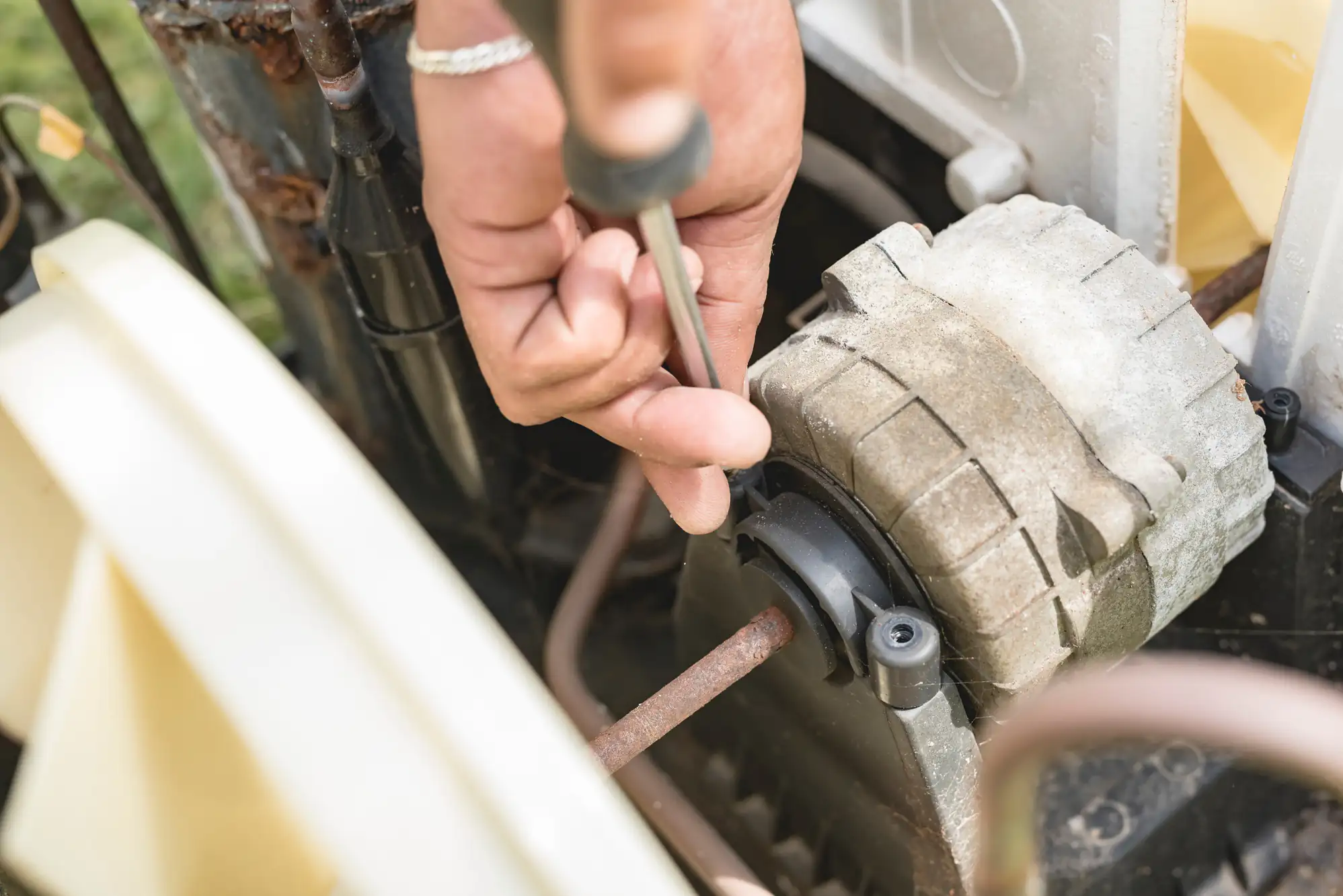
During a maintenance visit, our technicians clean condenser coils, check refrigerant levels, test electrical connections, inspect ductwork for leaks, replace filters, and measure system performance. These aren’t just checkboxes. Dirty coils make your system work 20-30% harder. Low refrigerant means poor cooling and potential compressor damage. Loose electrical connections cause system failures or even fires.
Most East Meadow homeowners skip maintenance until something breaks. Then they’re paying emergency rates for repairs that could’ve been prevented. A maintenance plan costs less than one emergency service call and extends your system’s lifespan by years. Your unit will also run more efficiently, which shows up as lower monthly utility bills.
If your system is over 10 years old or you’ve noticed performance issues, maintenance becomes even more important. Older units need closer monitoring because small problems accelerate faster.
It depends on your home’s square footage, insulation quality, window count, ceiling height, and which direction your house faces. There’s no one-size-fits-all answer, and that’s where most installations go wrong.
An oversized system costs more upfront, cycles on and off too frequently, and doesn’t remove humidity effectively. You’ll have cold air but a clammy house. An undersized system runs constantly, never quite reaches your target temperature, and wears out faster from overwork.
We calculate load requirements using Manual J methodology—the industry standard that accounts for all the variables in your specific home. For a typical 1,500 square foot house in East Meadow with average insulation, you’re usually looking at a 2.5 to 3-ton system. But if you have a lot of south-facing windows, poor attic insulation, or high ceilings, that number changes.
The calculation also factors in Nassau County’s climate data—average temperatures, humidity levels, and seasonal extremes. A system sized for Texas won’t perform the same way here. After we run the numbers, we’ll recommend equipment that matches your actual needs, not what’s on sale or sitting in a warehouse.
If your system is under 10 years old and the repair costs less than half the price of replacement, repair it. If it’s over 15 years old and needs a major component like a compressor or heat exchanger, replacement makes more financial sense.
Here’s the math that matters. A new residential HVAC system in East Meadow runs between $8,000 and $15,000 depending on size and efficiency. If your 12-year-old furnace needs a $3,000 heat exchanger repair, you’re putting significant money into equipment that’s already past its average lifespan. You might get another three years from it, or it might develop a different problem next season.
Energy efficiency also factors in. A system installed in 2010 operates at maybe 13-14 SEER. Current models run at 16-20 SEER, which translates to 20-30% lower cooling costs. Over 10 years, those savings add up to thousands of dollars. Factor in fewer repairs, better humidity control, and improved indoor air quality, and replacement often pays for itself.
We’ll give you both options with honest numbers. Sometimes repair is the right call. Sometimes it’s throwing good money after bad. You’ll know which situation you’re in before you decide.
A furnace burns fuel to create heat. A heat pump moves heat from outside air into your home, even when it’s cold out. Heat pumps also reverse the process for cooling, so you get heating and air conditioning from one system.
Heat pumps use less energy because they’re transferring heat rather than generating it. That means lower utility bills, especially during mild winters. Modern cold-climate heat pumps work efficiently down to about 5°F, which covers most East Meadow winter days. When temperatures drop below that, a backup heat source kicks in.
The upfront cost for a heat pump runs slightly higher than a furnace-only system, but you’re eliminating the need for separate AC equipment. Installation is simpler, maintenance is consolidated, and you’re not dealing with gas lines or combustion safety concerns.
Heat pumps make particular sense in Nassau County because our winters aren’t consistently brutal. You’ll use the heating function from November through March, then switch to cooling from May through September. The system handles both efficiently without the energy waste of resistance heating or the maintenance headaches of managing two separate systems.
If your home currently has an old furnace and a separate AC unit both nearing end-of-life, a heat pump replacement is worth serious consideration.
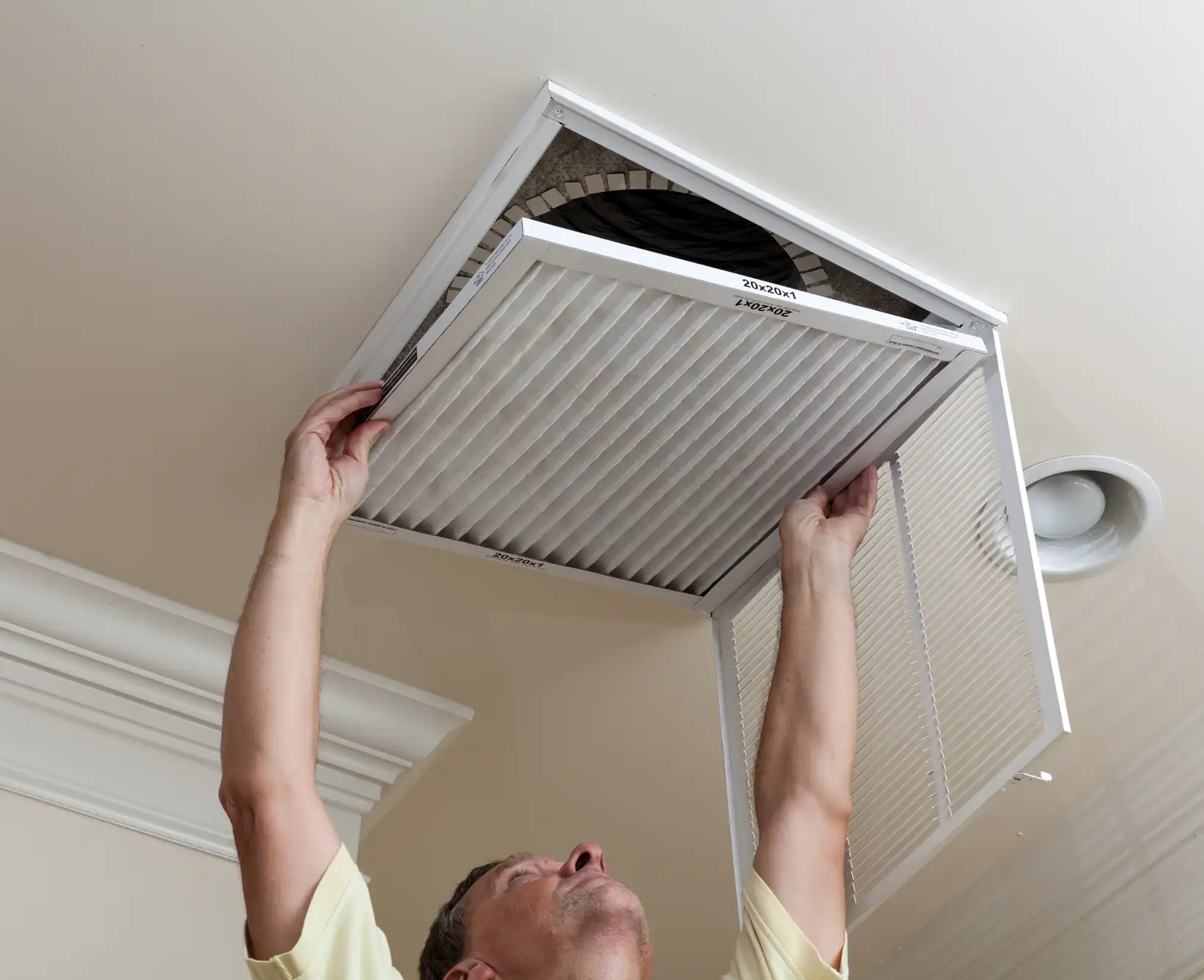
Start with your HVAC filter. Most homes use cheap fiberglass filters that catch large particles but miss allergens, mold spores, and fine dust. Upgrade to a MERV 11-13 pleated filter and change it every 60-90 days. That alone improves air quality noticeably.
For more comprehensive filtration, add a whole-home air purifier to your HVAC system. These units use UV light or electronic filtration to eliminate bacteria, viruses, and volatile organic compounds that regular filters miss. They’re especially valuable if anyone in your home has allergies or respiratory issues.
Humidity control matters too. East Meadow summers bring high humidity that makes your home feel warmer than it actually is and creates conditions for mold growth. A whole-home dehumidifier works with your AC to maintain 40-50% relative humidity—the range where you’re comfortable and mold can’t thrive.
Ductwork also affects air quality. Leaky ducts pull in dust, insulation particles, and allergens from your attic or crawl space, then distribute them throughout your home. Sealing and cleaning ductwork eliminates that contamination source.
We can test your current indoor air quality, identify specific problems, and recommend solutions that fit your budget. Sometimes it’s a filter upgrade. Sometimes it’s a full air purification system. You’ll know what you’re dealing with before spending money.
Yes. We’re available 24/7 for heating and cooling emergencies. When your furnace quits at 2 AM in January or your AC fails during a July heatwave, you need help immediately, not next Tuesday.
Our average response time is under 45 minutes for emergency calls in East Meadow and surrounding Nassau County areas. The truck carries common replacement parts—capacitors, contactors, thermostats, igniters—so most emergency repairs get completed on the first visit. You’re not waiting days for parts to arrive while your house stays uncomfortable.
Emergency service costs more than scheduled appointments because you’re paying for immediate availability and after-hours response. But it’s less expensive than a hotel room for your family, frozen pipes from a failed furnace, or heat-related health issues for elderly family members.
We’ll always tell you on the phone if your situation is truly an emergency or if it can wait until morning. A system that’s not cooling efficiently is uncomfortable but not urgent. A furnace that’s not igniting when it’s 20 degrees outside is urgent. A burning smell from your HVAC unit is urgent. We’ll help you determine which category your problem falls into and respond accordingly.