Hear from Our Customers
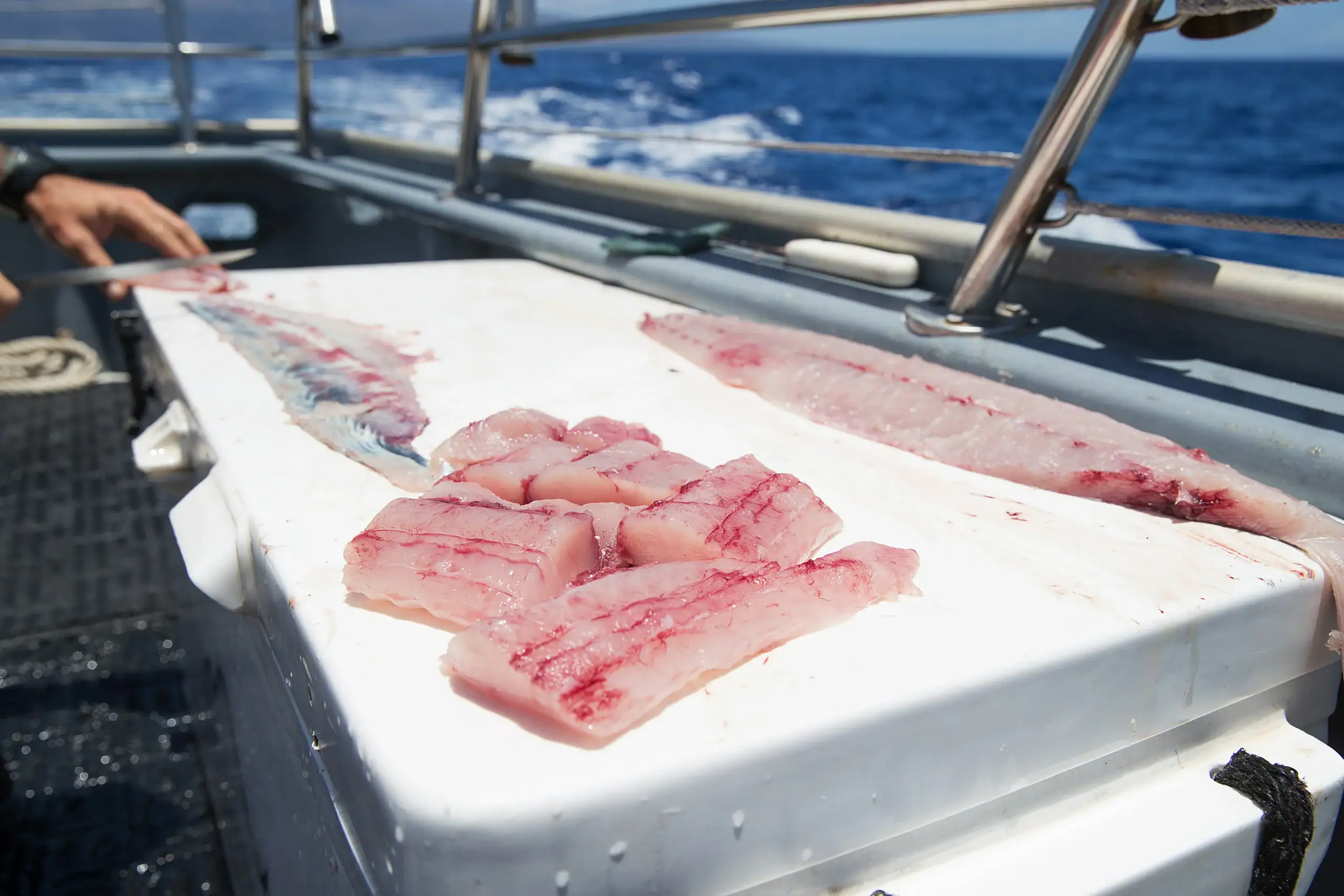
Your boat’s refrigeration system keeps your catch fresh and your crew comfortable. When it works properly, you don’t think about it. When it doesn’t, everything stops.
We’ve seen what happens when marine cooling systems fail during peak season. Product spoils. Trips get cancelled. Revenue disappears while you wait for someone who actually knows what they’re doing.
Our marine refrigeration specialists understand the saltwater environment, power limitations, and space constraints that make boat cooling systems completely different from land-based units. We diagnose problems quickly, fix them permanently, and get you back on the water fast.
We’ve been solving marine refrigeration challenges in East Quogue and throughout Long Island for over 40 years. We’re not generalists trying to figure out your boat’s cooling system on the job.
Our technicians understand the unique demands of marine environments. Salt air, constant vibration, limited power, and tight spaces require specialized knowledge that most HVAC companies simply don’t have.
We’ve built our reputation one satisfied customer at a time. Dozens of five-star reviews from boat owners, commercial fishers, and marine businesses who trust us with their most critical cooling systems. When other companies can’t solve the problem, they call us.
We start with a thorough assessment of your current system and cooling needs. Every boat is different, and cookie-cutter solutions don’t work in marine environments.
Our technicians examine your electrical capacity, available space, insulation quality, and usage patterns. We explain exactly what’s wrong, what needs to be fixed, and what it will cost before any work begins.
Installation and repairs are completed efficiently with minimal disruption to your schedule. We test everything thoroughly, walk you through the system operation, and provide clear maintenance guidelines. You get a system that works reliably, not just temporarily.
Ready to get started?
Our marine refrigeration services cover everything from simple repairs to complex custom installations. We work on all major brands and can design systems for unique applications that standard units can’t handle.
East Quogue’s marine community faces specific challenges. High humidity, salt exposure, and variable power sources demand equipment that’s built and maintained differently than residential systems. We stock marine-grade components and use installation techniques that account for the constant motion and harsh conditions.
Emergency service is available 24/7 because we know refrigeration failures don’t wait for business hours. When your livelihood depends on keeping things cold, you need a company that understands the urgency and has the expertise to fix it right the first time.
A properly installed and maintained marine refrigeration system should last 10-15 years in the harsh marine environment. The key factors are quality installation, regular maintenance, and using marine-grade components designed for saltwater conditions.
Systems that fail prematurely usually have installation issues or use residential-grade parts that can’t handle constant vibration, humidity, and salt exposure. We see many systems that were installed by non-marine specialists and fail within 3-5 years because corners were cut on components or installation techniques.
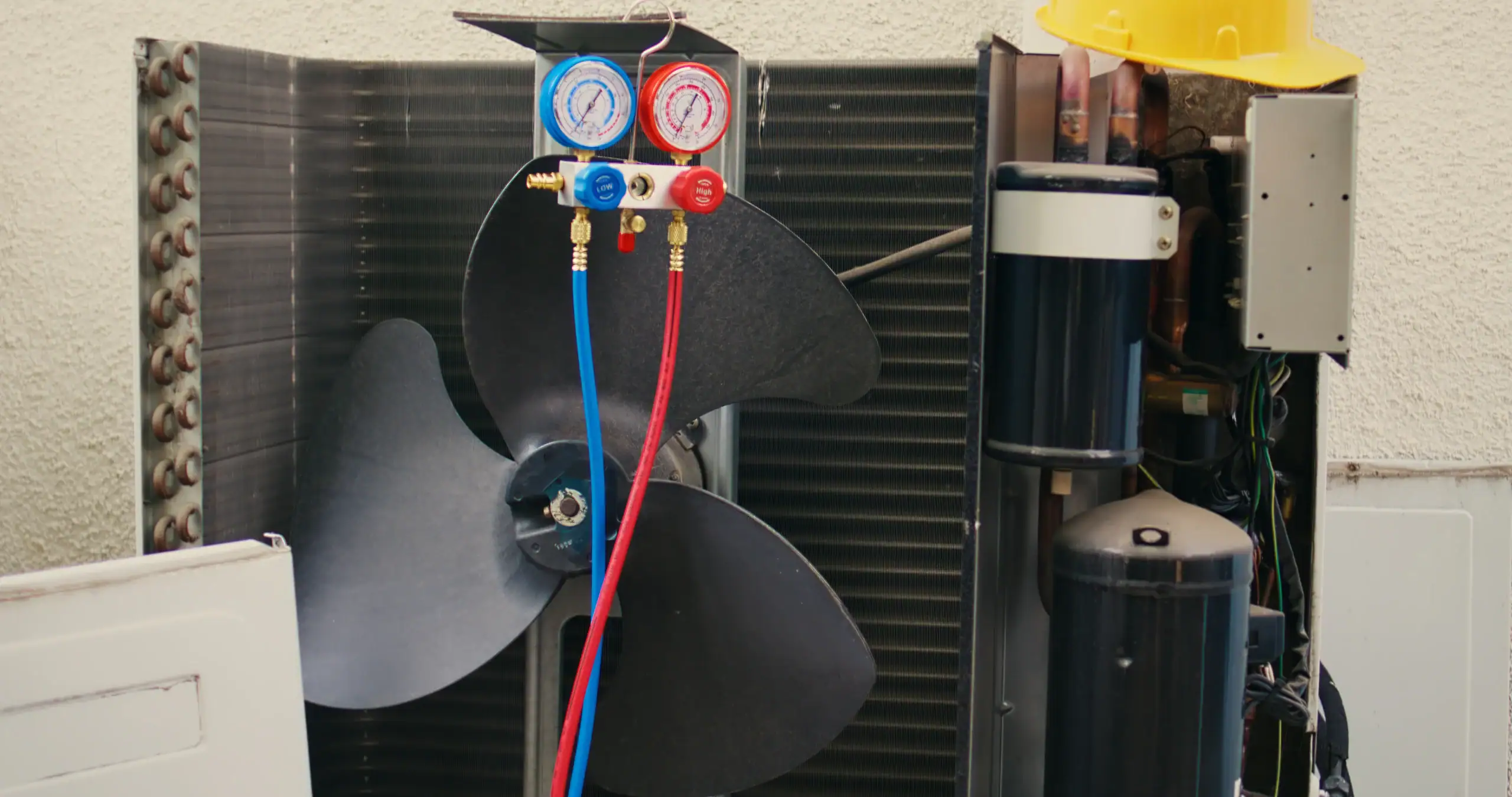
Regular maintenance every season significantly extends system life. This includes cleaning condenser coils, checking refrigerant levels, inspecting electrical connections, and ensuring proper ventilation around components.
Marine refrigeration systems are built to handle conditions that would destroy regular household units. They use corrosion-resistant materials, vibration-dampening mounts, and components designed for variable power sources.
The biggest differences are in the condenser design and electrical systems. Marine units often use seawater cooling or air-cooled condensers that work in high-humidity environments. The electrical components are sealed and designed for 12V or 24V DC power systems common on boats.
Installation is completely different too. Marine systems require proper drainage, vibration isolation, and ventilation that accounts for the boat’s movement and limited air circulation. Using residential installation techniques on a boat guarantees premature failure.
Power consumption varies widely based on system size, insulation quality, and usage patterns. A typical marine refrigerator uses 3-6 amps per hour when running, but duty cycle depends on ambient temperature and how often it’s opened.
Well-insulated systems with properly sized compressors run more efficiently and less frequently. Poor insulation or oversized units actually waste power by cycling on and off too often. We calculate power requirements based on your specific boat and usage patterns.
Modern marine refrigeration systems are much more efficient than older units. Upgrading from a 15-year-old system can cut power consumption by 30-40% while providing better cooling performance. This is especially important for boats with limited battery capacity or solar charging systems.
Yes, we regularly install marine refrigeration systems in boats that didn’t have them originally. The key is proper planning to ensure adequate space, power, and ventilation for reliable operation.
We evaluate your boat’s electrical system, available installation space, and insulation options before recommending a system. Sometimes we need to upgrade electrical capacity or modify cabinetry to accommodate the equipment properly.
Retrofitting requires more planning than new construction installations, but the results are just as reliable when done correctly. We’ve successfully added refrigeration to everything from small fishing boats to large cruisers, always ensuring the system matches the boat’s capabilities and your cooling needs.
We service and repair all major marine refrigeration brands including Sea Frost, Frigoboat, Adler Barbour, Isotherm, and others. Our technicians are trained on the specific requirements and common issues for each manufacturer.
Having 40+ years in the marine refrigeration business means we’ve worked on virtually every system that’s been installed in this area. We maintain relationships with parts suppliers and have access to components for both current and discontinued models.
When other companies tell you a system can’t be repaired or parts aren’t available, we often find solutions. Our experience with different brands and custom installations gives us options that newer companies simply don’t have.
Annual maintenance is essential for marine refrigeration systems. This includes cleaning condenser coils, checking refrigerant levels, inspecting electrical connections, and testing safety controls.
The marine environment is particularly hard on refrigeration equipment. Salt air corrodes components, humidity affects electrical connections, and constant vibration loosens fittings over time. Regular maintenance catches these issues before they cause system failures.
We recommend professional service at the beginning of each boating season, plus basic owner maintenance like keeping condenser coils clean and ensuring proper ventilation around equipment. This preventive approach costs far less than emergency repairs during peak season.