Hear from Our Customers
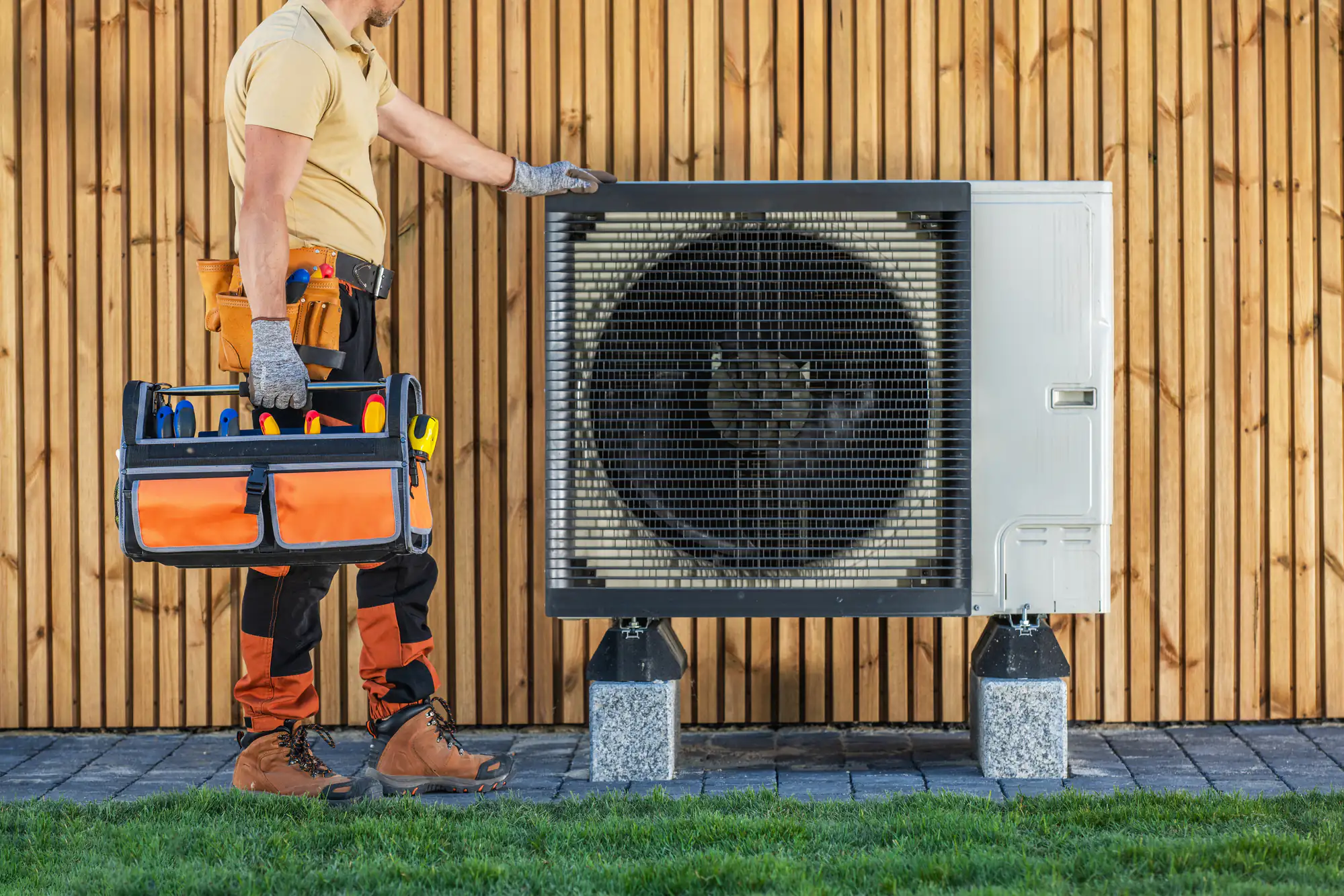
Your air conditioner stops dying years before it should. That’s what happens when we install corrosion-resistant components and apply protective coatings that block salt buildup. Most contractors don’t think about this because they don’t work on marine systems daily.
You get 15-20 year lifespans instead of 10-12. Your energy bills drop because the system isn’t fighting humidity and corrosion just to cool your home. And when something does need attention, it’s planned maintenance, not a panic call in July.
The difference is in the details. Aluminum alloy coils instead of standard copper. Monthly rinse protocols you can do yourself. Annual professional service that catches problems while they’re still small. This is what coastal HVAC actually requires, and most homeowners in East Quogue don’t find out until their second replacement in 15 years.
We’ve spent four decades working on marine HVAC systems, commercial refrigeration, and custom cooling solutions that would make most residential contractors walk away. That experience matters when your home is a mile from the ocean and salt air is eating through standard equipment.
East Quogue homes face the same corrosion challenges as boat systems and airport facilities. We know how to spec equipment that survives here. We know which protective treatments actually work and which ones are marketing. And we know what fails first in coastal environments because we’ve been fixing it since before most HVAC companies in this area existed.
You’re not getting a residential-only contractor learning on your dime. You’re getting someone who handles the most demanding HVAC environments professionally and brings that expertise to your home.
You call or submit a request. We respond the same day, usually within a couple hours. If it’s an emergency, we dispatch immediately and arrive in under two hours throughout Long Island.
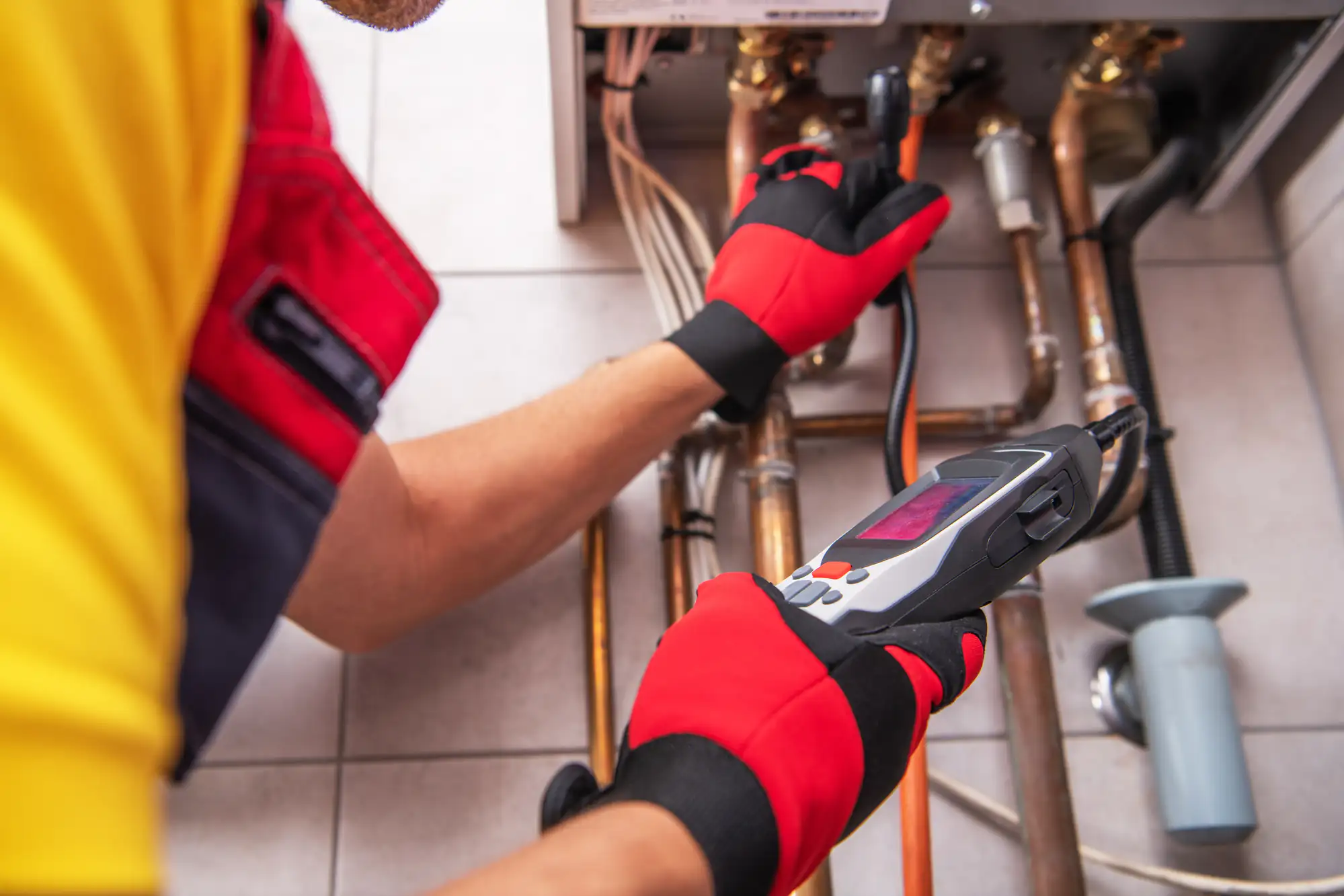
We assess what’s actually wrong, not what we can sell. Sometimes that’s a $200 repair. Sometimes it’s time for replacement because fixing a corroded system is throwing money away. We’ll tell you which one applies and why, with upfront pricing before any work starts.
Most repairs get completed same-day. We stock common parts for major brands, so about 70% of service calls get resolved on the first visit. For installations, we walk you through equipment options that make sense for coastal conditions. That means discussing corrosion-resistant materials, proper dehumidification capacity, and energy efficiency that actually pays back in East Quogue’s climate.
After installation, we set up a maintenance schedule that extends your system’s life. Monthly rinse reminders. Annual professional service. The small things that prevent big failures.
Ready to get started?
You get free estimates with transparent pricing. No hidden fees, no surprise charges after we’re already in your home. We assess your current system, measure your space, and recommend solutions based on your actual needs and budget.
For new installations, that includes equipment designed for coastal environments. Lennox systems with aluminum tubing and corrosion-resistant coatings. Proper sizing calculations so your AC isn’t oversized and cycling constantly. Dehumidification capacity that handles East Quogue’s humidity before trying to cool the air.
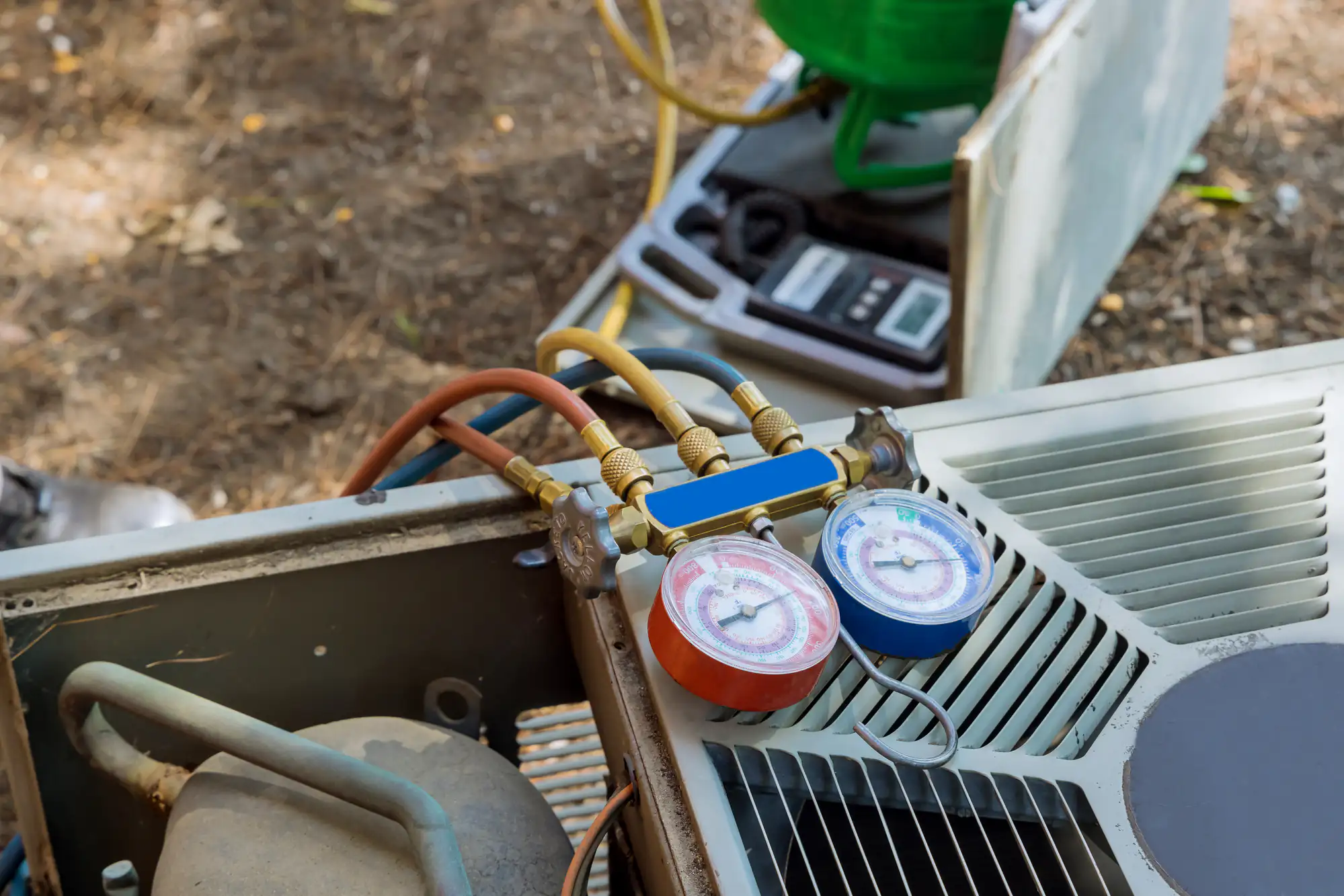
For repairs, we diagnose the real problem. If your system is short-cycling, we find out why instead of just replacing parts until something works. If salt buildup is killing efficiency, we address it and show you how to prevent it going forward.
Indoor air quality solutions matter more near the coast. Salt particles, humidity, and seasonal allergens all affect what you’re breathing inside. We install filtration and dehumidification systems that actually improve air quality, not just marketing claims on a box.
And you get 24/7 emergency service. Real people answer the phone at 2 AM when your heat goes out in January. We don’t route you to an answering service in another state.
It depends entirely on whether it’s protected against salt air. Standard residential systems installed within a mile of the ocean typically last 10-12 years here. That’s 30-50% shorter than the manufacturer’s rated lifespan because salt accelerates corrosion on metal components.
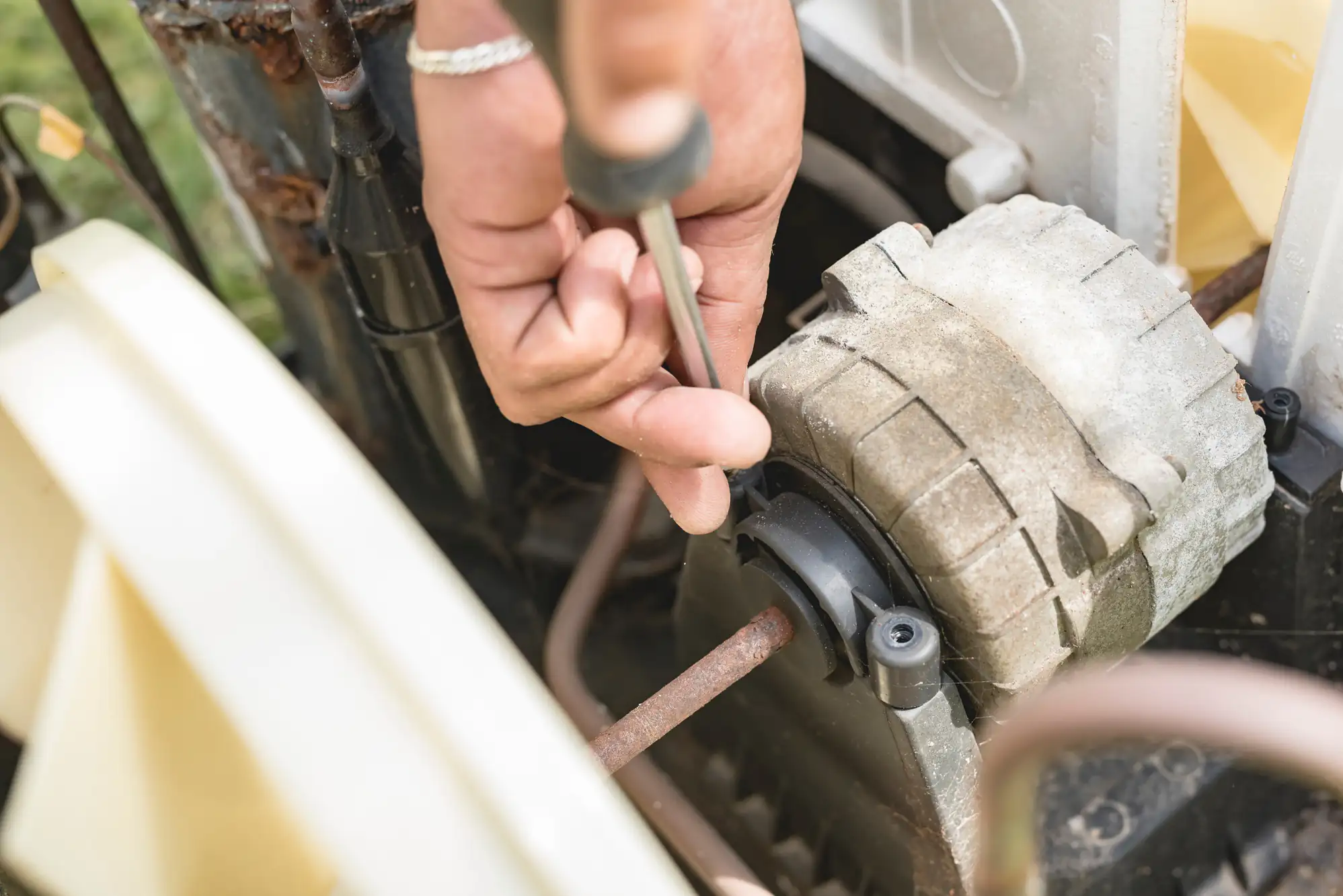
Systems with coastal protection—corrosion-resistant coils, protective coatings, and regular maintenance—can reach 15-20 years. The difference is in the materials and upkeep. Aluminum alloy coils resist salt damage better than standard copper. Monthly freshwater rinses remove salt buildup before it causes permanent damage. Annual professional service catches early corrosion before it spreads.
If your contractor didn’t discuss coastal protection during installation, your system probably doesn’t have it. Most residential HVAC companies don’t think about marine-grade components because they don’t work in environments where it matters. But in East Quogue, it’s the difference between replacing your system twice in 20 years or once.
Two common causes in East Quogue: undersized dehumidification or salt buildup on the condenser coils. Your AC has to remove humidity before it can cool the air. Coastal homes have higher humidity loads, and if your system wasn’t sized for that, it runs constantly trying to catch up.
Salt buildup on outdoor coils acts like insulation, blocking heat transfer. Your system works harder, runs longer, and cools less effectively. If you can’t remember the last time someone rinsed your outdoor unit with fresh water, that’s probably your problem.
The fix depends on the cause. Salt buildup gets cleaned off and you start a monthly rinse schedule. Undersized dehumidification might mean adding a separate dehumidifier or replacing the system with properly sized equipment. We diagnose which issue you’re dealing with before recommending solutions. Sometimes it’s a $200 cleaning and maintenance plan. Sometimes it’s time for new equipment. But you’ll know exactly what’s wrong and what it costs to fix before we touch anything.
Average HVAC repairs run about $350, but that number doesn’t tell you much. A $350 compressor repair on a 15-year-old corroded system is bad money. The same repair on a 5-year-old system with coastal protection makes sense.
Here’s the actual question: how many years will this repair buy you? If your system is over 12 years old, showing corrosion damage, and needs a major component replaced, you’re probably 1-3 years from full replacement anyway. Spending $1,500 on repairs now means spending another $6,000-$12,000 on replacement soon.
New installations for coastal homes typically run $6,000-$12,000 depending on size and features. That includes corrosion-resistant components, proper sizing, and equipment that’ll last 15-20 years with maintenance. Federal rebates and financing can reduce upfront costs significantly, especially if you’re replacing an old R-410A system before the 2025 refrigerant regulations fully kick in.
We’ll give you both options with honest recommendations. Sometimes repair makes sense. Sometimes it’s throwing money at a dying system. You’ll know which applies to your situation.
Yes, unless you’re okay replacing your system 30-50% sooner than you should have to. Salt air is an electrolyte. It causes dissimilar metals in your AC to corrode faster. Standard residential equipment isn’t built for that.
Homes within a mile of the water see average HVAC lifespans of 10-12 years. Homes five miles inland get 15-20+ years from the same equipment. That’s not bad luck. That’s chemistry. Salt accelerates corrosion, period.
Coastal-grade protection means aluminum alloy coils instead of standard materials, anti-corrosive coatings applied during installation, and maintenance protocols that remove salt before it causes damage. It’s not exotic or expensive—it’s just different specifications than inland homes need. Most residential contractors don’t think about it because they’re not installing marine systems regularly. We do this daily on boats, airports, and commercial facilities where salt exposure is constant. Your home needs the same approach, just scaled appropriately.
Under two hours for genuine emergencies throughout Long Island, and we dispatch immediately when you call. Real people answer our phone 24/7—not an answering service, not a voicemail system. You talk to someone who can actually help right away.
About 70% of our emergency calls get resolved the same day because we stock common parts for major brands. We’re not showing up to diagnose the problem, then leaving to order parts, then coming back three days later. Most repairs happen on the first visit.
The other 30% require specialty parts or major components we don’t carry in the truck. In those cases, we’ll get you temporary solutions if possible and expedite parts orders. But you’ll know the timeline and cost before we leave, not days later after you’ve been sweating or freezing.
Emergency service costs more than scheduled maintenance—that’s true everywhere. But we don’t price-gouge panic situations. You get the same transparent, upfront pricing whether you call at 2 PM or 2 AM.
Monthly freshwater rinses of your outdoor condenser unit. That’s the single most important thing you can do in East Quogue. Takes five minutes with a garden hose. Removes salt buildup before it corrodes components. Costs nothing except the water.
Annual professional service catches problems early. We’re checking refrigerant levels, testing electrical connections, cleaning coils thoroughly, and inspecting for early corrosion. Finding a small leak now costs $200 to fix. Finding it next year after the compressor fails costs $1,500+.
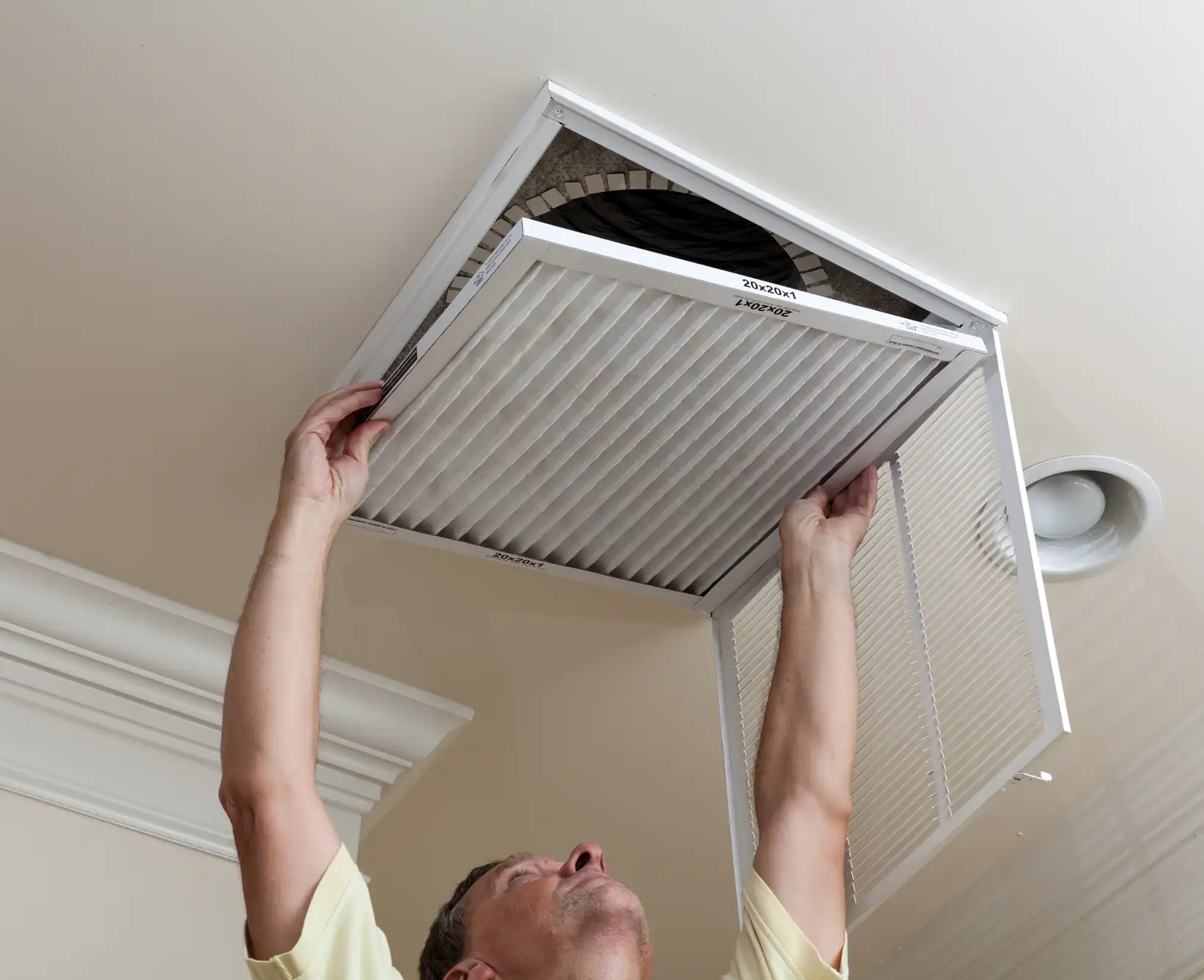
Filter changes every 1-3 months depending on your system and air quality needs. Dirty filters make your system work harder, reduce efficiency, and let contaminants circulate through your home. This matters more in coastal areas where salt particles and humidity are constant factors.
What doesn’t help: duct cleaning unless you have specific contamination issues, expensive “tune-up” packages that don’t include actual repairs, and extended warranties that exclude coastal corrosion damage. We’ll tell you what your system actually needs based on its age, condition, and environment. Sometimes that’s minimal. Sometimes it’s more involved. But you won’t pay for maintenance theater that doesn’t extend your equipment’s life.