
Hear from Our Customers
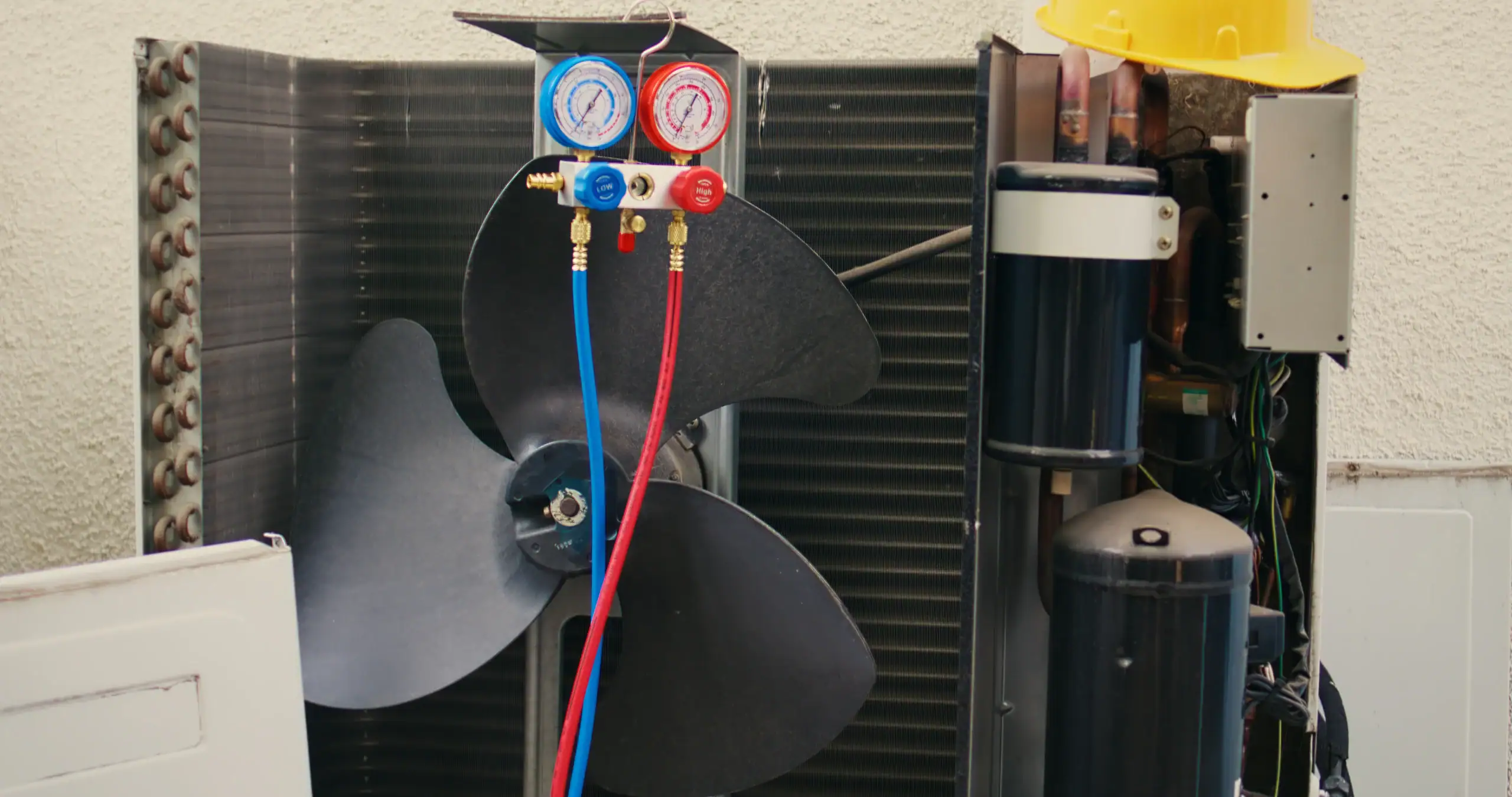
Your marine refrigeration system should work as hard as you do on the water. When it’s properly installed and maintained, you get consistent cooling that doesn’t drain your batteries or wake you up at night.
You stop worrying about spoiled provisions during extended trips. Your system runs quietly in the background, keeping everything at the right temperature while using minimal power.
The difference is having a system designed specifically for marine conditions—not a household unit forced into boat duty. Your refrigeration becomes reliable, efficient, and built to handle whatever the water throws at it.
We’ve been solving marine refrigeration challenges in the East Williston area for over 40 years. We specialize in marine HVAC and commercial refrigeration, serving boat owners who need systems that actually work in maritime environments.
Long Island’s boating community knows marine refrigeration requires different expertise than residential HVAC. Saltwater, constant motion, and limited power sources create unique challenges that general contractors simply don’t understand.
We handle everything from simple repairs to complex custom cooling solutions for larger vessels. With dozens of five-star reviews and 24/7 consulting availability, we’ve built our reputation on solving problems other companies can’t handle.
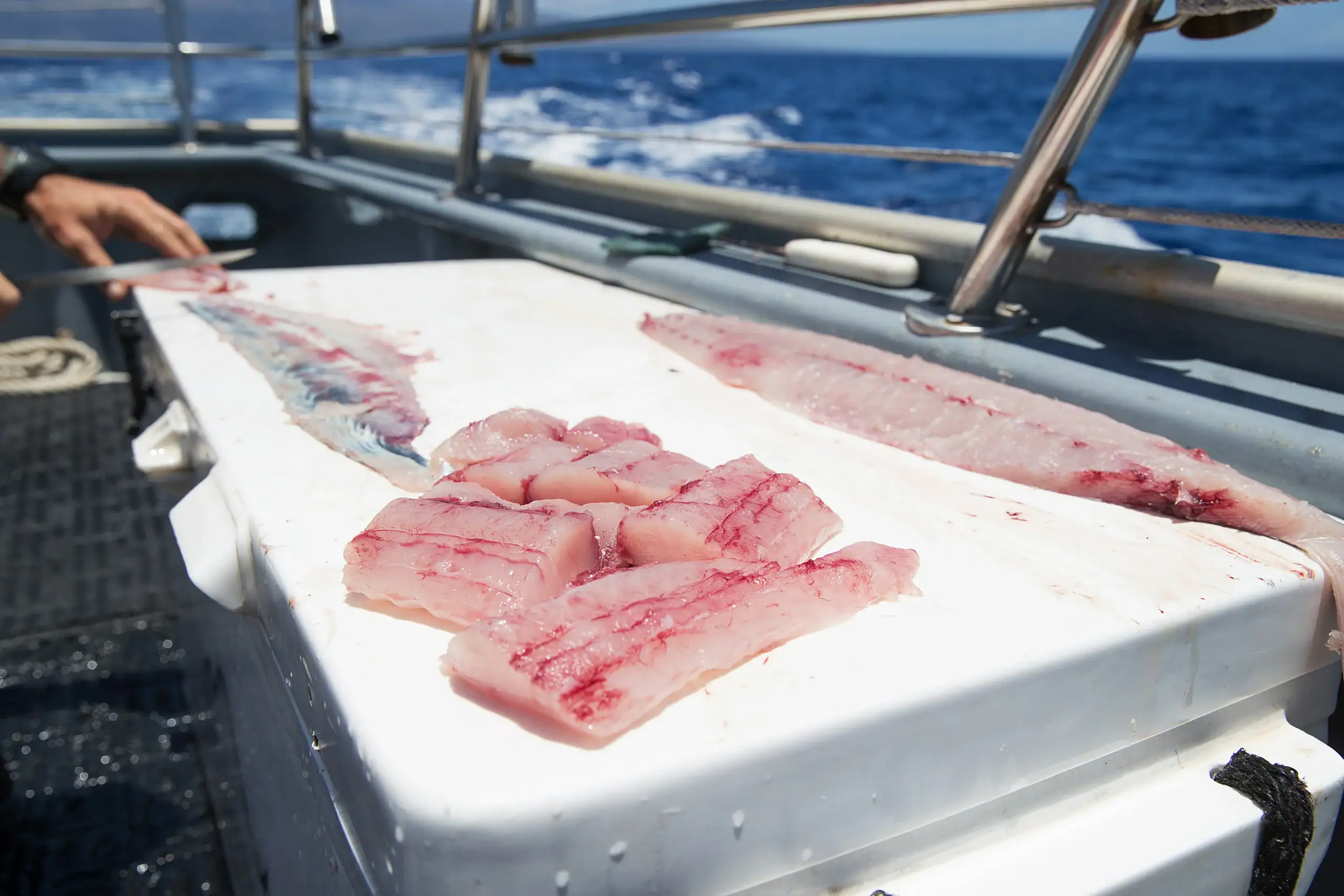
Our process starts with a free consultation to assess your current system and cooling needs. We evaluate your vessel’s power capacity, available space, and specific requirements for refrigeration or air conditioning.
Next comes system design and component selection. Marine refrigeration requires specialized parts that can handle seawater cooling, constant vibration, and limited electrical capacity. The right components make the difference between a system that works and one that fails.
Installation follows marine industry standards with proper seawater connections, electrical integration, and insulation. The final step includes system testing, performance verification, and maintenance scheduling to keep everything running efficiently. You get a complete walkthrough of operation and maintenance requirements.
Ready to get started?
Our service includes marine refrigeration installation, repair, and maintenance for all vessel types. This covers boat refrigerators, freezers, ice makers, and marine air conditioning systems designed for the demanding conditions on Long Island waters.
East Williston’s marine environment presents specific challenges. Saltwater exposure, temperature fluctuations, and limited dock time for repairs require systems built for reliability. We address these local conditions with marine-grade components and installation techniques proven in Long Island’s waters.
Custom solutions handle unique vessel requirements that standard systems can’t meet. Whether you need a compact refrigeration setup for a smaller boat or a comprehensive chilled water system for a larger yacht, our approach focuses on efficiency, reliability, and minimal maintenance requirements.
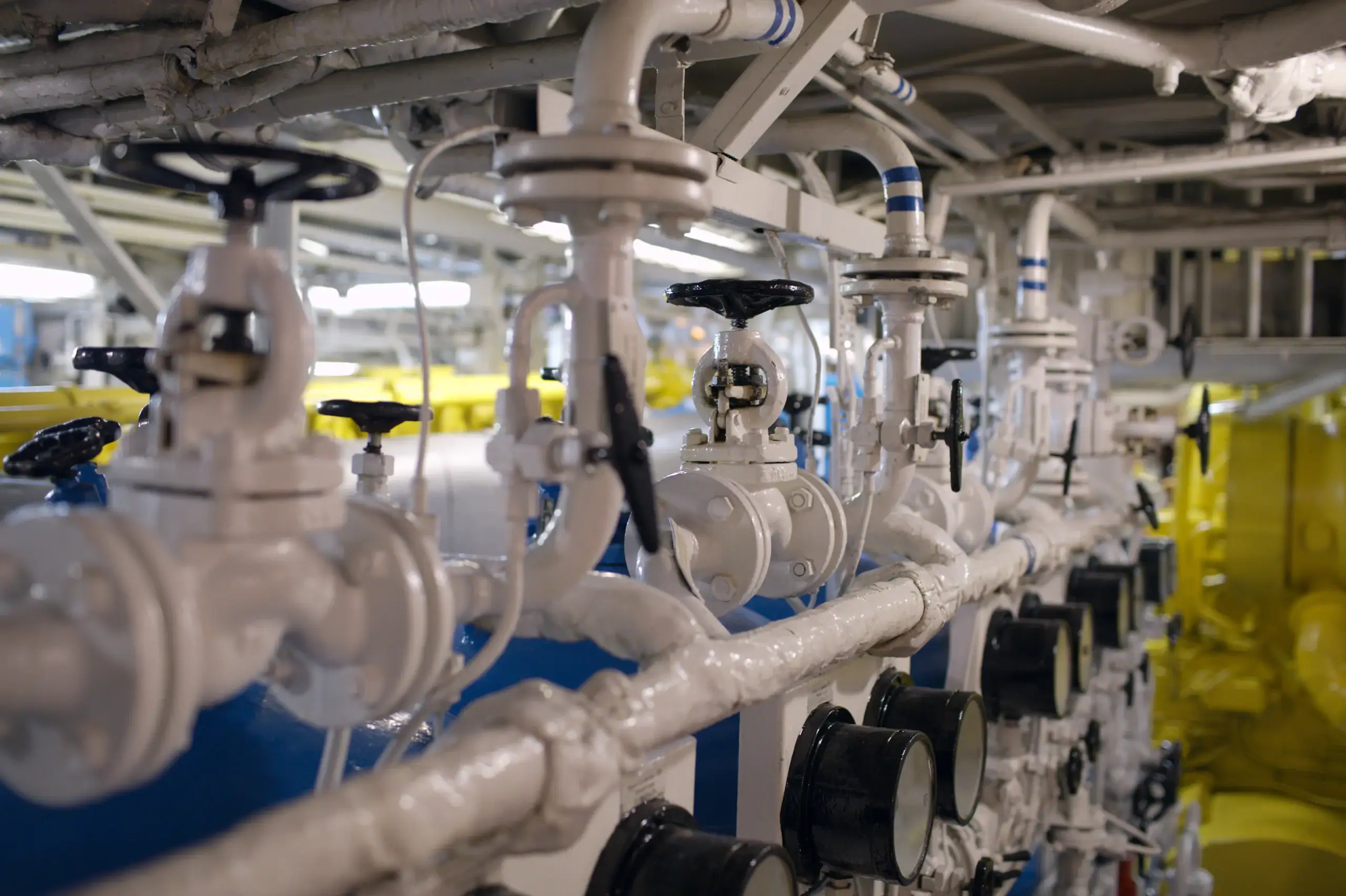
Marine refrigeration systems need attention every 3-4 months during active boating season. The harsh marine environment—saltwater, constant motion, and temperature changes—puts extra stress on components compared to land-based systems.
Critical maintenance includes checking seawater strainers every few weeks, inspecting return air filters monthly, and monitoring refrigerant levels. These simple checks prevent most major failures and keep your system running efficiently.
Annual professional service should include a complete system inspection, cleaning of condensers and evaporators, refrigerant pressure testing, and electrical connection checks. This preventive approach costs far less than emergency repairs when you’re anchored somewhere remote.
Marine refrigeration systems must handle conditions that destroy regular household units. Constant motion, saltwater exposure, limited electrical power, and space constraints require completely different engineering approaches.
Marine systems use seawater for cooling instead of air cooling, which is far more efficient but requires corrosion-resistant components. They’re designed to operate on 12V or 24V DC power without draining your batteries, unlike standard AC-powered units.
The compressors, condensers, and electrical components are all marine-grade to withstand vibration and moisture. Installation techniques also differ—proper mounting, vibration isolation, and drainage are critical for reliable operation in a marine environment.
Well-designed marine refrigeration systems use 3-8 amps per hour depending on size and efficiency. A typical 12V marine refrigerator draws about 5 amps when running, cycling on and off to maintain temperature.
Power consumption depends heavily on insulation quality, ambient temperature, and how often you open the unit. Poor insulation or oversized systems waste battery power, while properly sized units with good insulation run efficiently.
Modern marine refrigeration systems include variable-speed compressors and smart controls that adjust power usage based on conditions. This can reduce power consumption by 30-40% compared to older fixed-speed systems, extending your time between battery charging.
Most boats can be retrofitted with modern marine refrigeration, though the approach depends on available space, electrical capacity, and seawater access for cooling. Older boats often have inadequate insulation or undersized electrical systems that need upgrading.
The retrofit process starts with evaluating your current setup—electrical capacity, available mounting space, and cooling water access. Many installations require running new electrical circuits or upgrading to higher-capacity alternators or battery banks.
Custom solutions handle unique space constraints or unusual cooling requirements. Whether you’re adding refrigeration to a boat that never had it or upgrading an old system, the key is matching the system capacity to your actual needs and available resources.
First, check the obvious issues—electrical connections, circuit breakers, and seawater intake strainers. Many apparent “system failures” are actually simple blockages or loose connections that you can fix yourself.
If basic checks don’t solve the problem, shut down the system to prevent damage and contact us for professional service. Running a malfunctioning refrigeration system often makes repairs more expensive and can damage other components.
We’re available 24/7 for critical situations. When you’re dealing with spoiled provisions or need immediate cooling, professional diagnosis and repair can often get you running again quickly. Many common problems can be resolved with parts we carry in our well-stocked service vehicles.
System sizing depends on the volume you need to cool, insulation quality, ambient temperature, and available electrical power. Oversized systems waste power and cycle too frequently, while undersized systems run constantly and never reach proper temperatures.
A typical calculation considers cubic feet of refrigerated space, insulation R-value, expected ambient temperatures, and daily door openings. Professional sizing also accounts for your electrical system capacity and battery bank size.
The best approach involves evaluating your actual usage patterns—how much food you store, how long you’re typically away from shore power, and what temperatures you need to maintain. This real-world assessment ensures you get a system that meets your needs without wasting power or space.