Hear from Our Customers
You know the signs. Your air conditioner struggles during July humidity. Your furnace makes noises it didn’t make last winter. Your energy bills keep climbing even though you’re not using more power.
Here’s what changes when your HVAC system actually works the way it should. You stop worrying about breakdowns during the hottest week of summer or the coldest snap in January. Your home reaches the temperature you set without running constantly. You’re not calling emergency repair services on weekends or holidays.
Most homes in East Williston were built in the 1950s. That means ductwork designed for different equipment, insulation that’s seen better days, and systems that weren’t built to handle Long Island’s coastal climate. Salt air corrodes outdoor units faster than you’d expect. Humidity makes your AC work overtime just to dehumidify before it can cool.
When your heating system maintenance is handled by someone who understands these specific challenges, your equipment lasts longer and performs better. When your air conditioning repair is done right the first time, you’re not paying twice for the same problem.
We’ve spent over 40 years working on the most complex HVAC and refrigeration systems in the region. Airports, commercial kitchens, marine vessels, walk-in coolers. The kind of equipment where failure isn’t an option and troubleshooting requires actual expertise.
That background matters for your home because the same principles apply. Refrigerant behaves the same way whether it’s in a restaurant cooler or your AC unit. Corrosion from salt air affects commercial rooftop units the same way it affects your condenser. The diagnostic process doesn’t change just because the system is smaller.
East Williston homeowners deal with unique challenges. Your property values are high, which means you expect service that matches. Your homes are older, which means cookie-cutter solutions don’t work. You’re close enough to the water that coastal weather impacts your equipment. We’ve been handling these exact conditions across Nassau County for decades.
You reach out, and we schedule a time that works for you. No waiting weeks for an appointment. If it’s an emergency, we’re available 24/7 because HVAC failures don’t happen on a convenient schedule.
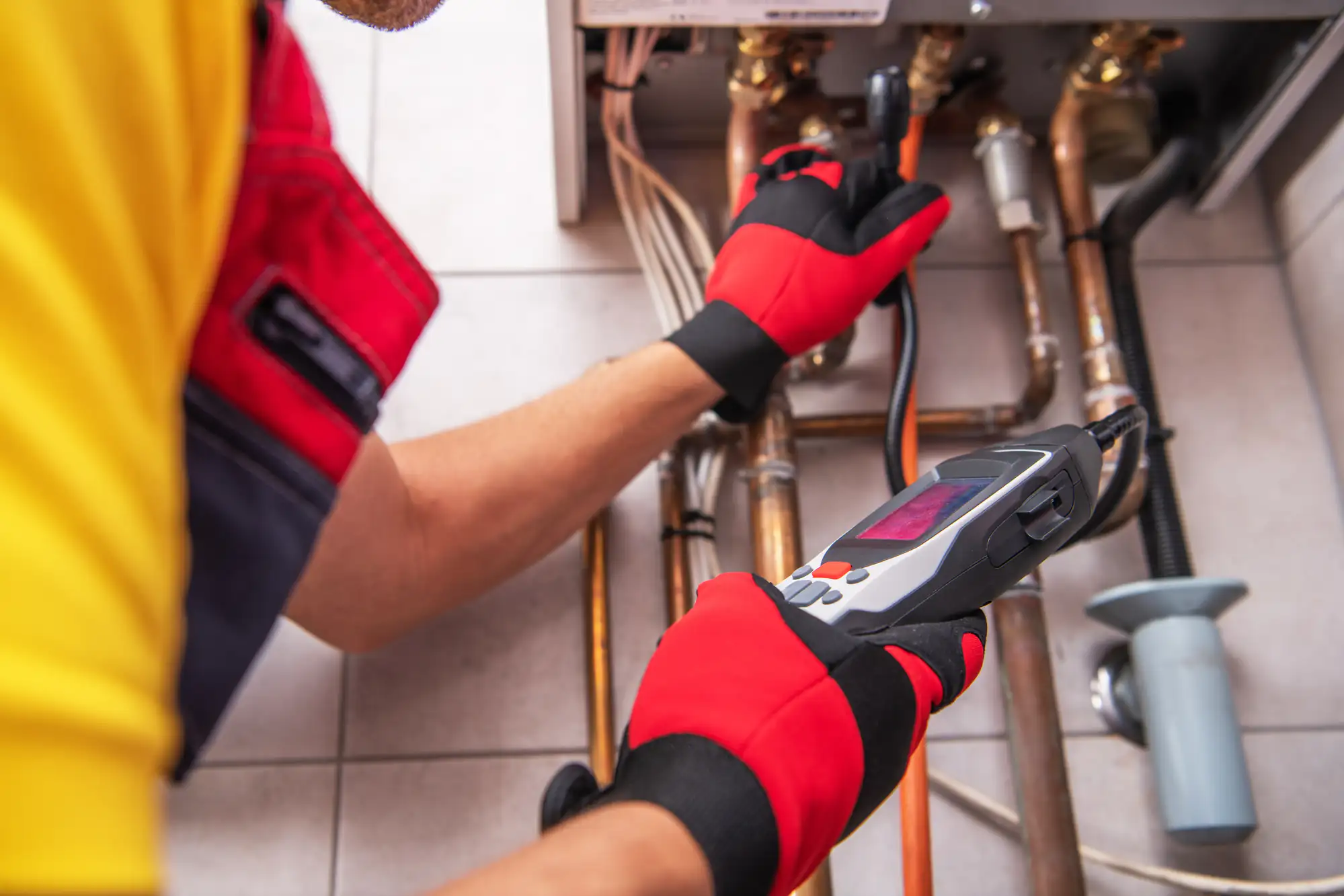
We show up and diagnose the actual problem. Not what we think it might be, not what we hope it is so we can sell you something. We test, measure, and verify. You get a clear explanation of what’s wrong, why it happened, and what it takes to fix it. Free estimate, transparent pricing, no surprises when the bill comes.
If it’s a repair, we fix it right. If it’s time for HVAC replacement, we walk through your options based on your home’s specific needs. Ductless mini splits work great in some East Williston homes. Traditional central air makes more sense in others. We’re not pushing one solution because it’s what we have in the truck.
After the work is done, your system either works correctly or we haven’t finished yet. You’re not dealing with callbacks or “that’s normal” excuses. And if you want to keep it working correctly, we offer maintenance programs that catch small problems before they become expensive emergencies.
Ready to get started?
Your furnace installation gets handled by technicians who’ve installed commercial boilers and marine heating systems. That means proper sizing, correct ductwork connections, and combustion testing that ensures safe operation. You’re not getting a rushed job from someone who learned HVAC last year.
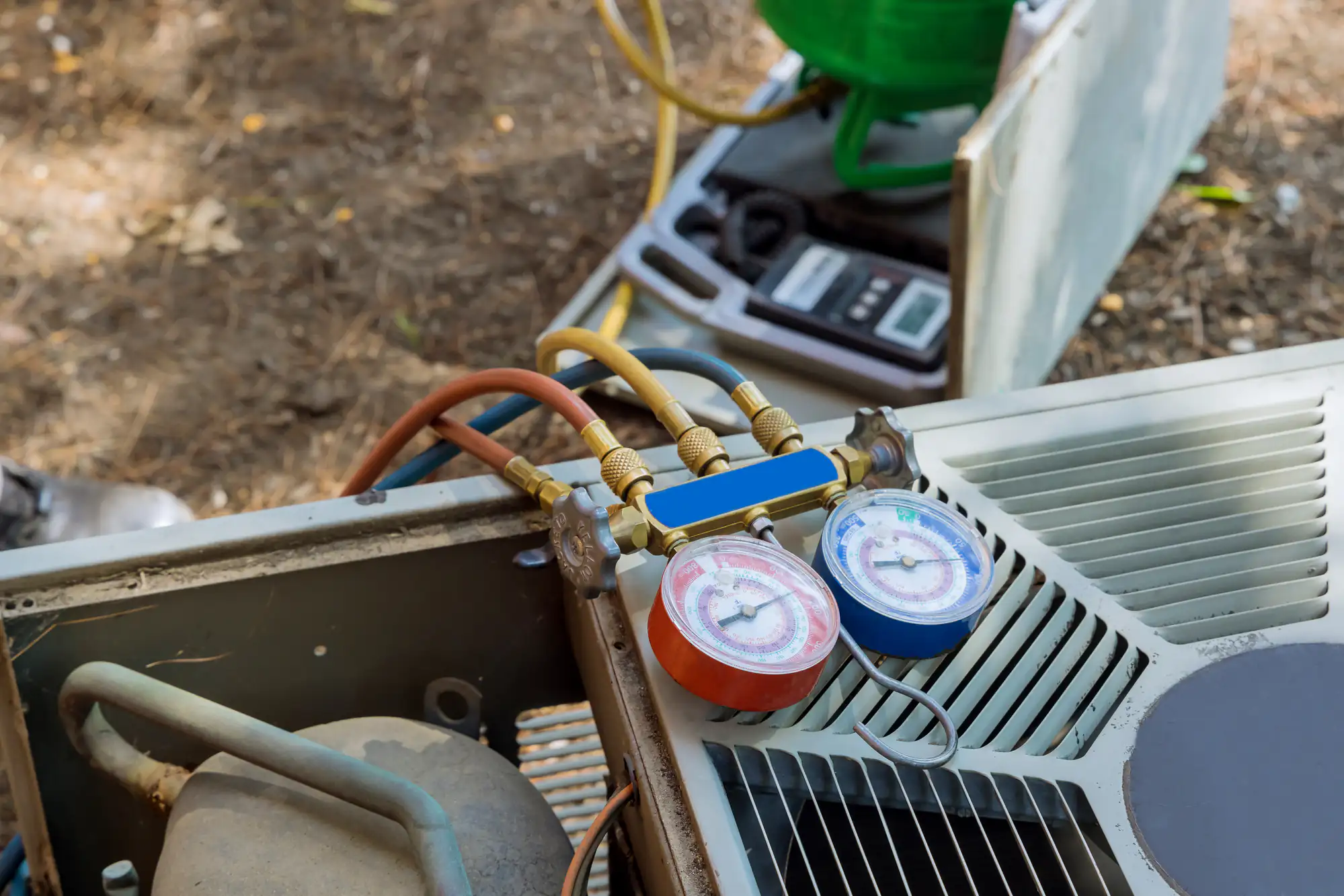
Air conditioning repair in East Williston means understanding how coastal humidity affects performance. Your system might be low on refrigerant because of corrosion you can’t see. It might be freezing up because the airflow is restricted. It might be running constantly because it’s oversized for your actual cooling load. We diagnose the real issue, not just the symptom.
Indoor air quality matters more than most people realize. Modern HVAC systems can include HEPA filtration, UV-C treatment, and humidity control that actually makes a difference. If someone in your home has allergies or respiratory issues, these aren’t luxury upgrades. They’re solutions that improve daily life.
Heating system maintenance means checking combustion efficiency, testing safety controls, and cleaning components that affect performance. It means catching the small leak before it becomes a no-heat emergency in January. Most homeowners spend $120-$1,500 annually on maintenance contracts, but that’s cheaper than emergency furnace replacement at 2 AM.
Energy efficiency improvements can qualify you for tax credits up to $2,000 for heat pumps. Heat pumps are outselling gas furnaces by 25% nationally because they work and they save money. Whether that’s right for your East Williston home depends on your specific situation, but it’s worth the conversation.
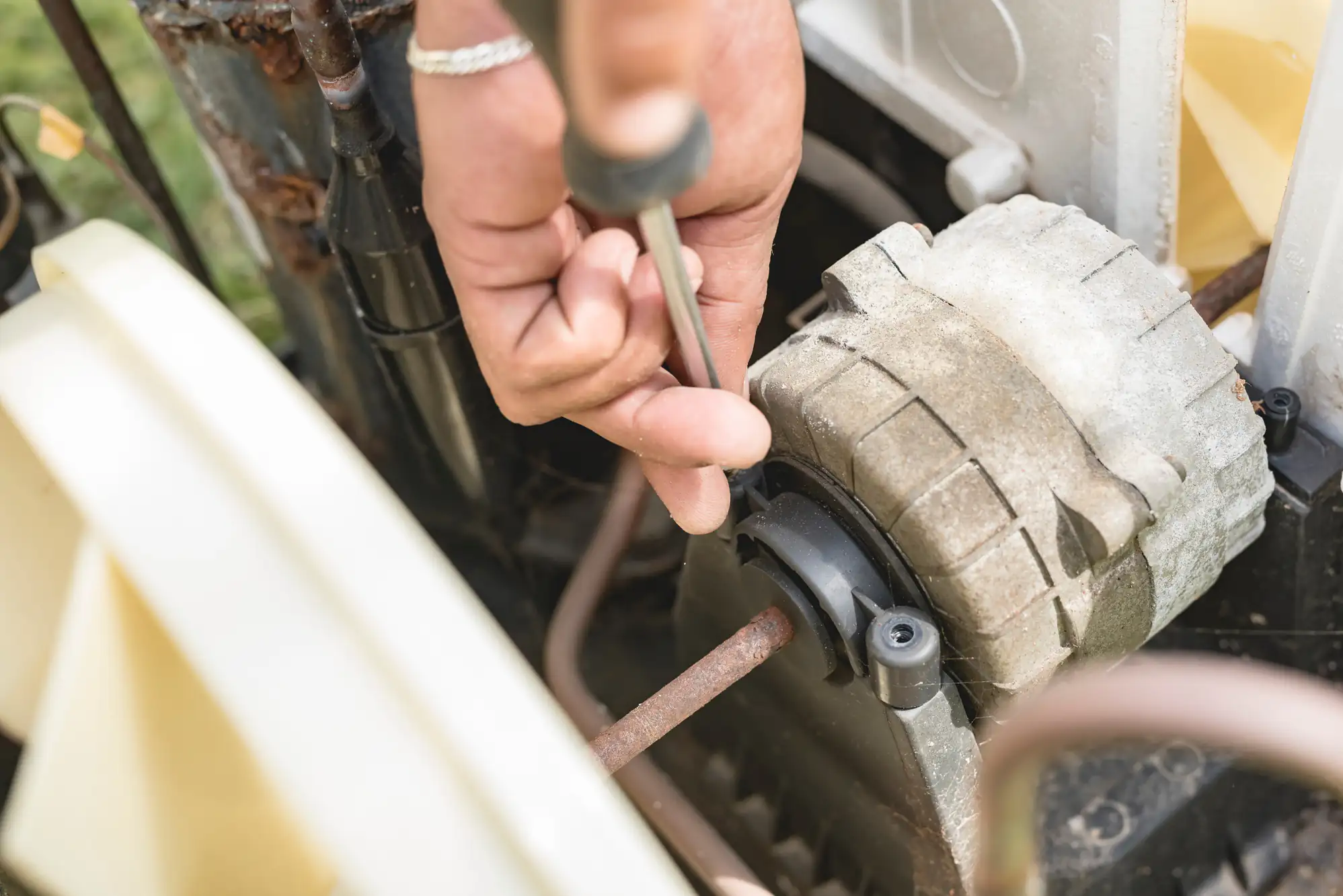
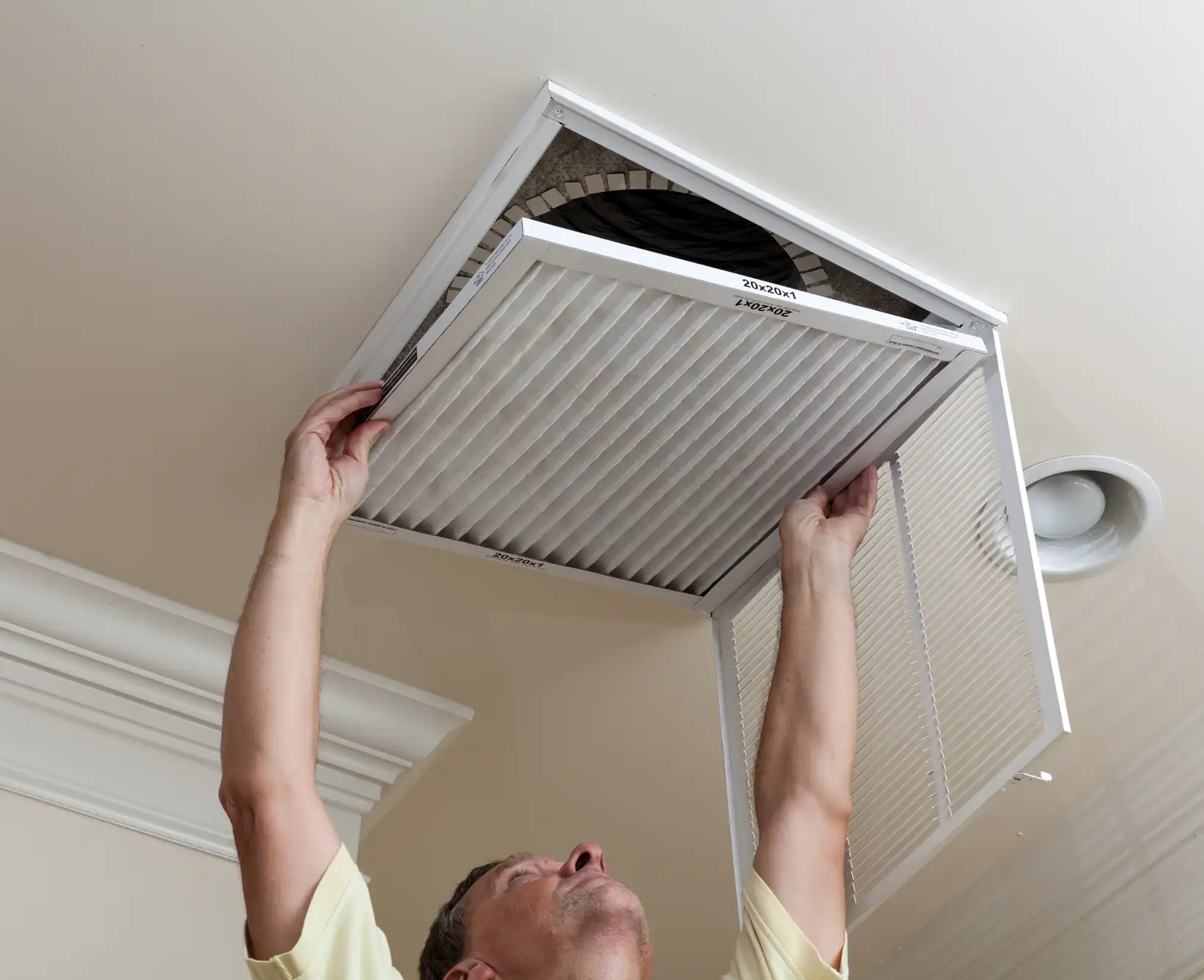
Your air conditioner should be serviced every spring before cooling season starts. Your furnace should be serviced every fall before heating season starts. That’s the baseline.
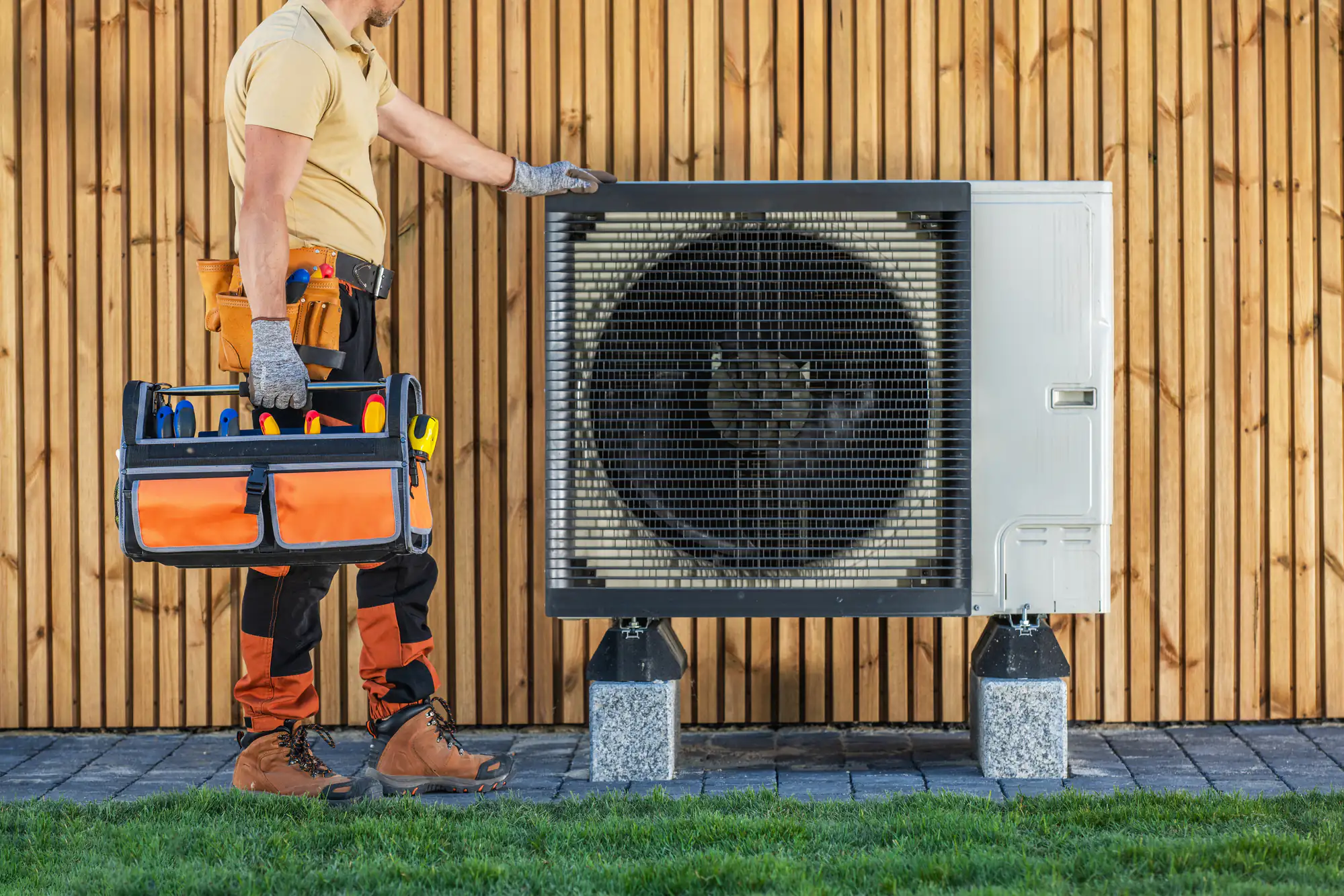
If your home is in East Williston near the water, you’re dealing with salt air that accelerates corrosion on outdoor units. That means your AC condenser needs more frequent inspection than systems five miles inland. If your home was built in the 1950s like most in the area, your ductwork might be leaking conditioned air into your attic or crawlspace, which means your system works harder than it should.
Annual maintenance catches refrigerant leaks before they become expensive. It identifies failing capacitors before they strand you without AC in July. It cleans burners and tests safety controls before they cause a dangerous situation. Most importantly, it extends equipment life by years, which matters when you’re looking at $8,000-$15,000 for replacement.
Most manufacturers claim 15-20 years, but that’s under ideal conditions. East Williston isn’t ideal conditions.
Salt air from coastal weather corrodes aluminum fins on outdoor condensers. Humidity makes your AC run longer cycles, which means more wear on compressors and motors. Nor’easters with near-hurricane winds can damage outdoor units if they’re not properly secured. Your system is working harder than the same equipment would work in, say, Pennsylvania.
With proper maintenance, you can expect 12-15 years from a quality system in this area. Without maintenance, you’re looking at 8-10 years before major components fail. The difference is whether you’re budgeting for replacement in 2037 or scrambling to find money in 2033. Regular service, prompt repairs, and keeping outdoor units clear of debris all add years to the lifespan.
If your system is under 8 years old and the repair costs less than half of replacement, repair it. If your system is over 12 years old and needs a major component like a compressor or heat exchanger, replacement usually makes more sense.
Here’s the math that matters. A new compressor might cost $2,000 installed. A full system replacement might cost $8,000. If your AC is 14 years old, that $2,000 compressor might buy you two more years before something else fails. You’ve now spent $10,000 total for a system that’s 16 years old. You would have been better off replacing it at 14.
Energy efficiency is the other factor. If your current system is 15+ years old, it’s probably 13-14 SEER. New systems are 16-20 SEER, which means 20-40% lower cooling costs. Over ten years, that energy savings can offset a significant portion of the replacement cost. We’ll run the actual numbers for your situation so you can make an informed decision.
Air conditioners remove humidity as a byproduct of cooling, but they’re not specifically designed as dehumidifiers. In East Williston’s coastal climate, you’re dealing with outdoor humidity levels that regularly hit 70-80% in summer.
Your AC has to dehumidify the air before it can effectively cool it. If your system is oversized for your home, it reaches the temperature setpoint quickly and shuts off before it’s had time to remove enough moisture. You end up with a cool, clammy house that feels uncomfortable even though the thermostat says 72 degrees.
The solution depends on what’s causing the problem. Sometimes it’s as simple as adjusting fan settings so the system runs longer cycles. Sometimes it requires a properly sized replacement system. Sometimes it means adding a dedicated dehumidifier that works alongside your AC. We measure indoor humidity levels, check system runtime, and determine what’s actually needed rather than guessing.
We come to your home and evaluate the actual situation. Not a phone quote based on square footage. Not a ballpark figure that changes when we show up.
For repairs, we diagnose the problem, explain what failed and why, and provide exact pricing for the fix. You’ll know if it’s a $200 capacitor or a $2,000 compressor before we start work. For replacements, we calculate your home’s actual heating and cooling load, measure your existing ductwork, check your electrical service, and recommend properly sized equipment.
You get options, not pressure. We’ll show you what a basic system costs, what a mid-range system with better efficiency costs, and what a premium system with all the features costs. We’ll explain what you gain at each level so you can decide what makes sense for your budget and your home. The estimate is detailed enough that you can compare it to other quotes line by line. And it’s free, which means you risk nothing by getting our professional assessment.
Yes. We offer 24/7 emergency consulting and response because HVAC emergencies don’t wait for business hours.
Your furnace fails at 11 PM on a Sunday in January. Your AC dies at 6 PM Friday before a holiday weekend in July. Your heat pump stops working during a nor’easter. These situations need immediate attention, not a voicemail promising a callback on Monday.
When you call our emergency line, you reach someone who can help right then. We’ll troubleshoot over the phone if possible to get your system running. If we need to come out, we come out. You’re not waiting days in an uncomfortable or unsafe situation. Emergency service costs more than scheduled service because we’re prioritizing your call over everything else, but you’ll know the pricing upfront before we dispatch. For many East Williston homeowners, knowing that emergency help is available 24/7 provides peace of mind even if they never need to use it.