Hear from Our Customers
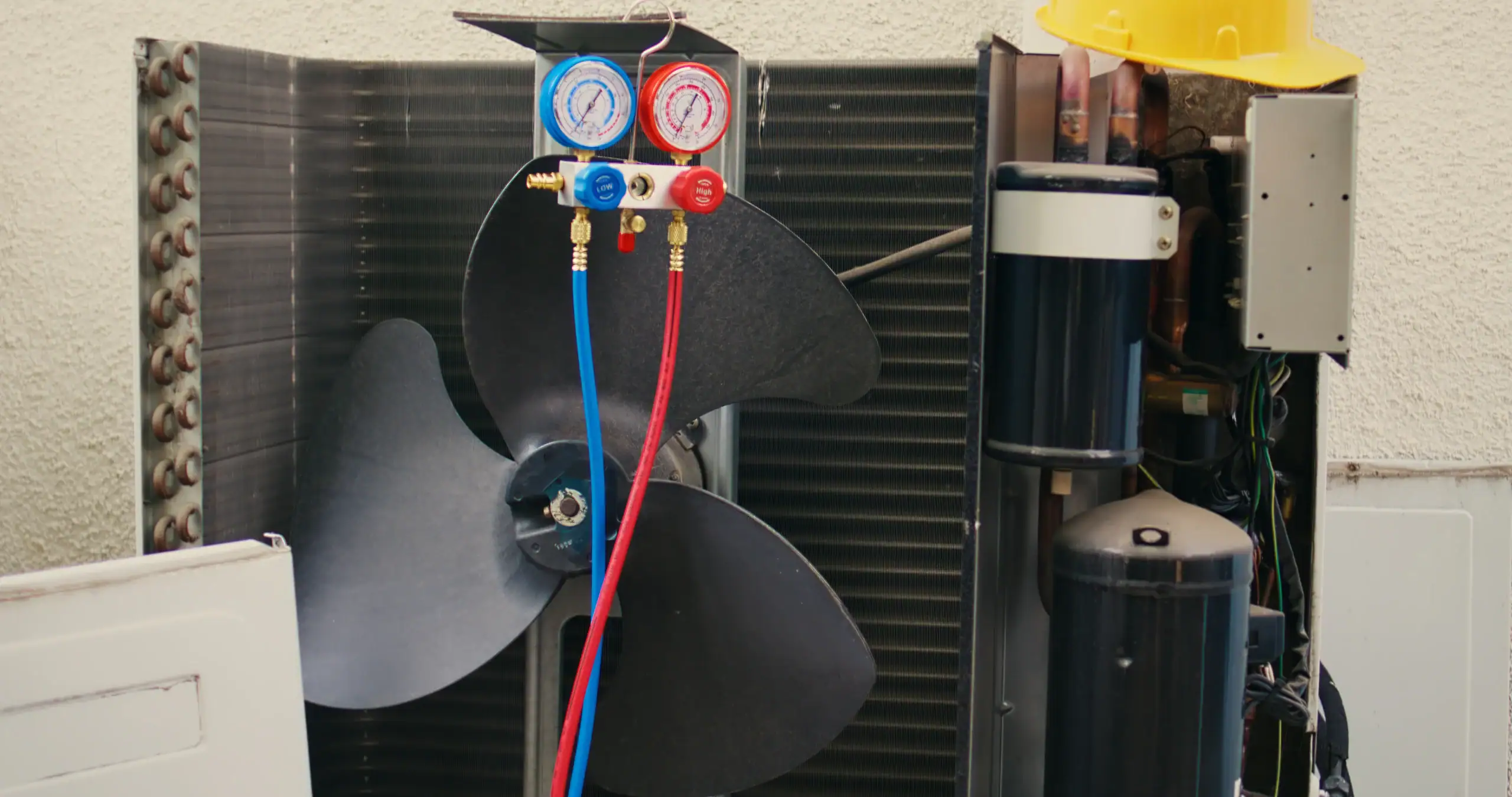
Your weekend on the water shouldn’t include discovering your galley refrigerator quit working overnight. When marine refrigeration systems fail, you’re not just dealing with inconvenience—you’re looking at spoiled provisions, disappointed guests, and potentially cutting trips short.
We handle the marine-specific challenges that land-based HVAC companies miss entirely. Saltwater corrosion, constant vibration, limited ventilation, and tight installation spaces require different approaches than standard refrigeration work.
Your boat’s cooling systems work reliably because we understand how coastal humidity affects compressor performance and why marine refrigeration units need different maintenance schedules than their land-based counterparts.
We’ve spent over 40 years becoming the marine refrigeration company that yacht clubs and boat owners actually trust. We’re not a general HVAC company that dabbles in marine work—we’re specialists who understand the unique demands of boat systems.
Eatons Neck’s boating community knows that marine refrigeration isn’t just about keeping things cold. It’s about systems that work reliably in saltwater environments, handle constant motion, and fit into spaces where every inch matters. The high-end vessels common in this area demand precision work and reliable service.
We’ve built our reputation by showing up when other companies won’t, carrying the right parts, and fixing problems correctly the first time.
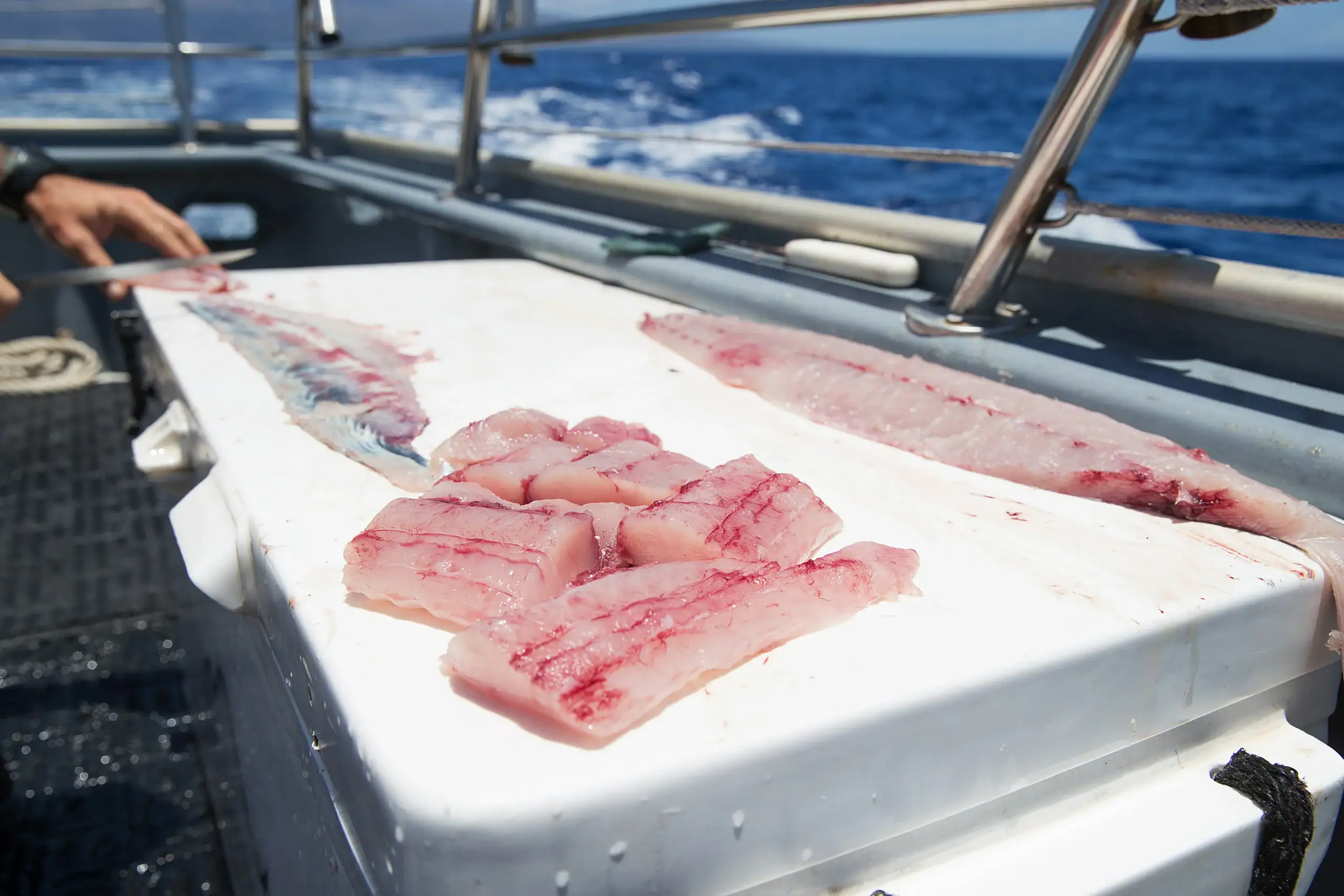
When you call us about marine refrigeration problems, we start by understanding what’s actually happening—not just what symptoms you’re seeing. Most boat refrigeration issues stem from a handful of common causes, but the marine environment creates complications that require specific expertise.
Our technicians arrive with fully stocked service vehicles carrying parts for major marine refrigeration brands. We diagnose the root cause, explain what needs to be done, and provide upfront pricing before starting work. No surprises, no unnecessary upselling.
For emergency situations, we provide temporary solutions to protect your provisions while completing permanent repairs. Whether it’s a failed compressor during boating season or a refrigerant leak discovered before a long cruise, we prioritize getting your systems working reliably again.
Ready to get started?
Marine refrigeration and air conditioning systems face challenges that land-based equipment never encounters. Constant exposure to salt air, limited ventilation space, and the need to operate efficiently while the boat moves through different climate conditions require specialized knowledge and equipment.
We service everything from compact cabin refrigerators to full galley systems, including ice makers, wine coolers, and specialized storage units. Our work includes both 12V DC systems common on smaller boats and 120V AC systems found on larger yachts. We also handle marine air conditioning systems that keep cabins comfortable during Long Island’s humid summers.
Eatons Neck’s boating season demands reliable equipment. We schedule maintenance during off-season months and provide priority emergency service during peak boating times. Our maintenance programs are designed around the specific stresses that marine environments place on cooling equipment, helping prevent failures when you’re miles from shore.
Marine refrigeration systems need professional service at least twice yearly due to the harsh saltwater environment. Spring commissioning should include checking refrigerant levels, cleaning condenser coils of salt buildup, testing thermostats, and inspecting electrical connections for corrosion.
Fall winterization involves different procedures depending on whether you’re storing the boat or using it year-round. We drain water lines, check for leaks that could freeze, and ensure systems are properly shut down or prepared for winter operation.
Boats used heavily during summer months or those kept in particularly humid environments may benefit from quarterly service. The key is catching small problems before they become expensive failures when you’re trying to enjoy your boat.
Salt air is the biggest culprit, causing corrosion in electrical connections, condenser coils, and metal components that would last decades in a home environment. Constant vibration from engines and wave action loosens connections and stresses moving parts beyond normal wear patterns.
Limited ventilation space means compressors work harder to dissipate heat, shortening their lifespan. Many boats also have inadequate electrical systems that cause voltage fluctuations, which damage sensitive refrigeration components over time.
Temperature swings are more extreme on boats—from hot engine compartments to air-conditioned cabins—creating expansion and contraction cycles that stress seals and gaskets. These factors combined mean marine refrigeration systems typically need more frequent service and component replacement than residential units.
Yes, icebox conversions are common upgrades we handle regularly. The process involves installing a compressor system, evaporator plates or cooling coils, and the necessary electrical connections. We assess your boat’s electrical capacity, available space for equipment, and insulation quality before recommending the best approach.
Most conversions use either 12V DC systems that run off your boat’s battery bank or 120V AC systems for boats with generators or shore power connections. DC systems are more energy-efficient but require adequate battery capacity. AC systems provide more cooling power but need consistent power sources.
The key is proper sizing and installation. An undersized system will run constantly and drain batteries quickly. An oversized system will cycle on and off frequently, reducing efficiency and component lifespan. We design conversions based on your specific boat, usage patterns, and power availability.
First, check obvious issues: ensure the unit is getting power, verify circuit breakers haven’t tripped, and confirm the thermostat settings haven’t changed. Listen for unusual noises from the compressor—grinding or clicking sounds indicate mechanical problems requiring professional service.
If the system has power but isn’t cooling, avoid repeatedly turning it on and off, which can damage the compressor. Move perishables to coolers with ice if available, and minimize opening the refrigerator to preserve remaining cold air.
Contact us immediately for emergency service. We provide 24/7 support and can often diagnose problems over the phone to determine if it’s safe to continue operating the system or if it should be shut down until repairs are made. For boats in our service area, we typically respond within 2-4 hours for emergency calls.
Low refrigerant typically causes gradual temperature increases rather than complete system failure. You might notice the refrigerator running constantly but not maintaining proper temperatures, or ice formation on evaporator coils that doesn’t melt during normal cycles.
However, refrigerant doesn’t just disappear—if levels are low, there’s a leak somewhere in the system. Simply adding refrigerant without fixing the leak is a temporary solution that will fail again, potentially causing more expensive damage to the compressor.
Professional diagnosis is essential because other problems can mimic refrigerant issues. Dirty condenser coils, failing thermostats, or electrical problems can cause similar symptoms. We use proper gauges and testing equipment to determine actual refrigerant levels and locate leaks before making repairs that actually solve the problem permanently.
Marine refrigeration components are built to handle saltwater corrosion, constant vibration, and limited ventilation space that would destroy standard residential equipment. Compressors have enhanced mounting systems to absorb vibration, and electrical components use marine-grade connections and coatings.
Evaporator plates in marine systems are typically thicker and designed to hold cold temperatures longer when the system cycles off to conserve battery power. Condenser coils use corrosion-resistant materials and are sized for the limited airflow available in boat engine compartments.
Marine systems also operate on different voltage requirements—many use 12V or 24V DC power instead of standard 120V AC power. This requires different compressors, controls, and electrical components designed for battery-powered operation. The installation methods, mounting hardware, and even the refrigerants used are often different from land-based systems.