Hear from Our Customers
You stop worrying about whether your heat will kick on when temperatures drop. You’re not adjusting the thermostat every hour trying to find a comfortable setting that actually holds.
Your energy bills stop climbing every month because your system runs efficiently instead of working twice as hard to do half the job. That’s what happens when your HVAC equipment is properly sized for your home, installed correctly, and maintained by people who’ve been doing this for over 40 years.
You get consistent temperatures in every room. No more cold spots in the bedroom or a living room that’s ten degrees warmer than everywhere else. Your indoor air quality improves because your system isn’t just moving air around—it’s filtering it properly, controlling humidity, and keeping your family comfortable without the constant battle.
We’ve been handling heating and cooling systems since before most HVAC companies in the area existed. We’ve worked on everything from marine air conditioning systems to commercial refrigeration at airports and restaurants across the Greater New York area.
That experience matters when you’re dealing with Eatons Neck’s coastal climate. Homes here face salt air, humidity swings, and temperature extremes that most inland properties never see. We’ve installed and repaired systems in conditions that would make other contractors walk away.
You’re not getting a crew that learned HVAC last year. You’re getting technicians who’ve seen every type of system failure, every installation challenge, and every workaround that actually holds up long-term in this specific environment.
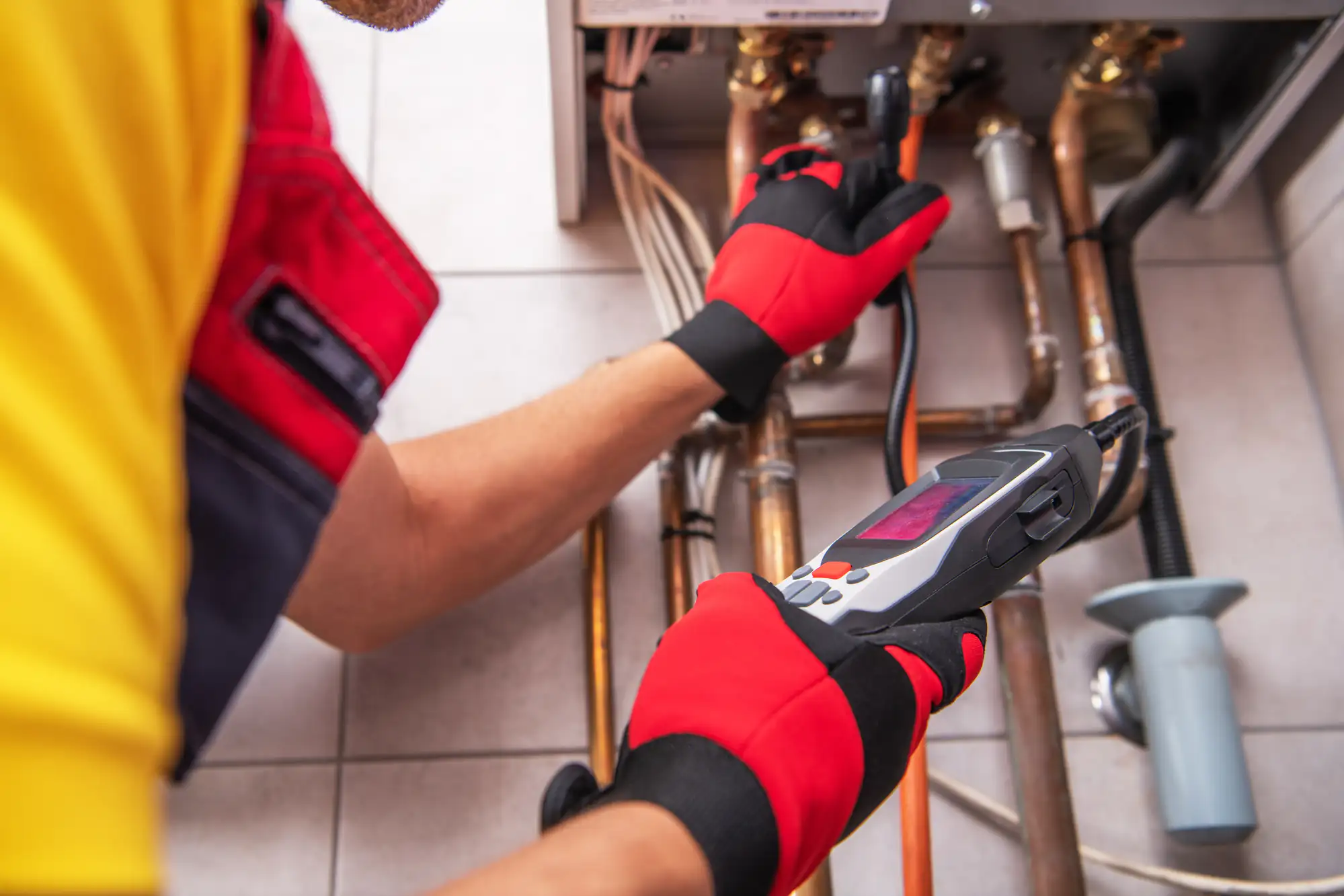
First, we come out and assess your current system and your home’s actual needs. Not what some chart says you need based on square footage—what your specific property requires based on insulation, layout, sun exposure, and how you actually use your space.
You get a free estimate that breaks down exactly what we’re recommending and why. No pressure, no upselling equipment you don’t need. If your current system can be repaired cost-effectively, we’ll tell you that instead of pushing a replacement.
When we do the installation, we’re not rushing through it to get to the next job. We’re sizing ductwork properly, sealing connections that other crews ignore, and making sure your new system is set up to run efficiently from day one. You get a walkthrough of how everything works, what maintenance you should expect, and how to spot problems before they become emergencies.
After installation, you have access to 24/7 emergency consulting. Not an answering service—actual access to people who can help when your system acts up at 2 AM on a Sunday.
Ready to get started?
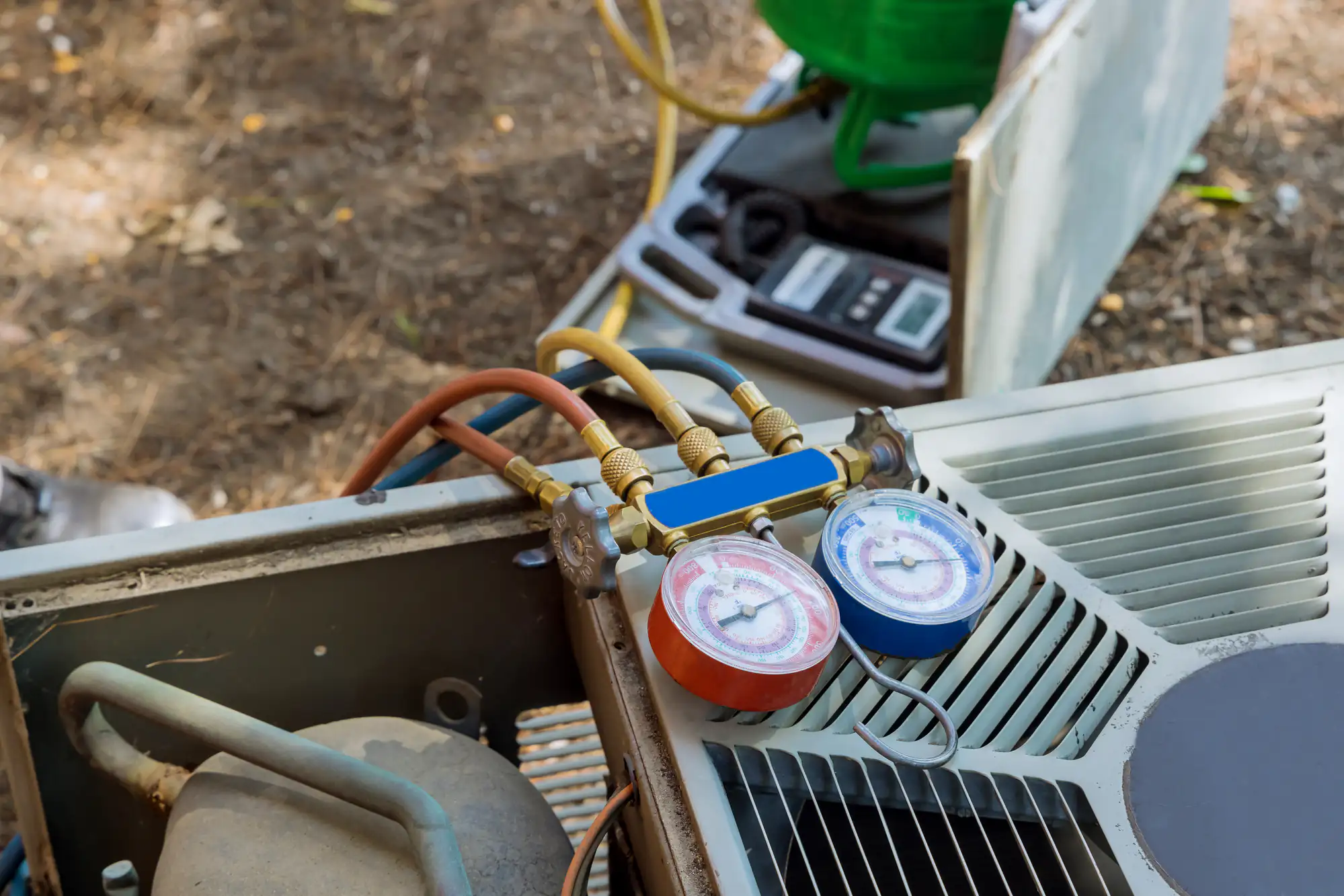
Air conditioning repair when your system stops cooling or starts making noises that weren’t there before. We handle refrigerant leaks, compressor failures, electrical issues, and airflow problems that most homeowners can’t diagnose on their own.
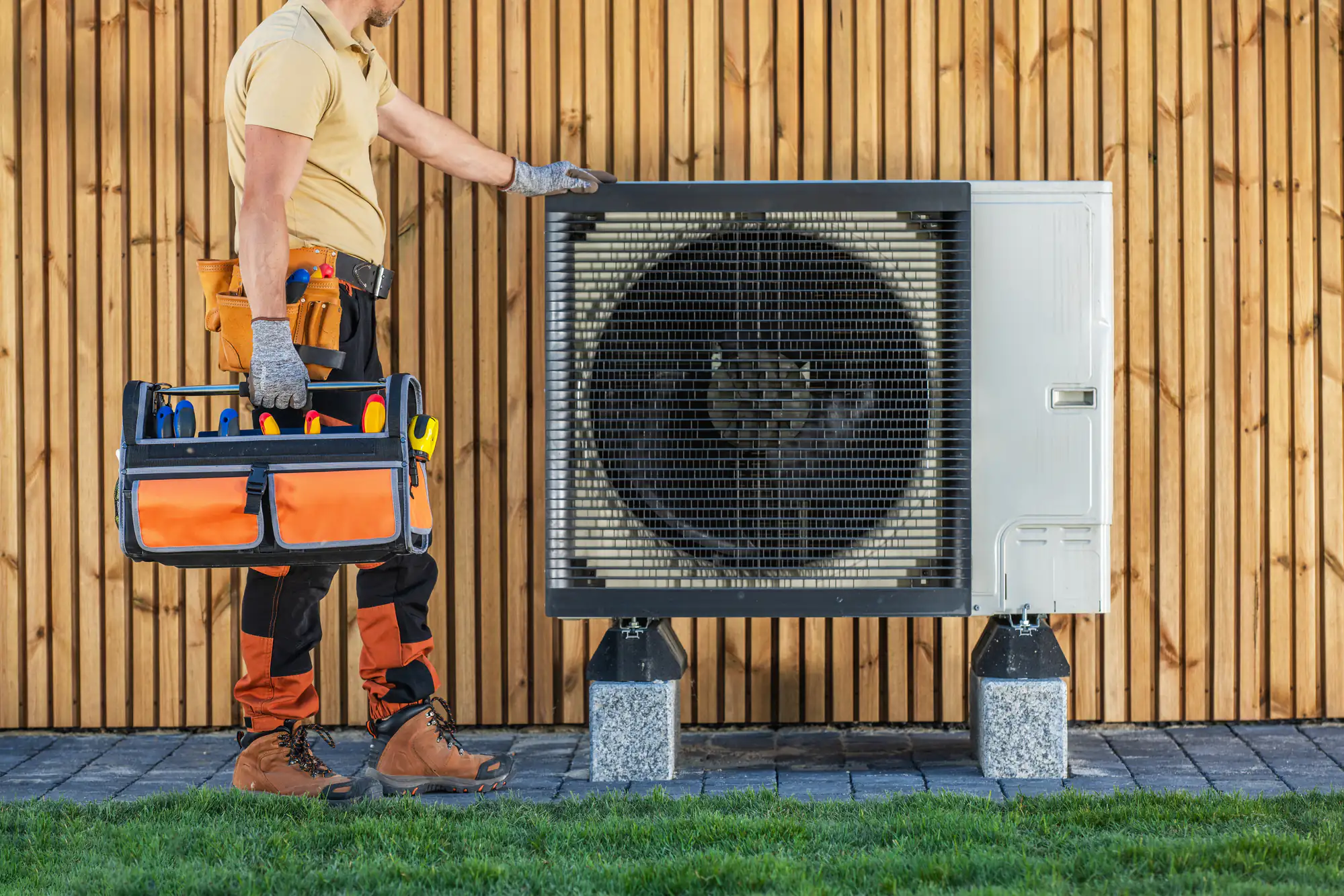
Furnace installation and heating system maintenance for homes with aging equipment or systems that can’t keep up with Long Island winters anymore. We work with high-efficiency heat pumps that qualify for PSEG Long Island rebates and federal tax credits up to $2,000—which means lower upfront costs and energy bills that don’t spike every time temperatures drop.
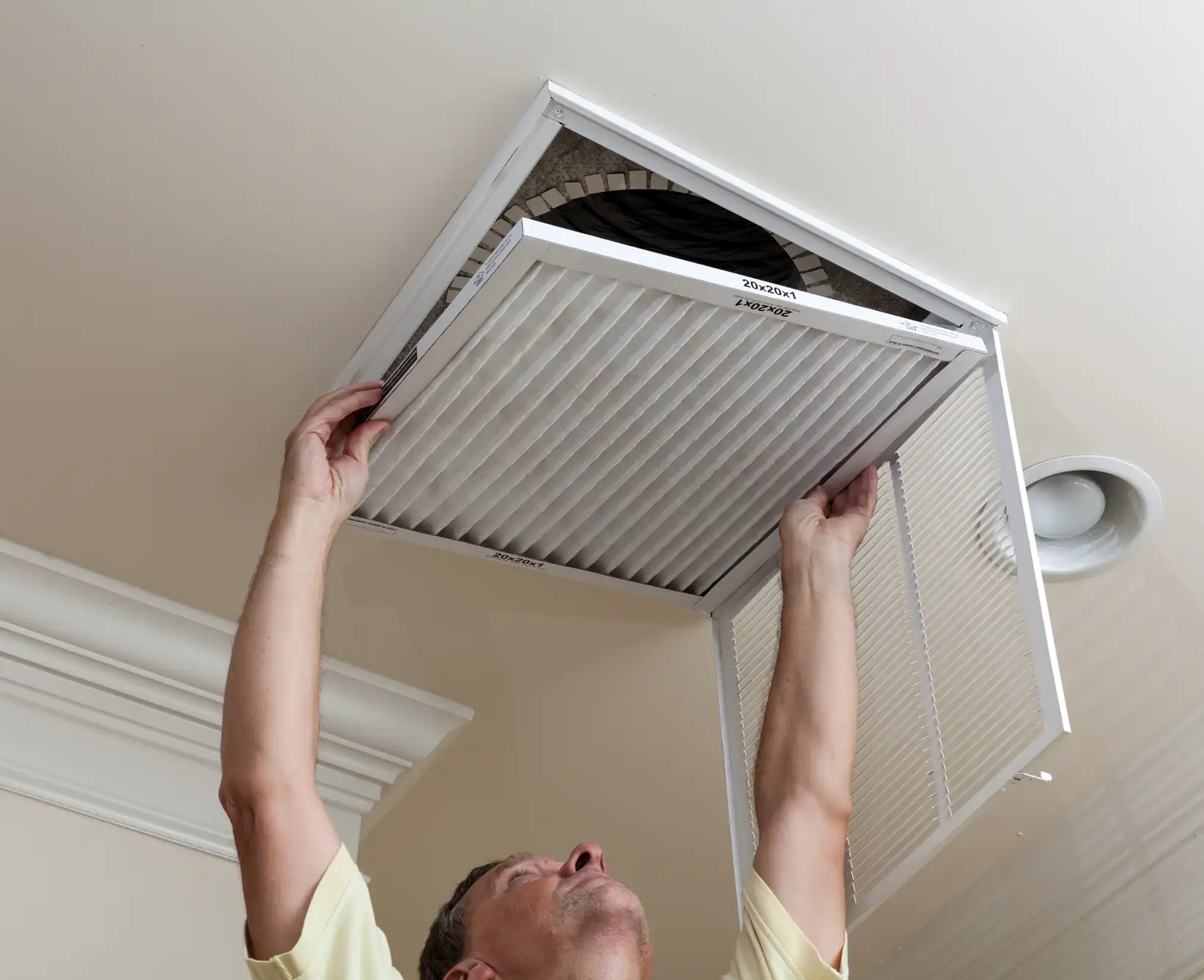
Indoor air quality solutions for homes dealing with humidity issues, allergens, or air that just feels stale no matter how much you adjust the thermostat. Proper filtration and humidity control make a bigger difference than most people realize, especially in Eatons Neck where coastal moisture creates its own set of challenges.
HVAC replacement when repair costs start approaching the price of new equipment. We’ll walk through the math with you so you can make an informed decision based on actual numbers, not scare tactics.
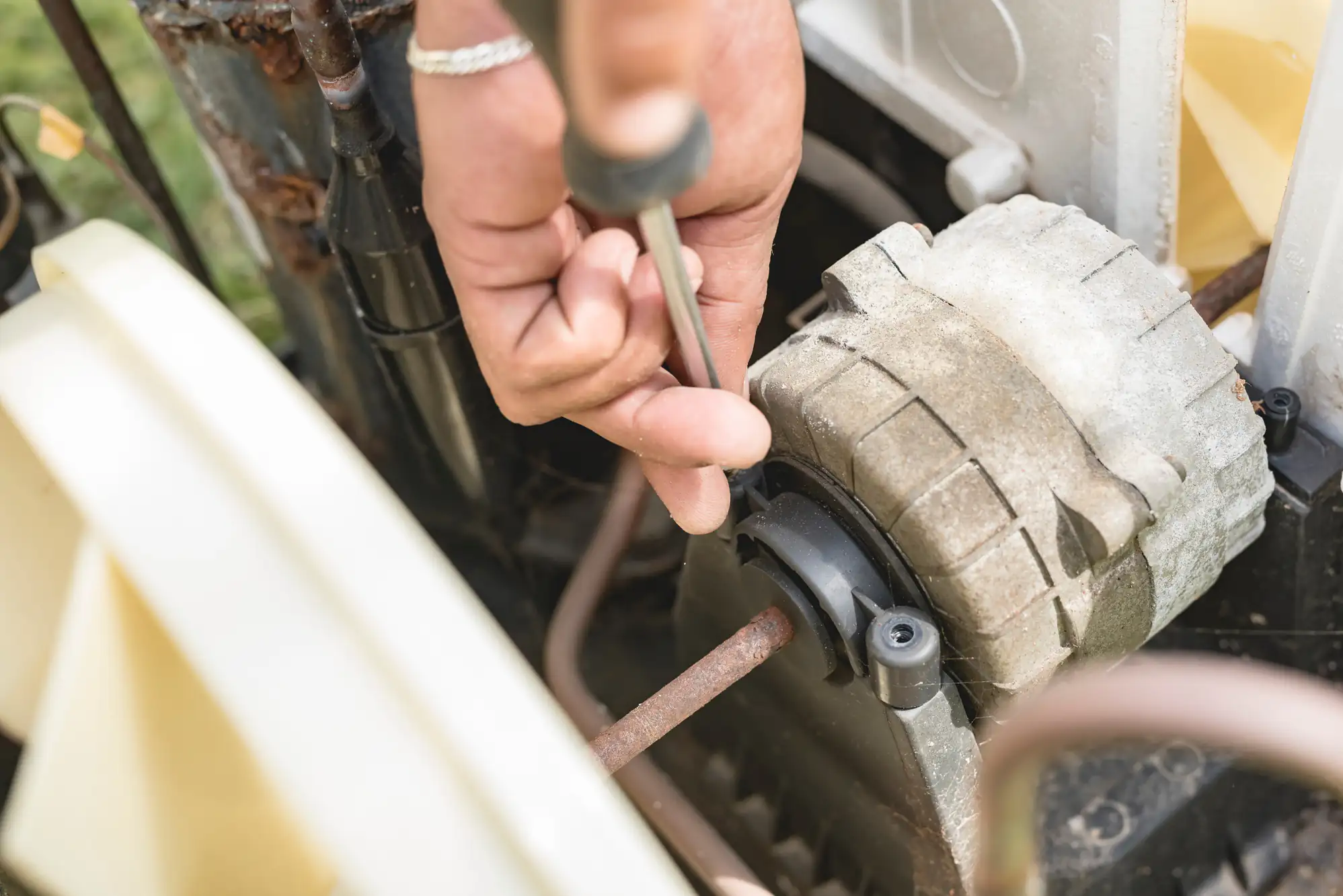
Twice a year—once before heating season and once before cooling season. That’s not a sales pitch. That’s what actually prevents breakdowns.
Most furnace failures happen during the first cold snap because the system sat unused for months and developed issues nobody caught. A fall maintenance check catches those problems while you still have time to fix them affordably instead of paying emergency rates when it’s 20 degrees outside.
Same goes for air conditioning. Spring maintenance before the first heat wave means we’re cleaning coils, checking refrigerant levels, and testing electrical connections before your system is running 12 hours a day. Homes near the water deal with more salt air and humidity than inland properties, which means more wear on outdoor units. Regular maintenance extends equipment life and catches small issues before they become expensive ones.
If your system is under 10 years old and the repair costs less than half the price of replacement, repair usually makes sense. If your equipment is 15+ years old and needs a major component like a compressor or heat exchanger, replacement is often the smarter move.
Here’s why: older systems run less efficiently even when they’re working properly. A new high-efficiency heat pump can cut your energy costs by 30-50% compared to a 20-year-old furnace and AC setup. Factor in available rebates—PSEG Long Island offers substantial incentives for heat pump installations, and federal tax credits cover 30% of equipment costs up to $2,000—and the payback period on new equipment is shorter than most homeowners expect.
We’ll run the actual numbers for your situation. Sometimes repair is the right call. Sometimes it’s throwing money at a system that’s going to fail again in six months. You deserve to know the difference before you decide.
Usually it’s ductwork issues, improper system sizing, or both. A system that’s too small can’t keep up with demand. A system that’s too large short-cycles and never runs long enough to distribute air evenly.
Ductwork problems are extremely common in older Eatons Neck homes. Leaky ducts waste 20-30% of conditioned air before it ever reaches the rooms you’re trying to heat or cool. Improperly sized ducts create pressure imbalances that leave some rooms comfortable and others not. We see this constantly in homes where previous contractors just swapped equipment without addressing the distribution system.
Air sealing and duct modifications fix most uneven temperature issues. Sometimes it’s adding return vents in rooms that don’t have adequate airflow. Sometimes it’s zoning systems so different areas of your home can be controlled independently. The fix depends on your specific layout, but the problem is almost never “that’s just how houses are.” Your home can be comfortable in every room if the system is set up correctly.
Age and repair history tell you most of what you need to know. If your furnace is 15-20 years old and needs a second major repair in two years, you’re better off replacing it. If it’s 8 years old and this is the first real problem, repair makes sense.
Warning signs that replacement is coming soon: your furnace runs constantly but doesn’t heat evenly, your energy bills have climbed significantly over the past few years, you’re hearing loud bangs or rattling that wasn’t there before, or the pilot light won’t stay lit. These indicate wear on core components that will eventually fail.
Heat pumps are worth considering even if your current furnace is repairable. New heat pump technology works efficiently in cold weather—something that wasn’t true ten years ago—and qualifies for rebates that bring costs down substantially. They provide both heating and cooling, which means you’re replacing two systems with one. For Eatons Neck homes with aging furnaces and AC units, a heat pump installation often costs less than replacing both systems separately and cuts energy bills significantly.
PSEG Long Island offers rebates for high-efficiency heat pump installations. The exact amount varies based on equipment efficiency ratings, but qualified systems can receive substantial rebates that reduce your upfront costs.
Federal tax credits cover 30% of heat pump equipment and installation costs, up to $2,000. That’s a direct credit on your taxes, not a deduction. Combined with PSEG rebates, you’re looking at significant savings on equipment that will also lower your monthly energy bills.
New York State is pushing hard for electrification and away from fossil fuel heating systems. That means rebate programs are well-funded right now, but they won’t last forever. The Climate Leadership and Community Protection Act has specific emissions reduction targets that are driving these incentives. Taking advantage of available rebates now makes financial sense, especially if your current system is nearing the end of its lifespan anyway. We’ll help you navigate which rebates your installation qualifies for and handle the paperwork so you’re not figuring it out on your own.
Yes. We provide 24/7 emergency consulting because HVAC failures don’t wait for business hours. When your heat goes out at midnight in January or your AC quits during a summer heat wave, you need help immediately.
Emergency service means we pick up the phone and help you troubleshoot what’s happening. Sometimes we can walk you through a quick fix that gets your system running until we can get there for a proper repair. Sometimes the problem requires an immediate service call, and we’ll get someone to your home as quickly as possible.
Eatons Neck’s location creates specific challenges during extreme weather. Coastal storms can cause power fluctuations that damage HVAC equipment. High humidity and salt air accelerate wear on outdoor units. We’ve been handling these issues in this area for over 40 years, which means we know what typically fails and how to fix it fast. Emergency service isn’t just about showing up—it’s about actually solving the problem so your family isn’t suffering while you wait for parts or a callback.