Hear from Our Customers
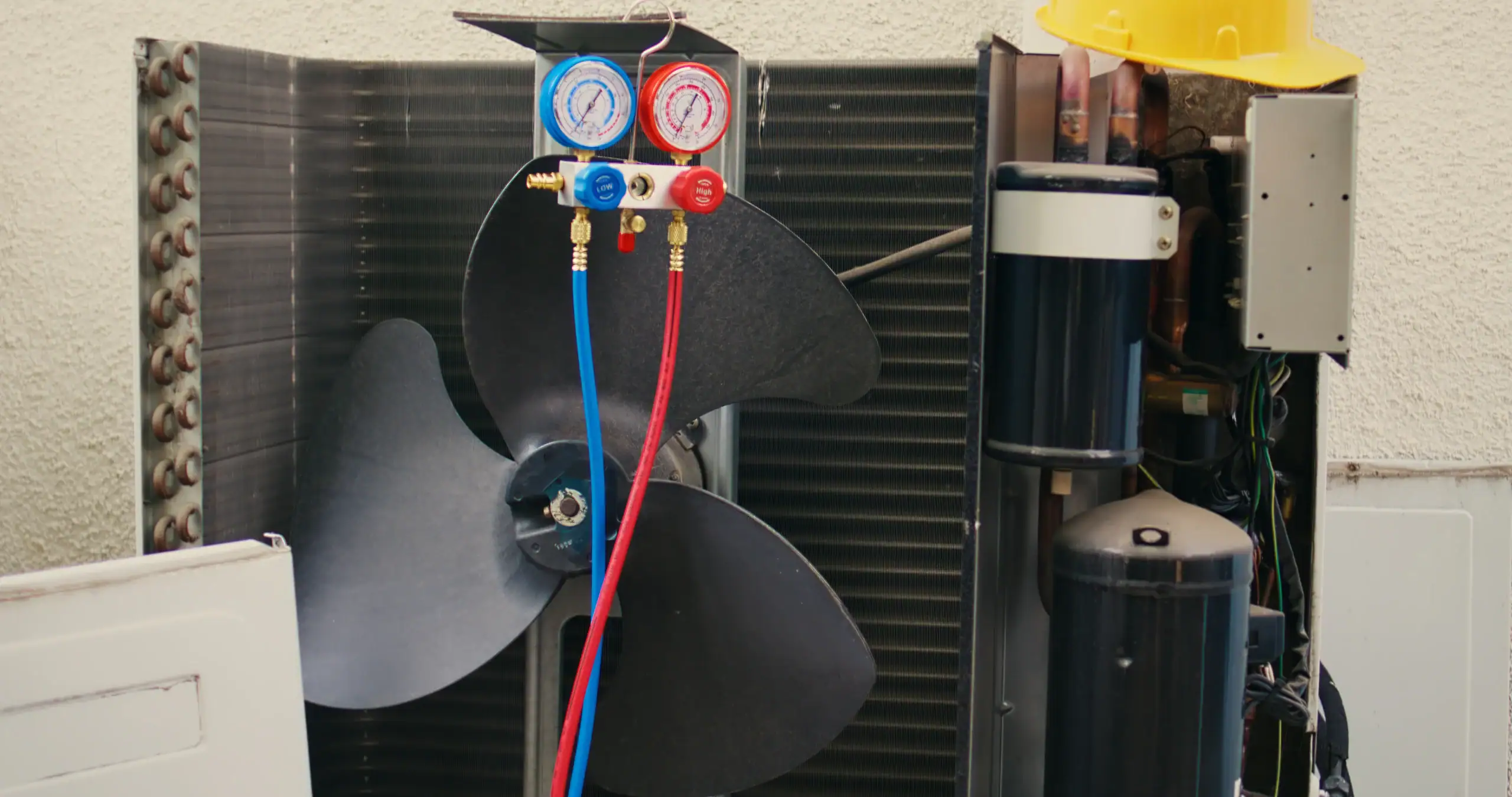
You shouldn’t wait ten weeks for marine AC repair while your boating season slips away. When your boat’s refrigeration system fails, you need someone who understands marine cooling challenges and carries the right parts.
Most Long Island boat owners know the frustration of calling for service only to hear “we’ll get back to you in a few months.” That’s because most HVAC contractors don’t specialize in marine systems and don’t stock marine-specific components.
Your boat’s cooling system faces saltwater exposure, space constraints, and power limitations that regular AC units never encounter. When these systems fail, you need marine refrigeration expertise that can diagnose the real problem and fix it right the first time.
We’ve served Nassau County’s marine community for over 40 years, handling everything from emergency boat AC repairs to custom marine refrigeration installations. We specialize in the unique challenges that marine environments create for cooling systems.
Unlike general HVAC contractors who occasionally work on boats, we focus specifically on marine applications. Our team understands how saltwater, constant motion, and limited access affect system performance and longevity.
Elmont’s proximity to Long Island Sound means local boat owners face specific challenges with marine growth, salt corrosion, and the need for reliable systems during peak boating season. We’ve built our reputation by solving problems that other contractors can’t handle.
The process starts with a thorough diagnostic that goes beyond checking obvious symptoms. Most marine refrigeration failures stem from water flow restrictions, but the root cause could be anything from clogged sea strainers to failed water pump impellers.
Our technicians arrive with trucks stocked specifically for marine applications. This means carrying marine-grade hose clamps, seawater pumps, and specialized components that regular HVAC supply houses don’t stock. Most repairs get completed the same day instead of waiting for special orders.
Every service call includes a complete system check to identify potential problems before they cause failures. This preventive approach catches issues like corroded coils, worn impellers, and restricted water flow before they strand you with a dead cooling system during your next weekend on the water.
Ready to get started?
Marine refrigeration service goes far beyond what regular AC contractors provide. Every job includes checking seawater flow rates, inspecting marine-specific components, and testing system performance under actual marine conditions.
Elmont boat owners deal with specific challenges from Long Island Sound’s brackish water conditions. This environment accelerates corrosion and marine growth, requiring specialized cleaning procedures and marine-grade replacement parts that standard HVAC contractors don’t carry.
The service includes flushing seawater systems, calibrating thermostats for marine applications, and configuring controls for optimal dehumidification. Many marine systems have settings that aren’t enabled by default but are crucial for preventing mold and maintaining consistent performance in marine environments.
High pressure faults are the most common marine AC problem, affecting over 60% of system failures. The error typically indicates restricted seawater flow through your condenser, which prevents proper heat rejection.
Start by checking your raw water strainer for debris, marine growth, or clogs. If the strainer looks clear but water flow seems insufficient, the problem could be a failed water pump impeller or marine growth blocking your condenser coils. These coils need professional flushing with weak acid solutions every 2-5 years depending on your location.
Don’t ignore high pressure faults – they put tremendous stress on your compressor and can lead to complete system failure. The fix is usually straightforward when caught early, but expensive if you let it continue running with restricted water flow.
Annual professional service is essential for marine refrigeration systems because they operate under much harsher conditions than residential units. Salt exposure, constant motion, and limited maintenance access mean problems develop faster and are harder to detect.
Professional service should include refrigerant level checks before and after work, condenser coil flushing, evaporator inspection for corrosion, and electrical system testing. The technician should also exercise your reversing valve if you have heat pump capability – these valves stick if not activated regularly.
For boats used heavily during summer months or kept in saltwater year-round, consider service twice annually. The cost of preventive maintenance is always less than emergency repairs, especially when system failure ruins a weekend or vacation on the water.
Most regular HVAC contractors lack the specialized knowledge and parts inventory needed for marine systems. Marine refrigeration faces unique challenges like seawater cooling, space constraints, and corrosive environments that residential systems never encounter.
Marine systems require specific water flow rates – typically 2.5 to 3 gallons per minute per cooling ton. They use seawater-cooled condensers instead of air-cooled units, and components must withstand salt spray and constant vibration. Regular contractors often misdiagnose problems because they don’t understand these marine-specific requirements.
The parts are different too. Marine systems need specialized hose clamps, seawater pumps, and corrosion-resistant components that standard HVAC supply houses don’t stock. Using the wrong parts leads to premature failures and safety issues.
Dirty condenser coils are the primary cause, potentially reducing cooling capacity by 30% or more. Marine growth, scale buildup, and debris accumulation block heat transfer, forcing your compressor to work harder while delivering less cooling.
Refrigerant leaks also reduce capacity, but in marine systems, leaks often indicate broader corrosion issues. Self-contained marine units are particularly susceptible because salt exposure affects multiple components simultaneously. Finding and fixing one leak often reveals others.
Air filter neglect compounds the problem. Clogged filters restrict airflow, increase humidity, and force the system to run longer cycles. In marine environments, dirty filters also trap organic material that decomposes and creates odors throughout your boat’s ventilation system.
Complete loss of cooling, unusual noises, or visible water leaks require immediate attention. High pressure fault errors that persist after cleaning your raw water strainer also indicate serious problems that can damage your compressor.
Strange odors often signal microbial growth in your evaporator or drain system. This isn’t just unpleasant – it can affect air quality and indicate moisture problems that damage other boat systems. Musty or foul smells require professional cleaning with marine-safe biocides.
Short cycling – where the system starts and stops rapidly – puts extreme stress on electrical components and compressors. This usually indicates oversized units, faulty thermostats, or low refrigerant levels. Don’t let it continue running because compressor replacement costs far more than diagnosing the underlying problem.
Self-contained units work well for boats with one to three cabins. Everything – compressor, condenser, evaporator, and controls – fits in one compact package that’s easier to install and service. They’re efficient, quiet, and perfect for retrofitting existing boats.
Chilled water systems make sense for larger boats with multiple cabins. A central chiller unit (usually in the engine room) produces cold water that circulates to individual air handlers in each cabin. This provides better temperature control and efficiency for larger spaces.
The choice depends on your boat size, cabin layout, and cooling requirements. Self-contained units are simpler and less expensive initially, but chilled water systems offer better performance and efficiency for boats over 50 feet. Both require marine-specific expertise for proper installation and service.