Hear from Our Customers
Your system should keep your home comfortable without draining your bank account every month. That’s the baseline.
When your HVAC works efficiently, you’re not throwing money at National Grid for no reason. A 15-year-old system running at 60% efficiency means 40 cents of every dollar you spend is wasted. Newer high-efficiency systems cut cooling costs by 15-20%, which adds up to real money over a summer in Elmont.
You also stop dealing with breakdowns at the worst possible times. Regular maintenance catches the small problems before they turn into expensive emergencies. Your system lasts longer, runs quieter, and actually does its job.
And here’s what matters most: your home stays comfortable. Consistent temperatures, better air quality, and a system you can count on when it’s 95 degrees outside or 20 degrees in January.
We’ve spent over 40 years working on heating and cooling systems across the Greater New York area. We started in commercial refrigeration and marine HVAC, handling complex systems that most contractors won’t touch.
That expertise translates directly to residential work. When you’ve installed climate control on boats and managed refrigeration for airports and restaurants, a home HVAC system isn’t a mystery.
We’re based locally, we know Long Island’s climate challenges, and we’ve built our reputation on being available when you need us. That means 24/7 emergency service, transparent pricing, and technicians who actually explain what’s wrong and what it’ll take to fix it. Elmont homeowners deal with humid summers that stress condensers and salt air that corrodes outdoor units faster than inland areas. We account for that in every installation and repair.
You call or contact us, and we schedule a time that works for you. For emergencies, we respond the same day in most cases.
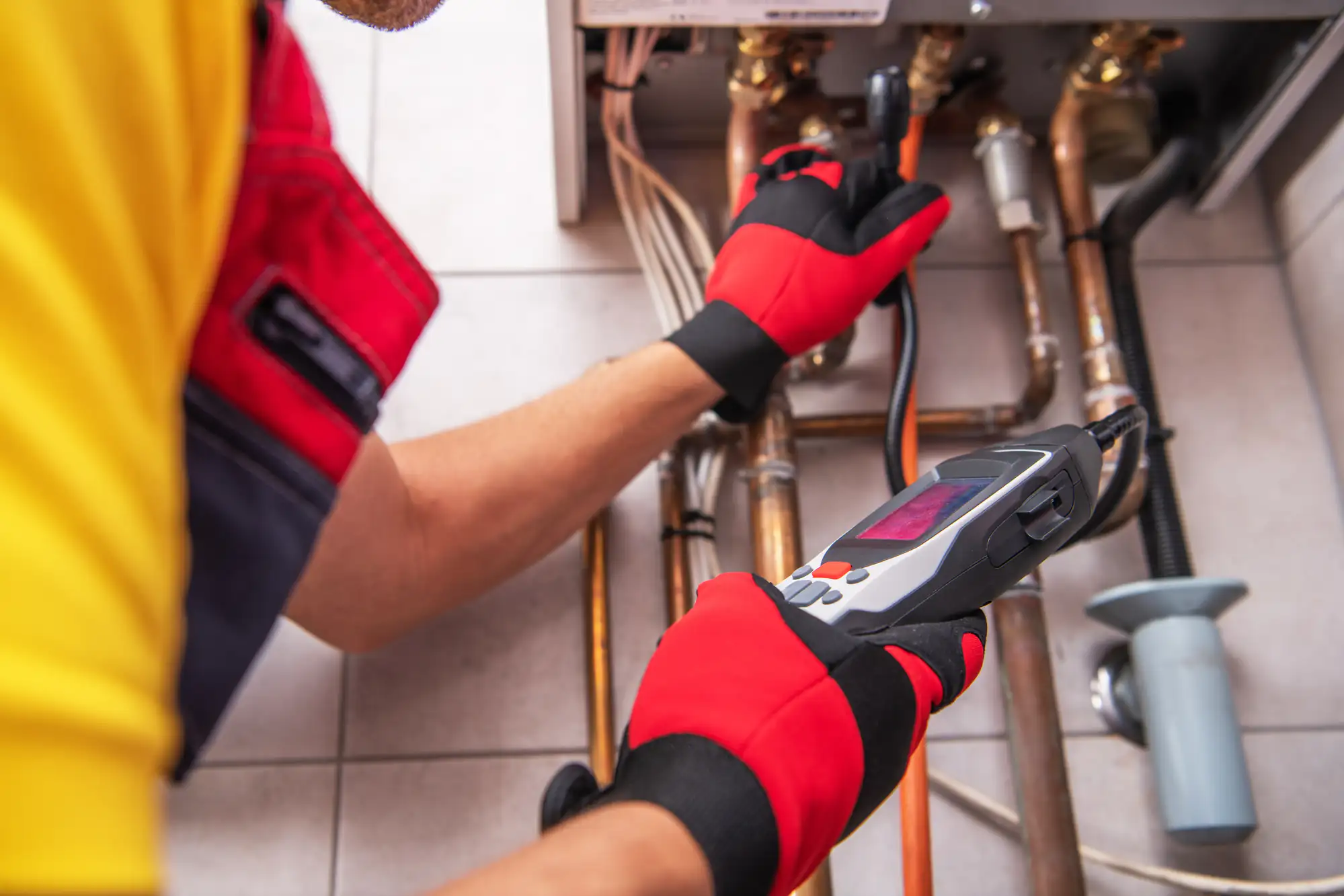
Our technician shows up on time, assesses your system, and explains what’s happening in plain language. No jargon, no runaround. If it’s a repair, we tell you what’s broken, what it costs to fix, and how long it’ll take. If it’s an installation or replacement, we walk through your options based on your home’s size, your budget, and what’ll actually work for your situation.
We handle the work with your schedule in mind. Most repairs get done on the spot if we have the parts. Installations are scheduled clearly with realistic timelines.
After the job, we test everything, clean up completely, and make sure you understand how to operate and maintain your system. We’re not gone the second the work is done. If something doesn’t seem right or you have questions later, you can reach us.
Ready to get started?
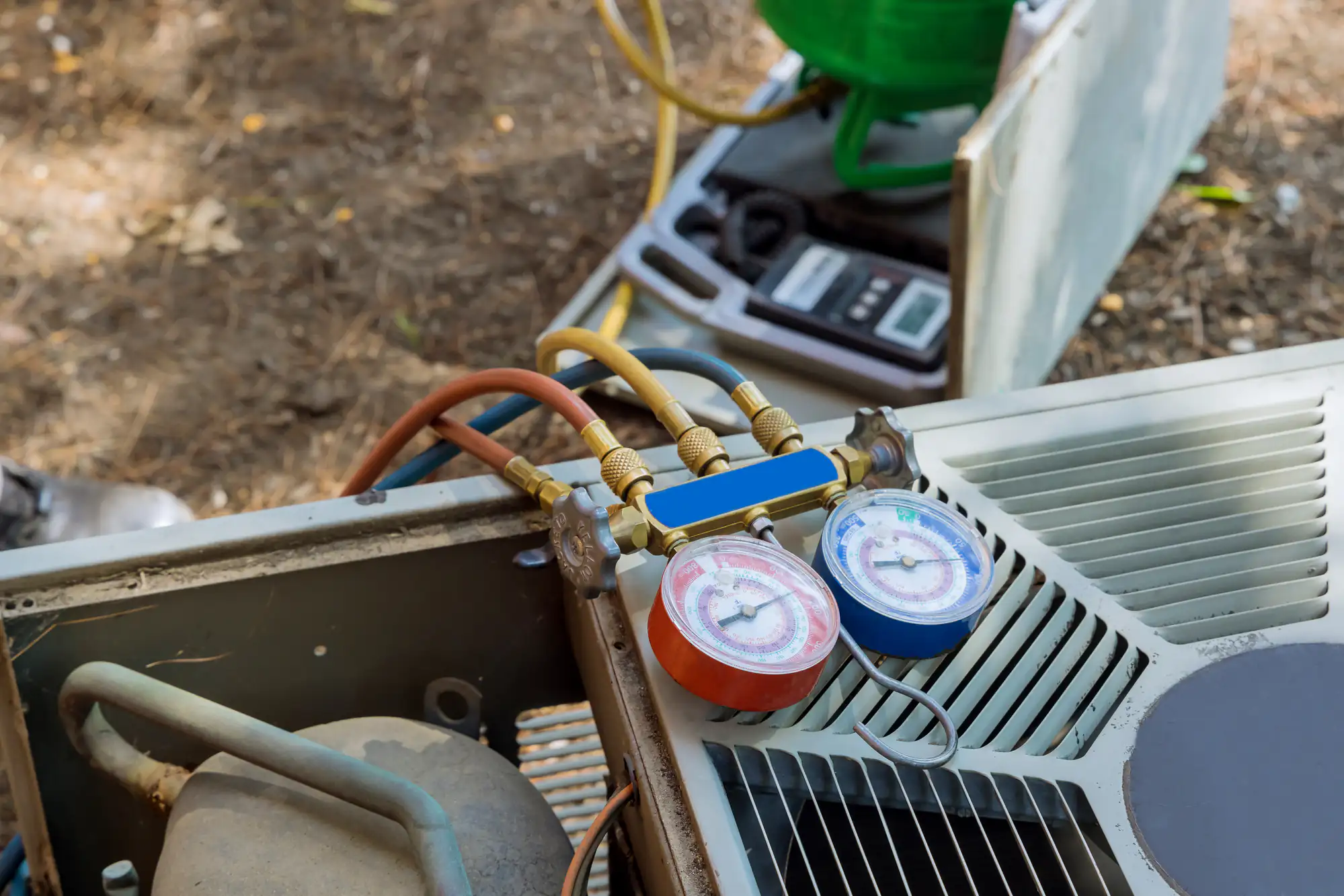
We handle air conditioning repair when your system stops cooling or starts making noises it shouldn’t. That includes diagnosing refrigerant leaks, replacing failed compressors, fixing electrical issues, and addressing airflow problems.
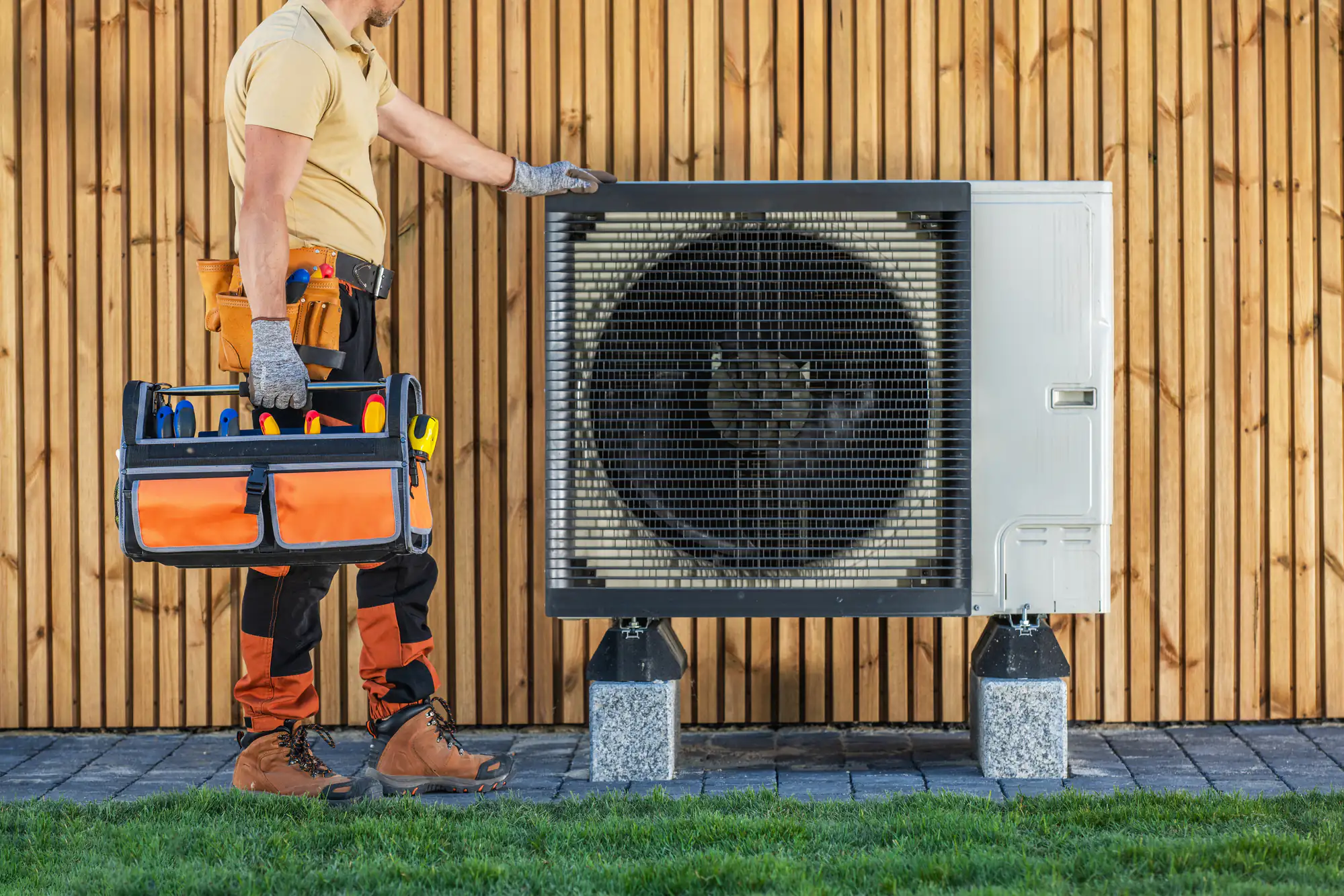
Furnace installation and heating system maintenance cover everything from new high-efficiency furnaces to heat pump installations. Heat pumps are becoming more common in Elmont as homeowners look to cut operating costs, and we install systems designed for cold-climate performance, not just mild weather.
HVAC replacement is straightforward. We assess your current system, recommend appropriately sized equipment based on your home’s square footage and insulation, and install it to manufacturer specs and local codes. We work with high-SEER2 units that qualify for energy rebates when available.
Indoor air quality improvements include filtration upgrades, humidity control, and duct cleaning. Elmont’s proximity to the ocean means salt air and humidity affect indoor air more than people realize. Better filtration helps with allergies and asthma, and proper humidity levels prevent mold growth and make your home more comfortable year-round.
We also install ductless mini-split systems for homes without existing ductwork or for additions where extending ducts isn’t practical.
Central air conditioning systems typically run $3,000 to $7,000 installed, depending on the size of your home, the efficiency rating you choose, and whether any ductwork needs modification. A 1,500-square-foot home usually needs a 2.5 to 3-ton unit. Higher SEER2 ratings cost more upfront but save money on energy bills long-term.
Furnace replacements range similarly, and if you’re replacing both heating and cooling at once, you’re looking at a combined system cost. Heat pumps, which handle both heating and cooling, fall in a comparable range but often qualify for rebates that bring the net cost down.
We provide free estimates that break down exactly what you’re paying for: equipment, labor, permits, and any additional work like duct sealing or electrical upgrades. No surprises, no hidden fees. The goal is to give you enough information to make a decision that fits your budget and your home’s needs.
Twice a year is the standard recommendation: once in spring before cooling season and once in fall before heating season. Spring and fall are ideal because technicians are less busy, and you’re preparing your system before you actually need it to perform.
Regular maintenance catches problems early. A small refrigerant leak found in April is cheaper and easier to fix than the same leak discovered in July when your AC stops working during a heat wave. Same goes for a failing furnace component found in October versus December.
Maintenance visits include cleaning coils, checking refrigerant levels, inspecting electrical connections, testing safety controls, and replacing filters. These tasks keep your system running efficiently and extend its lifespan. A well-maintained system lasts 15 years or more. A neglected one might fail at 10 years. The difference in replacement cost alone justifies the maintenance expense.
Call us immediately. We offer 24/7 emergency service because HVAC failures don’t wait for business hours. About 70% of emergency calls get resolved on the spot because we carry common parts and our technicians have seen most failure modes before.
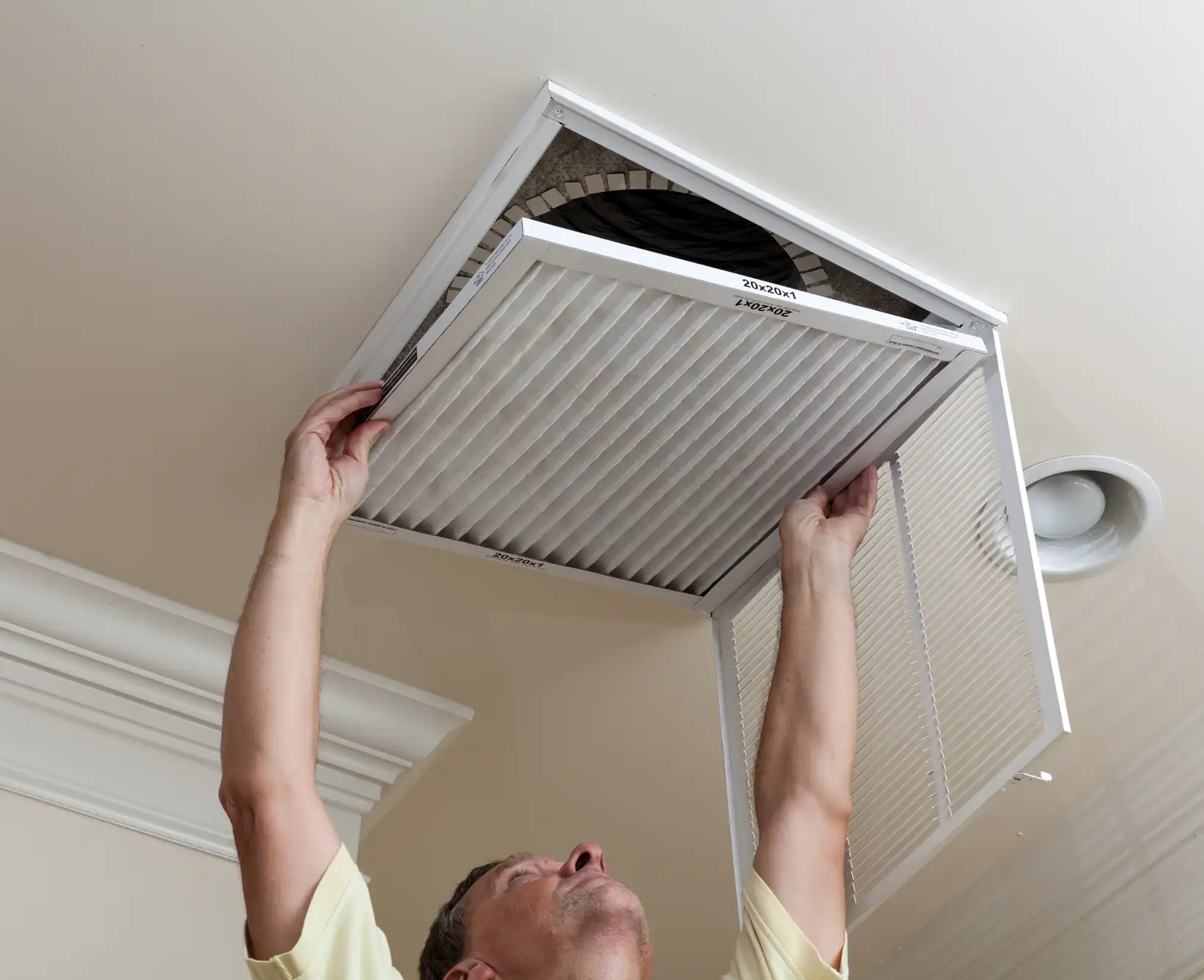
While you’re waiting, check your thermostat settings to make sure it’s set to cool and the temperature is below the current room temperature. Check your circuit breaker to see if it tripped. Replace your air filter if it’s clogged, because a dirty filter can cause the system to freeze up or shut down.
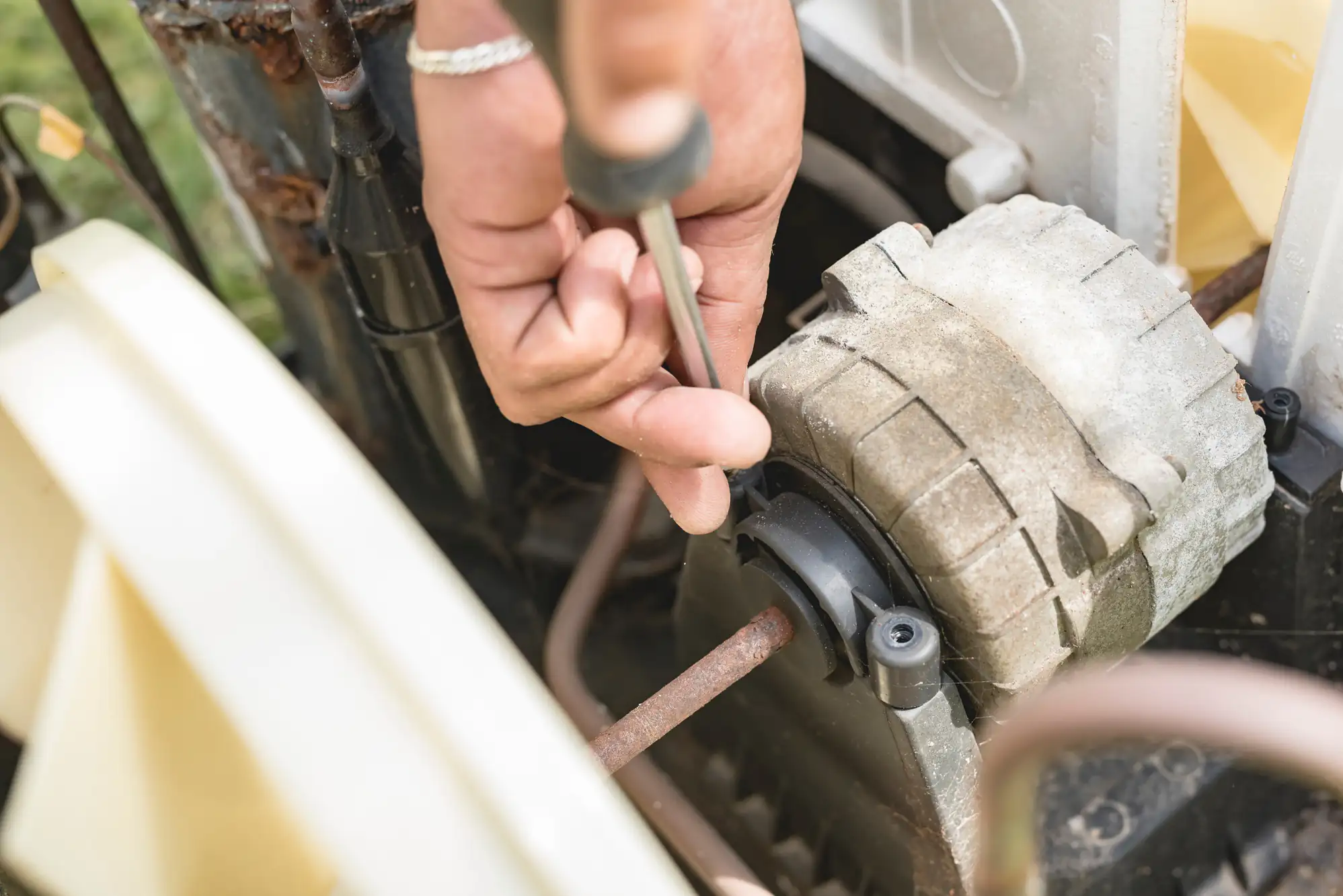
Don’t try to fix refrigerant leaks or electrical issues yourself. HVAC systems operate under pressure and use high voltage. A DIY repair attempt usually makes the problem worse and costs more to fix properly. Our technicians are licensed, insured, and equipped to diagnose and repair the issue safely. We’ll explain what failed, why it failed, and what it’ll cost to get your AC running again.
Usually, yes. High-efficiency systems cost more upfront but save money on energy bills every month. A 17+ SEER2 air conditioner uses 15-20% less energy than a standard 14 SEER2 unit. In Elmont’s humid summers, that translates to roughly $200 per year in savings on cooling costs.
National Grid rates increased by $19 per month on average in 2026, and energy costs aren’t trending downward. A more efficient system insulates you from rising utility rates. Over a 15-year lifespan, the energy savings often exceed the higher upfront cost.
High-efficiency systems also tend to include better components, variable-speed compressors, and improved humidity control. That means more consistent temperatures, less noise, and better comfort overall. If you’re financing the system, the monthly energy savings can offset part or all of the higher payment. We walk through the math with you during the estimate so you can see the actual payback period based on your home’s energy use.
A straightforward replacement where we’re swapping out an old system for a new one in the same location typically takes one day. We arrive in the morning, remove the old equipment, install the new system, test everything, and clean up before we leave.
More complex installations take longer. If you’re adding air conditioning to a home that only had heat, we need to install ductwork, which can take two to three days depending on your home’s layout. Ductless mini-split systems usually install in one day because there’s no ductwork involved.
Heat pump installations sometimes require electrical upgrades if your current panel can’t handle the load, which adds time. We identify those requirements during the estimate so you know the timeline upfront. We don’t rush installations. Proper sizing, correct refrigerant charge, sealed ductwork, and calibrated controls matter more than speed. A system installed correctly the first time runs better and lasts longer than one rushed through in half the time.
Salt air and humidity. Elmont sits close enough to the ocean that salt air reaches outdoor HVAC units and corrodes components faster than in inland areas. Condenser coils, electrical connections, and cabinet panels all deteriorate quicker when exposed to salt.
Humidity makes your air conditioner work harder. Long Island summers are humid, which means your AC runs longer cycles to remove moisture from the air, not just cool it. That extra runtime adds wear to the compressor, fan motor, and other moving parts.
Freeze-thaw cycles in winter also stress outdoor units. Water gets into small cracks or crevices, freezes, expands, and causes damage. Over time, that leads to refrigerant leaks and component failures. Regular maintenance helps, but even well-maintained systems in coastal areas have shorter lifespans than identical systems installed 50 miles inland. We account for these factors when recommending equipment and maintenance schedules for Elmont homes.