Hear from Our Customers
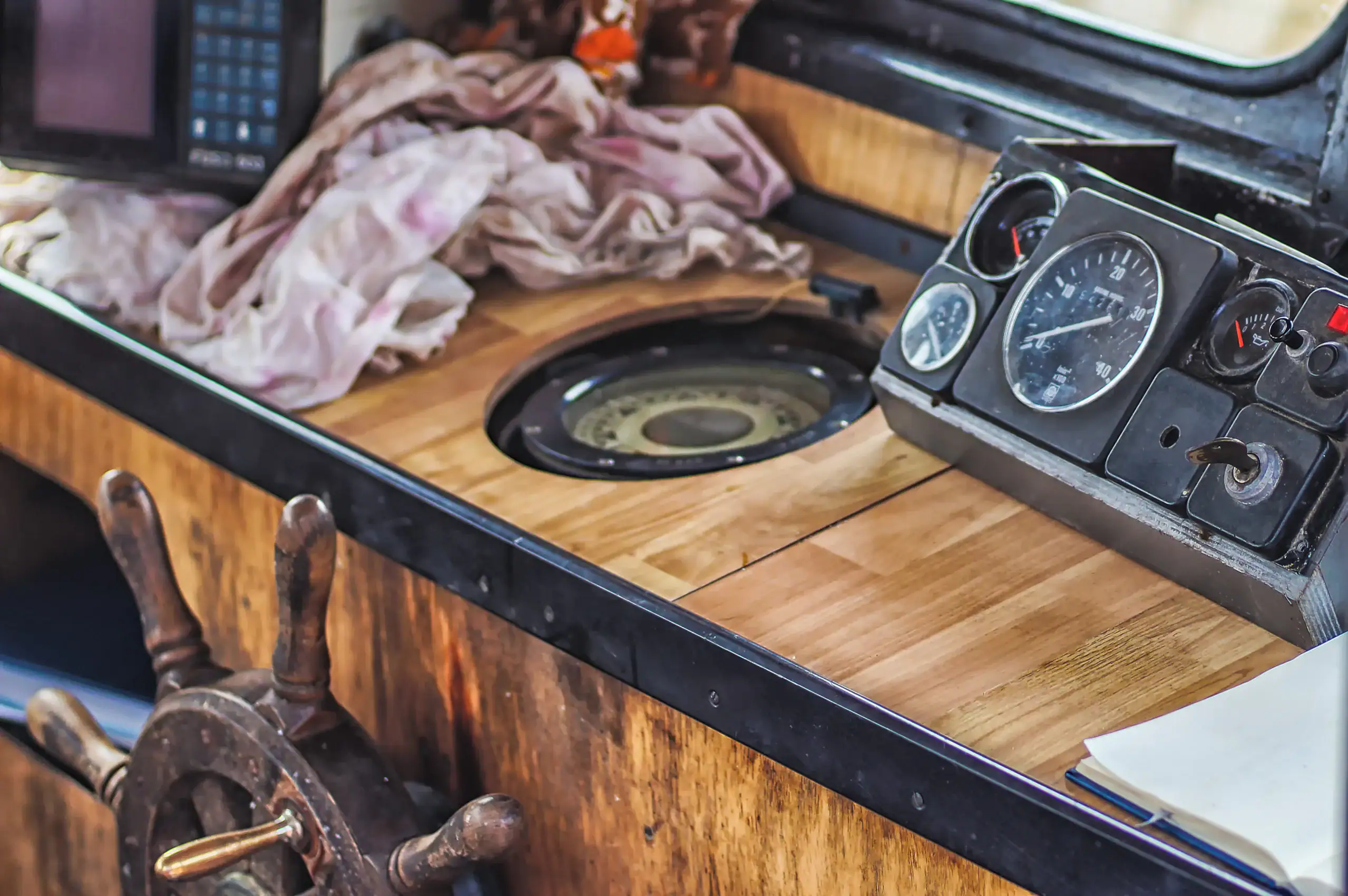
You’re not dealing with a home refrigerator. Marine systems face saltwater corrosion, constant motion, limited power, and temperature swings that would destroy residential units in months. The difference between a working system and a failed one often comes down to whether your technician understands these realities.
When your boat refrigeration works right, you’re not scrambling for ice at every marina stop. You’re not watching hundreds of dollars in provisions spoil because your system quit during a heat wave. You’re not cutting trips short or dealing with uncomfortable nights because your AC decided it was done.
You’re just enjoying your time on the water. Your cold plate stays frozen. Your beverages stay cold. Your cabin stays comfortable. The system you invested in actually does what it’s supposed to do, season after season.
We’ve spent over 40 years working on marine refrigeration and HVAC systems throughout Long Island. That’s not a side service—it’s a core specialty alongside our commercial refrigeration work. We’ve handled everything from simple boat AC repairs to complex custom marine systems for yacht clubs from Montauk to the North Shore harbors.
Farmingville sits in the heart of Suffolk County’s boating community, surrounded by marinas and waterfront access throughout Long Island Sound and the South Shore. We know the local marine environment. We understand how saltwater affects your systems differently than freshwater. We’ve seen what Long Island’s summer heat and winter freeze cycles do to marine HVAC equipment over time.
Our team is licensed, insured, and holds the certifications that matter for marine work—including EPA 608 refrigerant certification. We offer free estimates, 24/7 consulting, and the kind of straightforward communication that makes working with us easy.
First, we talk. You describe what’s happening with your marine refrigeration or boat AC, and we ask the questions that help us understand whether this is an emergency situation or something that can wait. If your system just failed and you’ve got a boat full of provisions, we prioritize accordingly. If you’re planning ahead for the season, we schedule a time that works for you.
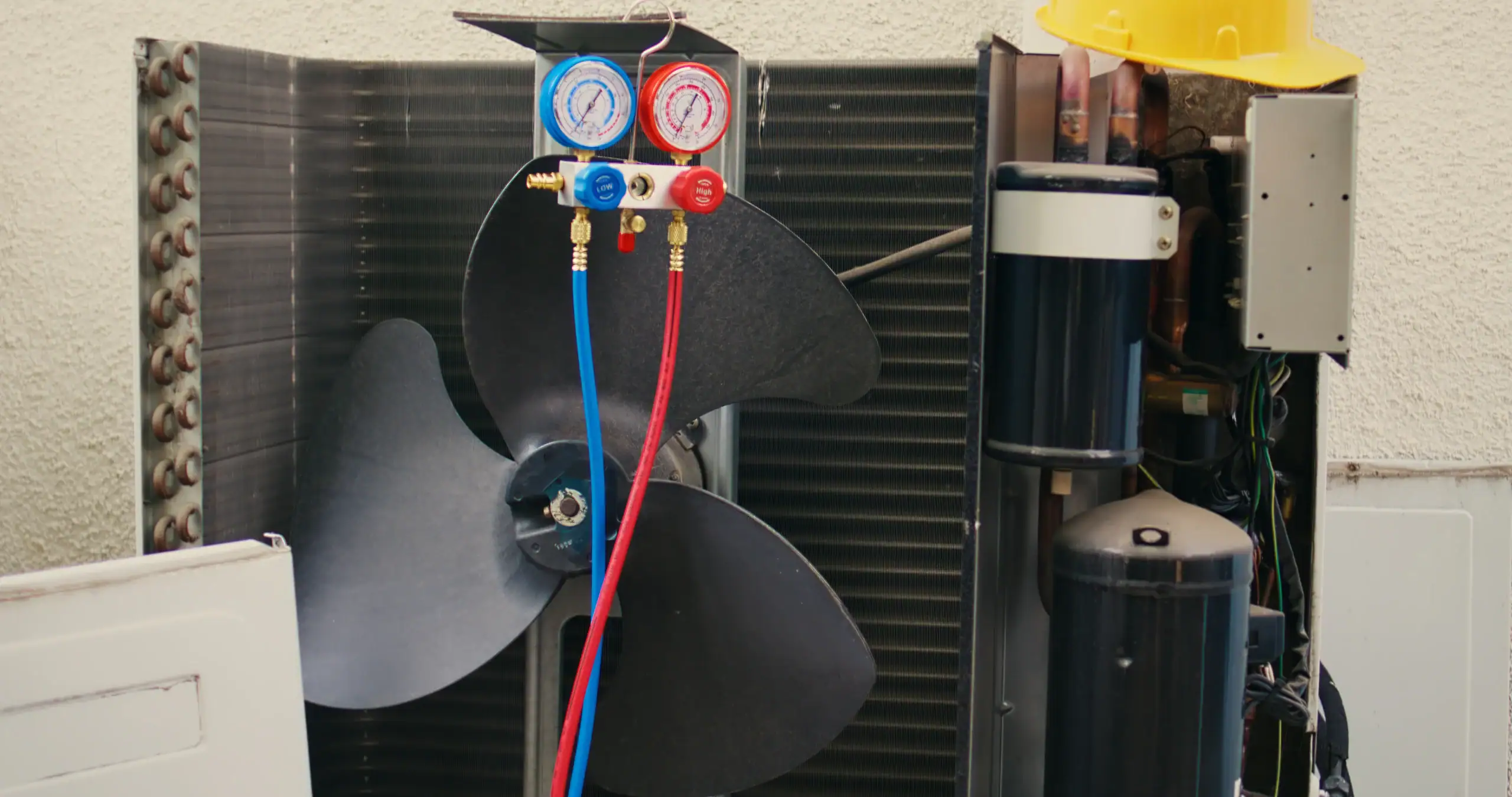
When we arrive, we assess the full system—not just the obvious problem. Marine refrigeration failures often have multiple contributing factors. Maybe your compressor is struggling because saltwater buildup is restricting flow. Maybe your system is working overtime because your insulation has degraded. We look at the complete picture.
Then we explain what we found in plain language. What’s failing, why it’s failing, what it’ll take to fix it, and what it costs. No technical jargon designed to confuse you. No surprise charges. Just clear information so you can make an informed decision.
If you approve the work, we handle it. Most repairs happen the same day because we stock our trucks with common marine parts. For specialized components, we source quality replacements and keep you updated on timing. After the repair, we test the system to confirm it’s working properly—not just running, but actually maintaining the temperatures and performance you need.
Ready to get started?
Marine refrigeration and HVAC service covers the full spectrum of what keeps your boat’s cooling systems functional. That includes installation of new systems, repairs when something fails, preventive maintenance to catch problems early, and winterization to protect your investment during the off-season.
For boat owners in Farmingville and throughout Suffolk County, the marine environment creates specific challenges. Long Island’s coastal location means your systems are constantly exposed to salt air—even if your boat never leaves freshwater. That salt accelerates corrosion on components, clogs water lines, and degrades connections faster than you’d see inland. Regular maintenance every few months helps catch these issues before they become expensive failures.
The electrical side matters too. Marine refrigeration runs on 12V or 24V DC power, drawing significant current during startup. If your batteries can’t provide sufficient power, or if voltage drops below the required threshold, your system shuts down or runs inefficiently. We check the electrical components, connections, and power supply as part of comprehensive service.
Refrigerant handling is another critical piece. Modern marine systems use environmentally friendly refrigerants that require proper certification to service. Leaks can develop from the constant vibration and movement boats experience, slowly depleting refrigerant levels and reducing cooling efficiency. We use marine-grade materials designed to withstand the harsh saltwater environment when making repairs.
Pre-season service is particularly important for Long Island boaters. Having your marine refrigeration and AC checked before the May-to-September peak season means you’re not dealing with failures during the busiest months when every marine technician is backlogged. We handle the inspection, cleaning, testing, and any needed repairs while there’s still time to source parts and complete the work without rushing.
Marine refrigeration systems need professional maintenance every three months—more frequently than residential units. The marine environment is that much harder on equipment. Saltwater exposure, constant motion, humidity, and temperature fluctuations stress every component of your system.
During these maintenance visits, we clean condenser coils, check refrigerant levels, inspect door seals, calibrate temperature controls, and test safety systems. This preventive approach catches small problems before they escalate into expensive repairs or complete system failures. It also extends equipment lifespan significantly—from 10 years to 15-20 years with proper care.
For boats docked in Long Island waters, that quarterly maintenance schedule becomes even more important. The salt content in the air and water accelerates corrosion and buildup inside your system. Skipping maintenance doesn’t just risk a breakdown—it shortens the overall life of your equipment and often leads to failures during peak season when you’re actually using the boat.
The most common cause of boat AC failure is water flow restriction. Over 60% of marine AC failures link back to this issue. Your marine air conditioning needs constant seawater flow to cool the refrigerant in the compressor. When that flow gets restricted by clogged strainers, marine growth in the lines, or a failed water pump, the refrigerant overheats and the system shuts down to prevent damage.
You’ll often see this as a high-pressure fault code on your display. The system is telling you it can’t cool itself properly. Sometimes it’s as simple as a closed seacock or a strainer full of debris. Other times, marine growth has built up inside the hoses and needs professional cleaning.
Refrigerant leaks are another frequent culprit. The constant vibration and movement of boats stress connection points, leading to slow leaks that gradually deplete refrigerant levels. You’ll notice decreased cooling performance, frost forming on evaporator plates, or the system running constantly without reaching the set temperature. These leaks require professional detection equipment to locate and marine-grade materials to repair properly. Long Island’s summer heat makes these problems more noticeable—when ambient temperatures push into the 90s, a system that’s already struggling from low refrigerant or poor water flow simply can’t keep up.
Not effectively. Marine refrigeration and HVAC systems differ significantly from residential units in ways that matter for repairs and maintenance. They’re designed to handle constant motion, operate on DC power from batteries, withstand saltwater corrosion, and function in confined spaces with limited ventilation. A technician trained only on residential systems won’t understand these critical differences.
The power requirements alone create complications. Marine systems run on 12V or 24V DC power and draw substantial current during startup cycles. If a technician doesn’t understand marine electrical systems, they can’t properly diagnose whether a cooling problem stems from the refrigeration unit itself or from insufficient battery capacity and voltage drops. The refrigerant handling is different too—marine systems use specific refrigerants and require leak detection approaches suited to the vibration and movement boats experience.
Then there’s the saltwater factor. Components need to be marine-grade to survive the corrosive environment. Regular HVAC parts will fail quickly when exposed to salt air and moisture. We know which materials hold up, how to properly seal connections against corrosion, and what maintenance schedule actually works for boats. We also understand the seasonal patterns—like the importance of winterization to prevent freeze damage and pre-season service to avoid peak-season backlogs. You need someone who’s worked on boats specifically, not just someone who knows refrigeration in general.
Repair costs vary widely based on what’s actually failing and how extensive the damage is. Simple fixes like cleaning a clogged strainer, replacing a worn water pump impeller, or resetting a tripped breaker might run a few hundred dollars. Mid-range repairs—replacing a failed water pump, fixing refrigerant leaks, or replacing control boards—typically fall in the $500-$1,200 range depending on parts and labor.
Major component failures get expensive. Compressor replacement, condenser coil replacement, or complete system rebuilds can easily reach $2,000-$4,000 or more. That’s why preventive maintenance matters—catching problems early costs far less than waiting until something fails completely. A quarterly maintenance visit that costs a couple hundred dollars can prevent a multi-thousand dollar emergency repair.
The other cost to consider is downtime. When your marine refrigeration fails during peak season and you’re waiting weeks for service, you’re losing the use of your boat during the best weather. You’re potentially losing provisions to spoilage. You might be paying for marina ice or dealing with the inconvenience of no refrigeration. Emergency repairs during peak season also tend to cost more because of the urgency. Getting ahead of problems with regular maintenance and pre-season service helps you avoid both the higher repair costs and the timing issues that come with mid-summer failures.
Yes, absolutely. Winterization protects your marine refrigeration and AC systems from freeze damage during Long Island’s cold months. Water remains in the heat exchanger when the system isn’t operating. When temperatures drop below freezing, that water expands and can crack components, split hoses, or damage seals. The repair costs from freeze damage often exceed what you’d pay for proper winterization.
Professional winterization involves more than just draining water. We run approved antifreeze solution through the entire system and out the discharge ports using environmentally safe procedures. We check for signs of wear, corrosion, or developing problems while we’re doing the winterization work. This catches issues during the off-season when there’s time to order parts and complete repairs without the pressure of peak season timing.
Most marine AC pumps aren’t self-priming, which makes DIY winterization tricky. You need to take specific steps to get the antifreeze flowing through the system properly, and it’s easy to miss sections or lose critical hardware during the process. Professional winterization ensures the job is done completely and correctly. It also gives you peace of mind that your system will be ready to go when boating season returns, rather than discovering freeze damage when you’re trying to get the boat ready for summer.
Marine refrigeration systems are permanently installed, electrically powered cooling systems that maintain consistent temperatures without requiring ice. They work like a household refrigerator but are engineered specifically for the marine environment. You set the temperature, and the system maintains it automatically, running off your boat’s batteries or shore power. This gives you reliable, long-term food storage and cold beverages without the hassle of constantly buying and managing ice.
Boat coolers are portable insulated containers that rely on ice or ice packs to keep contents cold. They’re simpler and less expensive upfront, but they require regular ice replenishment, don’t maintain precise temperatures, and take up space that could be used for storage. The ice melts, creating water you need to drain. The temperature fluctuates as the ice melts. And you’re limited by how much ice you can carry and how often you can access marinas or stores to replenish it.
For day trips or weekend outings, a quality cooler might be sufficient. For extended cruising, living aboard, or situations where you need reliable refrigeration for medications or specific foods, a proper marine refrigeration system makes more sense. The upfront investment is higher—a professionally installed system can cost several thousand dollars—but you gain convenience, consistent performance, and the ability to keep perishables fresh for weeks instead of days. Many boat owners use both: a marine refrigeration system for primary cold storage and a cooler for additional capacity or specific uses like keeping fish on ice during a fishing trip.