Hear from Our Customers
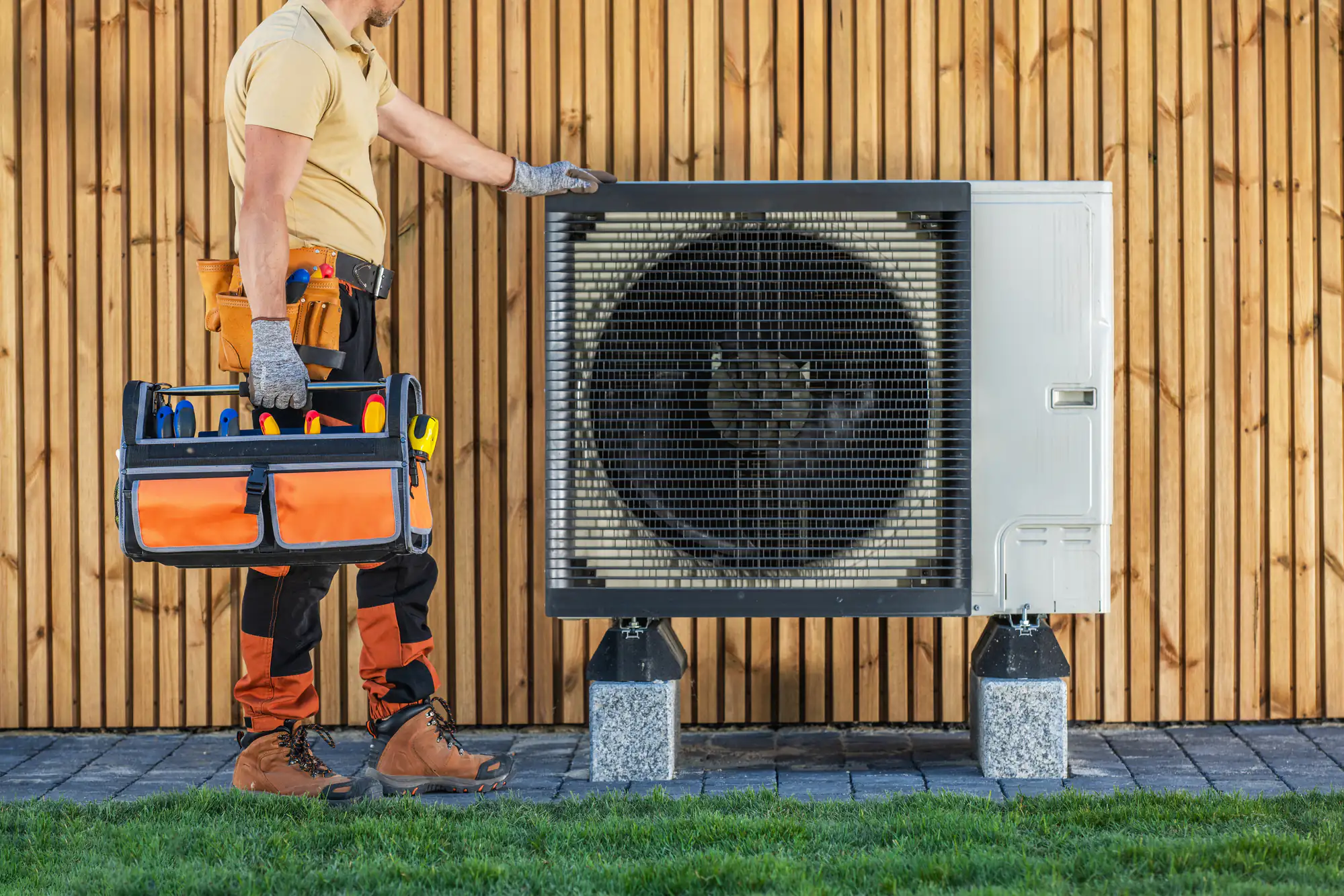
You’re not calling because everything’s perfect. Your furnace quit on a cold night, your AC can’t keep up in July, or your energy bills jumped for no clear reason.
Here’s what changes when your heating and cooling actually work. Your home stays comfortable without constant thermostat adjustments. Your monthly utility bills drop because your system isn’t fighting itself to maintain temperature. You stop worrying about breakdowns during the worst possible weather.
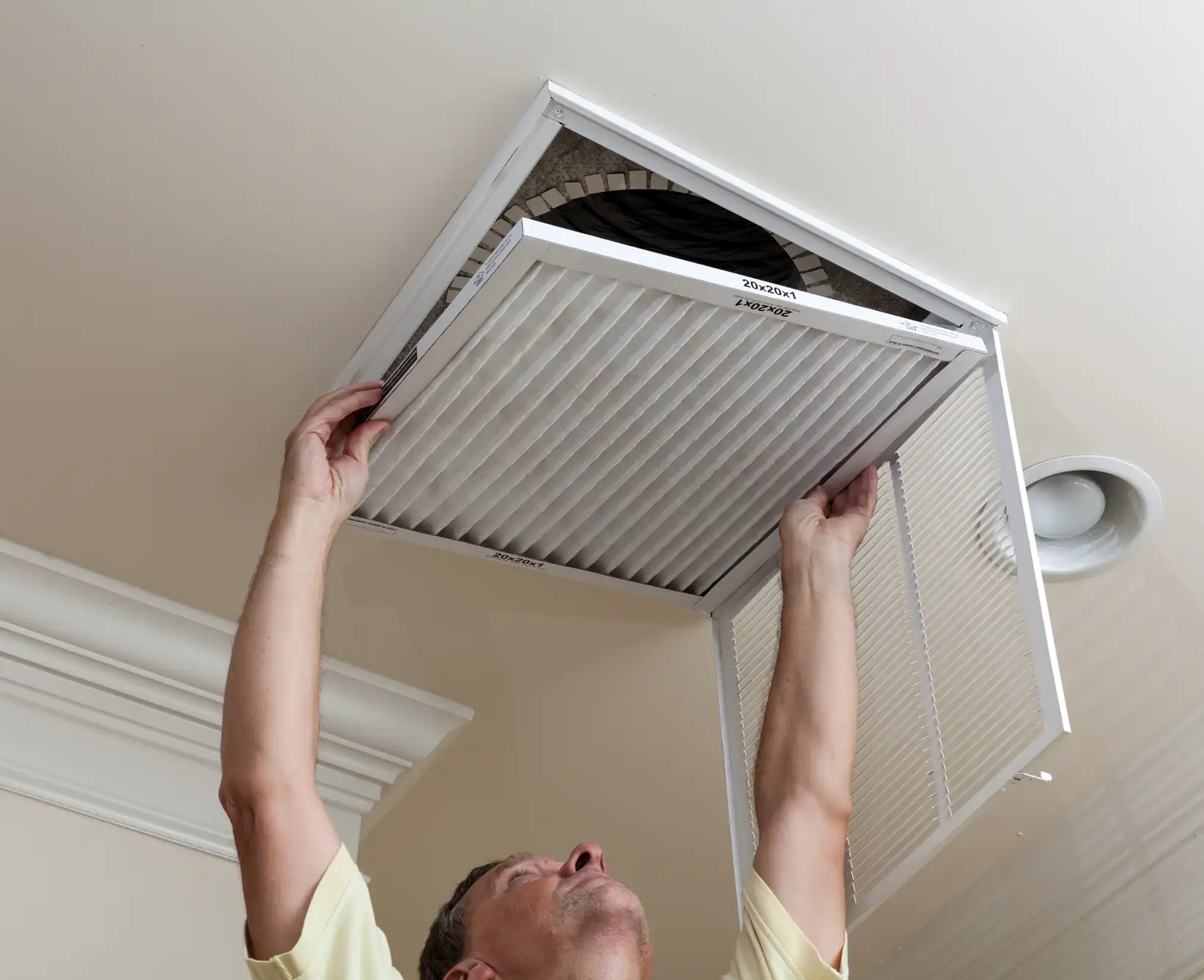
Modern HVAC systems with proper installation can cut your energy costs by 30% compared to older equipment. That’s real money back in your account every month. Indoor air quality improves when your system includes proper filtration, which matters if anyone in your house deals with allergies or respiratory issues.
You also get predictability. Regular heating system maintenance catches problems before they become emergencies. Your equipment lasts longer when it’s not struggling with dirty filters, refrigerant leaks, or electrical issues that should’ve been addressed months ago.
We’ve spent over 40 years working on HVAC and refrigeration systems across Long Island. We’ve handled commercial installations at airports and restaurants, marine air conditioning on yachts, and complex refrigeration that most contractors won’t touch.
That background matters for your home. We’ve diagnosed problems that stumped other companies because we’ve seen more system types and failure patterns than most residential-only contractors ever will.
We’re licensed, insured, and available 24/7 for actual emergencies. Not an answering service, not a callback tomorrow. Farmingville homeowners deal with the same weather extremes as the rest of Long Island—humid summers that stress cooling systems and winters that test furnaces. We’ve been responding to those conditions since before most of our competitors existed.
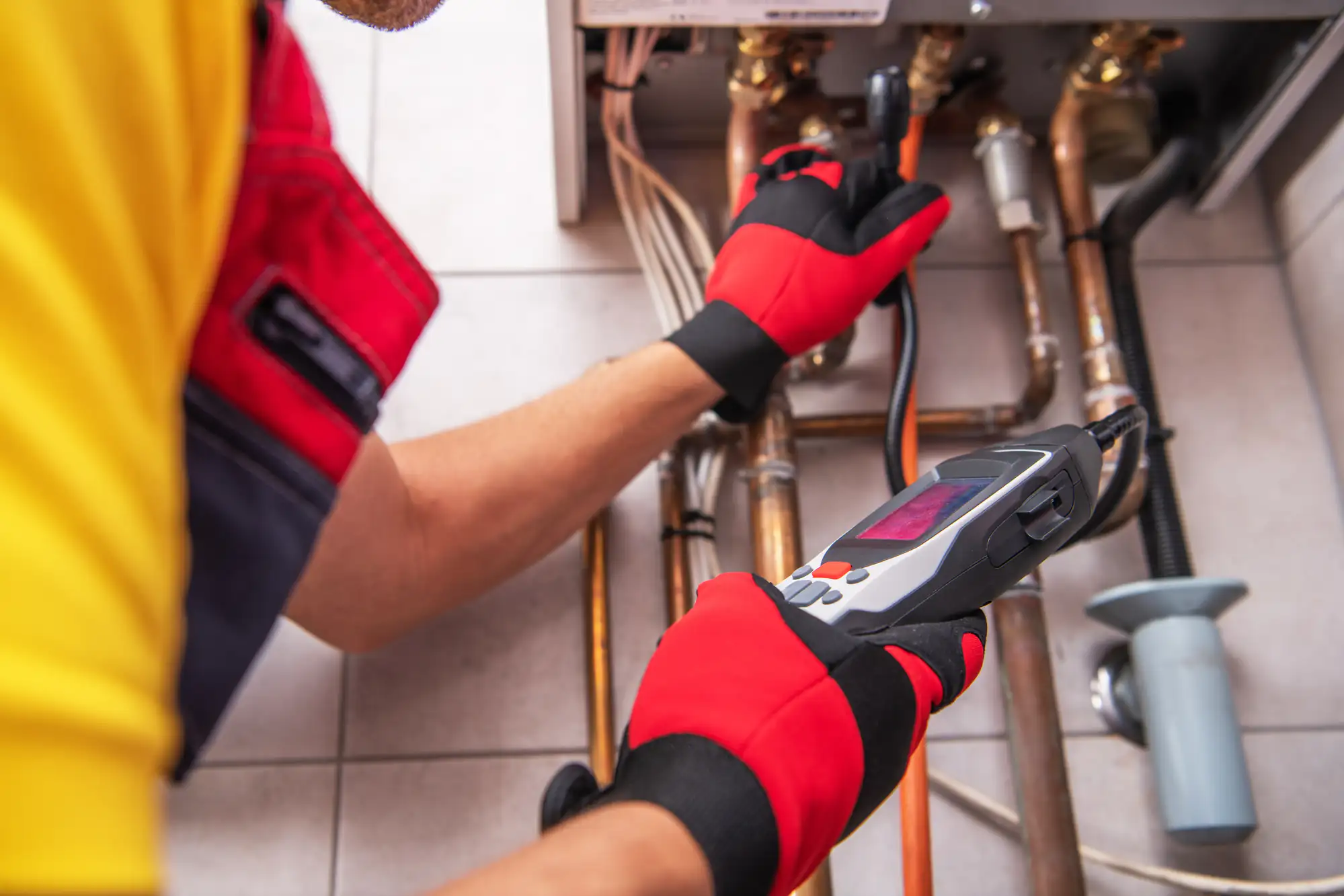
You contact us with your problem or project. We ask specific questions about what you’re experiencing because details matter for diagnosis. Strange noises, inconsistent temperatures, or system age all point toward different solutions.
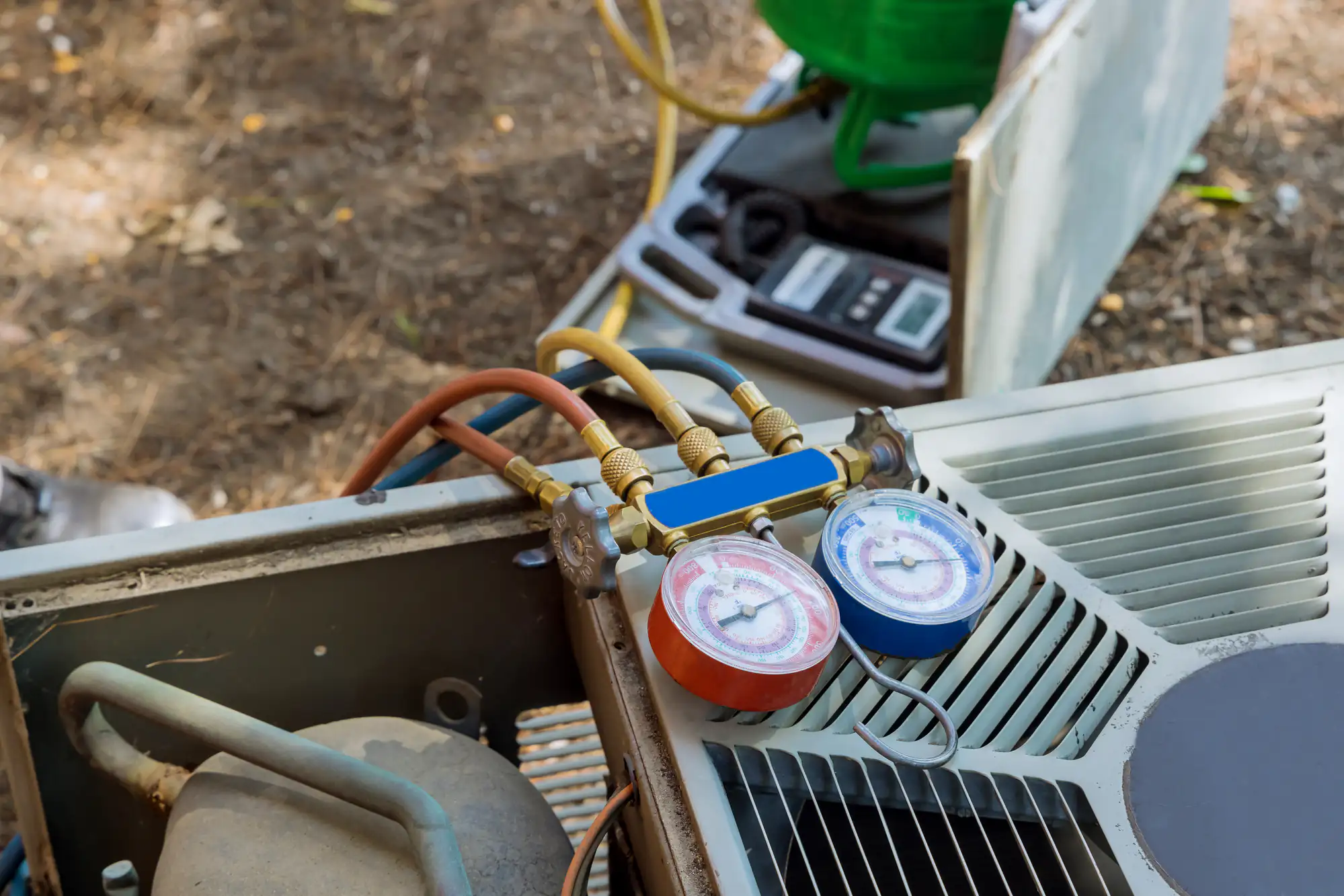
We schedule a time that works for you and show up when we say we will. Our technician evaluates your current system, checks for obvious issues, and runs diagnostics if needed. For air conditioning repair, that means checking refrigerant levels, electrical connections, and airflow. For furnace installation or replacement, we measure your space, calculate heating load, and discuss efficiency options that make sense for your home and budget.
You get a clear explanation of what’s wrong and what it’ll take to fix it. No upselling, no scare tactics about problems that don’t exist. If your system can be repaired cost-effectively, we’ll tell you. If replacement makes more financial sense than another repair, we’ll explain why with actual numbers.
Once you approve the work, we handle everything. Permits, installation, testing, and cleanup. For HVAC replacement projects, we coordinate rebates through PSEG Long Island that can save you thousands. We make sure your new system meets current efficiency standards and local codes.
After installation, we walk you through operation and maintenance. You’ll know how to change filters, when to schedule service, and what warning signs mean you should call us.
Ready to get started?
Our residential HVAC services cover the full range of what Long Island homeowners actually need. Emergency repairs when your heat goes out at 2 AM. Planned furnace installation before winter hits. Air conditioning repair when your system can’t handle July humidity. Preventive maintenance that keeps equipment running efficiently.
Indoor air quality has become a bigger concern for Farmingville families, especially with tighter home construction that traps allergens and contaminants. We install whole-home filtration systems, air quality sensors, and humidity control that work with your existing HVAC setup.
Energy efficiency matters more now with National Grid raising rates. We help you access heat pump rebates from PSEG Long Island ranging from $4,000 to over $10,000 depending on system size. Modern heat pumps meeting the new 17 SEER2 standards can reduce your cooling costs by up to 45% compared to older units.
Smart thermostat integration gives you remote control and automatic adjustments based on your schedule. These systems learn your preferences and provide energy reports showing exactly where your money goes each month.
We also handle the paperwork nobody wants to deal with. Permits, inspections, rebate applications, and manufacturer warranties all get managed as part of our service. You’re not figuring out Suffolk County building codes or tracking down utility incentive forms.
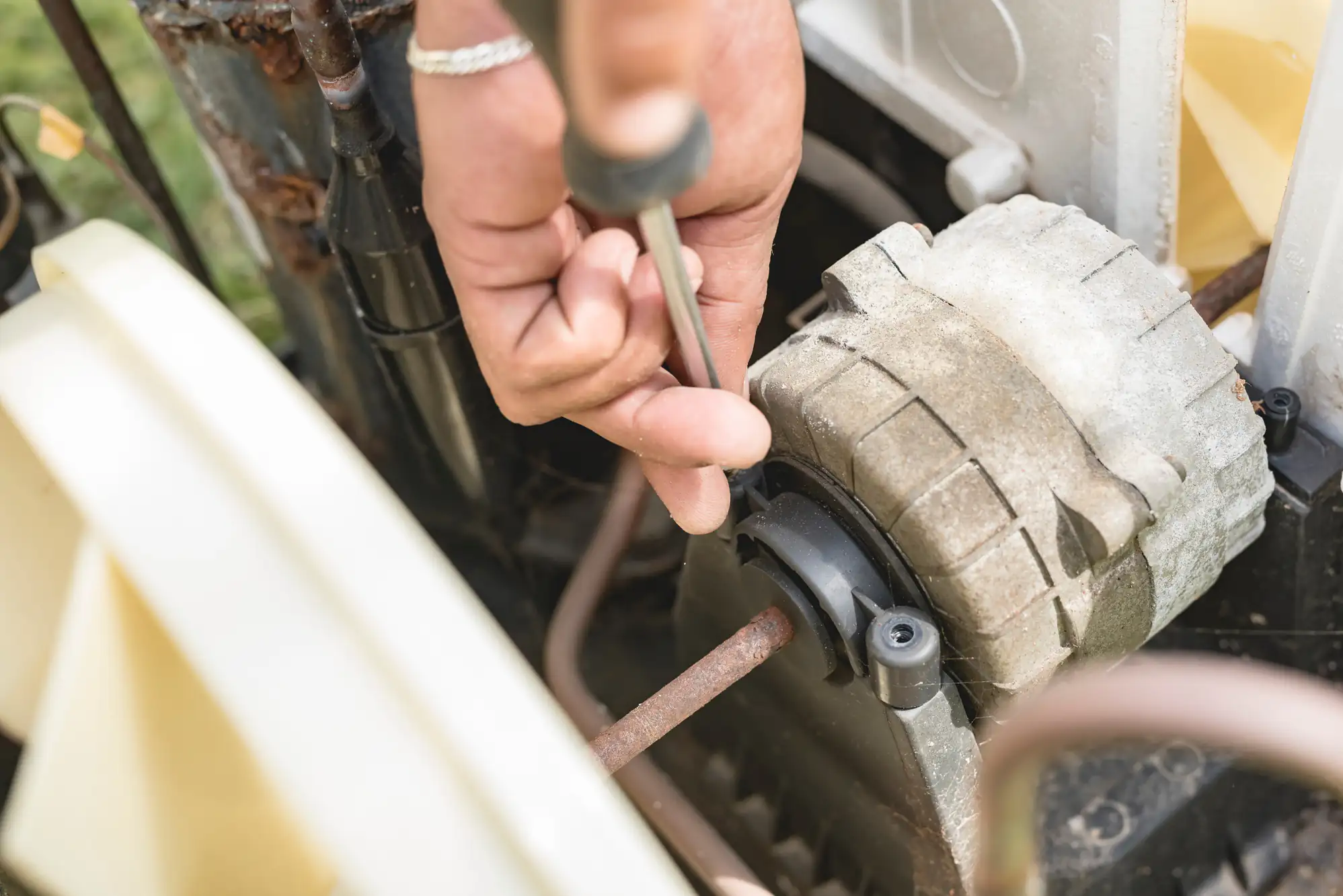
We respond to genuine emergencies within two hours in most cases. That means a technician with an actual truck and actual parts, not a callback to schedule something for next week.
A genuine emergency is no heat when it’s below freezing, no cooling when you have young children or elderly family in dangerous heat, or a system failure that’s causing property damage. We keep extensive parts inventory specifically so we’re not ordering components while your family suffers through extreme temperatures.
About 70% of our emergency calls get resolved the same day. The other 30% usually involve specialized parts we need to source, but we’ll get your system running temporarily while we wait for the permanent fix. Our technicians carry diagnostic equipment to identify problems fast, and our 40 years of experience means we’ve seen most failure patterns before.
If your system is under 10 years old and the repair costs less than half of replacement, fixing it usually makes sense. If your equipment is over 15 years old and facing a major repair like a compressor or heat exchanger, replacement typically wins financially.
Here’s why: older systems operate at 60% efficiency or worse, wasting 40 cents of every dollar you spend on heating and cooling. A new system meeting current 17 SEER2 standards cuts that waste significantly. The energy savings alone can offset the replacement cost over the equipment’s lifespan.
We’ll give you both options with honest numbers. A $1,200 repair on a 12-year-old furnace might buy you three more years, but you’re still running inefficient equipment with other components likely to fail soon. A $5,000 replacement with available rebates might cost you $2,000 out of pocket and eliminate repair calls for the next decade while cutting your monthly bills by $50-80.
Maintenance is scheduled service on a working system. Repair is fixing a system that’s broken or performing poorly. If you’re asking this question, you probably need repair.
Warning signs that mean repair, not just maintenance: unusual noises like grinding or squealing, rooms that won’t reach the temperature you set, sudden increases in energy bills, the system cycling on and off constantly, or weak airflow from your vents. These indicate specific component failures that maintenance won’t address.
Maintenance is what you do when everything works fine. Cleaning coils, checking refrigerant levels, testing electrical connections, and replacing filters before they cause problems. It’s preventive. Most Farmingville homes need maintenance twice yearly—once before cooling season, once before heating season. But if your system is already struggling, maintenance won’t fix it. You need diagnostic work to identify what’s failing and targeted repairs to restore proper operation.
PSEG Long Island currently offers heat pump rebates from $4,000 for small systems up to $10,500 for larger installations. These stack with federal tax credits that can add another 30% of your project cost, up to certain limits.
The catch is documentation. You need proper permits, licensed installation, and equipment that meets specific efficiency thresholds. We handle all of that as part of our installation service because we know exactly what PSEG requires for rebate approval.
New York offers some of the highest HVAC incentives in the country right now, but they change. The current programs favor heat pumps heavily because they’re more efficient than traditional furnaces and air conditioners. If you’re considering HVAC replacement, these rebates can cut your out-of-pocket cost in half or better. We track available programs and help you maximize what you can claim. The rebate application process is tedious, but we’ve done it enough times that we know how to get approvals without delays or rejections.
Most residential HVAC installations take one to three days depending on system complexity and whether we’re replacing existing equipment or installing in a new location. Straight replacements where we’re swapping old equipment for new in the same spot usually finish in a day.
More involved projects take longer. If your ductwork needs modification, if we’re upgrading electrical service, or if we’re installing a heat pump system that requires both indoor and outdoor components, expect two to three days. We’re not rushing through installation to get to the next job. Proper installation matters more than speed.
You’ll have heat or cooling during the process. We don’t disconnect your old system until we’re ready to connect the new one. If something unexpected comes up that delays completion, we’ll make sure you’re not left without climate control overnight. The actual installation is just part of the timeline—we also handle permit applications beforehand and inspections afterward, which can add a few days to the overall project schedule but don’t impact your comfort.
Because they’re cutting corners somewhere. Either on equipment quality, installation standards, licensing and insurance, or the expertise of who’s actually doing the work. Sometimes all of the above.
The cheapest bid often uses builder-grade equipment that barely meets minimum efficiency standards. Or they skip permits to avoid inspection fees and code compliance costs. Or they rush installations without proper load calculations, which means your system is either oversized and cycling constantly or undersized and struggling to keep up.
We’re not the cheapest option in Farmingville. You’re paying for licensed technicians with 40 years of combined experience, proper permits and inspections, equipment that meets current efficiency standards, and installation that follows manufacturer specifications so your warranty actually means something. You’re also paying for us to answer the phone at 2 AM when something goes wrong.
Cheap installations become expensive when your system fails prematurely, your energy bills stay high because it’s inefficient, or you discover the work wasn’t permitted and now you can’t sell your house without addressing it. We’ve replaced plenty of “bargain” installations that cost homeowners more in the long run than doing it right the first time would have.