Hear from Our Customers
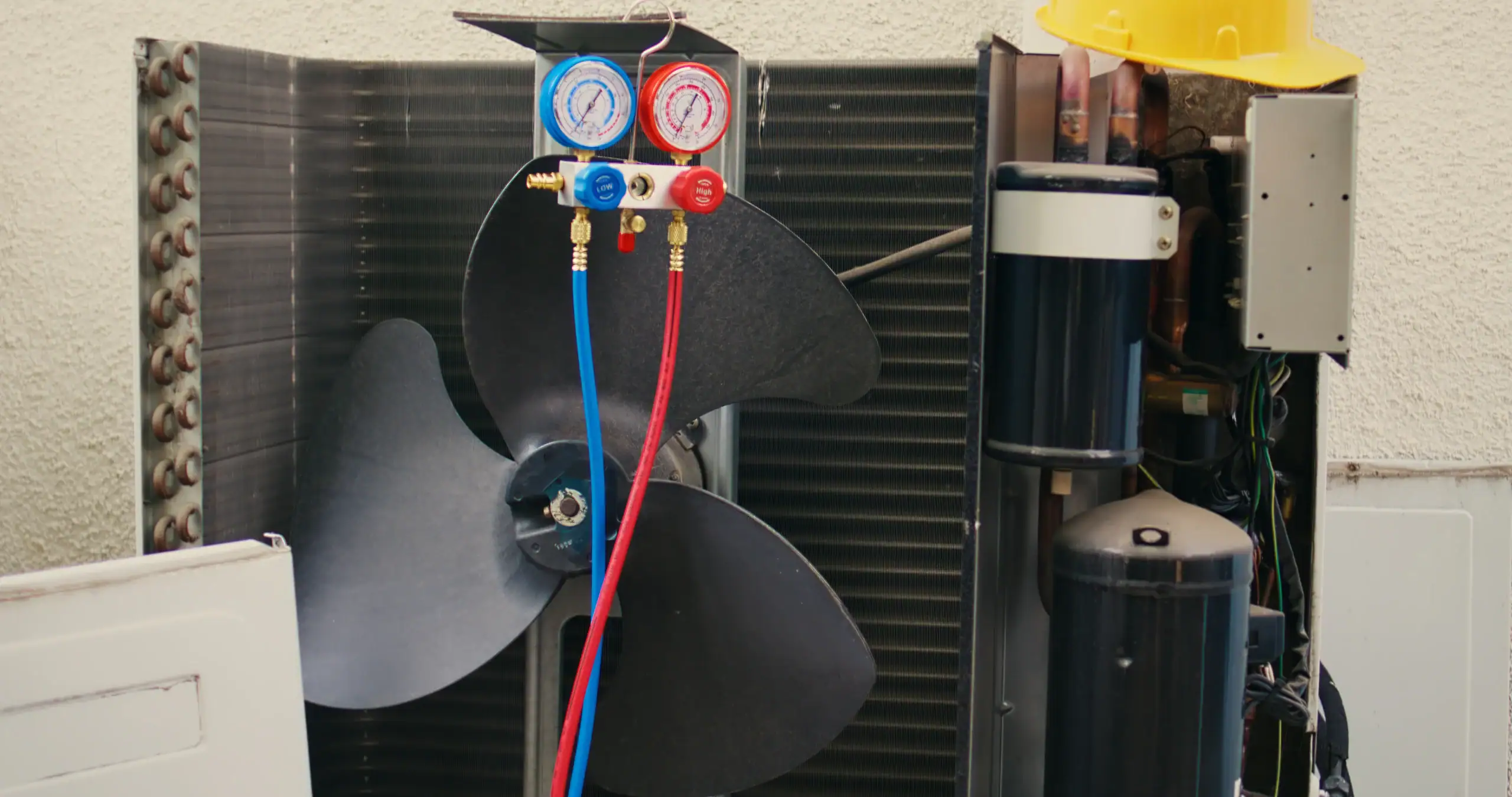
Your drinks stay cold during weekend trips to Montauk. Your food doesn’t spoil on extended cruises. Your battery doesn’t drain overnight from an inefficient system.
That’s what happens when your marine refrigeration actually works the way it should. No more scrambling for ice. No more cutting trips short because your cooling failed.
You get systems designed for the marine environment—built to handle the constant motion, salt air, and power constraints that destroy regular refrigeration. Systems that keep running when you need them most.
We’ve been solving marine refrigeration problems in the Flanders area for over 40 years. We understand what Long Island boat owners face—from the humidity that affects cooling efficiency to the power limitations that make energy management critical.
We’re not just another HVAC company trying to figure out marine systems. We specialize in boat refrigeration, marine air conditioning, and the unique challenges that come with cooling systems on the water.
Our team knows the difference between marine-grade components and regular refrigeration parts. We understand why your boat’s cooling system needs different solutions than your home refrigerator.
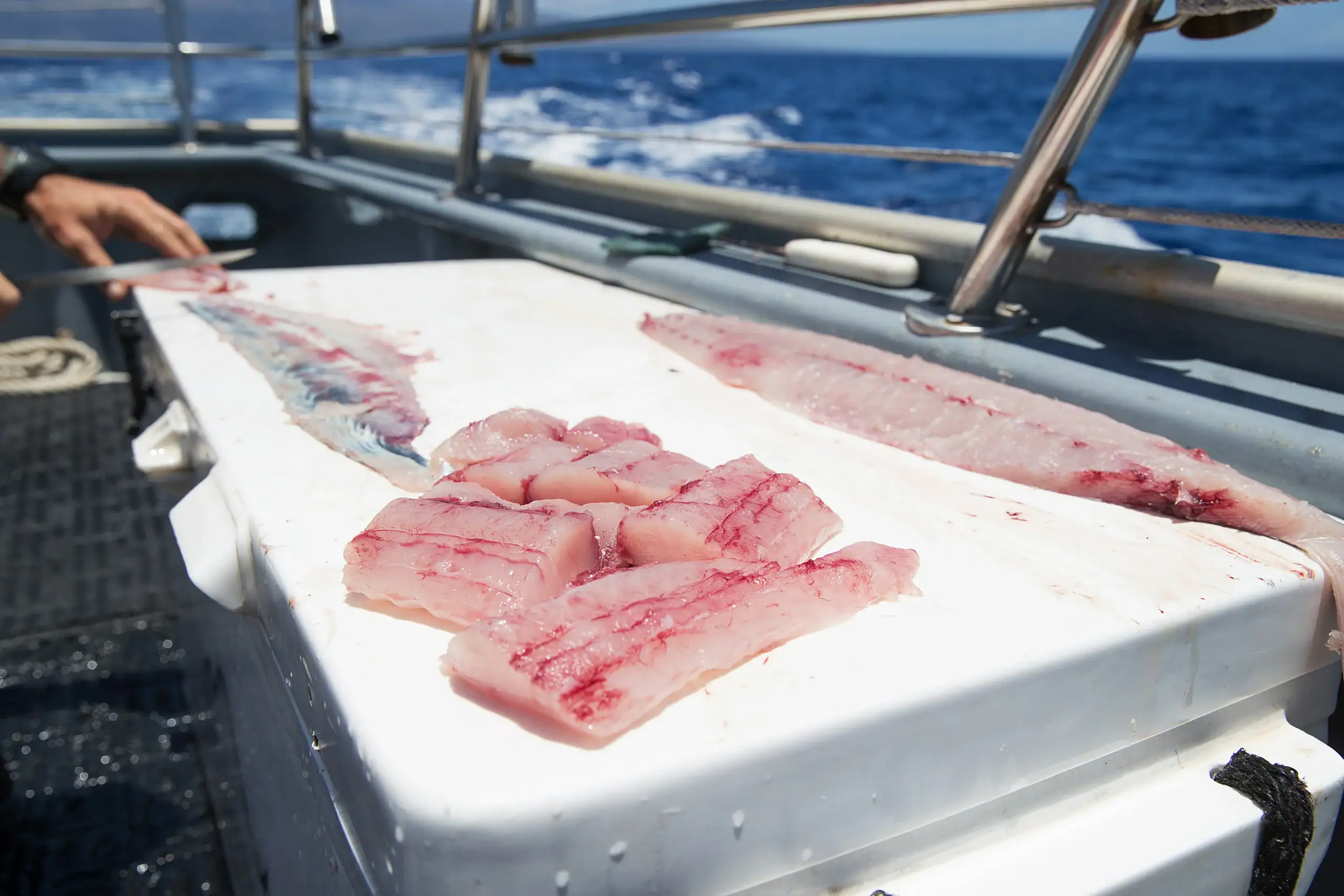
First, we assess your current setup and power requirements. Every boat is different, and cookie-cutter solutions don’t work in marine environments.
Next, we design a system that matches your actual needs—not what someone thinks you should have. We consider your typical usage, available power, and space constraints.
Then we install using proper marine-grade components and techniques. No shortcuts, no residential parts that’ll fail in six months. When we’re done, you get a system that works reliably and efficiently.
We test everything thoroughly before we leave. You’ll know exactly how your system operates and what to expect from it.
Ready to get started?
Complete marine refrigeration services—from emergency repairs to new installations. We handle all major brands and can source parts for older systems that other companies can’t service.
In Flanders and throughout eastern Long Island, we see the same issues repeatedly. Salt corrosion on condensers. Vibration damage to compressor mounts. Power draw problems that kill batteries. We know how to prevent these issues and fix them when they happen.
Our service includes proper system diagnostics, not guesswork. We use marine-specific tools and techniques because boat systems require different approaches than residential equipment. You get repairs that last and installations that work properly from day one.
This usually means your system is working harder than it should but can’t remove heat effectively. In marine environments, the most common cause is a dirty or corroded condenser that can’t reject heat properly.
Salt air clogs condensers faster than you’d expect. Even boats that aren’t in saltwater deal with humidity and airborne salt that builds up over time. When your condenser can’t breathe, your compressor runs constantly trying to cool but never gets there.
The fix involves cleaning the condenser thoroughly and checking for corrosion damage. Sometimes the condenser needs replacement, especially on older systems. We also check refrigerant levels and compressor health because a struggling condenser often damages other components.
A properly sized and installed marine refrigeration system should use 3-5 amps per hour on average, depending on your box size and insulation quality. If you’re seeing 8-10 amps or more, something’s wrong.
High power draw usually comes from poor insulation, oversized compressors, or systems fighting against heat sources. Many boat refrigerators get installed next to engines or in poorly ventilated spaces, making them work much harder than necessary.
We calculate actual power requirements based on your specific setup—box size, insulation, typical ambient temperatures, and usage patterns. Then we size the system correctly instead of just installing whatever fits. Proper sizing can cut your power consumption in half while improving cooling performance.
Yes, we service most older marine refrigeration systems, including discontinued brands. After 40 years in the business, we’ve worked on everything from vintage Grunert systems to older Adler Barbour units.
The key is understanding how these older systems work and having access to compatible parts. Sometimes we can rebuild components that are no longer available. Other times we can retrofit newer, more efficient parts into existing systems.
We don’t automatically recommend replacement just because a system is old. Many older marine refrigeration units were built better than current models and are worth repairing. We’ll give you honest advice about whether repair makes sense or if replacement is your better option.
Marine air conditioning systems are designed to handle constant motion, salt air, and limited power availability. Regular residential AC units will fail quickly in marine environments because they’re not built for these conditions.
Marine AC systems use different compressor mounting systems to handle vibration. They have corrosion-resistant components and coatings. They’re also designed to work efficiently at 12V or 24V DC power, not just 120V AC like residential units.
The installation is completely different too. Marine systems need proper drainage for condensation, vibration isolation, and ventilation that works when the boat is moving. We use marine-grade wiring, proper through-hulls for seawater cooling, and mounting techniques that prevent damage from boat movement.
Marine refrigeration systems need professional service annually, or more frequently if you use your boat heavily. The marine environment is much harder on cooling systems than home use.
Annual service includes cleaning condensers, checking refrigerant levels, inspecting electrical connections, and testing system performance. We also check for corrosion, vibration damage, and wear on moving parts that could cause failures.
If you’re a weekend boater, annual service is usually sufficient. If you live aboard or cruise extensively, you might need service twice a year. The key is catching problems before they leave you without cooling during a trip.
Marine refrigeration parts cost more because they’re specialized, lower-volume products. Marine-grade components also use better materials and construction to handle harsh conditions, which increases manufacturing costs.
The labor is more complex too. Working in cramped boat spaces, dealing with DC electrical systems, and using proper marine installation techniques takes more time and specialized knowledge than residential appliance repair.
However, proper marine refrigeration repair lasts longer than cheap fixes. We use the right parts and techniques so you don’t have the same problem again next season. The higher upfront cost saves money long-term by preventing repeat failures and extending system life.