Hear from Our Customers
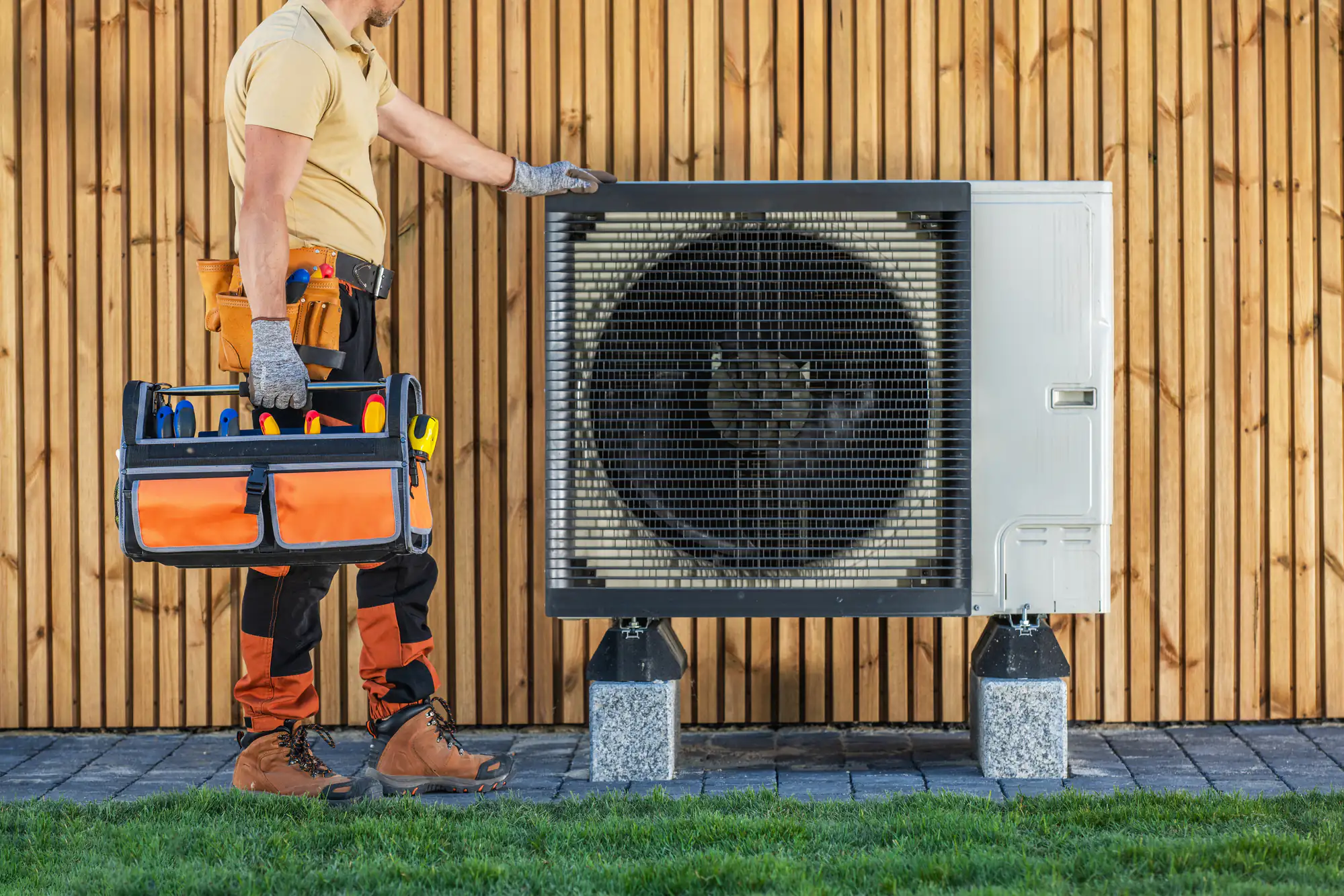
You stop worrying about whether the AC will make it through July. You’re not adjusting the thermostat every hour trying to balance comfort with your electric bill. Your family isn’t complaining about the bedroom that’s always too hot or the living room that never warms up.
That’s what a properly installed and maintained HVAC system does. It runs quietly in the background while you live your life.
Modern systems can cut your energy use by 30-40% compared to units from the early 2000s. That’s real money back in your pocket every month, not just a sales pitch. And if you’re near Flanders Bay or Good Ground Park, you already know what salt air does to outdoor equipment. The right installation with the right materials means you’re not replacing corroded parts every few years.
When your heating system maintenance is handled correctly, you catch the small stuff before it becomes an emergency service call in January. You get more years out of your equipment. You breathe cleaner air because filters and coils are actually clean.
We didn’t start with residential work. We built our reputation handling commercial refrigeration and marine HVAC systems that most contractors won’t touch. Beer systems for breweries. Climate control for boats. Airport equipment. The kind of work where there’s no room for guesswork.
That background matters when you’re dealing with a Flanders home that was converted from seasonal to year-round use and has ductwork that makes no sense. Or when your condenser is taking a beating from coastal air and you need someone who knows which materials actually hold up.
We’ve been serving Long Island for over four decades. We’re licensed, insured, and we run emergency service 24/7 because HVAC problems don’t wait for Monday morning. You’ll find dozens of five-star reviews from people who needed real solutions, not just a sales pitch for the most expensive option.
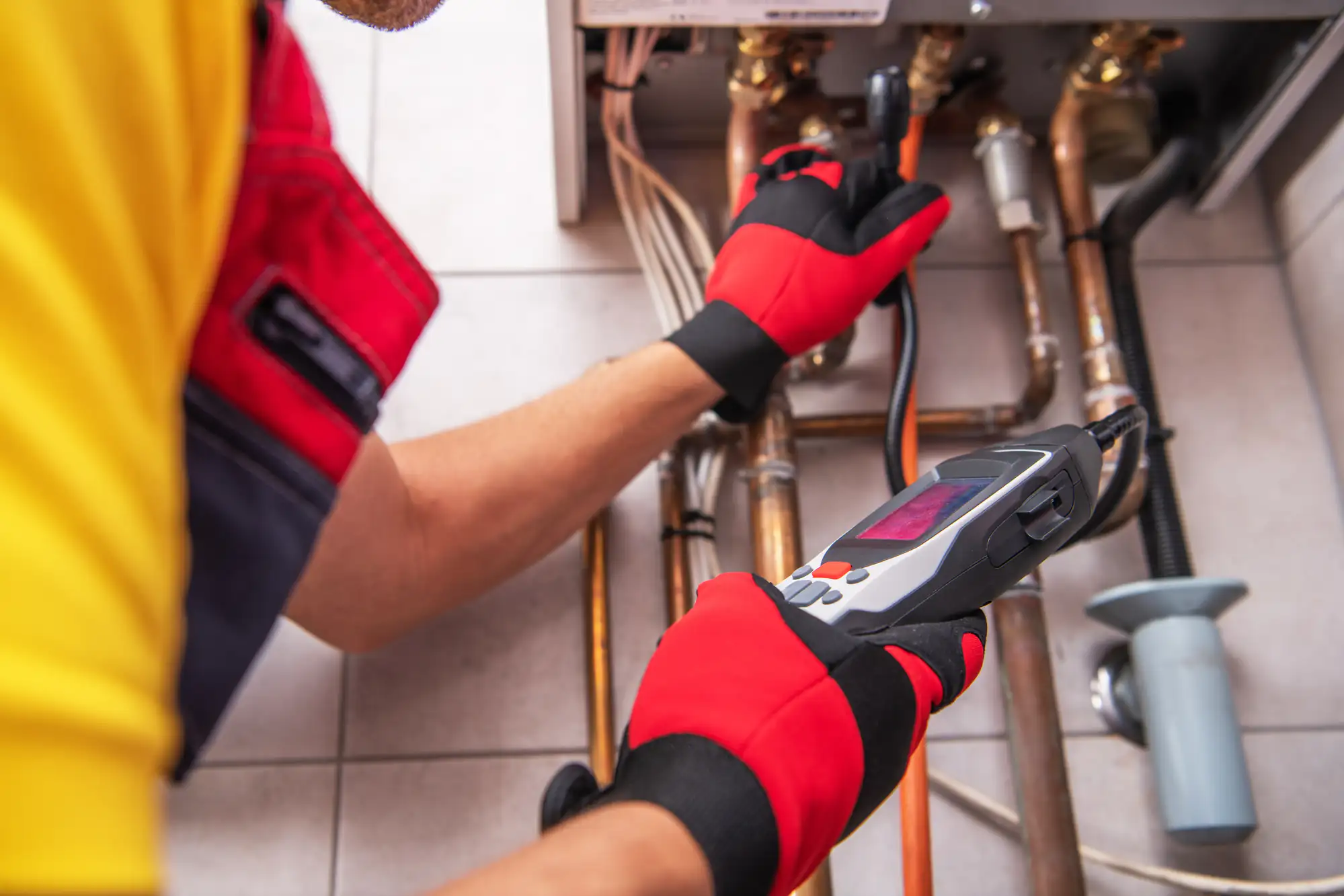
First, we actually look at your home. Not just the equipment, but how your house is built, where the problem areas are, and what’s causing the issue. If you’re running an oversized AC because someone didn’t do the math right fifteen years ago, we’ll tell you. If your ductwork is losing half your conditioned air to the attic, you need to know that before we talk about new equipment.
We give you a free estimate that breaks down what you actually need. Sometimes that’s a full HVAC replacement. Sometimes it’s air conditioning repair and a maintenance plan. Sometimes it’s addressing insulation or air sealing before you spend money on a bigger furnace.
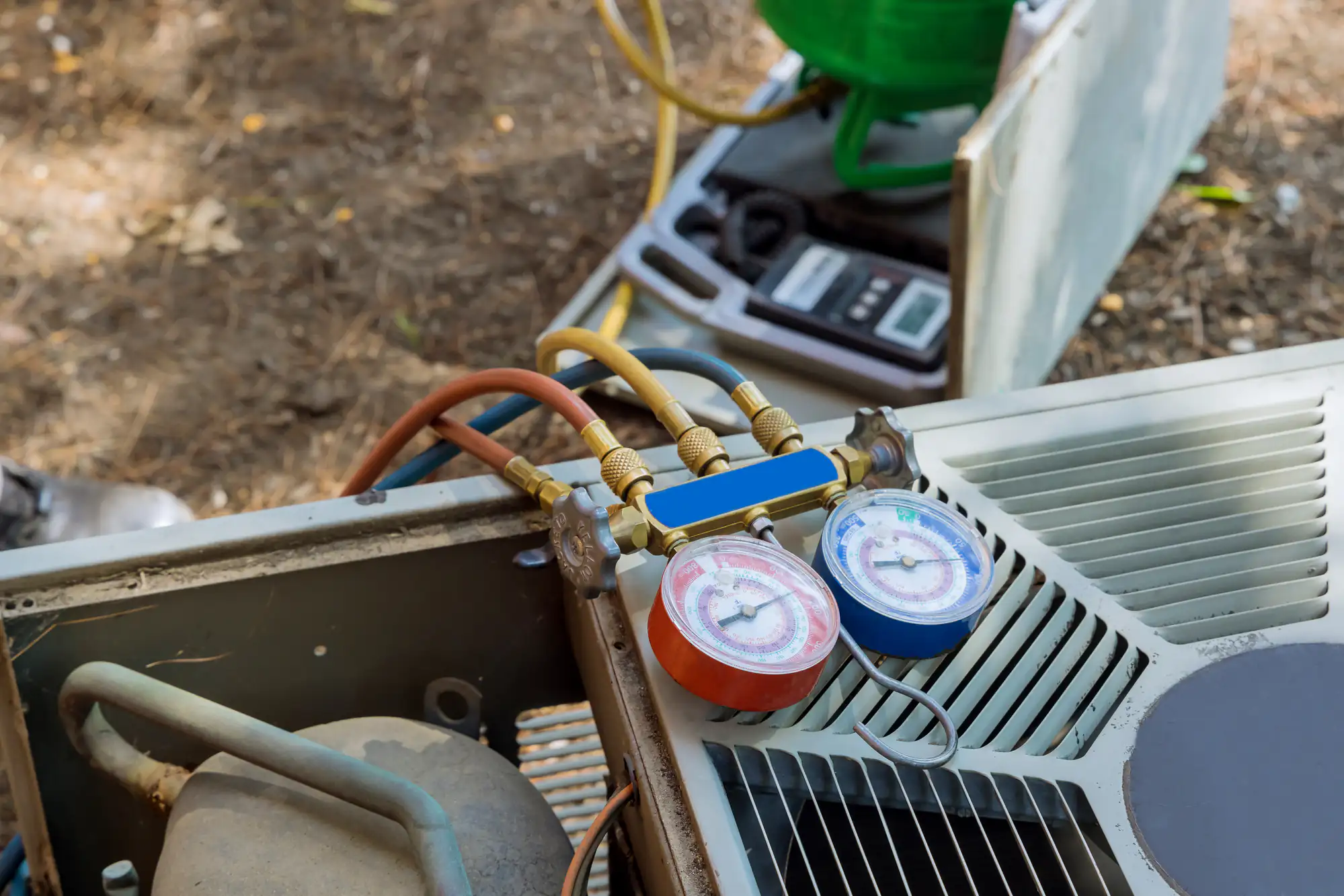
When we do the work, we’re handling everything from load calculations to proper refrigerant charging to making sure your condensate drains won’t freeze. The details that separate a system that limps along for five years from one that runs efficiently for fifteen.
After installation, you’re not on your own. We’re available around the clock if something goes wrong, and we’ll set you up with a maintenance schedule that actually prevents problems instead of just checking boxes.
Ready to get started?
Air conditioning repair and installation that accounts for Long Island humidity. Your AC doesn’t just cool the air, it has to pull moisture out first. If that’s not happening efficiently, you end up with a cold, clammy house and high electric bills.
Furnace installation and heating system maintenance for homes still running on oil heat, which is common throughout Flanders. Modern high-efficiency furnaces can hit 98% AFUE ratings. If you’re running a 20-year-old unit at 60% efficiency, you’re burning 30-40% more fuel than you need to.
Indoor air quality solutions that go beyond just changing filters. If your home was converted from seasonal use and the insulation and air sealing weren’t upgraded, you’re pulling in outdoor air constantly. That means humidity, allergens, and higher energy costs.
HVAC replacement with proper sizing and load calculations. An oversized system short-cycles and wears out faster. An undersized system runs constantly and never catches up. We size equipment based on your actual space, insulation levels, window area, and exposure, not just square footage.
For properties near the water, we factor in salt air exposure. That means annual condenser coil cleaning, corrosion-resistant materials, and regular inspections of any exposed components. It’s the difference between a system that lasts eight years and one that makes it to fifteen.
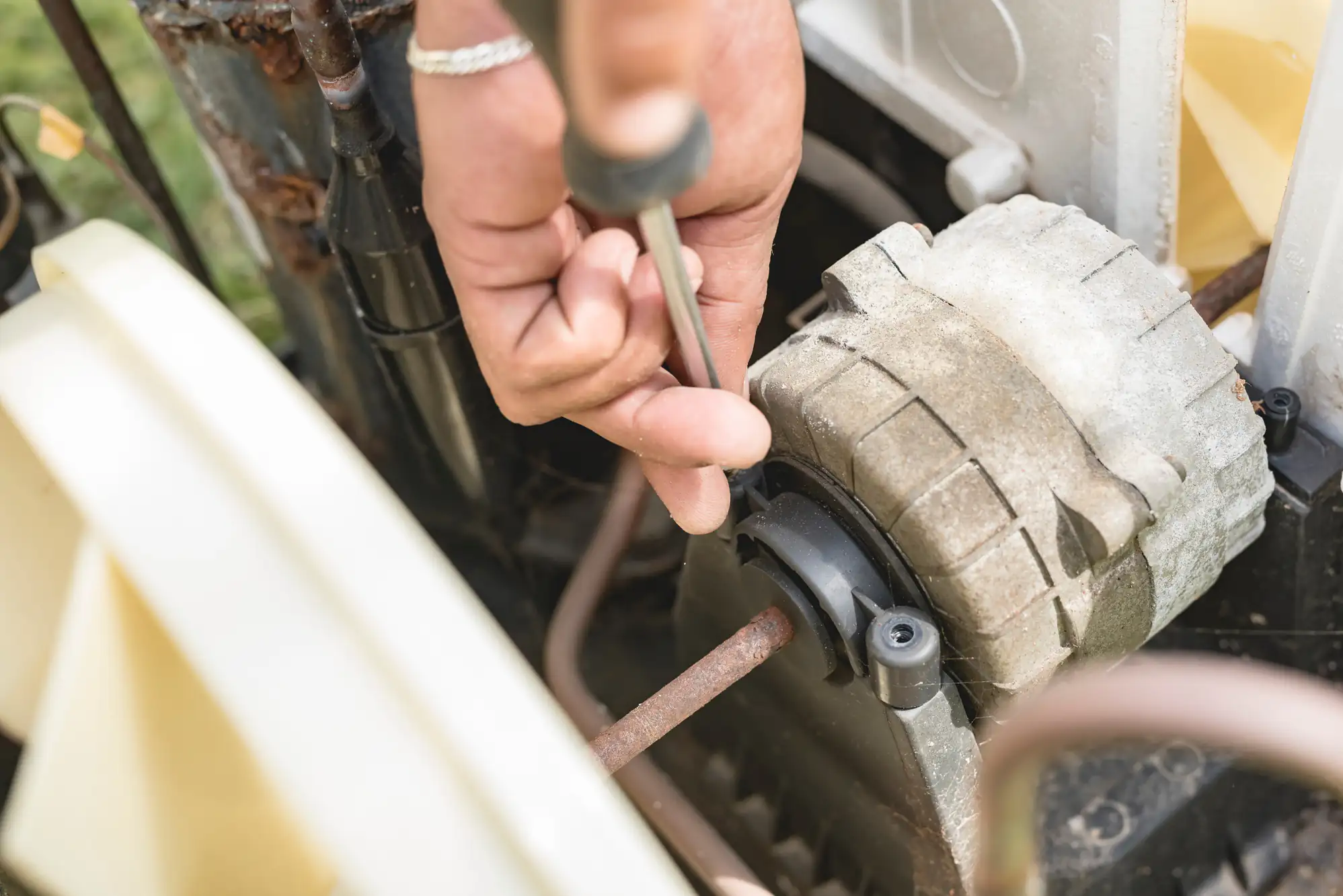
Twice a year is the standard recommendation, but the timing matters more than most people realize. You want your furnace inspected in early fall before you’re relying on it daily. That’s when you catch ignition problems, cracked heat exchangers, or blower motor issues before they leave you without heat in January.
Air conditioning maintenance should happen in spring, ideally before the humidity really kicks in. Late April or early May gives you time to address refrigerant leaks, clean coils, and make sure your condensate drain is clear before you’re running the system hard.
If you’re near Flanders Bay or anywhere with salt air exposure, you need condenser coil cleaning annually as part of that maintenance. Salt buildup reduces efficiency and accelerates corrosion on the outdoor unit. It’s not optional if you want your equipment to last.
If your system is under ten years old and the repair is under $1,000, fixing it usually makes sense. If you’re looking at a $2,000 repair on a fifteen-year-old furnace, the math changes fast.
Here’s why: a new high-efficiency system will cut your fuel consumption by 30-40% if you’re replacing an older unit. That savings adds up. A furnace running at 60% efficiency is wasting almost half your heating dollars. A modern unit at 95-98% efficiency means you’re only losing 2-5% of the fuel you’re paying for.
The other factor is how many repairs you’ve done recently. If you’ve spent $1,500 over the past two years keeping an old system alive, and now you’re facing another major repair, you’re throwing money at equipment that’s only getting less reliable. At some point, you’re better off putting that money toward a new system with a warranty and twenty years of life ahead of it.
We’ll walk you through the actual numbers for your situation. Sometimes repair is the right call. Sometimes it’s not.
Uneven heating and cooling usually comes down to ductwork, insulation, or an oversized system that’s short-cycling. If your house was built in the mid-century era or converted from seasonal to year-round use, there’s a good chance the ducts weren’t designed for central HVAC.
Poorly balanced ducts mean some rooms get blasted with air while others barely get any. Leaky ducts lose conditioned air to unconditioned spaces like attics and crawlspaces. If 30-40% of your heated or cooled air never makes it to the rooms you’re trying to condition, your system can’t keep up no matter how hard it runs.
Insulation gaps are the other common culprit, especially in converted seasonal homes. If the walls and attic weren’t properly insulated when heat was added, you’re losing warmth in winter and gaining it in summer faster than your HVAC system can compensate.
An oversized AC will cool the air quickly but shut off before it’s had time to dehumidify properly or reach the far rooms. You end up with temperature swings and some spaces that never feel right. Proper load calculations and duct balancing fix most of these issues.
Salt air is corrosive. It attacks the condenser coils on your outdoor unit, any exposed metal components, and even the cabinet itself if it’s not properly coated. Properties near Flanders Bay and Good Ground Park see this constantly.
The condenser coil is the most vulnerable part. Salt buildup reduces airflow and heat transfer, which makes your system work harder and use more energy. Over time, it corrodes the coil fins and tubing. If you’re not cleaning those coils annually, you’re shortening the life of your equipment by years.
Stainless steel hardware and corrosion-resistant fasteners are essential for outdoor installations in salt air environments. Standard steel rusts out quickly. We also recommend protective coatings on condenser cabinets and regular inspection of any structural components that might be exposed.
The good news is that with the right materials and a maintenance plan that includes annual coil cleaning, your equipment can last just as long near the water as it would inland. You just can’t ignore it and expect it to hold up.
Experience with the specific challenges Long Island homes face. That means understanding salt air corrosion, knowing how to work with older homes that have been converted from seasonal use, and being able to properly size equipment based on actual load calculations instead of guessing.
You want someone who’s licensed and insured, which should be non-negotiable. You also want a contractor who offers emergency service, because your furnace doesn’t care that it’s 9 PM on a Saturday when it decides to quit.
Look for a track record. How long have they been in business? Do they have reviews from actual customers you can read? Are they transparent about pricing, or do they play games with “call for quote” on everything?
Ask about their process. Do they do a proper assessment of your home, or are they just swapping out equipment? Do they explain what you actually need and why, or are they pushing the most expensive option regardless of whether it makes sense for your situation? The right contractor treats your money like it’s their own and gives you straight answers.
Fall and spring are your best windows for HVAC replacement. You’re not in the middle of extreme temperatures, so you have some flexibility on timing. Contractors are also less slammed than they are in July or January, which means better availability and often better pricing.
If your system is fifteen years old or older, start planning the replacement before it fails. A planned replacement lets you research options, get multiple estimates, and schedule the work when it’s convenient. An emergency replacement in the middle of a heat wave or cold snap means you’re under pressure and have fewer options.
There’s also a practical reason to replace sooner rather than later if your equipment is aging. A lot of systems installed in the mid-2000s are hitting end of life right now. Parts are getting harder to find. Efficiency standards have changed, so refrigerants and components aren’t always compatible with older equipment.
If you’re doing other home upgrades like insulation or air sealing, that’s an ideal time to assess your HVAC situation. You might be able to downsize your equipment once your home is better sealed and insulated, which saves you money on both the equipment and the operating costs.