
Hear from Our Customers
You’re not dealing with a regular fridge here. Your boat refrigeration system faces saltwater, constant motion, humidity, and limited power—all while you’re miles from shore. When it fails, your trip is done. Food spoils. Plans change. Money’s wasted.
That’s where proper marine refrigeration makes the difference. A system that’s correctly installed and maintained keeps running when you need it. Your provisions stay cold. Your batteries aren’t drained. You spend your time on the water instead of troubleshooting error codes at the dock.
With the right setup, you get consistent cooling without the constant worry. Whether you’re heading out to Jamaica Bay or spending the weekend at your Macy Channel dock, your systems work. That means longer trips, fewer headaches, and the confidence that your investment is protected.
We’ve spent over 40 years working on marine HVAC and commercial refrigeration systems across the Greater New York area. We handle everything from straightforward boat AC repairs to complex custom cooling installations that most shops won’t touch.
What sets us apart is the combination of marine expertise and commercial refrigeration knowledge. We work on airports, catering halls, restaurants—systems that can’t afford to fail. That same standard applies to every boat we service in Hewlett Bay Park and throughout Long Island’s South Shore.
We know the local boating community. We understand that when you’re dealing with waterfront properties along the Macy Channel and Jamaica Bay access, your boat isn’t just a hobby—it’s part of your lifestyle. Fast response matters. Clear communication matters. Getting it right the first time matters.
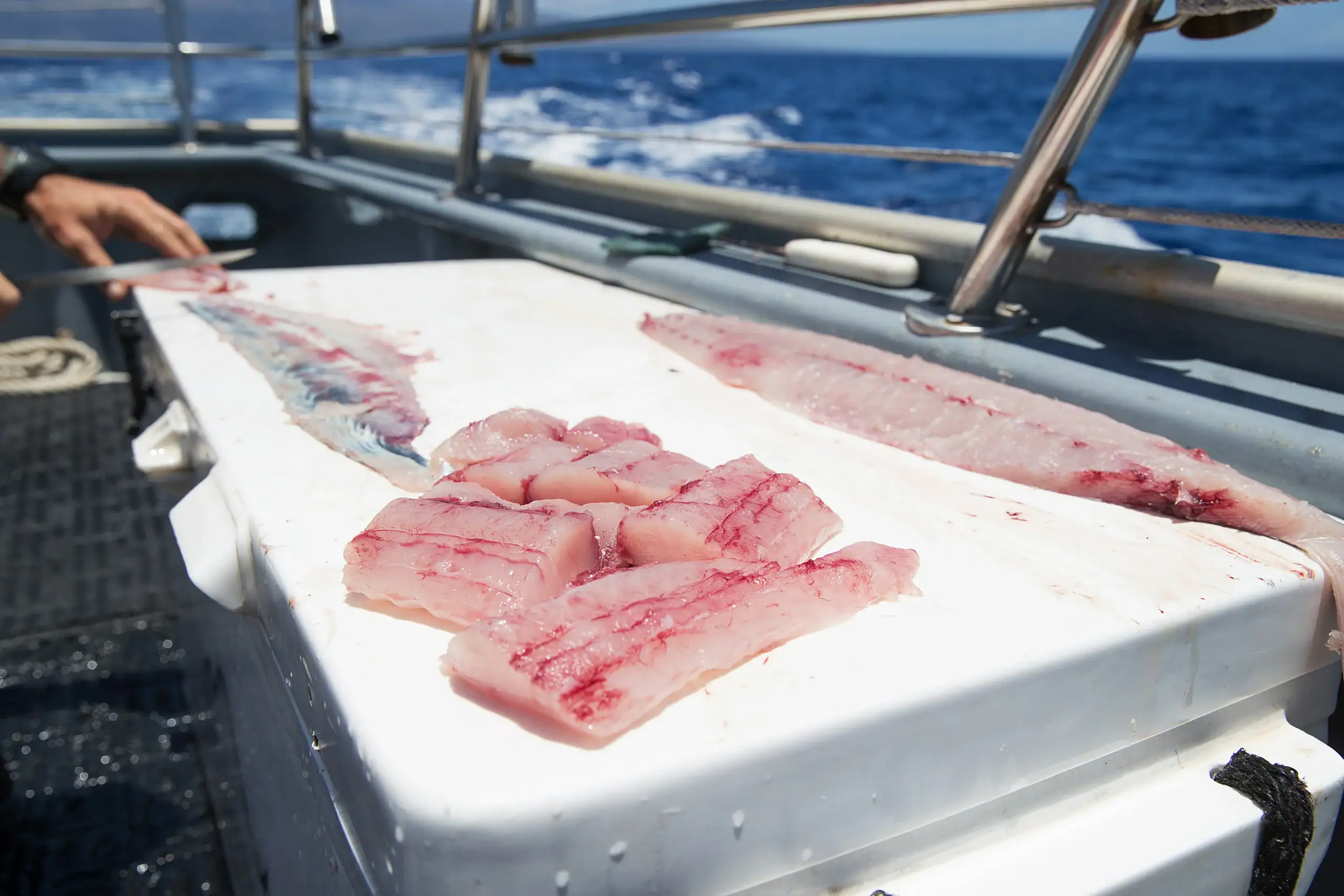
The process starts with understanding what’s actually wrong. Marine refrigeration issues can stem from dozens of causes—low refrigerant, electrical problems, clogged sea strainers, failing compressors, or something as simple as a faulty thermostat. We run proper diagnostics instead of guessing.
Once the issue is identified, you get a clear explanation of what needs to happen and what it’ll cost. No jargon. No upselling parts you don’t need. If it’s a repair, we handle it with the right marine-grade components. If it’s an installation, we size the system correctly for your vessel’s specific needs—accounting for your boat’s interior volume, insulation, and power capacity.
After the work is complete, we test the system under actual operating conditions. You’re not left wondering if it’ll work when you’re ten miles offshore. We also provide guidance on maintenance intervals and what to watch for, so you can catch small issues before they become expensive problems.
With 24/7 consulting available, you’re never stuck troubleshooting alone. Whether it’s a weekend emergency or a question about system performance, someone’s available to help.
Ready to get started?
Marine refrigeration service covers the full spectrum—from emergency repairs to complete system installations and regular maintenance. For Hewlett Bay Park boat owners, this means having access to technicians who understand the specific challenges of Long Island waters.
Installation work includes properly sizing systems for your vessel, installing marine-grade components designed for saltwater environments, and ensuring electrical systems can handle the load without draining batteries. The difference between a system that works and one that constantly fails often comes down to installation quality. Undersized systems run continuously and never reach temperature. Oversized systems short-cycle and fail prematurely.
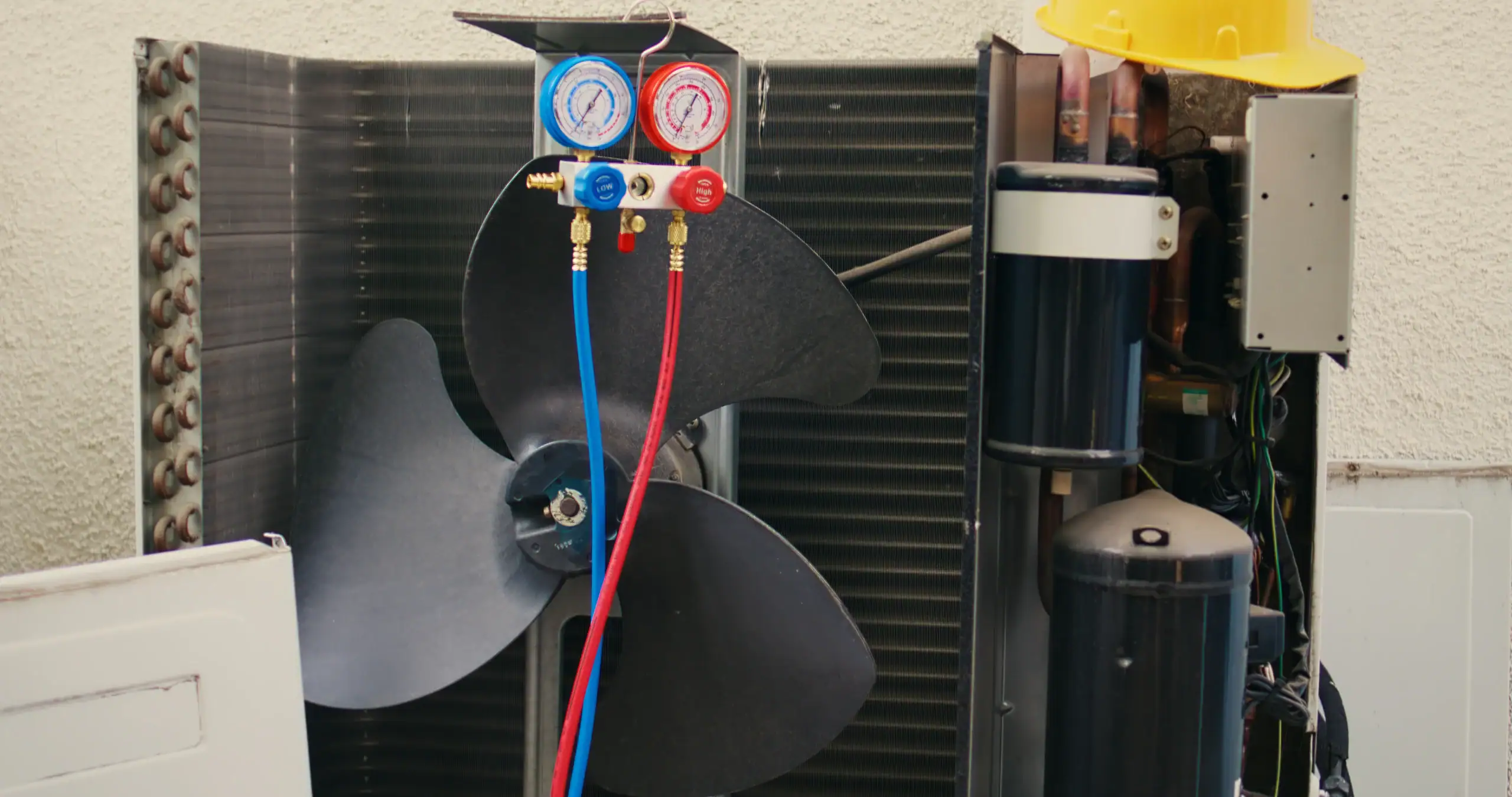
Repair services address the most common marine refrigeration problems: high-pressure faults, inadequate cooling, excessive power draw, refrigerant leaks, and compressor failures. Many of these issues are unique to marine environments—you won’t find solutions in residential HVAC manuals.
Regular maintenance extends system life significantly. This includes cleaning air filters and sea strainers, inspecting evaporator and condenser coils for salt buildup, checking refrigerant levels, testing electrical connections, and clearing condensate drains. For boats docked along Hewlett Bay Park’s waterfront, where saltwater exposure is constant, this preventive work isn’t optional—it’s essential.
We also handle complex installations like beer systems and custom cooling solutions that require specialized knowledge. With over 40 years serving commercial and marine clients, we bring a level of expertise that typical HVAC companies simply don’t have.
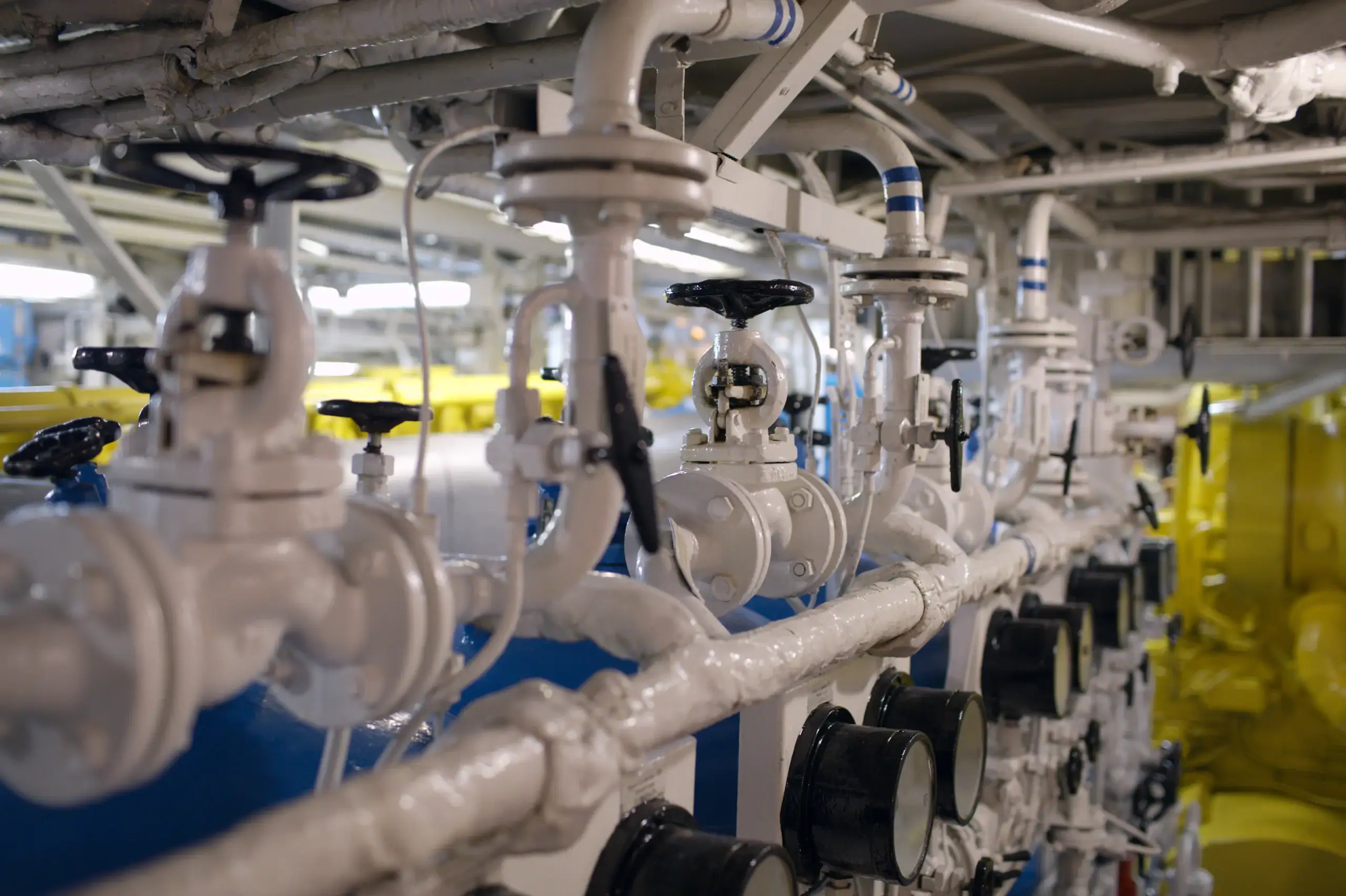
Summer failures usually trace back to a few specific causes. High ambient temperatures put extra strain on marine refrigeration systems, especially if your condenser coils have salt buildup reducing heat transfer efficiency. The system has to work harder to reject heat, which can trigger high-pressure faults.
Another common culprit is inadequate ventilation around the compressor. When your boat’s engine room or cabin heats up on hot days, your refrigeration system can’t dissipate heat properly. Add in clogged sea strainers restricting water flow to the condenser, and you’ve got a recipe for system shutdown.
Power issues also spike in summer. Running your boat AC and refrigeration simultaneously can overload your electrical system if it wasn’t sized correctly. Low voltage from insufficient battery capacity causes compressors to shut down or run inefficiently. The fix usually involves a combination of cleaning components, ensuring proper water flow, and verifying your electrical system can handle the load during peak demand.
Power consumption varies significantly based on system size, insulation quality, and how often you open the unit. A typical 12V marine refrigerator draws between 2.5 to 7 amps when running, but it doesn’t run continuously. Most systems cycle on and off to maintain temperature.
Over a 24-hour period, expect your refrigeration to consume roughly 30 to 60 amp-hours, though this can climb higher in hot weather or with poor insulation. If your boat has a freezer too, add another 40 to 80 amp-hours daily. This is why battery capacity matters so much for extended cruising.
The key to managing power consumption is proper installation and maintenance. A correctly sized system with good insulation runs less frequently. Clean condenser coils transfer heat more efficiently, reducing run time. Setting your temperature a few degrees warmer (38-40°F instead of 32°F) can cut power use by 20-25%. If you’re experiencing excessive power draw, it usually indicates an underlying problem—refrigerant leak, failing compressor, or poor insulation—that needs professional attention.
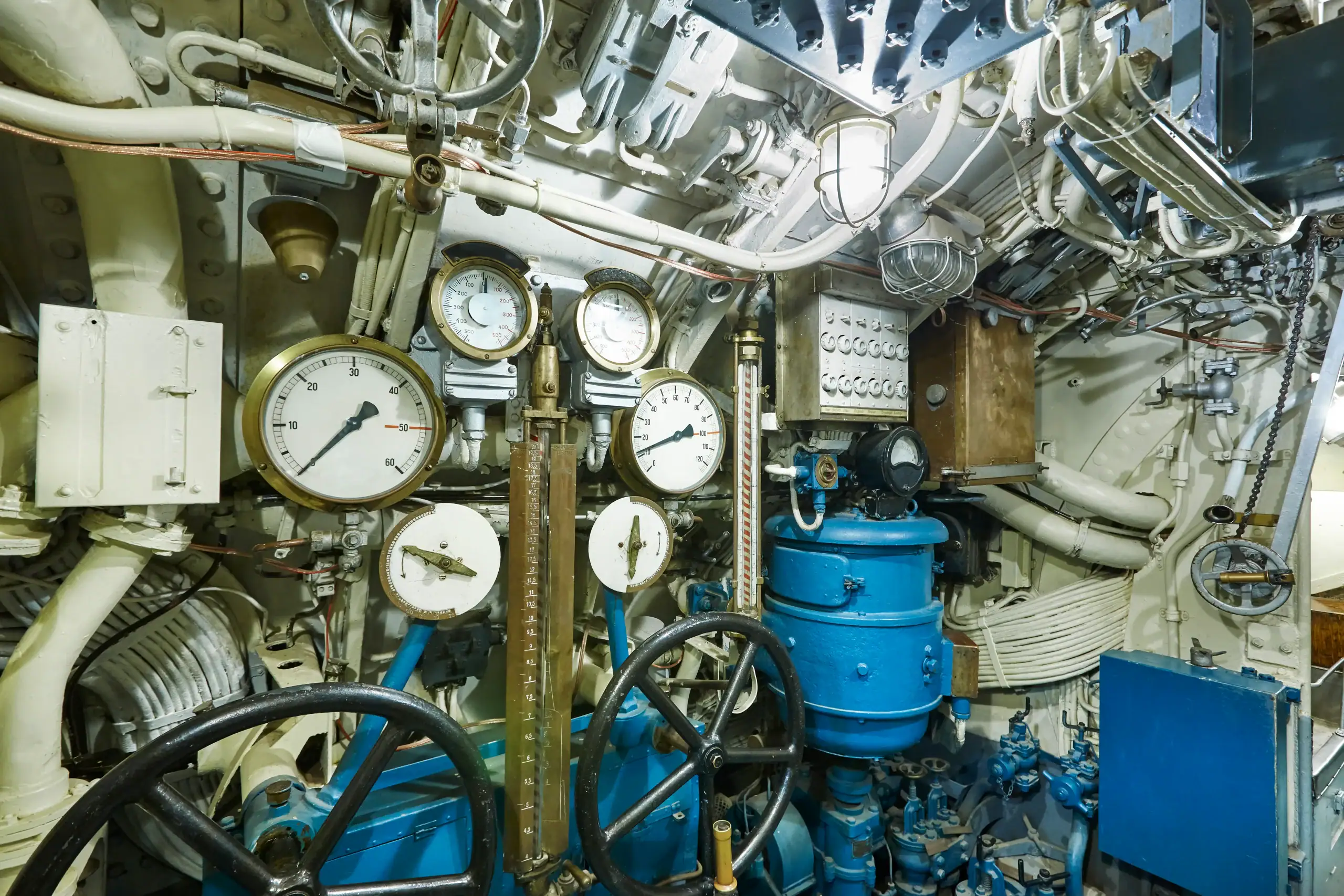
Marine refrigeration systems are engineered for conditions that would destroy residential units. They handle constant motion and vibration, operate in high-humidity environments, resist saltwater corrosion, and run on limited DC power rather than unlimited AC power from the grid.
The components are fundamentally different. Marine compressors are designed for variable voltage and can operate efficiently on battery power. Condensers are either water-cooled using seawater or air-cooled with corrosion-resistant materials. Evaporators are built to handle the moisture and movement. All electrical components are sealed against humidity and salt spray.
Installation requirements differ too. Marine systems need proper drainage for condensate, secure mounting to handle rough seas, and electrical systems that account for voltage drop and limited battery capacity. A residential HVAC technician won’t have the knowledge to properly install or service these systems. You need someone who understands marine environments and has experience with the specific challenges boat refrigeration presents—which is exactly what 40 years in the marine HVAC industry provides.
At minimum, schedule professional service annually before the boating season starts. This catches potential problems before they strand you with a failed system mid-summer. For boats in constant use or those docked in saltwater year-round—which includes most Hewlett Bay Park vessels—twice-yearly service makes more sense.
Between professional visits, handle basic maintenance monthly during active use. Clean or replace air filters, check and clean sea strainers, inspect visible components for corrosion or leaks, and verify the system maintains proper temperature without running constantly. These simple tasks prevent many common failures.
Watch for warning signs that indicate immediate service needs: unusual noises, inadequate cooling, excessive run time, error codes on the display, or visible refrigerant leaks. Don’t wait on these issues. Marine refrigeration problems rarely fix themselves and usually get worse fast. Early intervention saves money and prevents spoiled provisions. With 24/7 consulting available, you can get guidance on whether something needs immediate attention or can wait until the next scheduled service.
Yes, and upgrading often makes more financial sense than repeatedly repairing an old system. Modern marine refrigeration is significantly more efficient, drawing less power while providing better cooling. If your current system is more than 10-15 years old, you’re likely dealing with outdated technology that costs more to operate.
Upgrades can range from replacing individual components to complete system overhauls. Sometimes it’s as simple as installing a more efficient compressor or upgrading to better insulation. Other times, a full replacement makes sense—especially if you’re experiencing chronic problems or your power consumption is excessive.
The key is proper sizing and installation. Many marine refrigeration problems stem from incorrectly sized systems installed by technicians who don’t understand marine applications. An undersized system runs constantly and never quite gets cold enough. An oversized system cycles too frequently and fails prematurely. Professional assessment considers your boat’s specific requirements, your cruising patterns, and your power capacity. With experience handling everything from simple repairs to complex custom installations, we can evaluate your current setup and recommend the most cost-effective solution.
High-pressure faults (HPF) are the most common service call for marine AC systems, and they typically indicate the system can’t reject heat properly. The compressor detects dangerously high pressure and shuts down to prevent damage. Several factors cause this.
Restricted water flow is the primary culprit. Clogged sea strainers, failing raw water pumps, or blocked intake through-hulls prevent adequate seawater from reaching the condenser. Without sufficient water flow, heat builds up and pressure spikes. Salt buildup inside the condenser over time also reduces heat transfer efficiency.
Air flow problems cause HPF too. Dirty air filters or blocked evaporator coils restrict circulation, preventing proper heat exchange. Low refrigerant from leaks can paradoxically cause high-pressure conditions under certain circumstances. Electrical issues—particularly low voltage—can make the compressor work harder and trigger pressure faults.
The fix requires proper diagnosis. Start by checking water flow and cleaning sea strainers. Verify the raw water pump is operating correctly. Clean or replace air filters. If these basic steps don’t resolve it, you’re likely dealing with condenser scaling, refrigerant issues, or component failure that needs professional service. Don’t ignore HPF codes—continued operation can damage the compressor and turn a simple repair into an expensive replacement.