Hear from Our Customers
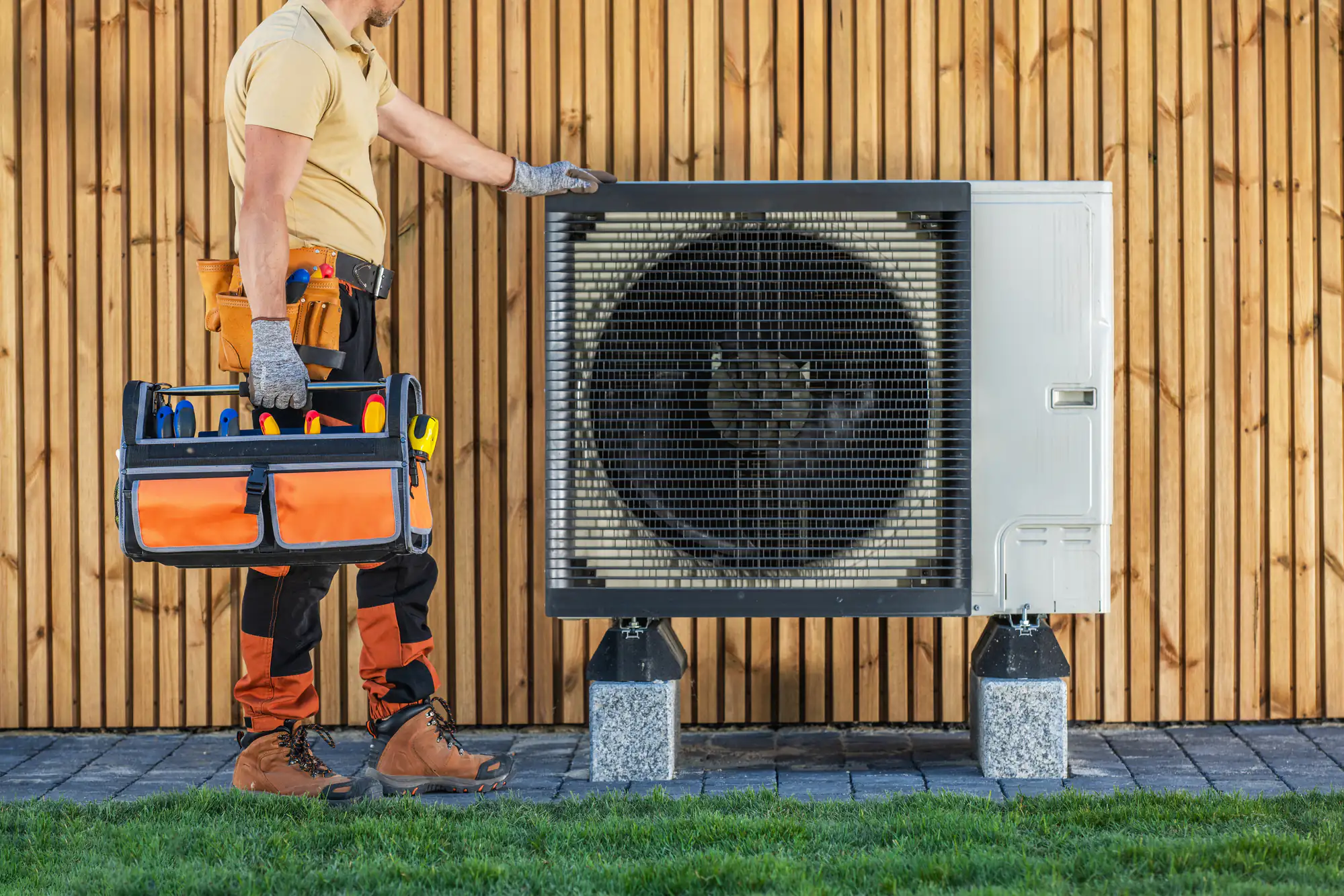
You shouldn’t have to guess whether your system will make it through winter. Or wake up sweating because your air conditioning decided to quit overnight.
When your HVAC system works the way it should, you stop thinking about it. Rooms stay comfortable. Energy bills make sense. Your family isn’t layering up indoors or fighting over the thermostat.
That’s what proper heating system maintenance and timely air conditioning repair actually deliver. Not just a quick fix, but reliable performance when the weather turns extreme. Because on Long Island, extreme happens—and your system needs to handle it without drama or emergency calls at 2 a.m.
We’ve been handling complex HVAC work since before most contractors in Hewlett Bay Park, NY opened their doors. We’ve worked on everything from marine air conditioning systems to commercial refrigeration at airports and restaurants—the kind of installations that don’t allow for guesswork.
That background matters when your residential system stops working. We’ve seen the error codes, diagnosed the failures, and fixed the problems that stump generalist contractors. We know what actually breaks and why.
We’re available 24/7 for consulting and emergencies because systems don’t fail on schedule. And we offer free estimates because you deserve to know what you’re dealing with before committing to anything.
First, we listen. You tell us what’s happening—no heat, weak airflow, strange noises, whatever’s going on. We ask a few questions to understand the situation before we even arrive.
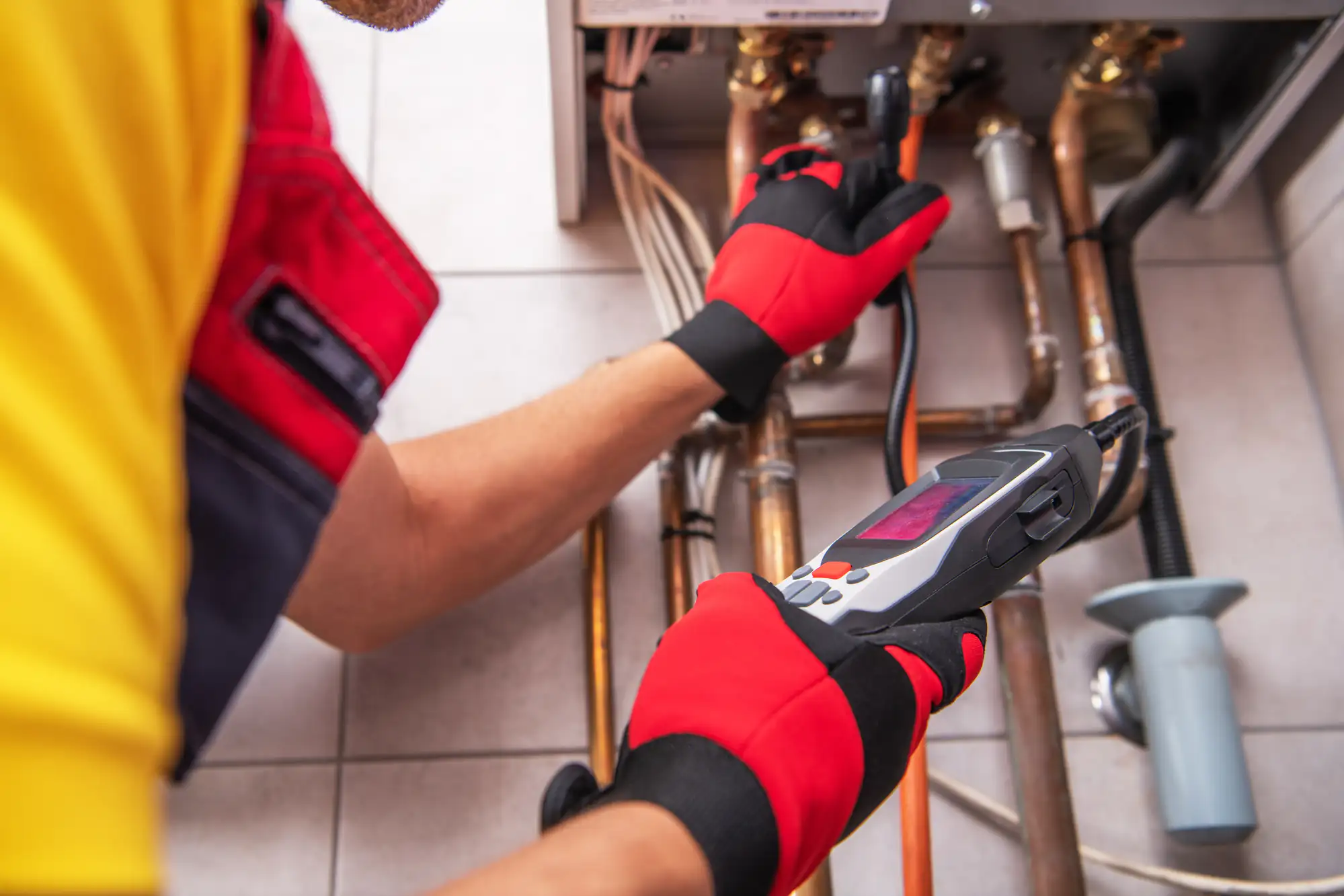
Then we show up and diagnose the actual problem. Not what we think it might be, but what’s really causing the issue. We explain it in plain terms and give you options—repair, replace, or maintain—with transparent pricing for each.
If you move forward, we handle the work completely. Furnace installation, HVAC replacement, air conditioning repair, whatever’s needed. We test everything before we leave, make sure you understand how to operate it, and stay available if questions come up later. No disappearing after the invoice gets paid.
Ready to get started?
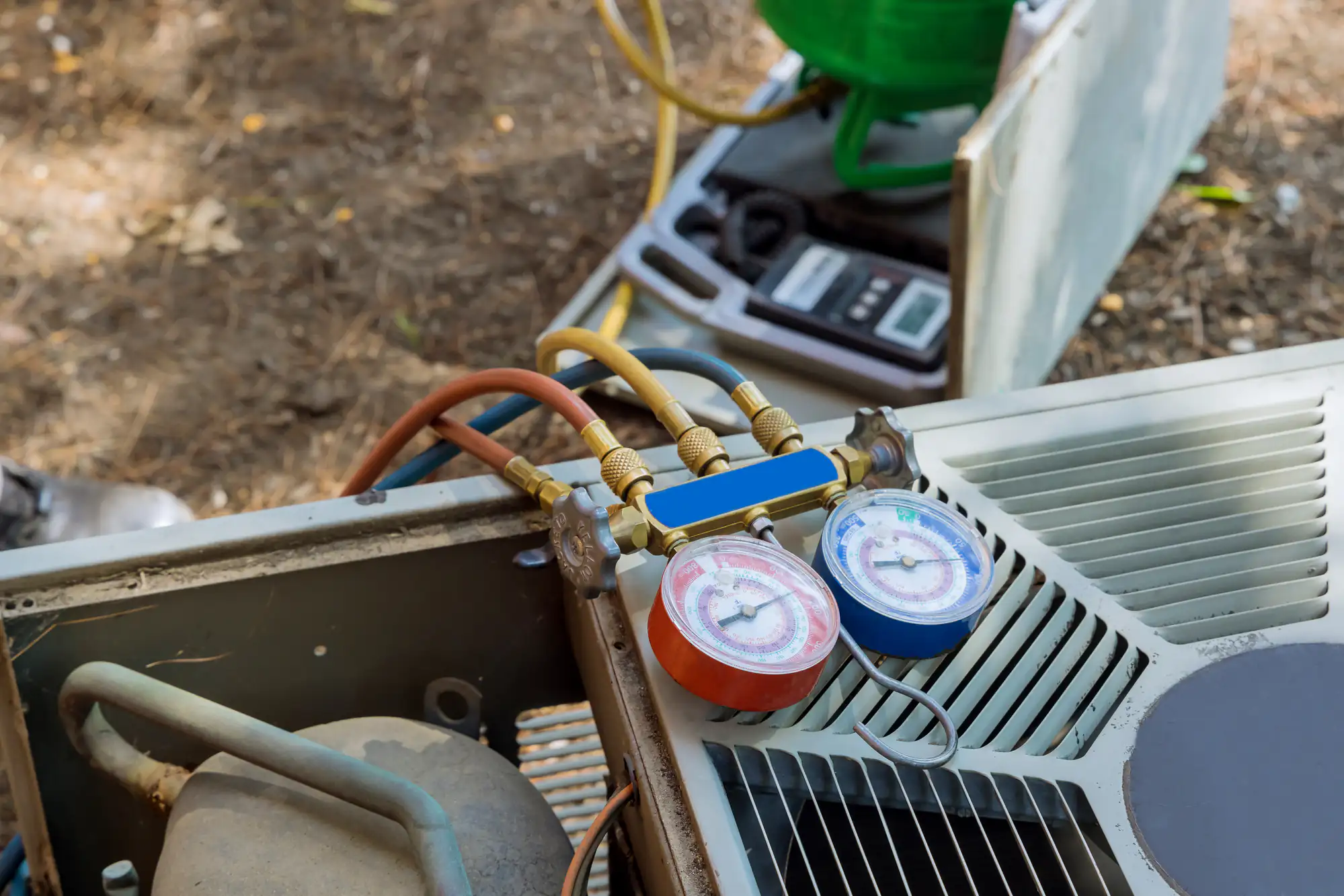
You get full-system diagnostics, not surface-level guesses. We check airflow, ductwork balance, refrigerant levels, electrical connections, and control systems. If your indoor air quality is suffering, we identify why—whether it’s filtration, humidity, or circulation issues.
In Hewlett Bay Park, NY, homes deal with humid summers and cold winters that stress HVAC systems hard. Spring maintenance catches problems before your AC runs nonstop through July. Fall tune-ups prevent furnace failures when temperatures drop to 20 degrees and snow starts falling.
When replacement makes more sense than another repair, we walk you through efficiency ratings, sizing, and rebate programs. Modern high-efficiency systems can cut energy consumption by 30% to 40% compared to units from the early 2000s. Between federal tax credits and utility incentives available in 2026, you could offset $4,000 to $14,000 on installation costs. We help you navigate that process so you actually get the money back.
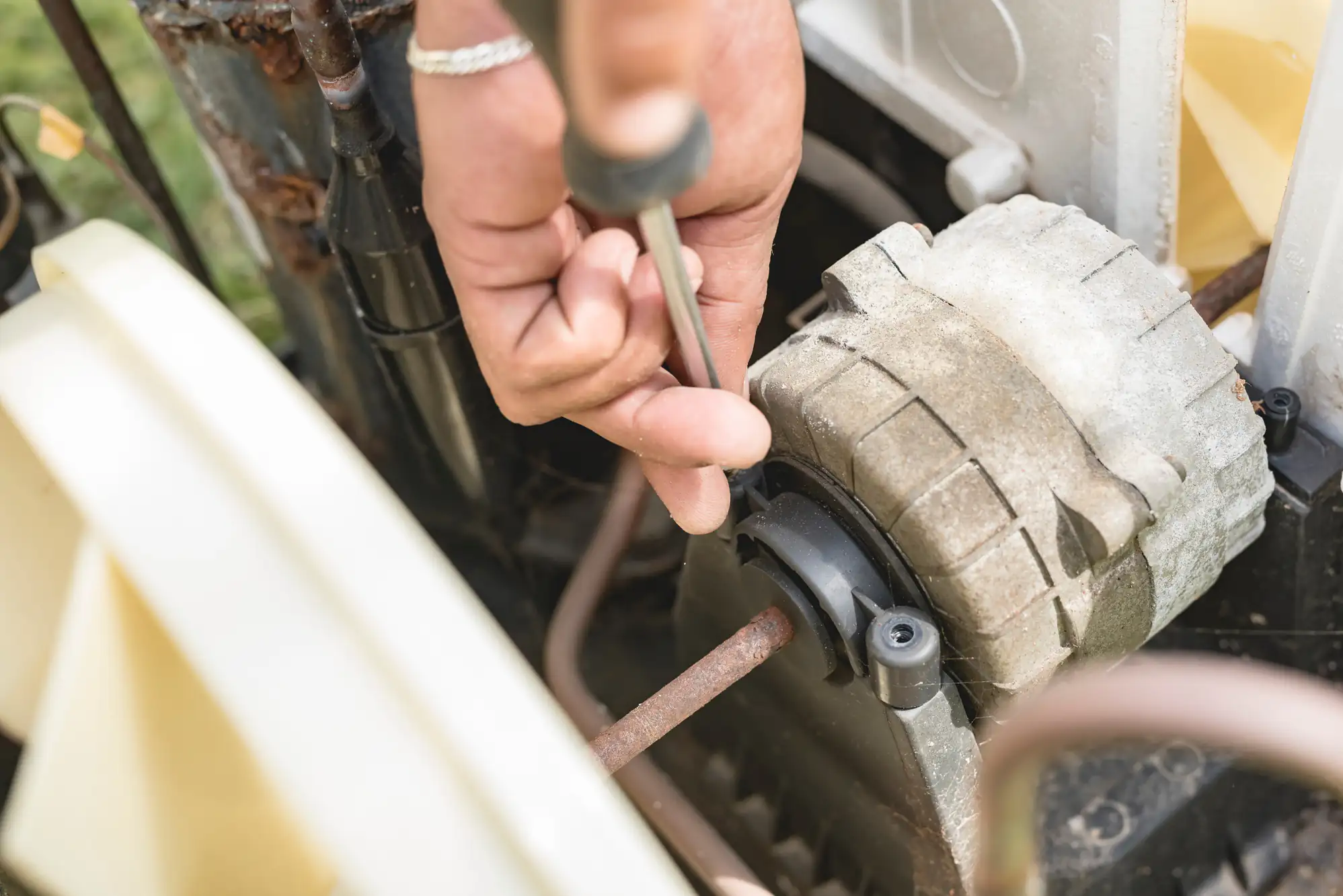
If your system is under 10 years old and the repair costs less than half of replacement, fixing it usually makes sense. But if you’re looking at a major component failure—compressor, heat exchanger, or evaporator coil—on a system that’s 15+ years old, replacement often saves you money long-term.
Here’s what we actually look at: repair cost versus remaining lifespan, your current energy bills compared to what a new system would cost to run, and how often you’ve needed service in the past two years. If you’re calling us twice a season, that’s a sign.
We’ll give you both options with real numbers. Sometimes a repair buys you another few years. Sometimes it’s throwing money at a system that’s going to fail again in six months. We’ll tell you which situation you’re in.
Usually it’s ductwork problems—leaks, poor design, or blocked returns. If some rooms feel like a freezer while others are stuffy, air isn’t distributing evenly. That happens when ducts leak conditioned air into attics or crawl spaces, or when return vents can’t pull enough air back to the system.
Sometimes it’s a sizing issue. If your system is too small for your home’s square footage, it’ll struggle to reach distant rooms. If it’s oversized, it short-cycles and never runs long enough to balance temperatures throughout the house.
Insulation matters too. Rooms above garages or on exterior corners lose heat faster in winter and gain it faster in summer. We check all of this during diagnostics—airflow at each register, duct connections, insulation quality, and whether your system is actually sized correctly for your home.
If you’re replacing a system from the early 2000s, you’re probably looking at 30% to 40% lower energy costs. Modern furnaces hit AFUE ratings up to 98%, meaning almost all the fuel you pay for turns into heat instead of venting outside.
For context, a 20-year-old furnace might run at 65% to 70% efficiency. You’re literally losing a third of your heating cost up the chimney. On Long Island, where winter heating bills can hit $300 to $400 a month, that adds up fast.
High-efficiency AC units work the same way—better SEER ratings mean less electricity to cool your home. Add in the rebates and tax credits available right now, and payback happens faster than most homeowners expect. We calculate actual savings based on your current bills and usage, not generic estimates.
First, check your thermostat—make sure it’s set to heat and the temperature is above current room temp. Check your circuit breaker to confirm the furnace has power. Look at your furnace filter; if it’s completely clogged, the system might have shut down to prevent overheating.
If those basics don’t solve it, call us. We’re available 24/7 for emergencies because we know what it’s like when it’s 20 degrees outside and your house is getting colder by the hour. Most contractors can’t come until the next morning. We actually answer and respond.
Common causes we see: ignition failures, flame sensor issues, blower motor problems, or cracked heat exchangers. Some are quick fixes. Others require parts or replacement. Either way, we’ll get you heat while we figure out the permanent solution.
Twice a year—spring for your AC, fall for your furnace. That timing catches issues before heavy-use seasons when you can’t afford downtime.
Spring maintenance preps your air conditioning for summer. We clean coils, check refrigerant, test electrical connections, and make sure airflow is where it should be. Long Island springs swing between cool nights and warm afternoons, so your AC needs to handle those fluctuations without struggling.
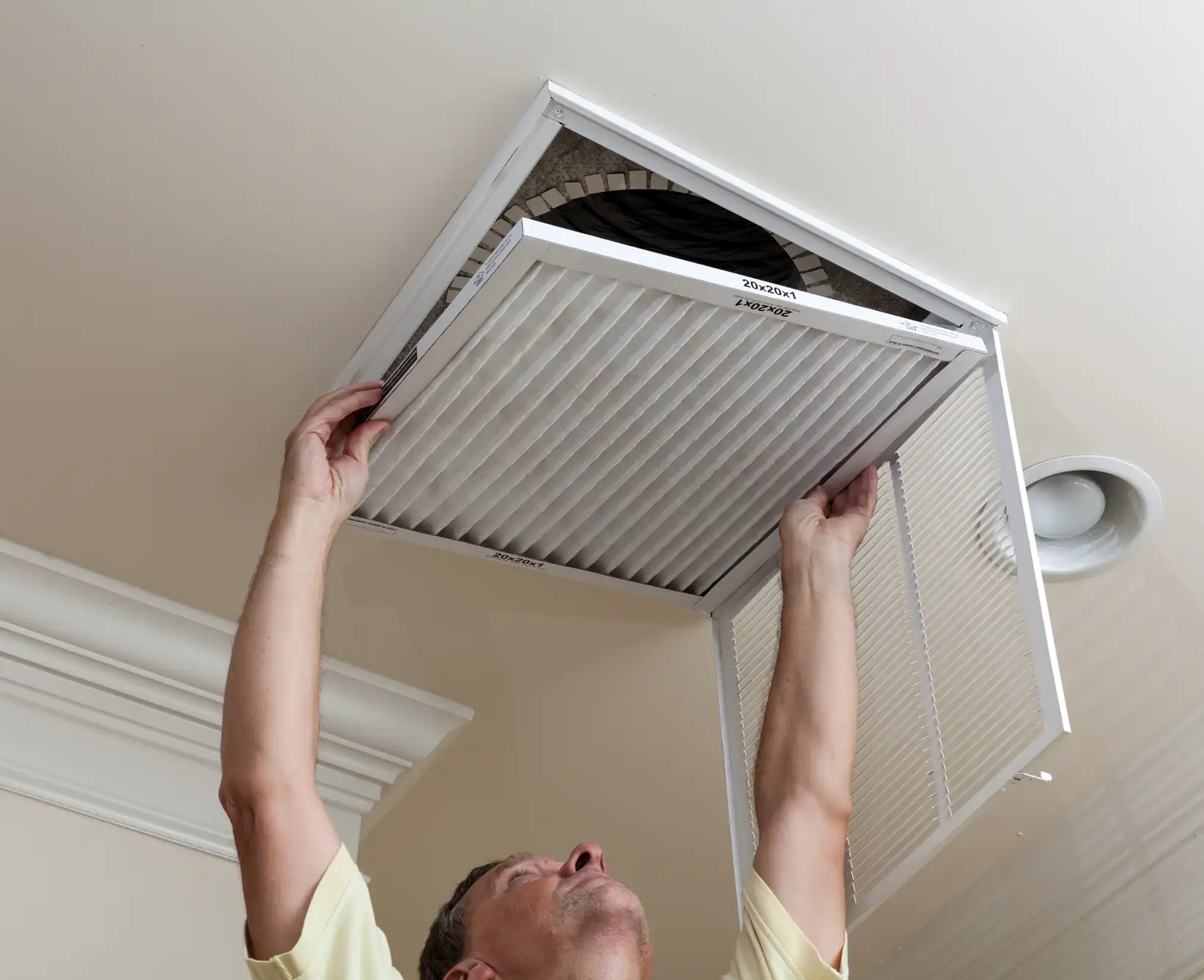
Fall maintenance does the same for heating. We inspect your heat exchanger for cracks, test ignition systems, check gas pressure, and verify your blower motor is running efficiently. Catching a small problem in October beats an emergency repair in January when parts take longer to get and you’re freezing while you wait.
Regular maintenance also keeps your warranty valid. Most manufacturers require proof of annual service, and skipping it can void coverage when you actually need it.
Yes, but we start by finding the actual source. Sometimes it’s your ductwork leaking unfiltered air from attics or crawl spaces. Sometimes it’s inadequate filtration that lets particles recirculate. Sometimes it’s humidity issues that promote mold or make dust stick to surfaces.
We test airflow and check for duct leaks first. If your return vents are pulling in air from unconditioned spaces, you’re breathing whatever’s in those areas—insulation fibers, dust, allergens. Sealing ducts and improving return-air design fixes that.
If filtration is the issue, we’ll recommend appropriate filters or air purifiers based on what you’re dealing with. HEPA filters catch more particles but restrict airflow if your system isn’t designed for them. We match the solution to your equipment so it actually works. Better indoor air quality isn’t about adding expensive equipment you don’t need—it’s about fixing what’s letting contaminants in and removing them efficiently.