

Hear from Our Customers
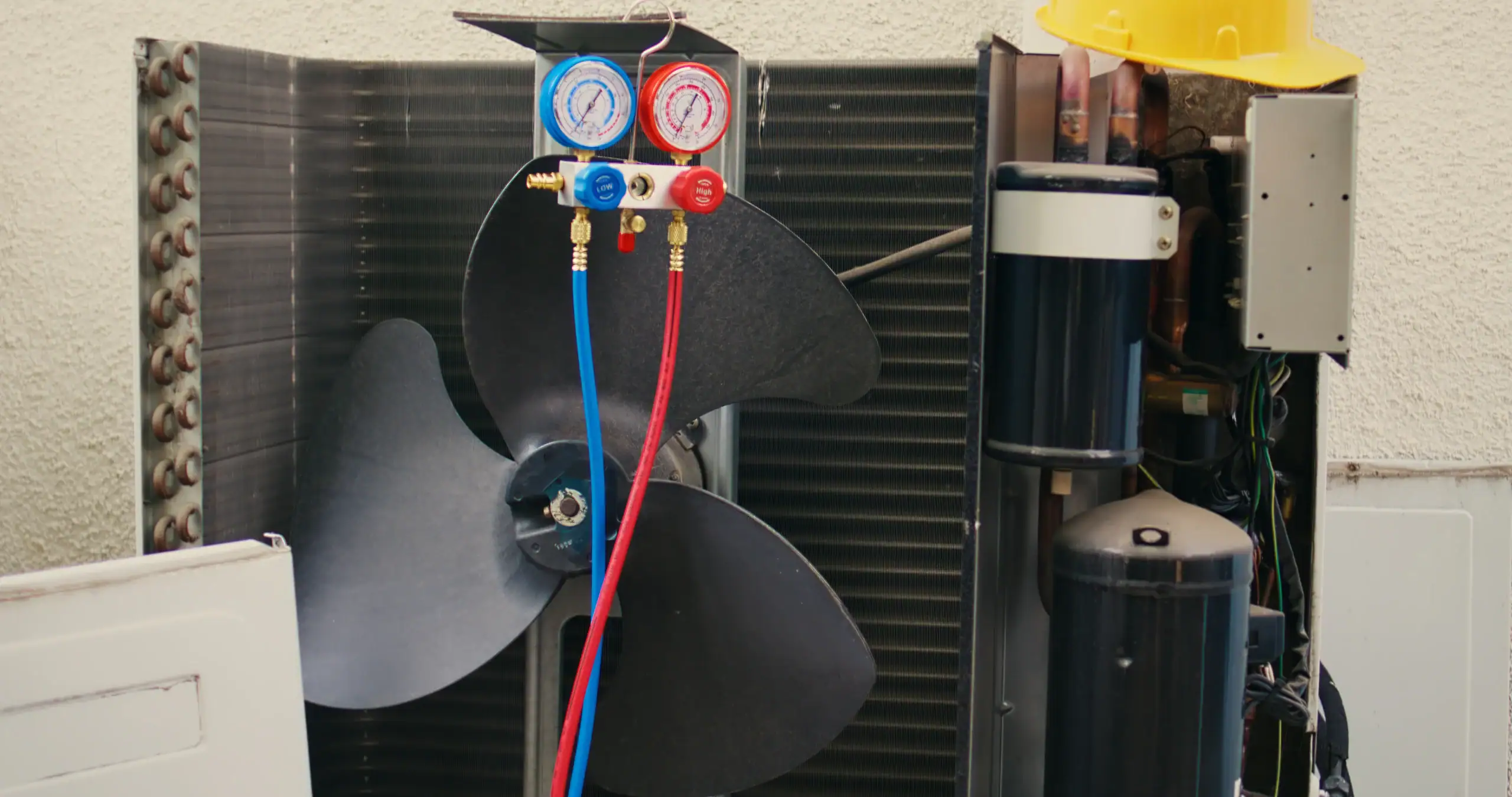
Your boat stays comfortable all season. The refrigeration keeps provisions cold without cycling constantly or draining batteries. You’re not scrambling for emergency repairs in July when every marine tech is booked three weeks out.
That’s what happens when marine HVAC systems are installed and maintained correctly from the start. Not by someone who does residential AC on weekdays and boats on weekends. By technicians who’ve spent decades working specifically on marine refrigeration and understand why your boat’s cooling needs are completely different from a house.
You get systems that handle the vibration, humidity, and salt air. Equipment that’s actually sized right for your vessel. And repairs that fix the problem, not just the symptom you called about.
We’ve been handling marine refrigeration and boat air conditioning in the Island Park area for over 40 years. That’s four decades of learning how saltwater corrodes components differently, how marine electrical systems interact with cooling equipment, and what actually fails on boats versus what fails in buildings.
Island Park boat owners deal with unique challenges. Reynolds Channel’s salt air accelerates wear. Summer heat pushes systems to their limits. And when something fails, you need someone who can respond fast, not next week. We maintain 24/7 availability and offer free estimates because we understand the urgency marine refrigeration problems create.
First, you call or reach out for a free estimate. Someone who actually understands marine systems talks through what’s happening with your boat’s refrigeration or AC. Not a call center, not an automated system.
Then a technician comes to assess the situation. We’re looking at the whole system, not just the obvious problem. Checking refrigerant levels, inspecting for salt corrosion, testing electrical connections, evaluating whether the system was sized correctly in the first place. You get a clear explanation of what’s wrong and what it’ll take to fix it properly.
The repair or installation happens on your timeline. Parts are marine-grade, not residential equipment that’ll fail in six months. The work gets done right, tested thoroughly, and you’re walked through what was done and how to maintain it. If something needs attention later, you’re not starting over with someone new.
Ready to get started?
Our refrigeration services cover everything from diagnosing why your boat’s fridge isn’t holding temperature to installing new marine AC systems from scratch. That includes refrigeration maintenance, boat AC repair, complete system installations, and custom cooling solutions for unique vessel configurations.
Island Park’s marine environment demands specific attention. Salt air from Reynolds Channel and the surrounding waterways corrodes components faster than inland locations. Humidity levels stress systems differently. Your boat’s refrigeration equipment faces conditions that require marine-specific knowledge, not general HVAC experience.
We also provide 24/7 consulting availability. When your refrigeration fails on a Saturday afternoon before a charter or weekend trip, you’re not waiting until Monday. Emergency response matters in marine refrigeration because a failed system doesn’t just mean discomfort—it means spoiled provisions, cut-short trips, and lost revenue for commercial operators.
Most repeat failures come from three issues: incorrect sizing, non-marine components, or surface-level repairs that never addressed the root cause. A system that’s undersized for your boat will run constantly, overheat, and fail prematurely. One that’s oversized will short-cycle and never remove humidity properly.
Then there’s the equipment itself. Residential or commercial refrigeration components aren’t built for marine environments. They can’t handle constant vibration, salt air corrosion, or the electrical fluctuations common on boats. When someone installs the wrong grade of equipment, you’re looking at recurring failures no matter how many times it gets “repaired.”
If a technician just replaces the failed component without investigating why it failed, you’re treating symptoms. Maybe the compressor died because voltage is inconsistent. Maybe the evaporator froze because airflow is restricted. A proper marine refrigeration repair identifies and fixes the actual problem, not just the part that stopped working.
A properly installed and maintained marine AC system should give you 10 to 15 years of reliable service, sometimes longer. But that number assumes the system was sized correctly, installed with marine-grade components, and maintained regularly. Skip any of those and you’re looking at much shorter lifespans.
Island Park’s saltwater environment accelerates wear on every component. Corrosion happens faster here than on boats in freshwater. Regular maintenance—cleaning coils, checking refrigerant levels, inspecting electrical connections, replacing zincs—extends the system’s life significantly. Most marine AC systems that fail early either weren’t maintained or weren’t installed correctly to begin with.
If your boat’s air conditioning is cycling on and off constantly, not cooling evenly, or requiring refrigerant top-offs every season, something’s wrong with the installation or sizing. Those aren’t normal maintenance issues. A well-functioning marine HVAC system should run smoothly without constant intervention.
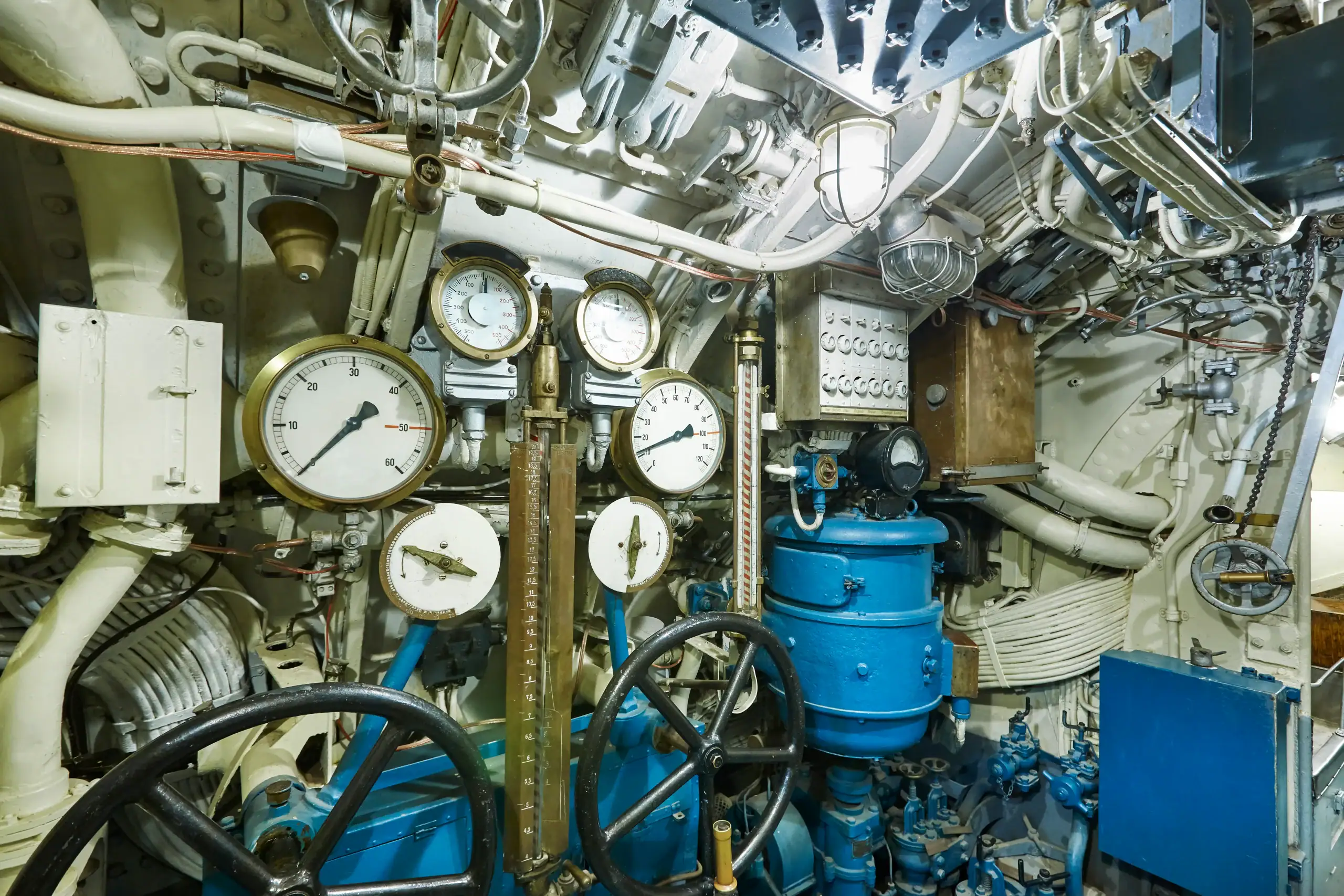
Marine refrigeration systems are engineered for conditions that would destroy standard equipment. They handle constant vibration from engines and waves, extreme humidity, salt air corrosion, and electrical systems that fluctuate with engine RPM. The components are built differently, sealed better, and designed to operate efficiently in confined spaces with limited ventilation.
The installation requirements are completely different too. Marine systems need proper ventilation in tight engine rooms, wiring that meets marine electrical standards, and mounting that accounts for the boat’s movement. Refrigerant lines have to be secured against vibration. Condensers need to handle saltwater cooling or be positioned for adequate airflow in cramped spaces.
This is why a residential HVAC technician can’t just figure it out on your boat. The principles might be similar, but the application, equipment, and problem-solving are entirely different. Marine refrigeration requires specific training and experience with boats, not buildings.
It depends on the system’s age, the extent of the damage, and whether it was installed correctly originally. If your marine AC is under 10 years old and the problem is a single failed component like a compressor or control board, repair usually makes sense. But if the system is 15+ years old, uses outdated refrigerant, or has multiple failing components, replacement is often more cost-effective long-term.
Here’s what really matters: was it sized and installed correctly in the first place? If your current system has always struggled to cool your boat adequately, or if it was installed with non-marine components, repairing it just extends a system that was never right. In those cases, replacement with a properly sized marine HVAC system gives you better performance and reliability.
An honest assessment looks at repair costs versus replacement costs, the system’s remaining lifespan, and whether the current setup actually meets your boat’s needs. Sometimes a repair gets you through another season while you plan for replacement. Sometimes it’s throwing money at a system that’s going to fail again in six months.
Yes. Marine refrigeration emergencies don’t wait for business hours, and neither do we. We maintain 24/7 consulting availability specifically because boat cooling failures happen on weekends, holidays, and right before you’re supposed to leave the dock.
Island Park’s boating season is short enough without losing days to equipment failures. When your boat’s refrigeration or AC goes down, you need someone who can assess the problem quickly and get you back on the water. That’s especially critical for charter operators and commercial vessels where downtime means lost revenue.
Our emergency service includes phone consultation to determine if it’s something you can temporarily address yourself, or if a technician needs to come out immediately. Not every problem requires an emergency visit, but when it does, you’re not waiting three days for someone to call you back.
Annual maintenance before boating season is the minimum for most marine refrigeration and AC systems. That pre-season service catches problems before they strand you mid-summer when every marine technician is booked solid. It includes checking refrigerant levels, cleaning coils, inspecting electrical connections, testing system performance, and identifying components that are wearing out before they fail completely.
If you use your boat heavily or run it year-round, twice-yearly service makes more sense. Spring preparation and fall winterization keep the system running efficiently and extend its lifespan. For boats kept in Island Park’s saltwater environment, that regular attention to corrosion and salt buildup is especially important.
Between professional service, you should be checking a few things yourself: making sure vents and intakes aren’t blocked, listening for unusual noises, and noticing if the system’s taking longer to cool or running more frequently than normal. Those early warning signs let you address small problems before they become expensive failures.