Hear from Our Customers
Your furnace quits on the coldest night of the year. Your AC dies during a July heatwave. You’re not just uncomfortable—you’re looking at emergency rates, rushed decisions, and a house full of frustrated family members.
Here’s what changes when your system actually works: your energy bills drop because the equipment runs efficiently instead of fighting itself. You’re not adjusting the thermostat every hour trying to find a temperature that sticks. Your indoor air stays clean because the system isn’t circulating dust through decade-old ductwork.
Most homes in Island Park were built in the 1960s. If your HVAC system is anywhere close to that age, you’re paying 30% more than you should on energy costs. Newer systems with proper installation cut that waste, keep temperatures consistent room to room, and stop breaking down every season.
You don’t need a new system every time something goes wrong. But you do need someone who can tell the difference between a $200 repair and an $8,000 replacement—and who’ll shoot straight about which one makes sense for your home.
We’ve been handling HVAC and refrigeration work across Long Island for over 40 years. That includes everything from walk-in coolers at JFK Airport to marine AC systems on charter boats—and yes, residential heating and cooling in neighborhoods like yours.
Every technician who shows up is certified, experienced, and works directly for us. No subcontractors. No trainees learning on your dime. When you call, you get real people who answer the phone, dispatch immediately for emergencies, and show up in under two hours when your system goes down.
Island Park homes sit near the water, deal with humidity, and run HVAC systems harder than most inland areas. We’ve seen what salt air does to outdoor units. We know which systems hold up and which ones fail early in coastal conditions. That’s the kind of local knowledge you don’t get from a national chain following a script.
You call or contact us online. If it’s an emergency, we dispatch a truck right away—you’re looking at under two hours for arrival. If it’s a planned service or installation, we schedule a time that works for you and show up when we say we will.
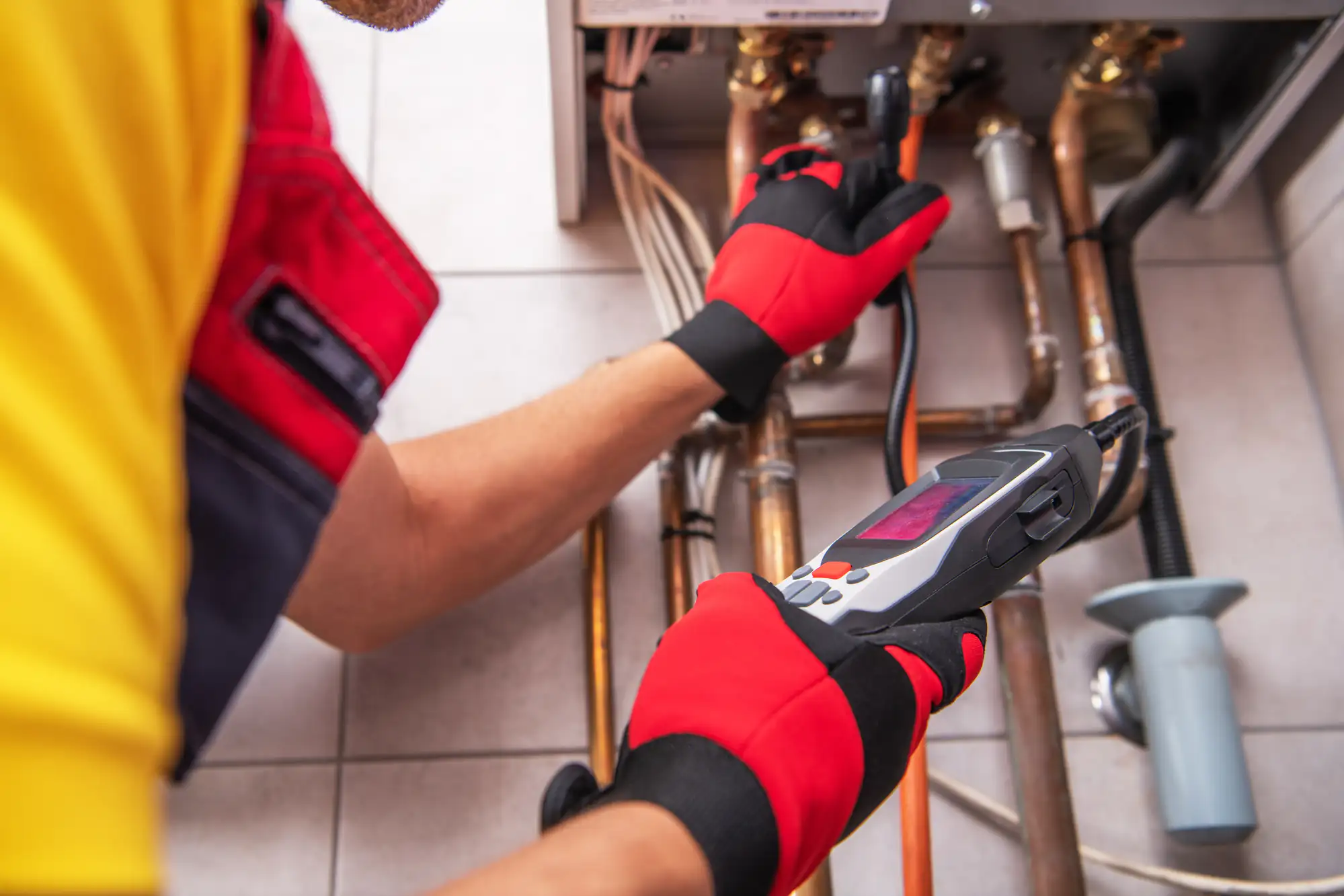
Once we’re on-site, we diagnose the problem. Our trucks carry parts for most major brands, so about 70% of emergency repairs get finished the same day. If it’s a bigger job—like a full furnace installation or HVAC replacement—we walk you through what’s involved, how long it takes, and what it costs before we start. No surprises.
For installations, we handle everything: pulling permits, removing old equipment, installing the new system, testing it under load, and making sure your thermostat actually controls what it’s supposed to. We don’t leave until the system works the way it should.
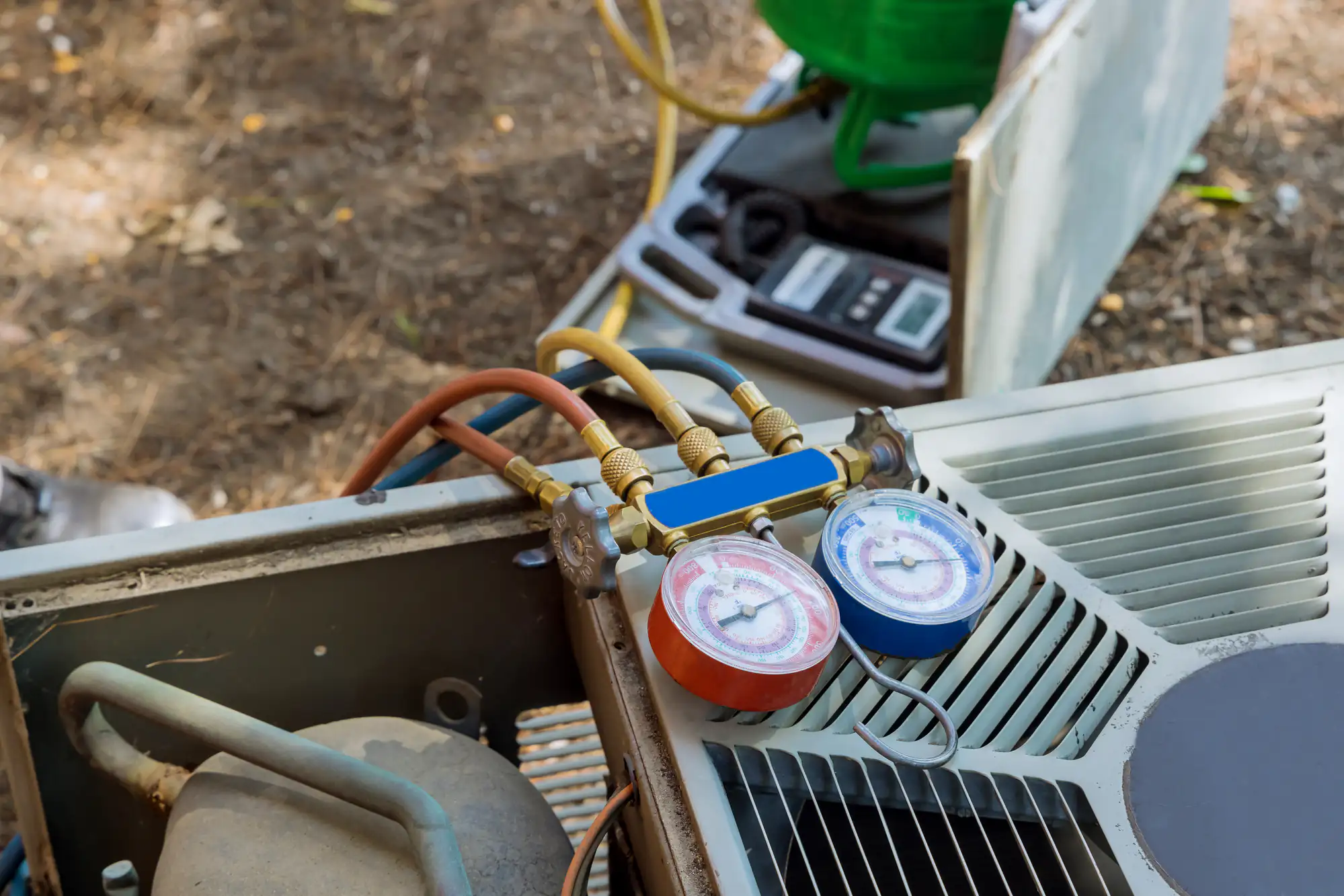
Maintenance is straightforward. We inspect your system, clean the components that affect performance, check refrigerant levels, test safety controls, and catch small problems before they turn into expensive failures. You get a clear report on what we found and what needs attention now versus later.
Ready to get started?
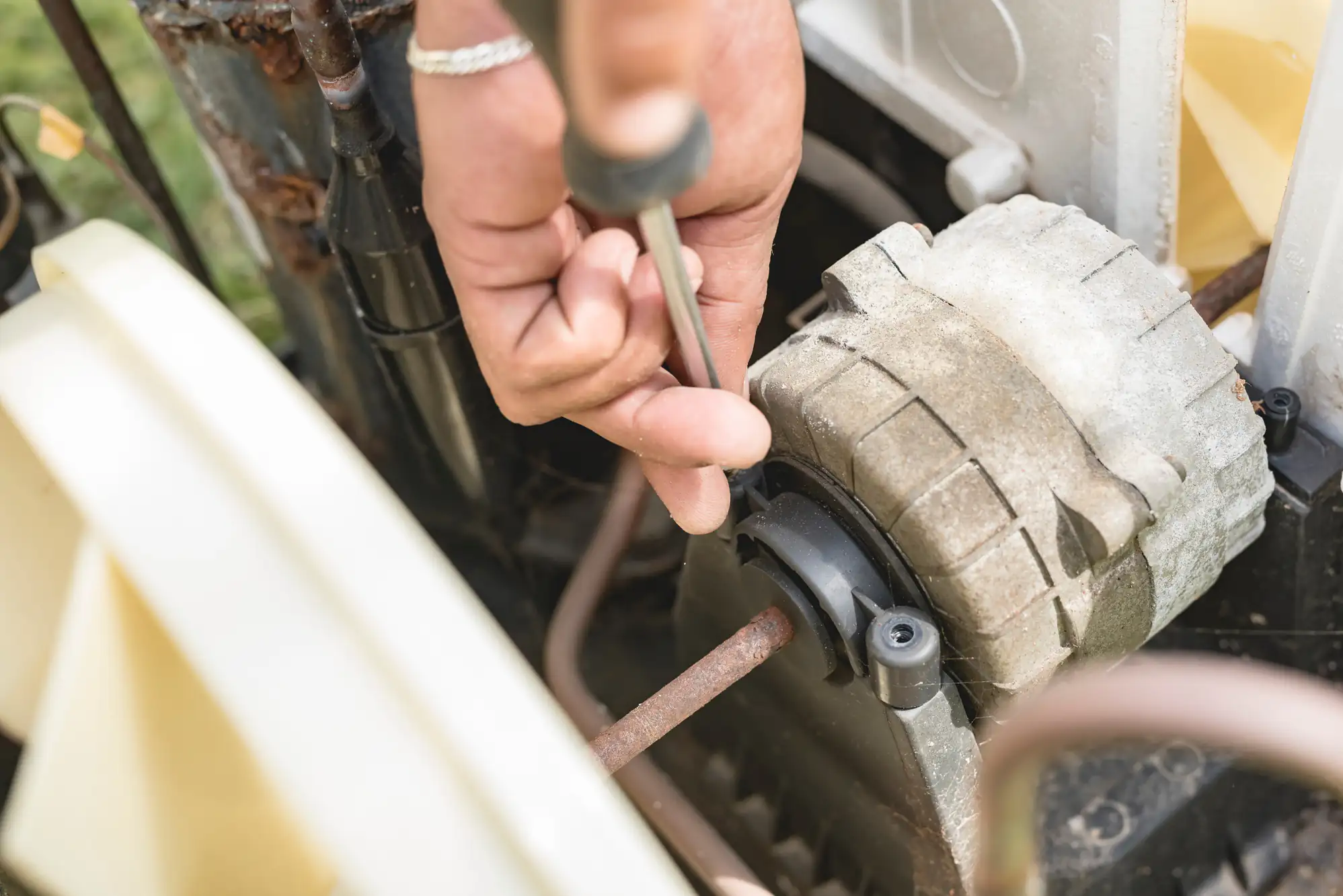
Air conditioning repair when your system stops cooling, makes weird noises, or freezes up. We handle refrigerant leaks, compressor failures, electrical issues, and airflow problems. If your AC is short-cycling or running constantly without reaching temperature, that’s a problem we fix regularly.
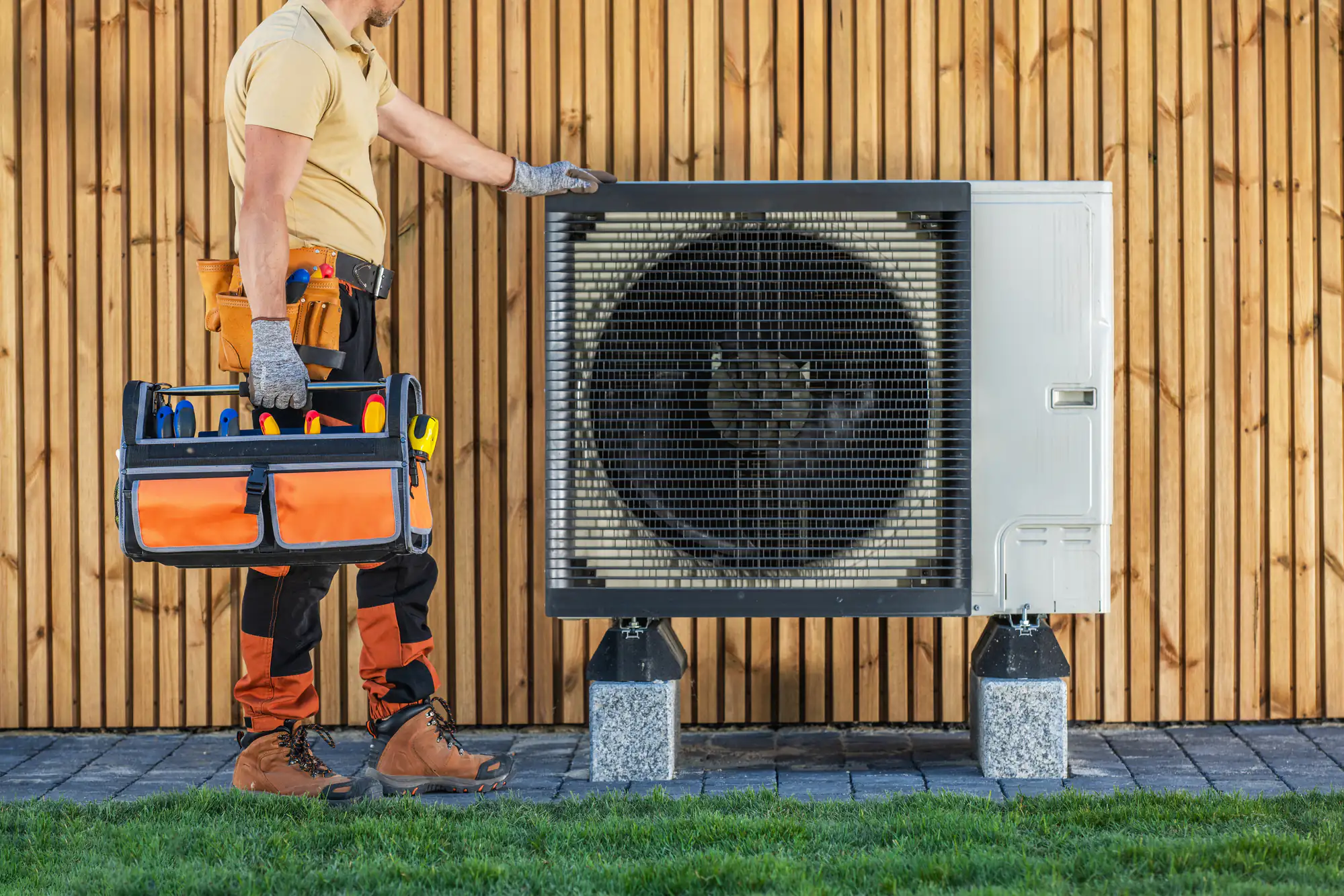
Furnace installation and heating system maintenance for homes that need reliable warmth without the constant breakdowns. We install high-efficiency furnaces, heat pumps, and ductless mini-splits. If you’re still running a system from the ’90s, you’re spending more on energy than a new furnace would cost you in a few years.
HVAC replacement for systems that are done. When repair costs start approaching half the price of a new system, replacement makes more sense. We’ll tell you which situation you’re in—and if it’s borderline, we’ll give you both options with real numbers so you can decide.
Indoor air quality services that actually improve what you’re breathing. That means whole-home air purifiers, UV lights that kill mold and bacteria in your ductwork, and humidity control systems that stop your home from feeling like a swamp in summer or a desert in winter. Island Park’s coastal location means humidity is a real issue—your HVAC system should handle it, not ignore it.
You’re looking at anywhere from $5,000 to $12,000 for a full residential HVAC replacement, depending on the size of your home, the efficiency level you choose, and whether your ductwork needs updates. A basic system for a smaller home runs closer to the lower end. Larger homes with zoned systems or high-efficiency heat pumps land on the higher side.
Here’s what drives the cost: the equipment itself, the complexity of the installation, and whether we’re working with existing infrastructure or starting from scratch. If your ductwork is old, leaking, or poorly designed, fixing that adds to the project—but it also means your new system will actually perform the way it’s rated to.
We give you a free estimate that breaks down equipment costs, labor, and any additional work your home needs. You’ll know exactly what you’re paying for before we start. Most Island Park homes built in the ’60s need at least some duct sealing or insulation upgrades to get the full benefit from a new system—we’ll tell you if that applies to your house.
Once a year, ideally before heating season starts. That means late summer or early fall, before you’re actually relying on your furnace to keep your family warm.
Annual maintenance catches problems early. We’re checking heat exchangers for cracks that could leak carbon monoxide, testing ignition systems that fail when it’s 20 degrees outside, and cleaning burners that lose efficiency when they’re clogged. Those aren’t hypothetical issues—they’re the most common reasons furnaces quit in the middle of winter.
Regular maintenance also keeps your warranty valid. Most manufacturers require proof of annual service to honor warranty claims. If your heat exchanger fails and you haven’t kept up with maintenance, you’re paying for the replacement yourself even if it’s technically under warranty.
You’ll also save on energy costs. A dirty or misaligned system works harder and costs more to run. Clean systems run efficiently, which matters when you’re heating a home through a Long Island winter.
It depends on your home’s square footage, insulation, window count, and how much sun hits your house during the day. There’s no one-size-fits-all answer, and going bigger isn’t always better.
An oversized AC cools your house fast but shuts off before it removes humidity. You end up with a cold, clammy house that feels uncomfortable even when the temperature is right. An undersized unit runs constantly, never quite reaches the temperature you set, and wears out faster because it’s always working at full capacity.
We do a proper load calculation before recommending a system size. That means measuring your home, checking insulation levels, counting windows, and factoring in your home’s orientation. Most Island Park homes need between 2 and 5 tons of cooling capacity, but the only way to know for sure is to run the numbers for your specific house.
If someone quotes you a system size without ever looking at your home, that’s a red flag. Guessing costs you money in the long run—either through higher energy bills or a system that doesn’t keep you comfortable.
Yes. We answer calls 24/7, dispatch immediately, and arrive in under two hours for genuine emergencies. That includes no heat in winter, no AC during extreme heat, and system failures that affect your safety or property.
Our trucks carry extensive inventory for major brands. About 70% of emergency calls get resolved the same day because we have the parts on hand to fix the most common failures. If it’s something unusual that requires ordering a part, we’ll let you know upfront how long it takes and whether there’s a temporary solution to keep you comfortable in the meantime.
Emergency rates apply for after-hours calls, but we’re transparent about pricing before we start work. You’ll know what it costs to get your system running again, and you can decide if you want to proceed or wait until regular hours if the situation isn’t critical.
We’ve been doing this for 40 years. We know the difference between a real emergency and something that can wait until morning. If you’re not sure whether your situation qualifies, call anyway—we’d rather talk you through it than have you suffer through a freezing night or risk a system failure that causes property damage.
Absolutely. Older homes have specific air quality challenges—outdated ductwork that leaks and collects dust, poor ventilation that traps humidity, and HVAC systems that weren’t designed with filtration in mind.
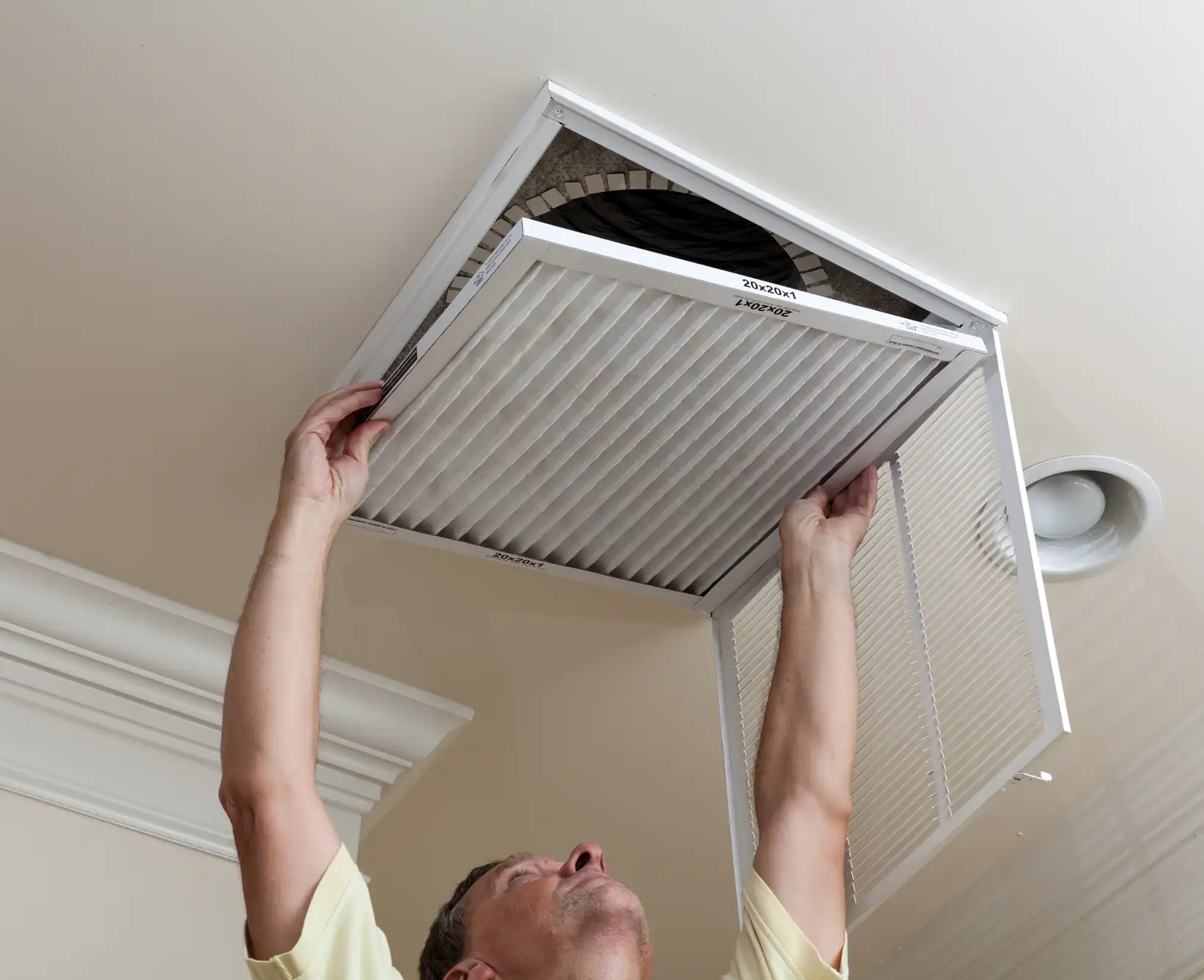
We start by inspecting your current system and ductwork. If your ducts are leaking, sealing them stops unfiltered air from getting pulled into your system. If your return vents are poorly placed, we can add or relocate them to improve circulation. Those fixes alone make a noticeable difference in what you’re breathing.
From there, we can add whole-home air purifiers that actually filter out particles, not just the big stuff that standard filters catch. UV lights installed in your ductwork kill mold, bacteria, and viruses before they circulate through your home. Dehumidifiers control moisture levels, which matters in Island Park’s coastal climate where humidity fuels mold growth and makes your home feel stuffy even when the temperature is comfortable.
If someone in your house has allergies, asthma, or respiratory issues, these upgrades aren’t optional—they’re necessary. And if you’ve noticed dust buildup, musty smells, or uneven humidity, your HVAC system isn’t doing its job. We fix that.
A furnace burns fuel—usually natural gas—to create heat. A heat pump moves heat from outside air into your home, even when it’s cold out. Both keep your house warm, but they work completely differently.
Furnaces deliver hotter air and heat your home faster, which matters during cold snaps. They’re reliable in extreme cold and don’t lose efficiency when temperatures drop below freezing. If you have natural gas service, a furnace is usually the most cost-effective option for heating.
Heat pumps are more efficient because they’re moving heat instead of creating it. They also cool your home in summer, so you’re getting both heating and AC from one system. The downside: they lose efficiency when outdoor temperatures drop into the teens, and they deliver air that feels lukewarm compared to a furnace. Some people find that uncomfortable even though the house reaches the right temperature.
New regulations are pushing heat pumps as the standard for residential HVAC, and they’ve improved significantly in recent years. Modern cold-climate heat pumps work better in Long Island winters than older models. But if you prioritize fast, powerful heat and you’ve got gas service, a high-efficiency furnace still makes sense for a lot of homes. We’ll walk you through both options based on your house, your budget, and how you actually use your system.