Hear from Our Customers
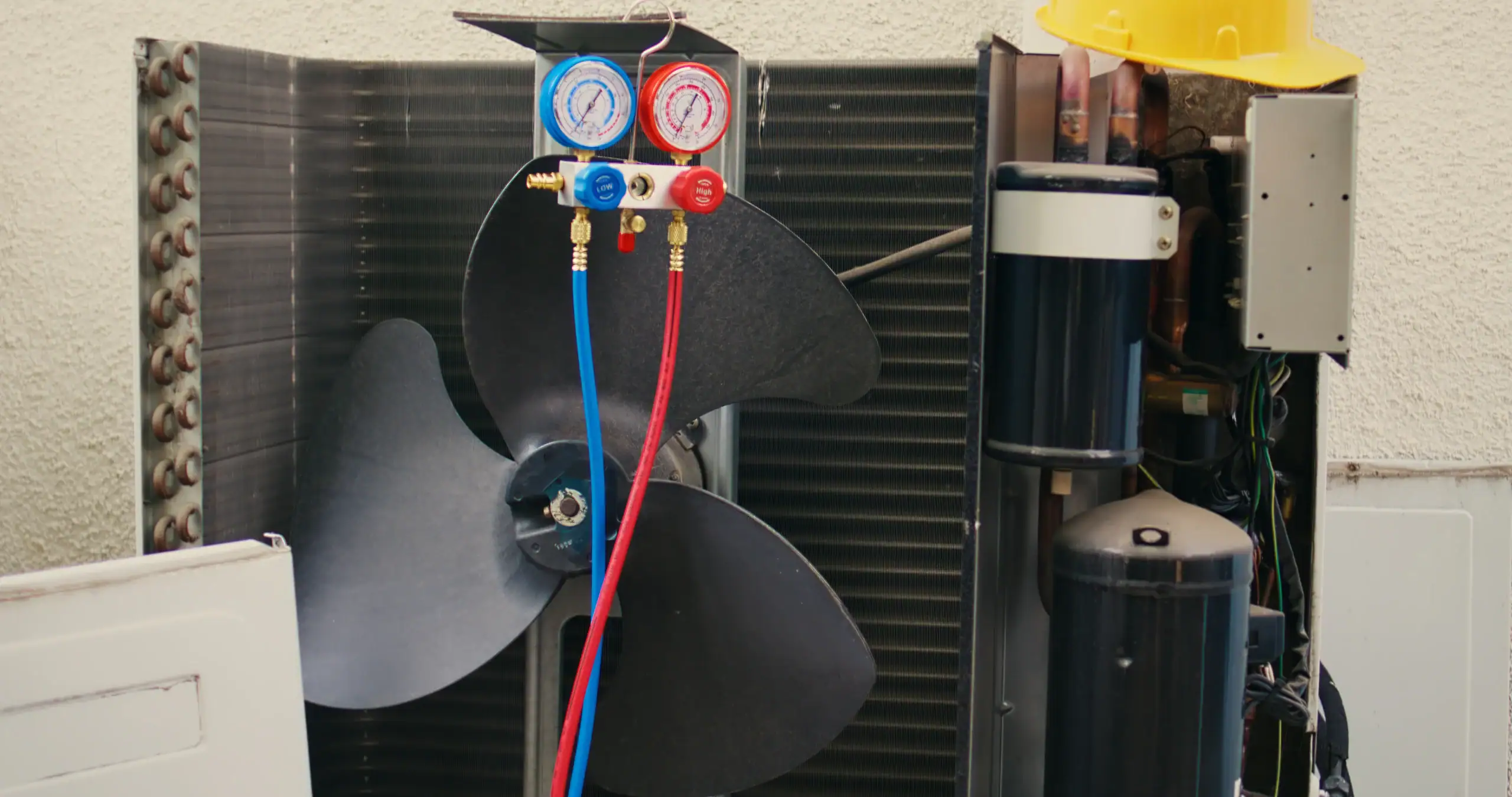
Your weekend on the water shouldn’t include warm beer or spoiled food. When your marine refrigeration works right, you focus on what matters—time with family, successful fishing trips, or just enjoying the peace of being out there.
Reliable boat air conditioning means comfortable sleeping quarters and pleasant days aboard, even when the summer heat hits Long Island waters hard. No more cutting trips short because the cabin feels like an oven.
Professional marine HVAC service means your systems run efficiently, last longer, and fail far less often. You spend more time enjoying your investment and less time dealing with expensive emergency repairs.
Chill Xpert Solutions has been solving marine refrigeration problems across Long Island for over 40 years. We serve everyone from weekend boaters in Islip Terrace to commercial operations at major airports and restaurants throughout the region.
What sets us apart is straightforward: we actually specialize in marine systems. While others treat boat refrigeration as a side job, we understand the unique challenges of marine environments—salt air, vibration, space constraints, and power limitations.
Our team offers 24/7 consulting, free estimates, and the kind of personable service that comes from genuinely caring about your success on the water. Dozens of five-star reviews back up our reputation for transparency and quality workmanship.
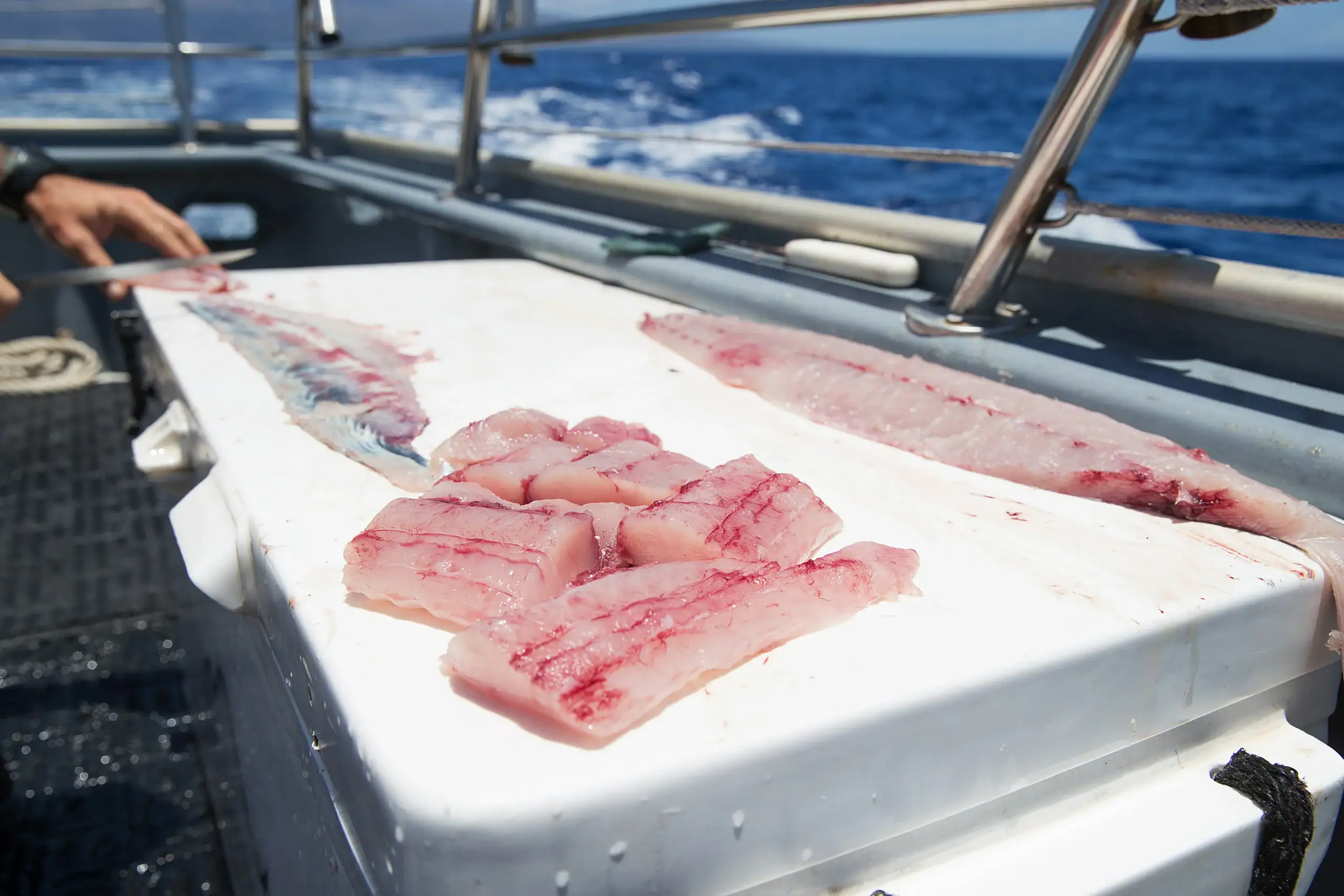
First, you get a free estimate. We assess your current system, identify any issues, and explain exactly what needs attention. No surprises, no pressure—just honest evaluation of your marine refrigeration needs.
Next comes the work itself. Whether it’s emergency boat AC repair, routine maintenance, or a complete new installation, we handle everything with the precision that comes from four decades of experience. We communicate throughout the process, keeping you informed without overwhelming you with technical details.
Finally, you get a system that actually works reliably. The job isn’t finished until your marine HVAC performs exactly as it should, and you understand how to maintain it properly. Follow-up support ensures any questions get answered quickly.
Ready to get started?
Marine refrigeration service includes everything from emergency repairs to planned maintenance and full system installations. We handle standard boat refrigeration units, complex beer systems, and custom cooling solutions that other companies simply can’t match.
Long Island’s marine environment demands specialized knowledge. Salt air accelerates corrosion, constant motion stresses connections, and limited space requires creative solutions. Local boat owners need technicians who understand these challenges and plan accordingly.
Refrigeration maintenance programs help prevent the failures that ruin trips and cost serious money. Regular service catches small problems before they become expensive emergencies, extending equipment life and maintaining peak efficiency throughout the boating season.
Most boat refrigeration systems need professional service twice per year—once before the season starts and once mid-season. Spring service ensures everything runs properly after winter storage, while mid-season maintenance catches any developing issues before they cause failures.
However, usage patterns matter significantly. Boats used heavily throughout the season, especially those running refrigeration continuously, benefit from more frequent attention. Commercial operations often need quarterly service to maintain reliability.
The marine environment is harsh on refrigeration equipment. Salt air, vibration, and temperature fluctuations stress components differently than land-based systems. Regular professional maintenance prevents most emergency breakdowns and extends equipment life considerably.
Electrical connections cause the majority of marine refrigeration failures. Vibration loosens connections, moisture causes corrosion, and poor initial installation creates ongoing problems. These issues often develop gradually, then cause sudden complete failures.
Refrigerant leaks rank second, typically resulting from vibration-induced stress on tubing and fittings. Marine installations must account for constant motion, but many technicians unfamiliar with boats install systems like they’re going in buildings.
Compressor failures, while less common, usually stem from electrical problems or refrigerant issues that weren’t addressed promptly. Most compressor replacements could have been prevented with proper maintenance and prompt attention to early warning signs.
Yes, most older boats can accommodate modern marine air conditioning systems, though the complexity varies significantly based on available space, electrical capacity, and existing infrastructure. Retrofits often perform better than original equipment because modern systems are more efficient and reliable.
The biggest considerations are electrical capacity and space for ductwork. Older boats may need electrical upgrades to handle modern AC loads, and creative routing is sometimes required for proper air distribution throughout the cabin.
Custom solutions work well for challenging installations. Rather than forcing standard equipment into inappropriate spaces, we design systems that work within your boat’s specific constraints while delivering the cooling performance you need.
Simple repairs like replacing thermostats or cleaning condenser coils typically run $200-400, while more complex issues involving compressors or refrigerant leaks range from $800-2000 depending on the specific problem and equipment involved.
Complete system replacements vary widely based on boat size and cooling requirements. Basic boat refrigeration units start around $1500 installed, while comprehensive marine HVAC systems for larger vessels can reach $8000-15000 for quality installations.
Emergency service costs more than scheduled maintenance, but the real expense comes from food spoilage and ruined trips. Regular maintenance prevents most expensive failures and keeps repair costs predictable rather than shocking.
Yes, we service all major brands of marine refrigeration and air conditioning equipment. Four decades of experience means familiarity with everything from current high-efficiency units to older systems that other technicians won’t touch.
Brand-specific knowledge matters in marine applications because each manufacturer handles the unique challenges of boat installation differently. Understanding these differences ensures proper diagnosis and repair, regardless of what equipment you currently have installed.
Parts availability varies by brand and age, but established relationships with suppliers help locate even obsolete components when possible. When parts aren’t available, we recommend appropriate upgrades that maintain system integrity and improve reliability.
Marine refrigeration systems must handle constant motion, salt air exposure, and limited electrical capacity—challenges that don’t exist in land-based applications. Components are specifically designed and installed to withstand vibration and corrosion while operating efficiently on 12V or limited AC power.
Installation techniques differ significantly as well. Marine systems require specialized mounting, vibration dampening, and waterproof electrical connections. Refrigerant lines need flexible sections and secure mounting to prevent stress failures from boat movement.
Maintenance requirements are more demanding because the marine environment accelerates wear and corrosion. Systems that might run for years without attention on land need regular service to maintain reliability on boats. This isn’t a design flaw—it’s the reality of operating in a challenging environment.