Hear from Our Customers
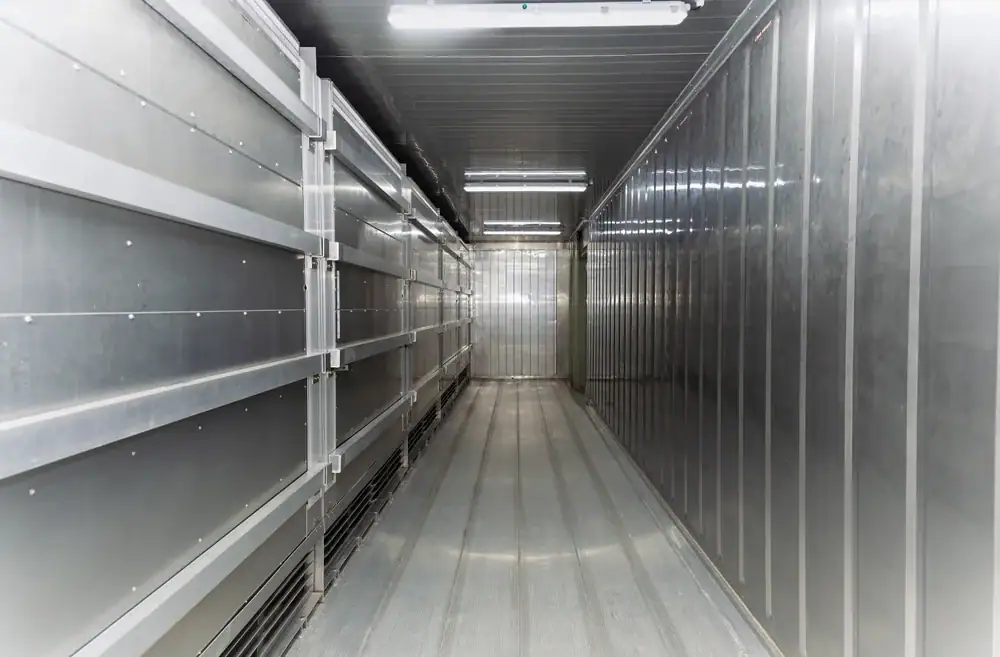
You’re not losing inventory to temperature swings. Your walk-in holds steady at 38 degrees whether it’s July or January. When the health inspector shows up, your logs are clean and your equipment is compliant.
That’s what happens when your refrigeration systems are installed right and maintained by people who know what they’re doing. No surprise failures during dinner rush. No scrambling to move product to backup coolers that don’t exist. No $8,000 worth of food sitting in a warming box while you wait for someone to call you back.
Your staff isn’t constantly adjusting thermostats or propping doors open because the system can’t keep up. Your energy bills aren’t climbing because a compressor is working twice as hard as it should. You’re running a business, not babysitting equipment that should just work.
That’s the baseline. Anything less than that means you’re operating with a problem you’ve gotten used to.
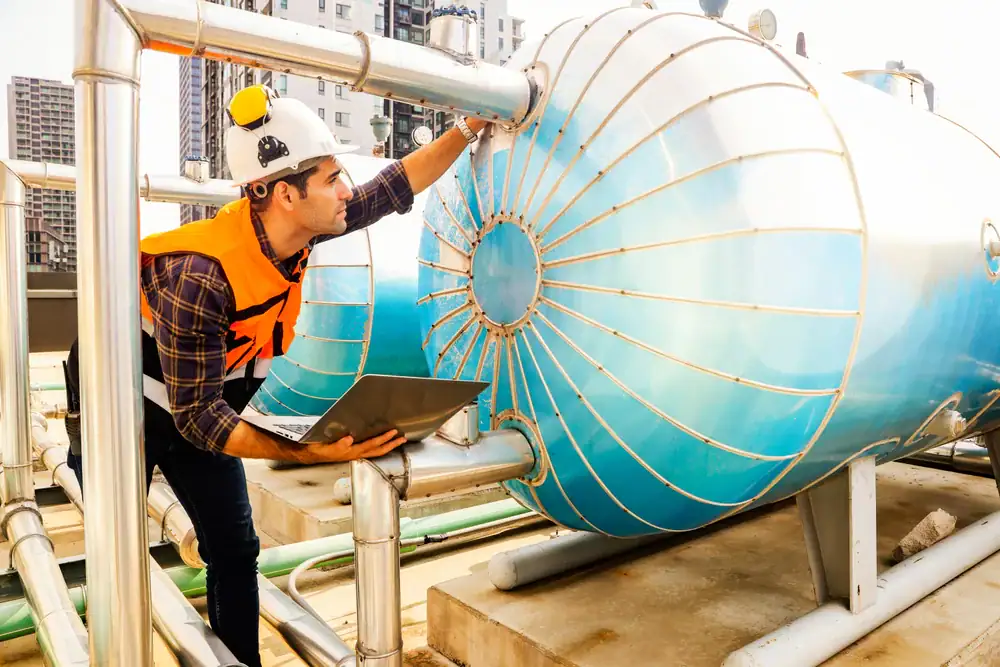
It starts with understanding what you actually need. A busy restaurant has different demands than a deli or a marine galley. We look at your space, your volume, your existing electrical capacity, and what you’re storing. Then we spec equipment that fits the application, not whatever’s on sale.
Installation means more than bolting a box to the floor. We’re running proper drainage, sizing refrigerant lines correctly, making sure airflow isn’t blocked, and setting controls that match your actual usage patterns. If it’s a walk-in, we’re checking door seals, threshold alignment, and making sure the whole envelope is tight. If it’s a display case, we’re confirming defrost cycles and lighting won’t create hot spots.
Once it’s running, we test it under load. We don’t just flip it on and leave. We verify temperatures stabilize where they should, recovery time is appropriate, and the system isn’t short-cycling or running continuously. Then we walk your team through basic operation and maintenance so they know what’s normal and what’s not.
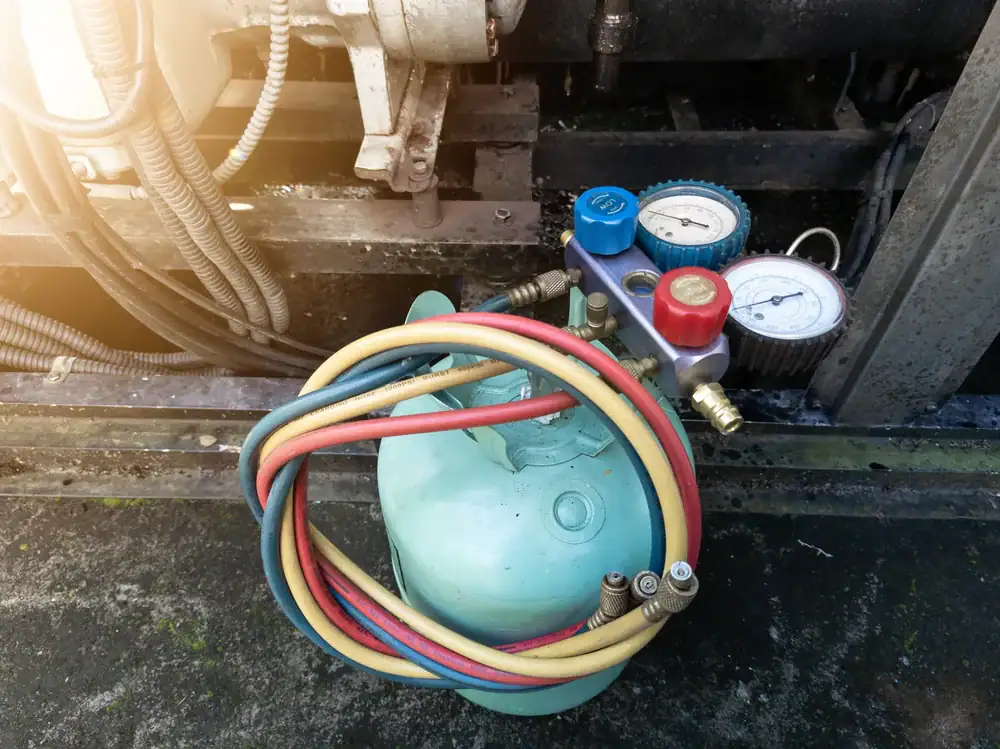
After that, you’re not on your own. Scheduled maintenance keeps refrigerant levels right, coils clean, and components working before they fail. And if something does go wrong, you’ve got a number that gets answered at 2 AM with someone who knows your system.
Ready to get started?
You get equipment that’s sized correctly for your space and usage. Undersized systems run constantly and fail early. Oversized systems short-cycle and can’t dehumidify properly. We match capacity to actual load so your refrigeration systems work efficiently and last 15-plus years instead of limping through seven.
You get installation that accounts for Long Island’s climate. Summer humidity and winter temperature swings affect how refrigeration performs. We use marine-grade components where appropriate, especially in coastal areas where salt air accelerates corrosion. Condensers get positioned where they have proper airflow and aren’t pulling in grease-laden exhaust from kitchen hoods.
You get access to emergency refrigeration repairs when you need them most. A walk-in failure on a Friday night before a wedding or a busy weekend can cost you thousands in spoiled inventory and lost revenue. We respond 24/7 with stocked trucks and technicians who can diagnose and fix problems on the spot, not schedule a follow-up visit three days later.
Maintenance plans keep your systems running between emergencies. Coil cleaning, refrigerant checks, door seal inspections, and control calibration happen on a schedule so small problems get caught before they become expensive ones. Restaurants that maintain equipment properly routinely get 15-plus years out of walk-ins and reach-ins that would otherwise need replacement at ten.
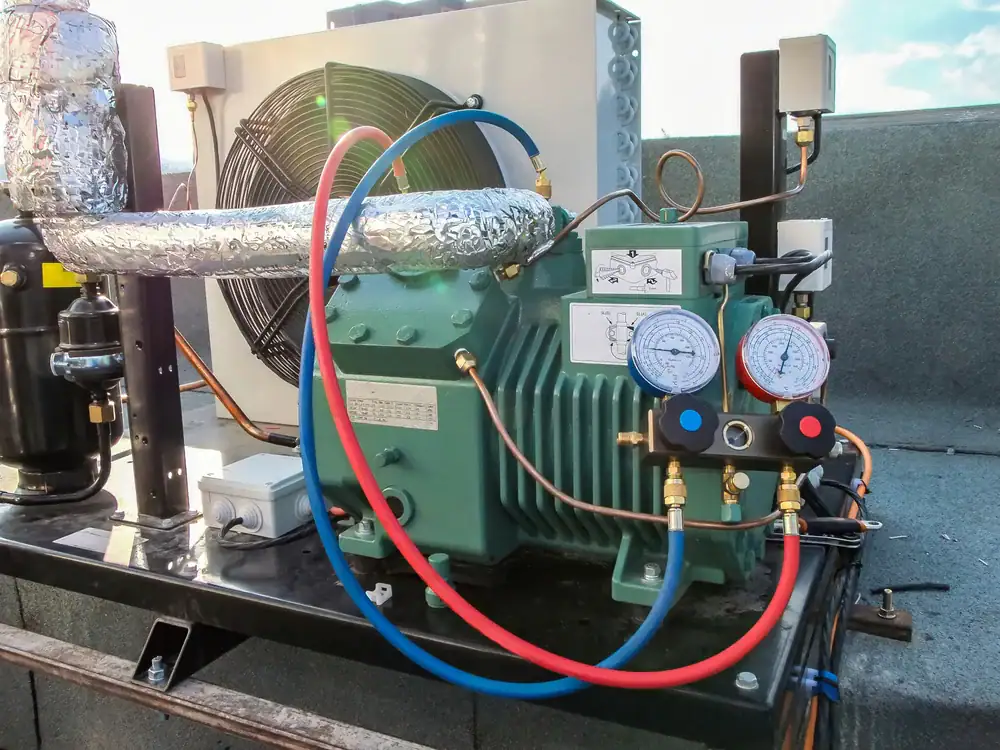
A standard walk-in cooler installation typically takes one to three days depending on size and complexity. That includes setting the box, running electrical and refrigeration lines, installing the condensing unit, and testing the system under load.
Custom installations or jobs requiring significant electrical upgrades can take longer. If we’re installing a walk-in in a space that wasn’t designed for it, we may need to reinforce flooring, upgrade your electrical panel, or modify drainage. We’ll give you a realistic timeline upfront based on your specific situation.
The goal isn’t just speed. It’s making sure the installation is done right so you’re not dealing with problems six months later. That means proper insulation, sealed penetrations, correctly sized refrigerant lines, and controls that match your usage. Rushing an installation to save a day usually costs you weeks of problems down the line.
Maintenance catches problems before they become emergencies. A refrigerant leak that’s slowly dropping your charge will eventually cause a compressor failure. Catching it during a maintenance visit means topping off refrigerant and fixing the leak. Waiting until it fails means replacing a compressor and possibly other components damaged by running low on refrigerant.
Scheduled maintenance includes cleaning condenser coils, checking refrigerant levels, inspecting door seals and gaskets, testing defrost cycles, calibrating thermostats, and verifying electrical connections are tight. These are the things that degrade gradually and don’t announce themselves until something stops working.
The cost difference is significant. A maintenance visit runs a few hundred dollars. An emergency compressor replacement can hit several thousand, plus the cost of lost inventory if your cooler is down for hours or days. Restaurants and food service operations that maintain equipment properly get years of additional life and far fewer surprise failures during peak business hours.
Yes. We service and repair commercial refrigeration regardless of who installed it. Most of our emergency calls are for equipment we didn’t originally install.
When we’re working on an unfamiliar system, we start by diagnosing the actual problem, not just the symptom. A cooler that’s not holding temperature could be low on refrigerant, have a failing compressor, a stuck expansion valve, blocked airflow, or a control issue. We test systematically to find the root cause, then fix it correctly.
If the system was installed poorly or has ongoing issues, we’ll tell you. Sometimes a repair makes sense. Sometimes you’re throwing money at equipment that’s going to keep failing, and replacement is the smarter move. We’ll give you the honest assessment and let you decide. Our job is to make sure you understand what you’re dealing with and what your options actually cost long-term.
Yes. We’re available 24/7 for refrigeration emergencies because equipment failures don’t wait for Monday morning. A walk-in that goes down Saturday night can cost you thousands in spoiled inventory by Sunday afternoon.
When you call, you’re talking to someone who can actually help, not an answering service taking messages. We dispatch technicians with fully stocked trucks so most repairs happen on the first visit. We’re not scheduling a diagnostic visit and then coming back three days later with parts.
Emergency service costs more than scheduled work because you’re paying for immediate availability and after-hours response. But it’s almost always cheaper than losing a cooler full of inventory or shutting down operations because your refrigeration is out. If you’re in food service, marine, or any business where refrigeration failure means immediate financial loss, having access to real 24/7 service isn’t optional.
We install and service the full range of commercial refrigeration: walk-in coolers and freezers, reach-in units, display cases, prep tables, ice machines, blast chillers, and custom applications like beer systems for breweries and bars.
We also specialize in marine refrigeration and HVAC, which is uncommon. Yacht clubs, marinas, and boat owners need systems that handle limited electrical capacity, saltwater corrosion, space constraints, and constant motion. That requires marine-grade components and installation techniques that most commercial refrigeration companies don’t deal with.
Custom work is where four decades of experience makes a difference. If you need refrigeration for a specific application, unusual space constraints, or specialized temperature requirements, we can design and build it. We’ve handled everything from airport food service to catering halls to mobile refrigeration setups. If it needs to stay cold and you can’t find an off-the-shelf solution, we can probably figure it out.
Age and repair history tell you most of what you need to know. If your equipment is under ten years old and this is the first major issue, repair usually makes sense. If it’s 15 years old and you’re calling for the third repair in two years, you’re likely better off replacing it.
Compressor failures are the dividing line. Replacing a compressor on older equipment often costs 50-70% of new equipment, and you’re still left with aging components that will fail next. If the compressor goes and your system is past its expected lifespan, replacement is usually the smarter financial decision.
We’ll give you the honest breakdown: what the repair costs, what replacement costs, and what you’re likely to face over the next few years with each option. Sometimes repair buys you another five solid years. Sometimes it buys you six months and another service call. You need to know which situation you’re in before you decide, and we’re not going to sell you a new system if a repair actually makes sense.