Hear from Our Customers
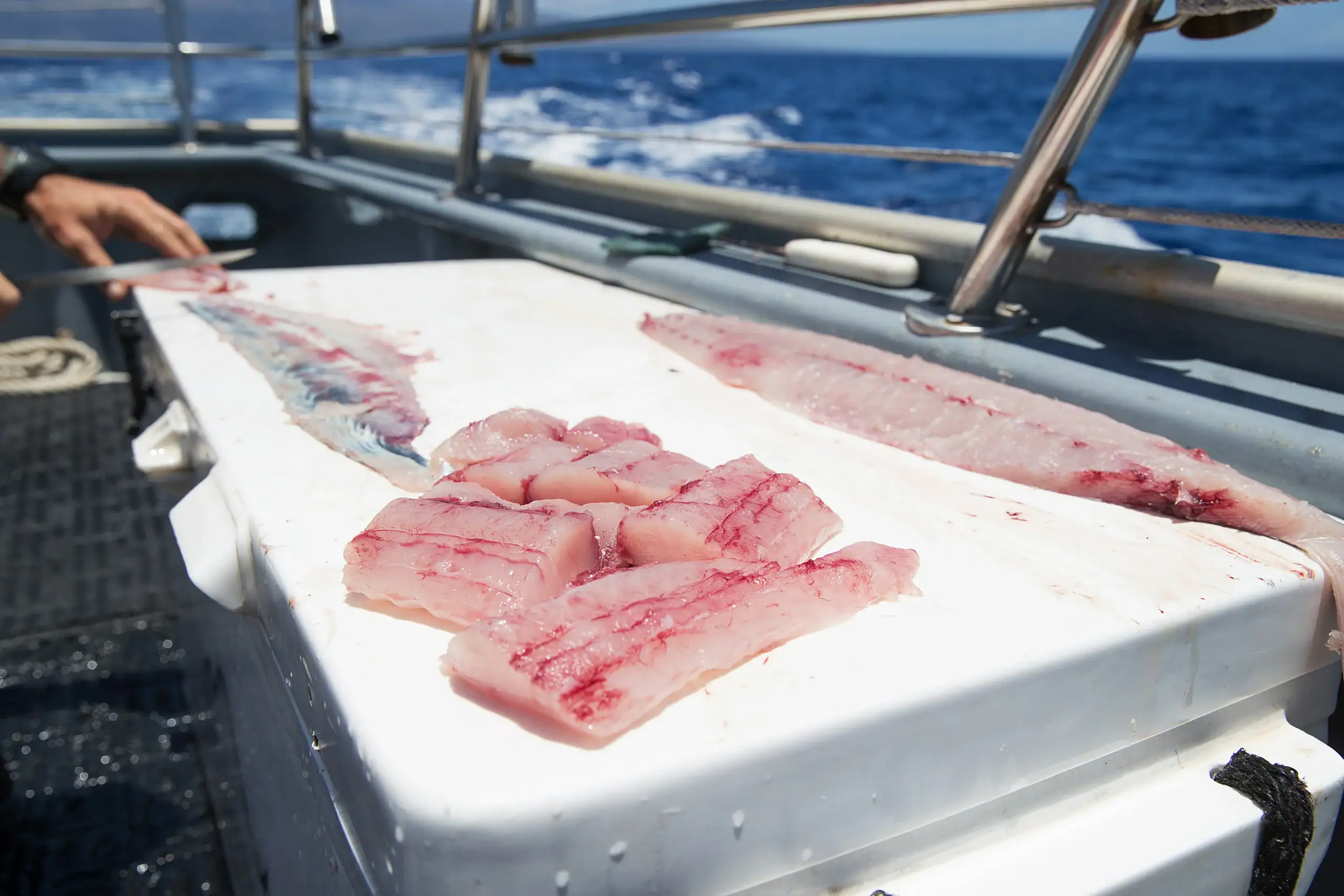
You’re not dealing with a home fridge. Your boat’s refrigeration system faces salt air, constant motion, limited power, and conditions that would destroy a residential unit in weeks. When it fails mid-trip, you’re not just inconvenienced—you’re dealing with spoiled provisions, wasted medication, and a ruined weekend.
A properly maintained marine refrigeration system keeps your cabin cool, your food safe, and your batteries from draining dry. It means you’re not rationing ice or making emergency dock stops. It means the system you invested in actually does its job when you’re miles from shore.
That’s what four decades of marine HVAC experience gets you. Systems installed right, diagnosed accurately, and maintained by people who understand that your boat isn’t a house—and your refrigeration can’t be treated like one.
We’ve been handling marine refrigeration and boat air conditioning across the Greater New York area for over 40 years. We serve the North Fork boating community—from Jamesport’s Great Peconic Bay Marina to vessels throughout Long Island Sound—with the kind of expertise that only comes from decades of hands-on work in real marine environments.
What matters to you is availability when things go wrong, and that’s exactly what you get: 24/7 consulting and emergency service, because refrigeration failures don’t wait for business hours. You’ll also get free estimates, straight answers, and the kind of communication that keeps you informed instead of guessing. Whether it’s a new install, a complex custom system, or an emergency repair at your slip, we handle the work with the same level of care.
Dozens of five-star reviews back up what local boat owners in Jamesport, NY already know: we show up, do the work right, and don’t disappear when things get complicated.
It starts with a real conversation. You call, explain what’s happening, and we ask the right questions—not the generic ones. We’re figuring out whether it’s a refrigerant leak, a compressor issue, an electrical problem, or something else entirely. You get a free estimate and a clear plan before any work begins.
Once on-site (whether that’s your slip, your marina, or your dock), we run a full diagnostic. Marine systems are complex. Seawater cooling, battery power, ventilation, insulation, door seals, condenser coils—we check it all. If it’s a repair, you’ll know what’s broken, why it broke, and what it takes to fix it. If it’s an install, we’ll walk you through sizing, placement, and power requirements so the system actually works for your boat, not just fits in the space.
After the work is done, we test everything. You’re not left hoping it holds. You know it works because we’ve confirmed it before we leave. And if something comes up later? We’re a phone call away, any time.
Ready to get started?
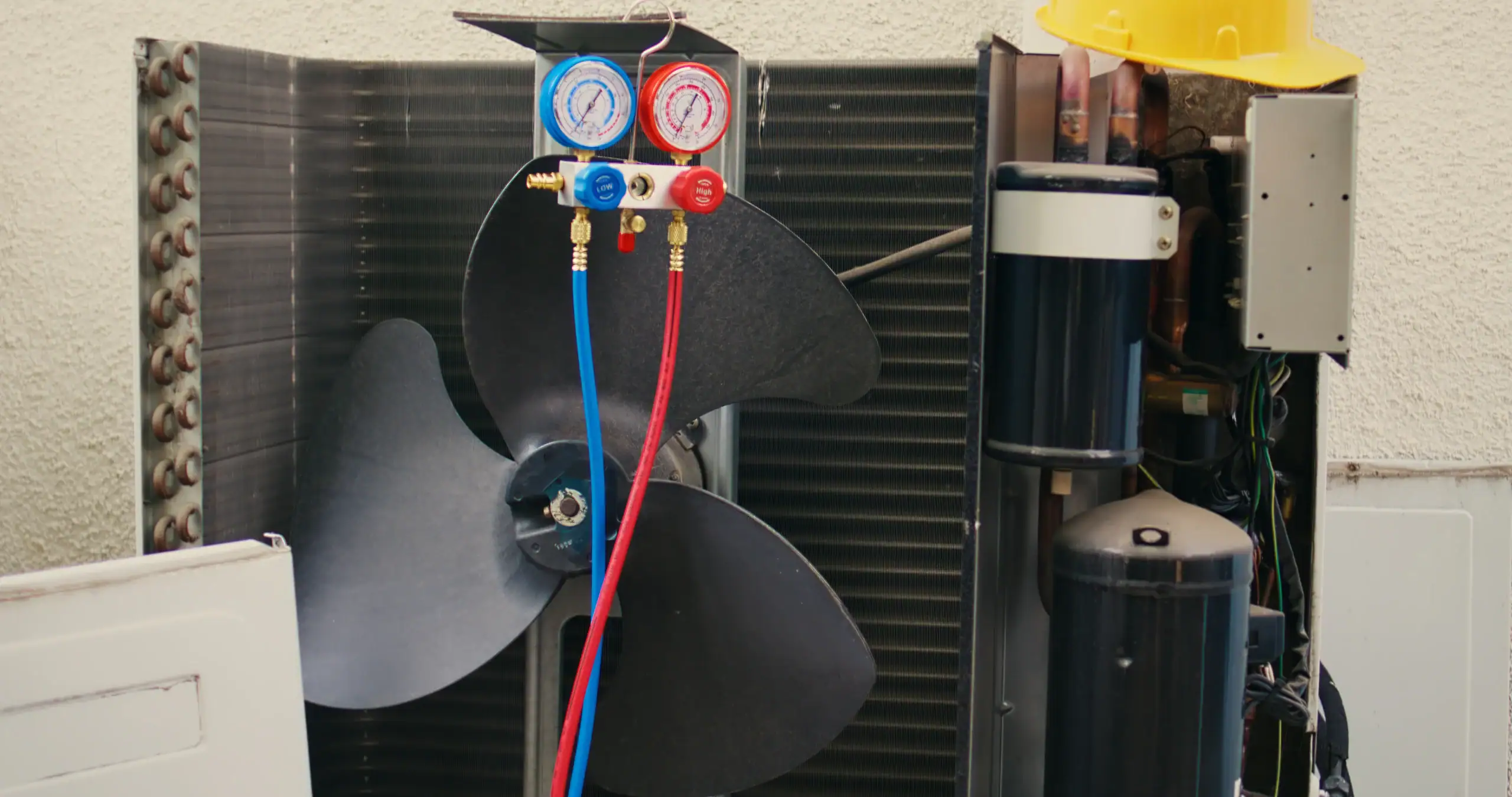
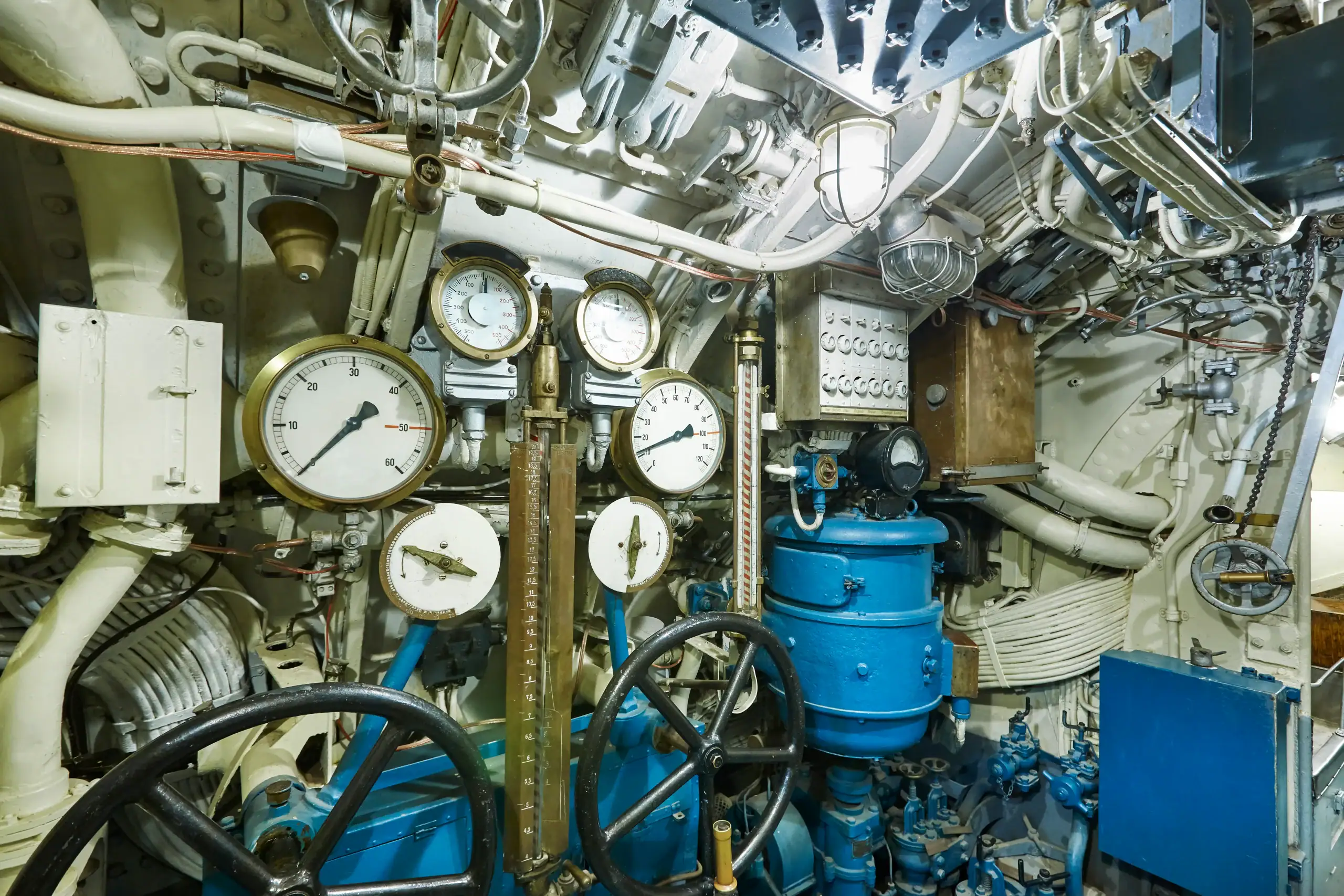
Marine refrigeration maintenance isn’t a quick look and a refrigerant top-off. It’s a full system evaluation: compressor function, refrigerant levels, electrical connections, condenser coil cleaning, door seal inspection, insulation checks, and power draw testing. It’s making sure your system isn’t working harder than it should, draining your batteries, or about to fail when you’re three hours offshore.
For boat owners in Jamesport, NY and across the North Fork, that also means understanding local conditions. Salt air accelerates corrosion. High humidity impacts cooling efficiency. Marinas with inconsistent shore power create electrical stress. We account for all of it when servicing your boat HVAC and refrigeration systems, because a setup that works in a climate-controlled showroom won’t necessarily survive a summer in the Great Peconic Bay.
Custom installations are part of the package too. Not every boat fits a standard setup, and not every owner has standard needs. Whether it’s a custom-built cooling solution, a complex beer system, or a full marine HVAC overhaul, we handle projects that other shops turn down. You get refrigeration services designed for your vessel, your usage, and your priorities—not a one-size-fits-all box that sort of works.
Every three to six months is the standard recommendation for marine refrigeration systems, but it depends on how much you use your boat and where you keep it. If you’re a weekend boater who runs the system regularly during the season, a pre-season check and a mid-season follow-up usually covers it. If you’re a liveaboard or you keep your boat in a high-humidity, high-salt environment, you’ll want refrigeration maintenance closer to every three months.
The reason marine systems need more attention than residential units is simple: they work harder. Salt air corrodes components. Constant motion stresses seals and connections. Limited battery power means the system has to be efficient or it’ll drain you dry. Regular service catches small issues—a worn gasket, a dirty coil, a slight refrigerant leak—before they turn into full system failures.
Skipping maintenance doesn’t just risk a breakdown. It costs you more in the long run because emergency repairs are always more expensive than preventative care. And when your system fails mid-trip, you’re not just paying for the repair—you’re losing provisions, cutting your trip short, and dealing with the frustration of a problem that could’ve been avoided.
Inadequate cooling is the number one complaint, and it usually comes from one of four things: low refrigerant levels (often from a slow leak), poor insulation, a failing compressor, or electrical issues. On boats, electrical problems are more common than people think because marine systems run on limited battery power, and if your voltage is low or fluctuating, the compressor can’t operate efficiently.
Ice buildup is another frequent issue. It happens when humid air gets into the system—usually through a bad door seal—or when the defrost cycle isn’t working properly. Ice reduces cooling efficiency and takes up space, but more importantly, it’s a sign that something’s not sealed or functioning right. Door seals wear out faster on boats because of movement and exposure, so they need regular inspection and replacement.
Excessive power consumption is a problem that sneaks up on you. Your fridge seems to be working, but your batteries are draining faster than they should. That usually points to an inefficient compressor, inadequate insulation, or a system that’s undersized for the space. Marine refrigeration has to balance cooling capacity with power draw, and if that balance is off, you’re either running your batteries down or not keeping things cold enough. A proper diagnostic will tell you which component is the culprit and what it’ll take to fix it.
You can hire one, but you probably shouldn’t. Marine refrigeration systems are fundamentally different from residential or even commercial units, and a technician without marine experience is likely to misdiagnose the problem or apply a fix that doesn’t account for the unique stresses of a marine environment. Boats deal with constant motion, salt air, limited and variable power, seawater cooling systems, and space constraints that don’t exist in buildings.
Marine refrigeration also involves components and configurations that residential techs rarely encounter: water-cooled condensers, cold plate systems, DC compressors, battery-powered operation, and specialized insulation requirements. If your technician doesn’t understand how these systems work together, they might recharge your refrigerant without finding the leak, replace a part that wasn’t actually the problem, or install something that works on land but fails under marine conditions.
The other issue is availability and accountability. A residential HVAC company isn’t going to come to your slip at 9 p.m. on a Saturday when your boat AC repair can’t wait. We understand the urgency and the environment. We stock marine-specific parts, we know how to work in tight engine rooms and cramped spaces, and we’ve dealt with the exact problems your boat is facing. It’s not just about technical skill—it’s about experience with the conditions your system actually operates in.
Most marine refrigeration systems last between 8 and 12 years, but that range depends heavily on how well they’re maintained, how often they’re used, and the conditions they’re exposed to. A system that gets regular professional service, operates in a well-ventilated space, and isn’t constantly battling high heat and humidity will last longer than one that’s neglected or installed in a cramped, poorly ventilated compartment.
Salt air is the biggest enemy of marine refrigeration longevity. Even with corrosion-resistant components, constant exposure to salty, humid air will degrade seals, corrode electrical connections, and damage coils over time. If your boat lives in a marina year-round and you’re not doing regular anti-corrosion maintenance, you’re shortening the lifespan of your system. Boats that are stored indoors during the off-season or kept in freshwater environments tend to get more years out of their refrigeration.
Usage frequency also plays a role. A liveaboard running the system daily will wear it out faster than a weekend boater who uses it a few dozen times a season. That doesn’t mean you should avoid using it—it just means you need to account for that wear with more frequent maintenance. When you start seeing frequent repairs, rising energy consumption despite maintenance, or a system that just can’t keep up anymore, it’s usually time to consider replacement rather than sinking more money into an aging unit.
First, check the basics: is the system getting power, is the breaker tripped, is the thermostat set correctly, and is the seacock open if you have a water-cooled system. A surprising number of “failures” are actually power issues or closed valves. If everything looks normal but the system still isn’t running, don’t try to troubleshoot complex components yourself—marine refrigeration involves refrigerants, electrical systems, and pressurized components that require proper tools and training to handle safely.
Next, call us. Explain what’s happening: when it stopped working, any unusual sounds or smells, whether it’s failing to cool or not running at all, and how long it’s been since the last service. We can often diagnose the likely cause over the phone and tell you whether it’s something that needs immediate attention or if it can wait a few days. If you’re mid-trip and can’t get service right away, minimize how often you open the fridge or freezer—every time you open it, you’re losing cold air and making the problem worse.
Don’t attempt DIY refrigerant recharges or compressor repairs unless you’re trained and certified. Marine refrigeration systems are complex, and improper handling can damage the system, release harmful refrigerants into the environment, or create safety hazards. It’s also easy to mask the real problem with a temporary fix that fails again a week later. Professional diagnostics will identify the root cause—whether it’s a leak, an electrical fault, a failing compressor, or something else—and give you a repair that actually lasts.
Repair costs usually range from $200 to $800 depending on what’s wrong, but that’s a wide range because marine refrigeration issues vary significantly. A simple fix like replacing a door seal or cleaning condenser coils might be on the lower end. A refrigerant leak repair, compressor replacement, or electrical system overhaul will be on the higher end. Custom work, emergency after-hours service, or jobs that require sourcing hard-to-find parts can push costs higher.
The best way to avoid surprise costs is to get a free estimate upfront. We’ll diagnose the problem, explain what needs to be done, and give you a clear price before starting work. If the issue turns out to be more complex once we’re into it, we’ll communicate that and get your approval before proceeding. Transparency matters, especially when you’re dealing with something as essential as refrigeration.
It’s also worth considering the cost of not repairing it. A failing refrigeration system doesn’t just inconvenience you—it can spoil hundreds of dollars in provisions, force you to cut trips short, or leave you without a functioning galley. And if a small issue is ignored, it often turns into a much larger (and more expensive) problem. Regular maintenance and timely repairs are almost always cheaper than waiting until something catastrophic happens. Think of it as protecting your investment in both the system and your time on the water.