Hear from Our Customers
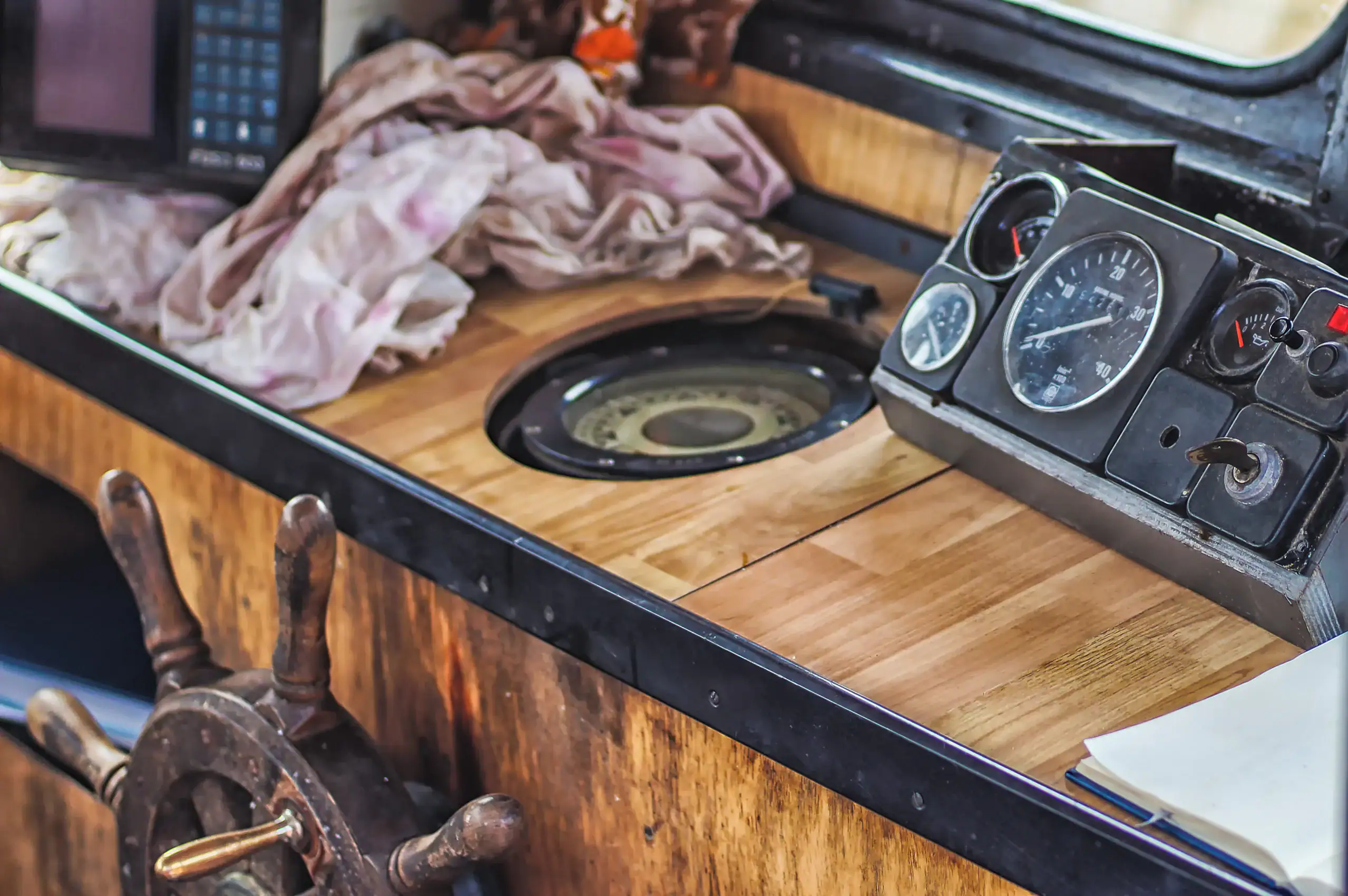
Your boat’s refrigeration and air conditioning face challenges that land-based systems never encounter. Saltwater corrosion, constant motion, limited power, and marine growth work against your equipment every day you’re on the water.
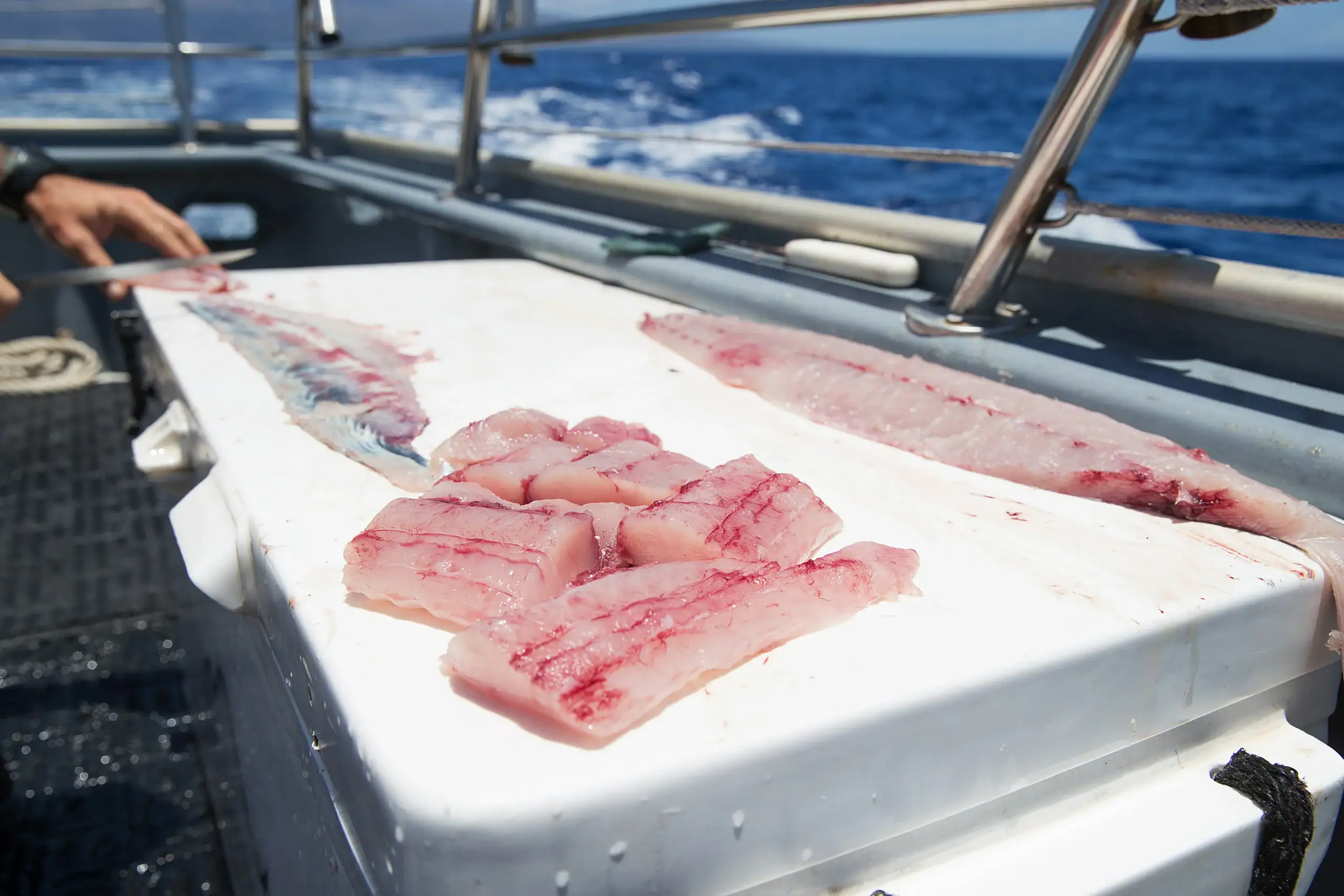
When your marine refrigeration runs properly, you enjoy fresh food during weekend trips, comfortable temperatures for family time, and reliable performance when you’re miles from shore. Your ice stays frozen, beverages stay cold, and your galley works like home.
Professional marine HVAC service means efficient operation that preserves battery life and prevents expensive breakdowns during peak season. You get confidence knowing your investment is maintained by technicians who understand what saltwater does to cooling systems.
We bring over 40 years of marine HVAC and refrigeration expertise to Laurel’s boating community. We’ve served the demanding Long Island Sound environment, where saltwater conditions and seasonal marine growth create unique challenges for cooling systems.
Boat owners throughout Laurel, NY rely on us for everything from routine maintenance to complex custom installations. Our technicians understand local conditions – from dealing with summer temperature extremes to managing the constant threat of marine growth that clogs cooling lines in these waters.
Dozens of five-star reviews reflect our transparent service and genuine expertise in marine applications. When standard HVAC knowledge isn’t enough, Laurel boaters trust our four decades of specialized experience.
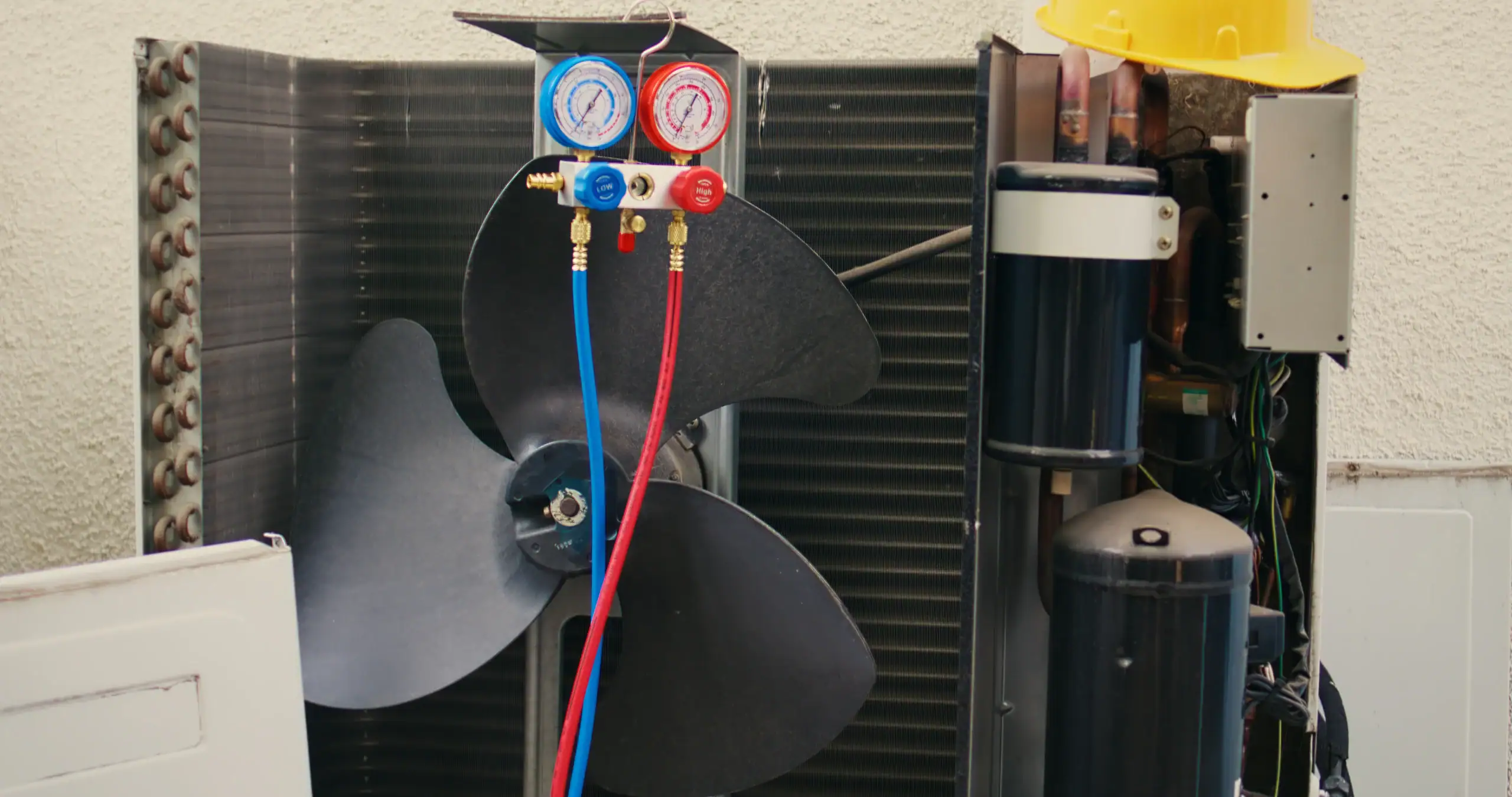
Your marine refrigeration service starts with a thorough system check. Our technician examines water flow, inspects filters and coils, tests refrigerant levels, and identifies potential problems before they strand you on the water.
Next comes straight talk about what we’ve found. You’ll understand exactly what’s wrong, why it happened, and what fixing it involves. No technical confusion or hidden costs – just clear explanation of your options and realistic timelines.
The actual work uses marine-grade components built for saltwater environments. Whether it’s flushing marine growth from condenser coils, replacing corroded parts, or installing a complete new system, we do it right the first time. You’ll get practical guidance on maintenance that prevents future headaches in Laurel’s marine environment.
Ready to get started?
Our marine refrigeration service in Laurel, NY covers emergency repairs and planned upgrades for all system types. From self-contained units on smaller boats to complex chiller systems on large yachts, we handle vessels throughout Long Island Sound.
Preventive maintenance stops the most common problems before they ruin your trip. This includes monthly filter cleaning, seasonal coil flushing to remove marine growth, refrigerant level checks, and seawater pump inspections. In Laurel’s saltwater environment, these steps aren’t optional – they’re essential.
Emergency response addresses urgent failures like high pressure faults, refrigerant leaks, and complete system shutdowns. Our 24/7 consulting means expert guidance when problems strike, whether you’re docked locally or anchored elsewhere in the Sound. Free estimates eliminate guesswork about repair costs.
Marine refrigeration in Laurel’s saltwater environment needs professional service every 6-12 months, depending on how much you use your boat. Saltwater creates problems land-based systems never face – marine growth clogs coils and salt accelerates corrosion.
You can handle monthly tasks like cleaning air filters and checking seawater strainers. But professional service should flush condenser coils with acid solutions to remove marine growth, check refrigerant levels, and inspect seawater connections for corrosion damage.
Boats used heavily during summer or in areas with heavy marine growth need more frequent attention. The goal is catching small problems before they become major failures that can end your boating season or require expensive emergency repairs.
High pressure faults (HPF codes) happen when insufficient seawater flows to your AC’s condenser. This is the most common marine air conditioning problem we see in Laurel waters.
The usual suspects include clogged seawater strainers, marine growth inside cooling lines, failed seawater pumps, or blocked through-hull fittings. Barnacles, grass, and other organisms love growing in the warm, nutrient-rich environment of your AC’s cooling system.
When water flow drops too low, your system overheats and shuts down automatically to prevent damage. Regular strainer cleaning and periodic line flushing prevent most HPF issues. But once marine growth establishes itself, you need professional cleaning with specialized equipment to restore proper flow.
Excessive battery drain usually means your refrigeration system works harder than necessary to stay cold. Poor insulation is often the main culprit, especially in older installations where insulation has broken down or was inadequate from the start.
Other common causes include dirty condenser coils that can’t release heat efficiently, refrigerant leaks forcing continuous compressor operation, or oversized systems that cycle on and off too frequently. Frequent door opening, wrong temperature settings, and poor ventilation also increase power consumption.
Laurel’s salt air and humidity accelerate insulation breakdown and coil fouling. Professional evaluation determines whether you need maintenance or system upgrades. Proper sizing and installation are crucial for energy efficiency when you’re running on limited battery power during extended trips.
Most marine refrigeration problems can be repaired economically when caught early through regular maintenance. The decision depends on system age, corrosion extent, and repair costs versus replacement benefits.
Self-contained units with major refrigerant leaks often warrant replacement rather than repair. Leaks in marine environments usually signal broader corrosion issues – fixing one leak frequently reveals others. But problems like clogged coils, failed pumps, or electrical issues are typically straightforward repairs.
Systems over 15 years old in saltwater may justify replacement with more efficient, modern units offering better corrosion resistance and energy efficiency. Our qualified marine HVAC technicians can assess whether repair makes economic sense or replacement provides better long-term value.
Marine refrigeration systems are engineered for conditions boats face – constant motion, saltwater exposure, limited power, and tight installation spaces. They use corrosion-resistant materials and specialized mounting to handle the marine environment.
Regular household refrigerators can’t handle constant motion, varying angles, and power limitations of marine use. Marine units typically run on 12V or 24V DC power, have enhanced insulation for energy efficiency, and feature robust mounting preventing damage from boat movement.
Marine systems also use seawater cooling for condensers, rather than air cooling in home units. This requires specialized pumps, through-hull fittings, and anti-fouling measures residential systems don’t need. Components are built to withstand salt air corrosion and vibration that would quickly destroy standard appliances.
Call us immediately for refrigerant leaks, electrical problems, or issues involving through-hull fittings or seawater systems. These problems can seriously damage your boat if handled incorrectly.
Warning signs requiring professional attention include unusual compressor noises, water leaks inside the boat, error codes on displays, or systems running continuously without maintaining temperature. High pressure faults, low pressure faults, or electrical issues need qualified technicians.
Basic maintenance like cleaning air filters and seawater strainers you can handle yourself. But anything involving refrigerants requires EPA certification and specialized equipment. In Laurel’s marine environment, regular professional service beats waiting for emergencies that can strand you during peak boating season.