Hear from Our Customers
You’re not calling because everything’s fine. Something’s off—your energy bill spiked, the air feels wrong, or your system just quit in the middle of July. Whatever brought you here, you need someone who can diagnose it fast and fix it right the first time.
That’s where experience matters. A properly maintained HVAC system can cut your energy costs by up to 20%. Not because of some miracle product, but because the equipment actually runs the way it’s supposed to. Clean filters, calibrated thermostats, sealed ducts—small things that add up to real savings.
You also get consistency. No more cold spots in winter or rooms that never cool down in summer. When your furnace installation or air conditioning repair is done correctly, your home feels the same in every room. You’re not adjusting the thermostat every hour or piling on blankets in March.
And when something does go wrong—because eventually, something will—you’re not starting from scratch with a stranger. You’ve got a team that knows your system, your home, and how to get you back online without the runaround.
We’ve been handling complex HVAC and refrigeration work since the 1980s. We’ve installed systems in airports, restaurants, marine vessels, and commercial kitchens across Long Island—places where failure isn’t an option and the work has to be done right.
That background shows up in how we approach residential HVAC services in Laurel, NY. We’re not learning on your dime. We’ve seen the weird problems, the old systems, the installs that someone else botched. And we know how to fix them.
Laurel’s housing stock skews older—median build year is 1974—which means a lot of homes here are dealing with aging furnaces, outdated ductwork, and systems that were never designed for today’s efficiency standards. We work on those systems every week. We know what fails first, what’s worth repairing, and when replacement actually makes financial sense.
First, we show up on time. You get a free estimate and a clear explanation of what’s wrong—no jargon, no upselling. If it’s a simple fix, we’ll tell you. If your system’s on its last legs, we’ll walk you through your options and what each one actually costs.
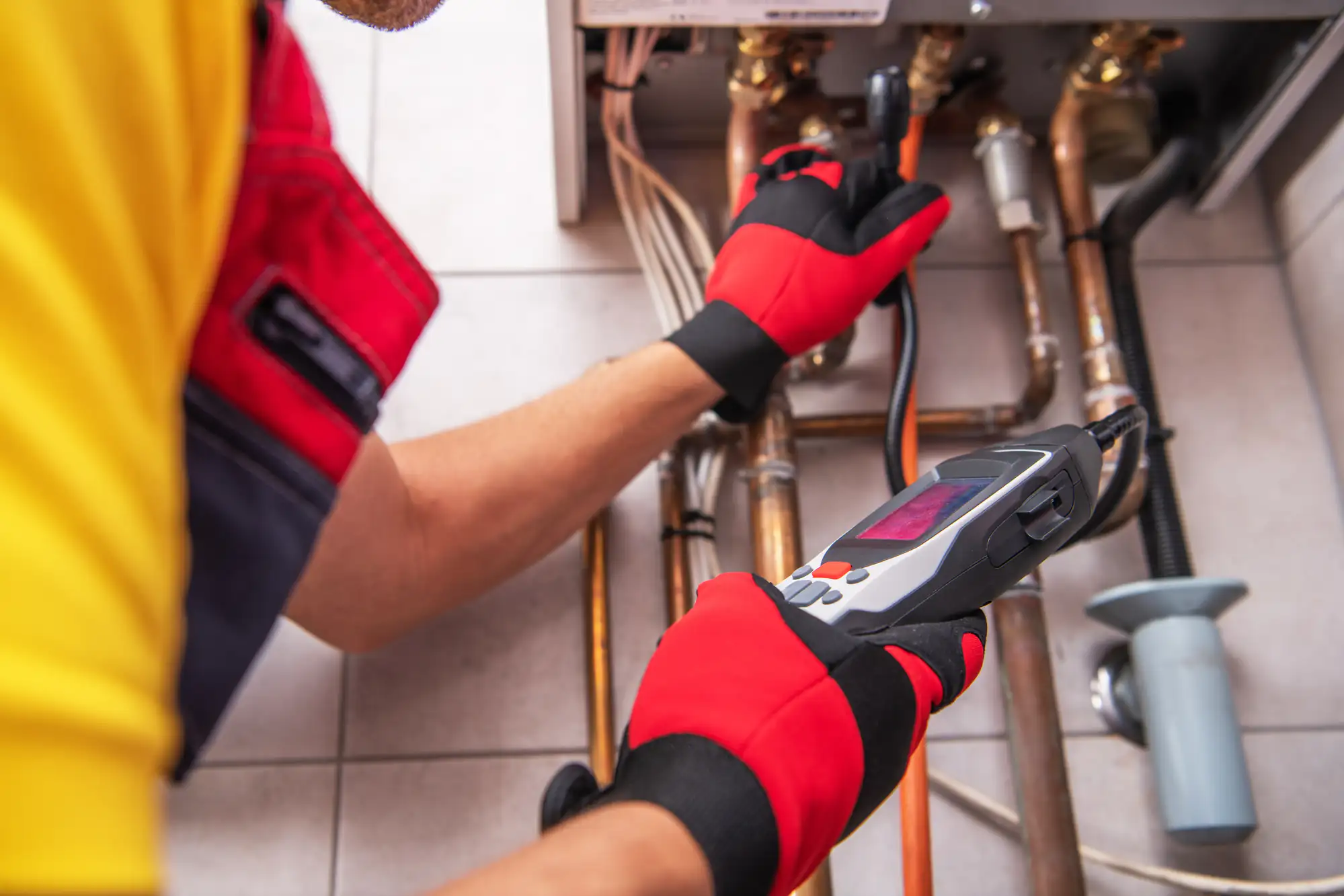
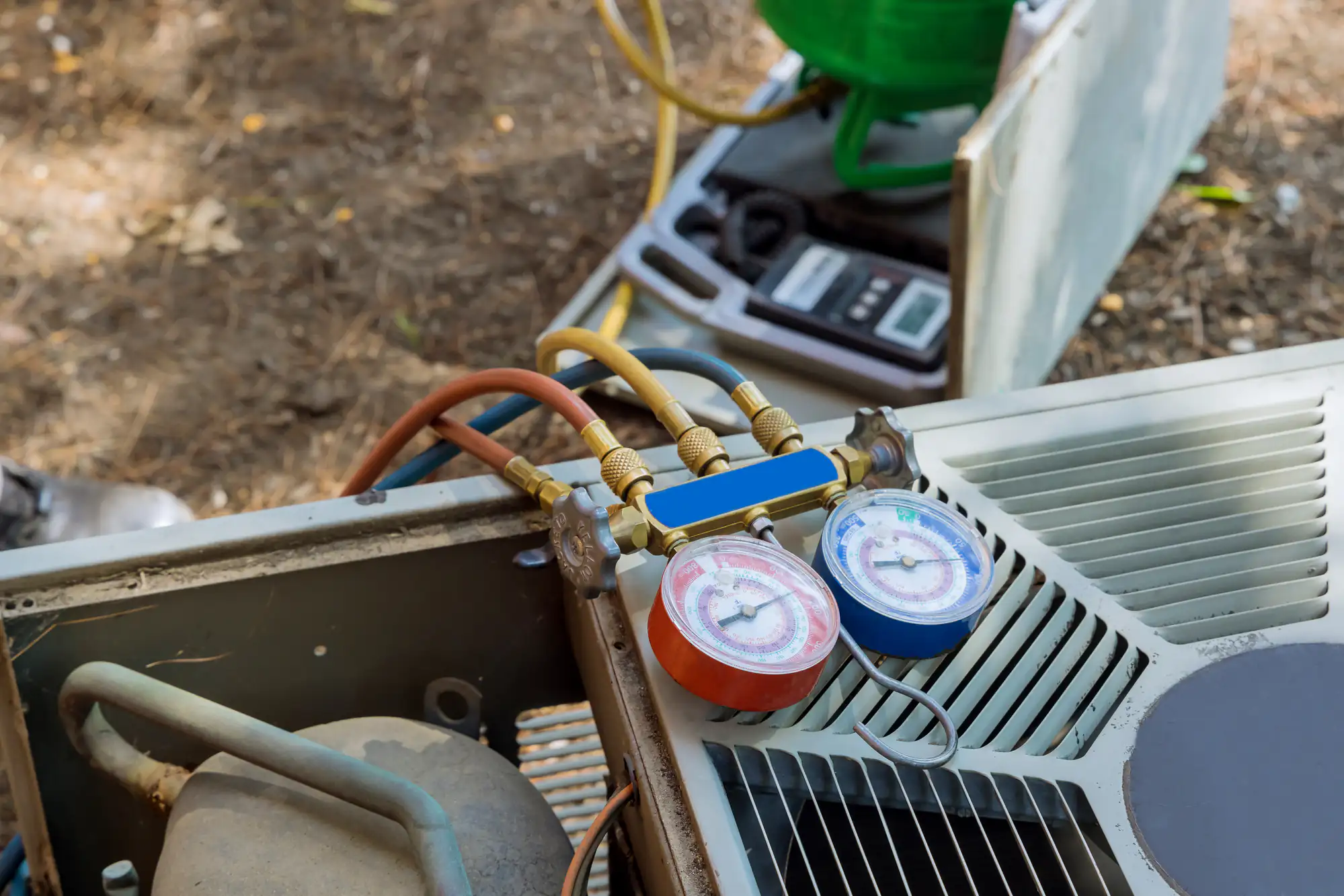
For heating system maintenance or air conditioning repair, we start with a full diagnostic. We’re checking airflow, refrigerant levels, electrical connections, and anything else that could cause problems down the line. If we find something, you’ll know about it before we touch a tool.
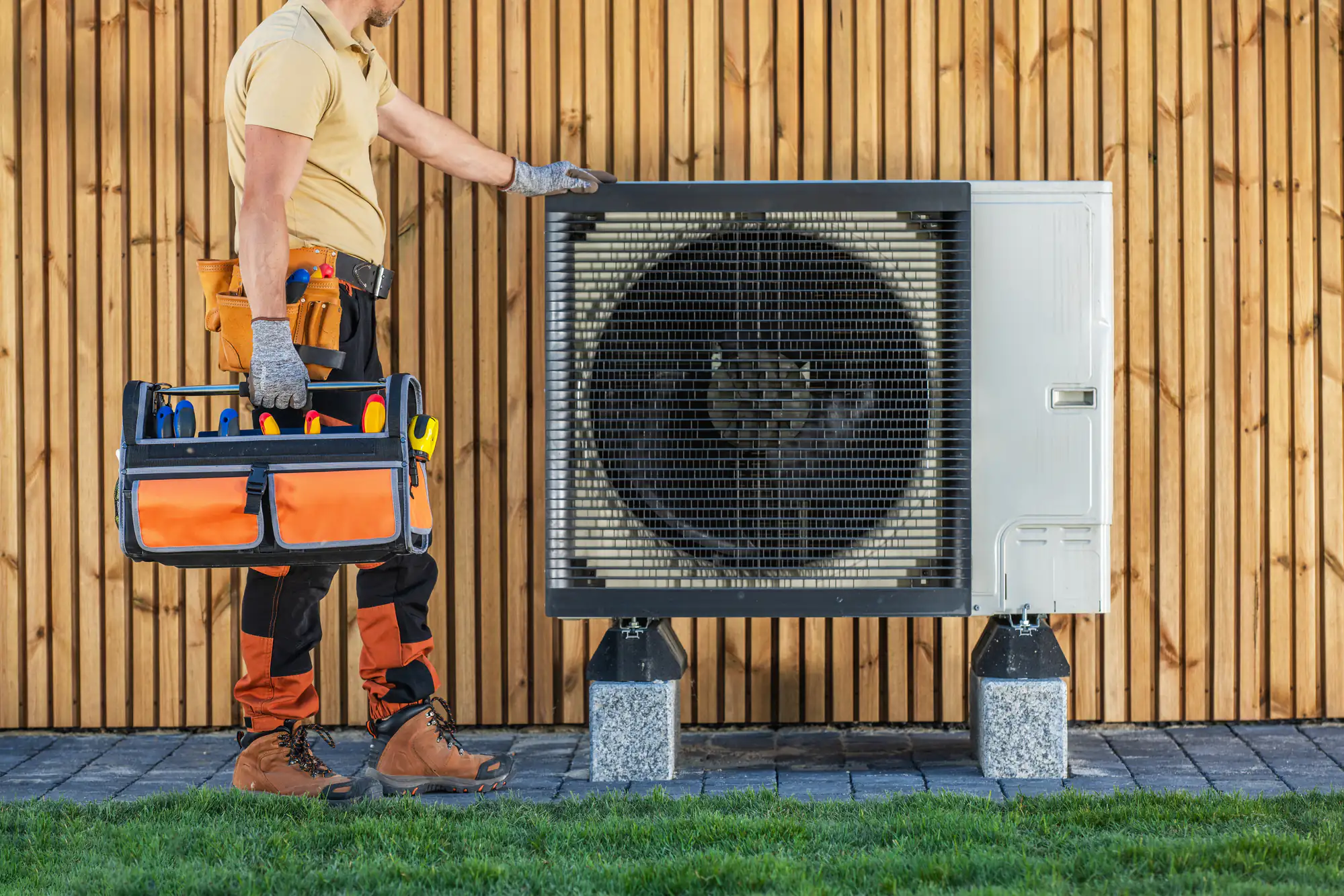
Installation work—whether it’s a new furnace, heat pump, or central air system—starts with sizing. Too many contractors guess. We measure your home, calculate heat load, and match equipment to your actual needs. Oversized systems short-cycle and waste energy. Undersized systems run nonstop and never quite keep up. We get it right the first time.
Once the work’s done, we test everything. You’re not waiting three days to find out if it works. We make sure your indoor air quality is where it should be, your thermostat’s programmed correctly, and you understand how to operate the system. Then we clean up and get out of your way.
Ready to get started?
We handle the full range of residential HVAC services—air conditioning repair, furnace installation, heat pump systems, ductwork, thermostats, and indoor air quality solutions. If it heats, cools, or moves air through your house, we work on it.
Emergency service is available 24/7 because your furnace doesn’t care that it’s Sunday night. When you call, you’re talking to someone who can actually help—not a voicemail or an answering service that’ll get back to you tomorrow.
Maintenance contracts are available if you want to stay ahead of problems. Regular tune-ups catch the small stuff before it becomes expensive. We’re talking about worn belts, dirty coils, and refrigerant leaks that cost $150 to fix now or $1,500 to fix later.
For Laurel homeowners, location matters. You’re dealing with coastal humidity in summer and bitter cold off the water in winter. Systems need to handle both extremes, and not every setup works well here. We factor that in when we recommend equipment—especially for HVAC replacement projects where you’re making a 15- to 20-year decision.
Financing’s available if the timing’s bad but the need is real. And if you’re eligible for rebates or tax credits—New York offers up to $8,000 in combined incentives for energy-efficient upgrades—we’ll point you in the right direction.
Twice a year—once before heating season, once before cooling season. That’s the standard recommendation, and it’s based on preventing the problems that actually cause breakdowns.
Your furnace sits idle for six months, then you fire it up in October and expect it to work perfectly. But dust has settled on the burners, the blower motor hasn’t run since April, and small issues have had half a year to get worse. A fall tune-up catches that stuff early.
Same goes for your AC in spring. Refrigerant levels drop over time. Electrical connections loosen. Condensate drains clog. A pre-season checkup means you’re not discovering these problems during the first heat wave of summer when every HVAC company in Suffolk County is slammed with emergency calls.
Regular maintenance also keeps your warranty valid. Most manufacturers require proof of annual service, and if you can’t produce it, they won’t cover the repair—even if the part failed through no fault of your own.
If the repair costs more than 50% of what a new system would cost, replacement usually makes more sense. That’s the general rule, but your system’s age matters just as much.
A five-year-old furnace with a $1,200 repair? Fix it. You’ve still got 10 to 15 years of life left. A 17-year-old furnace with the same repair? That’s harder to justify. You’re paying $1,200 to buy maybe three more years, and you’ll likely face another expensive repair before long.
Energy efficiency is the other factor. Older systems—especially anything installed before 2010—use significantly more energy than modern equipment. If your current system has a 10 SEER rating and a new one runs at 16 SEER, you’re looking at roughly 35% lower cooling costs every summer. Over 15 years, that adds up to thousands of dollars.
We’ll walk you through the math when we’re at your house. You’ll see what the repair costs, what replacement costs, and what your energy savings would look like over time. Then you decide what makes sense for your situation.
Usually it’s efficiency loss, and it happens gradually enough that you don’t notice until the bill arrives. Your system’s working harder to deliver the same amount of heating or cooling, which means it’s running longer and using more energy.
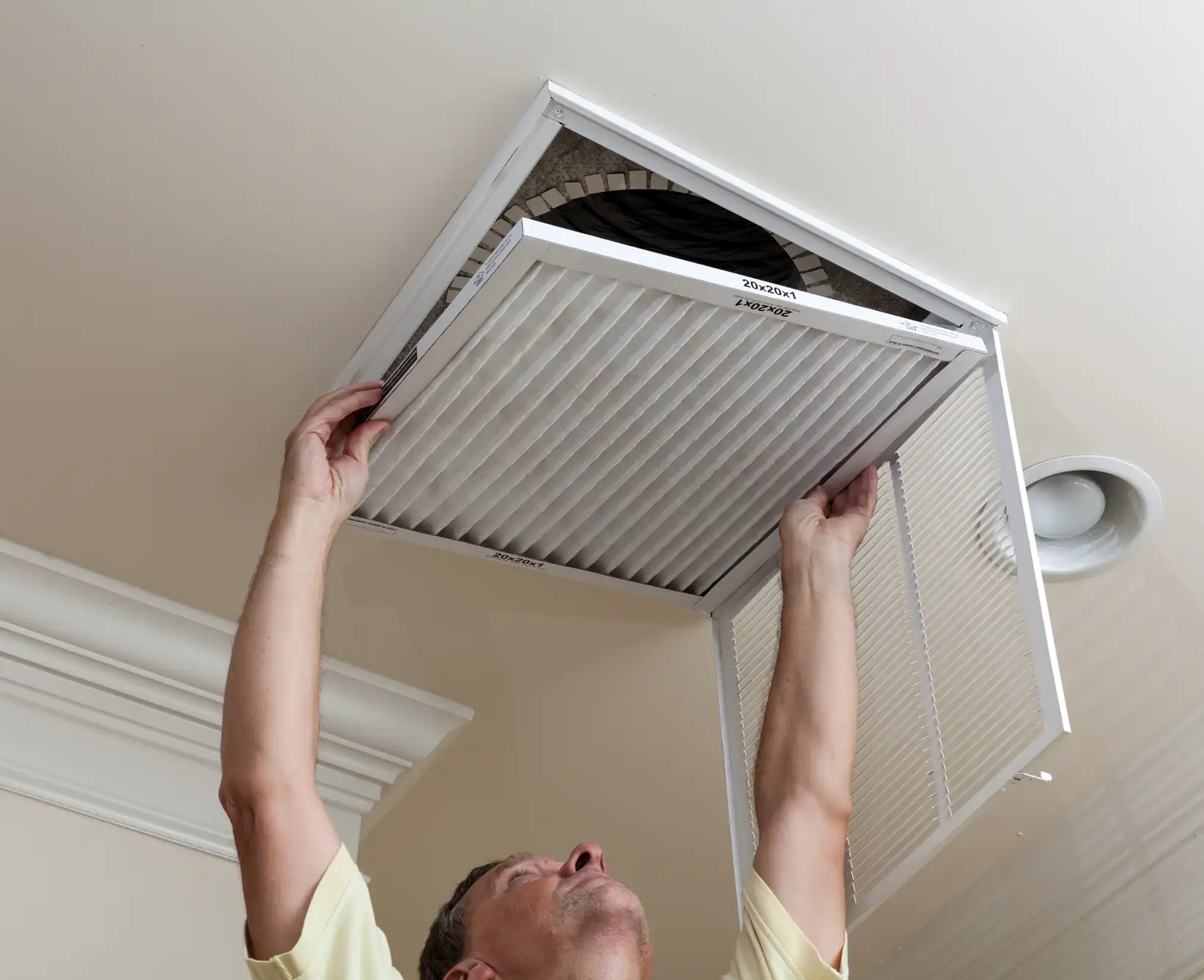
Dirty filters are the most common culprit. When airflow gets restricted, your furnace or AC has to run extra cycles to reach the temperature you set. Replacing a $15 filter every three months can prevent a 15% jump in energy costs.
Refrigerant leaks cause the same problem with air conditioning. Your system keeps running because it can’t generate enough cooling, but it never shuts off because it never hits the target temperature. You’re paying for electricity that’s not actually cooling your house.
Ductwork leaks are harder to spot but just as expensive. If 20% to 30% of your conditioned air is escaping into your attic or crawlspace, your system has to produce that much more to compensate. Sealing ducts isn’t glamorous, but it’s one of the fastest payback improvements you can make.
Thermostat placement matters too. If it’s in direct sunlight or near a drafty window, it’s getting false readings and cycling your system at the wrong times. We check for that during maintenance calls.
Age is the biggest indicator. Most furnaces and central air systems last 15 to 20 years with proper maintenance. If yours is in that range and needs a major repair—compressor, heat exchanger, blower motor—it’s time to start thinking about replacement.
Frequent repairs are another red flag. If you’re calling for service twice a year or more, you’re dealing with a system that’s failing in pieces. At some point, you’re just funding an expensive hobby.
Uneven heating or cooling that won’t go away usually means your system’s undersized, oversized, or losing capacity. You can throw money at ductwork modifications and zoning systems, but if the core equipment is wrong for your house, you’re never going to get the performance you want.
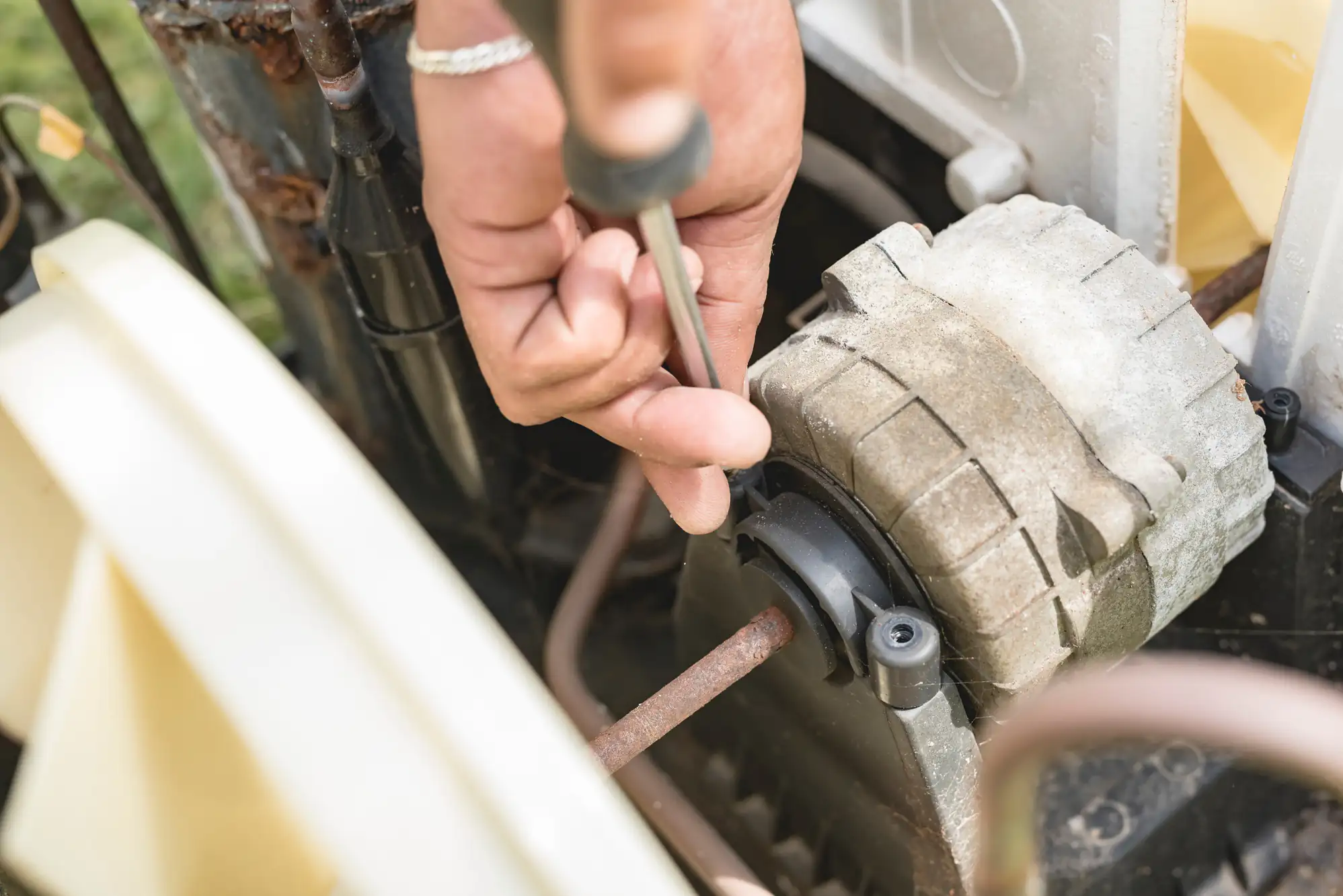
Strange noises—banging, squealing, grinding—often signal mechanical wear that’s expensive to fix. Blower motors can be replaced, but if the housing’s cracked or the mount’s corroded, you’re looking at a bigger job than just swapping a part.
We’ll give you an honest assessment when we’re on-site. If repair makes sense, we’ll tell you. If you’re better off replacing, we’ll explain why and show you the numbers.
Proper sizing comes first. Equipment that’s too big or too small will never perform well, no matter how much you spend. We calculate heat load based on your home’s square footage, insulation, window placement, and ceiling height—then match equipment to those numbers.
Efficiency ratings matter, but only to a point. A higher SEER or AFUE rating means lower operating costs, but the equipment itself costs more upfront. The sweet spot for most Laurel homeowners is mid-tier efficiency—good savings without the premium price tag of top-end models.
Brand reliability is worth considering, but installation quality matters more. A mediocre system installed correctly will outlast a premium system installed poorly. We’ve seen $8,000 units fail in five years because the installer didn’t charge the refrigerant properly or size the ductwork right.
Features like variable-speed blowers and two-stage compressors improve comfort and efficiency, but they add cost. If you’re sensitive to temperature swings or noise, they’re worth it. If you just need reliable heating and cooling, single-stage equipment works fine.
Warranty coverage varies widely. Some manufacturers offer 10-year parts warranties, others cap it at five. Labor’s almost never covered, which is why choosing a contractor you trust matters as much as choosing the right equipment.
If anyone in your house has allergies, asthma, or respiratory issues, yes. Indoor air quality directly affects how you feel, and most homes have worse air inside than outside—especially in winter when everything’s sealed up.
Your HVAC system circulates air, but it doesn’t clean it unless you’ve added filtration. Standard filters catch large particles like dust and pet hair, but they don’t touch pollen, mold spores, or volatile organic compounds. Upgrading to a HEPA filter or adding an air purifier makes a measurable difference.
Humidity control is the other piece. Too much humidity and you’re growing mold in your ducts and on your walls. Too little and you’re dealing with dry skin, static shocks, and increased susceptibility to colds. Laurel’s coastal location means summer humidity is a given, but a good dehumidifier keeps it in check.
Duct cleaning helps if you’ve got visible mold, vermin, or construction debris in your system. Otherwise, it’s not something you need to do every year. Sealing leaks and changing filters regularly does more for air quality than cleaning ducts that aren’t actually dirty.
We can test your indoor air quality and recommend solutions based on what we find—not based on what we’re trying to sell you. Sometimes it’s a $50 filter upgrade. Sometimes it’s a whole-home purification system. It depends on what’s actually in your air.