Hear from Our Customers
You get to leave the dock knowing your system won’t quit mid-voyage. Your food stays cold, your cabin stays comfortable, and you’re not burning through battery power because something’s running inefficiently.
Marine refrigeration isn’t the same as what’s in your kitchen. It has to handle constant motion, salt air that corrodes everything it touches, and limited power while you’re cruising. Most HVAC companies don’t get that. They show up, apply residential logic, and you’re calling someone else three weeks later.
The boat owners who aren’t dealing with this headache? They’re the ones who found a specialist before something broke. They’re running efficient systems that were installed correctly, maintained on schedule, and fixed fast when issues do come up.
We’ve been handling marine refrigeration and boat air conditioning in the Greater New York area for over 40 years. That’s not just residential AC work stretched to fit boats—it’s specialized knowledge of how these systems actually function in harsh coastal conditions.
Long Beach boat owners deal with specific challenges. The salt air off the Atlantic accelerates corrosion. Humidity swings stress components. Your system needs to work whether you’re plugged in at the marina or running on battery power offshore. These aren’t problems you solve with generic HVAC training.
Our team understands what you’re up against because we’ve been doing this since before most marine refrigeration brands existed. You’re working with people who communicate clearly, show up when they say they will, and don’t leave until your system actually works.
First, you describe what’s happening—whether your boat AC is blowing warm air, your refrigeration isn’t holding temperature, or something’s making noise it shouldn’t. You’ll talk to someone who actually understands marine systems, not a call center reading a script.
If it’s an emergency, our response is fast. The 24/7 availability isn’t just for show—when your refrigeration fails during a trip or right before you’re supposed to leave, waiting three days isn’t an option. For planned maintenance or installations, you’ll get a free estimate with transparent pricing before any work starts.
The technician who shows up knows marine refrigeration specifically. We’ll diagnose the actual problem—not just the symptom—and explain what needs to happen in plain language. If it’s a repair, we’re carrying the parts and tools to handle it. If it’s an installation or custom work, we’ll walk you through the process and timeline. You’ll know what’s happening, what it costs, and when your system will be working properly again.
Ready to get started?
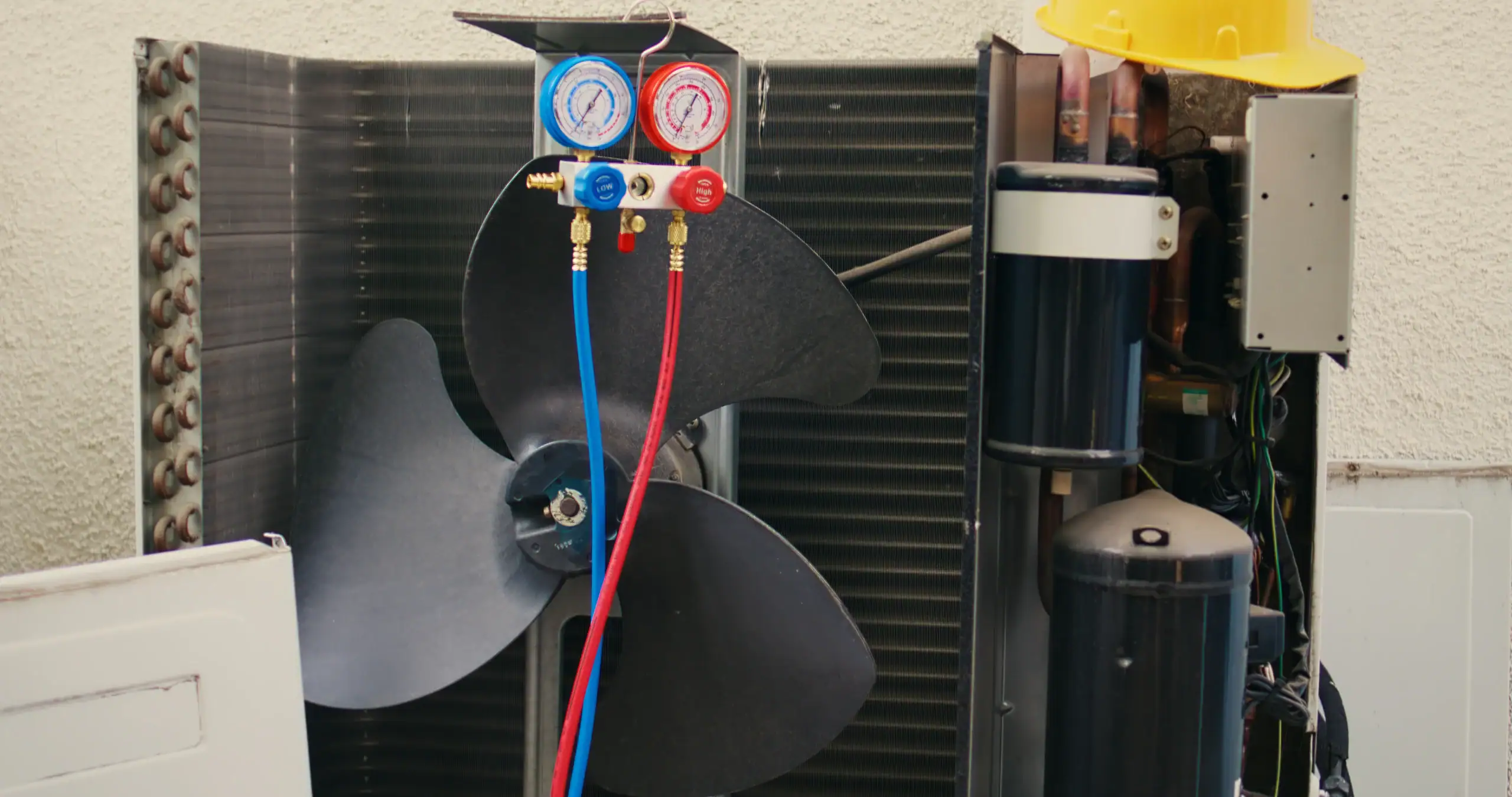
Marine refrigeration maintenance covers the components that actually fail in coastal conditions. That means inspecting compressors for salt corrosion, checking refrigerant levels, cleaning condenser coils that get clogged with marine growth, and testing electrical connections that corrode faster near saltwater.
In Long Beach, your boat is exposed to conditions that destroy equipment faster than inland locations. The Atlantic’s salt air doesn’t just affect what you can see—it works its way into seals, electrical components, and cooling systems. Regular maintenance catches these issues before they turn into failures that ruin your weekend or your provisions.
Boat air conditioning service includes checking airflow, testing cooling capacity, inspecting drain systems for clogs, and making sure your system is running efficiently enough that you’re not draining batteries unnecessarily. Installation work covers everything from straightforward replacements to custom refrigeration solutions for vessels that need something specific.
Emergency marine AC repair means we respond when your system fails at the worst possible time—right before a trip, during peak summer heat, or when you’re already out on the water. The goal isn’t just getting it running again. It’s making sure it stays running and doesn’t leave you in the same situation next month.
Most marine refrigeration systems need professional service every three to four months if you’re using your boat regularly. That’s more frequent than residential systems because your equipment is dealing with salt air, constant vibration, and humidity that accelerates wear on every component.
If you’re only taking your boat out occasionally, you can sometimes stretch that to twice a year—but you’re still looking at pre-season service before you start using it heavily and post-season service before storage. Skipping maintenance doesn’t save money. It just means you’re paying for emergency repairs instead of planned service, and emergency repairs always cost more.
The maintenance itself focuses on what actually fails in marine environments: corroded connections, clogged condensers, refrigerant leaks, and components that are working harder than they should because something else is slightly off. Catching these early keeps your system efficient and prevents the kind of failure that happens when you’re three hours offshore.
Salt air is the biggest culprit. It corrodes electrical connections, degrades seals, and builds up on condenser coils, reducing cooling efficiency. Your system is also dealing with constant motion and vibration that loosen connections and stress components in ways that never happen with stationary equipment.
Power limitations create another issue. When you’re running on battery power while cruising, your system has to work efficiently with limited electrical resources. If something’s not operating at peak efficiency—a partially clogged condenser, a refrigerant leak, a compressor that’s working harder than it should—you’re draining batteries faster and potentially overheating components.
Marine refrigeration also operates in confined spaces with limited ventilation, which means heat dissipation is already challenging before you add in high humidity and temperature swings. The systems are designed for these conditions, but only if they’re installed correctly and maintained properly. When they’re not, you get failures that wouldn’t happen in a residential setting.
Yes. Our experience covers all major marine refrigeration brands and custom systems that were installed by other companies or came with the boat. That includes standard units, custom-built cooling solutions, and integrated systems that combine refrigeration with air conditioning.
Some marine refrigeration systems are straightforward—you’re working with known brands and readily available parts. Others are custom installations or older systems where parts aren’t sitting on a shelf somewhere. In those cases, you’re dealing with technicians who can source what’s needed, fabricate solutions when necessary, or recommend upgrades when repair costs don’t make sense anymore.
The advantage of working with specialists who’ve been doing this for 40 years is we’ve seen most of what can go wrong and most of what different manufacturers have put in boats over the decades. You’re not dealing with someone who’s figuring out marine refrigeration as they go—you’re working with people who’ve repaired these systems hundreds of times.
First, check the basics: make sure your seacock is open, your raw water strainer isn’t clogged, and your circuit breakers haven’t tripped. A surprising number of marine AC failures come down to closed seacocks or clogged strainers blocking the water flow your system needs for cooling.
If those are fine and your system still isn’t working, you’re probably looking at something that needs professional attention—a refrigerant issue, a failed compressor, electrical problems, or a pump that’s not moving water. At that point, your options depend on where you are and whether you can get back to port or need someone to come to you.
Our 24/7 availability exists specifically for situations like this. You’re not waiting until Monday morning when your AC failed Saturday afternoon and you’re stuck in the heat. Call, explain what’s happening and where you are, and you’ll get guidance on whether it’s something you can temporarily address or whether you need immediate service. Emergency response is part of marine refrigeration service because these failures don’t happen on convenient schedules.
It depends on what’s actually wrong and how old the system is. If you’re dealing with a single failed component on a system that’s been well-maintained and isn’t ancient, repair usually makes sense. If you’re looking at a 15-year-old system that needs a new compressor, has corroded lines, and hasn’t been efficient for years, replacement is probably smarter.
The calculation isn’t just about the immediate repair cost. It’s about whether you’re fixing something that’s going to keep working reliably or whether you’re putting money into a system that’s going to need another expensive repair in six months. Older systems also tend to be less efficient, which means they’re costing you more in power consumption even when they’re working.
An honest assessment from someone who’s not just trying to sell you a new system will tell you whether repair makes financial sense or whether you’re better off upgrading to something more efficient and reliable. Sometimes repair is the right call. Sometimes it’s throwing good money after bad. You’ll get a straight answer about which situation you’re in.
Yes. Our marine HVAC service covers both refrigeration and air conditioning because they’re related systems and boat owners typically need both. Your refrigeration keeps provisions cold. Your AC keeps the cabin comfortable. Both face the same harsh coastal conditions and both need specialized knowledge to service properly.
Many boats have integrated systems where the same components handle both cooling functions, or they have separate systems that still need coordinated maintenance. Either way, you’re working with technicians who understand how marine cooling systems function as a whole, not just one piece of the puzzle.
Our service covers installation, repair, maintenance, and emergency response for both systems. Whether you need your boat refrigeration fixed, your marine AC serviced before season starts, or a custom cooling solution installed, you’re dealing with the same team that’s been handling marine HVAC in Long Beach and the Greater New York area for over four decades.