Hear from Our Customers
You shouldn’t have to replace your AC every few years or wonder why your energy bill doubled. Living this close to the ocean means your heating and cooling equipment takes a beating from salt air, humidity, and temperature swings that most systems weren’t built to handle.
When your HVAC system is installed correctly and maintained by people who understand coastal conditions, it runs efficiently. That means consistent temperatures in every room, lower monthly utility costs, and fewer emergency repair calls at the worst possible time.
You also get equipment that lasts. Not just survives, but actually performs the way it’s supposed to for ten, fifteen years or more. That’s what happens when the installation is done right the first time and the maintenance plan accounts for corrosion, airflow restrictions, and refrigerant issues before they become expensive problems.
We’ve been handling complex HVAC and refrigeration work across Long Island for over 40 years. We’ve built our reputation working on commercial systems in airports, restaurants, and marine environments where failure isn’t an option.
Now we’re bringing that same level of expertise to residential HVAC services in Long Beach. We know what salt air does to condenser coils. We know which equipment holds up and which fails in high humidity. And we know how to size, install, and maintain systems so they actually work when you need them.
You’ll find dozens of five-star reviews from clients who’ve dealt with us on everything from emergency AC repair to full system replacements. We offer free estimates, 24/7 consulting, and straight answers about what your home actually needs.
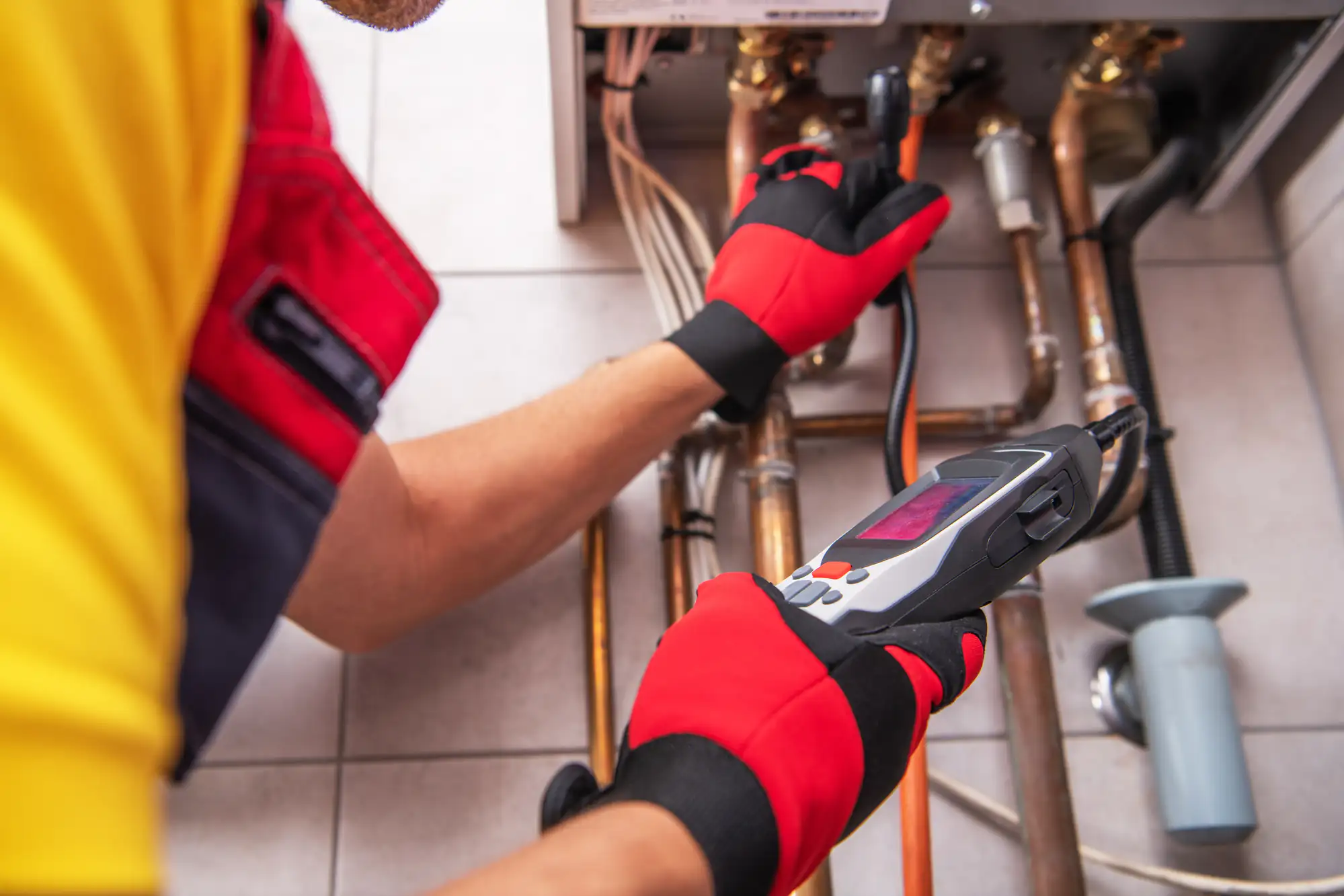
First, we come out and assess what’s going on. If it’s an emergency repair, we prioritize getting your heat or AC back online. If it’s a replacement or new installation, we measure your space, check your ductwork, and talk through equipment options that make sense for a coastal home in Long Beach.
You get a clear estimate before any work starts. No surprises, no upselling equipment you don’t need. We explain what we found, what we recommend, and why. If there’s a choice between repair and replacement, we’ll tell you the real cost difference and let you decide.
Once you approve the work, we handle permits if needed, schedule the installation or repair, and complete everything according to manufacturer specs and local code. For heating system maintenance or AC tune-ups, we inspect the full system, clean components, check refrigerant levels, test airflow, and catch small issues before they turn into big ones. You get a report on what we did and what to watch for.
After the job, you have our number. If something doesn’t seem right or you have questions, you call us directly. We also offer maintenance plans that keep your system running efficiently year-round and help you avoid the kind of breakdowns that happen on the hottest or coldest day of the year.
Ready to get started?
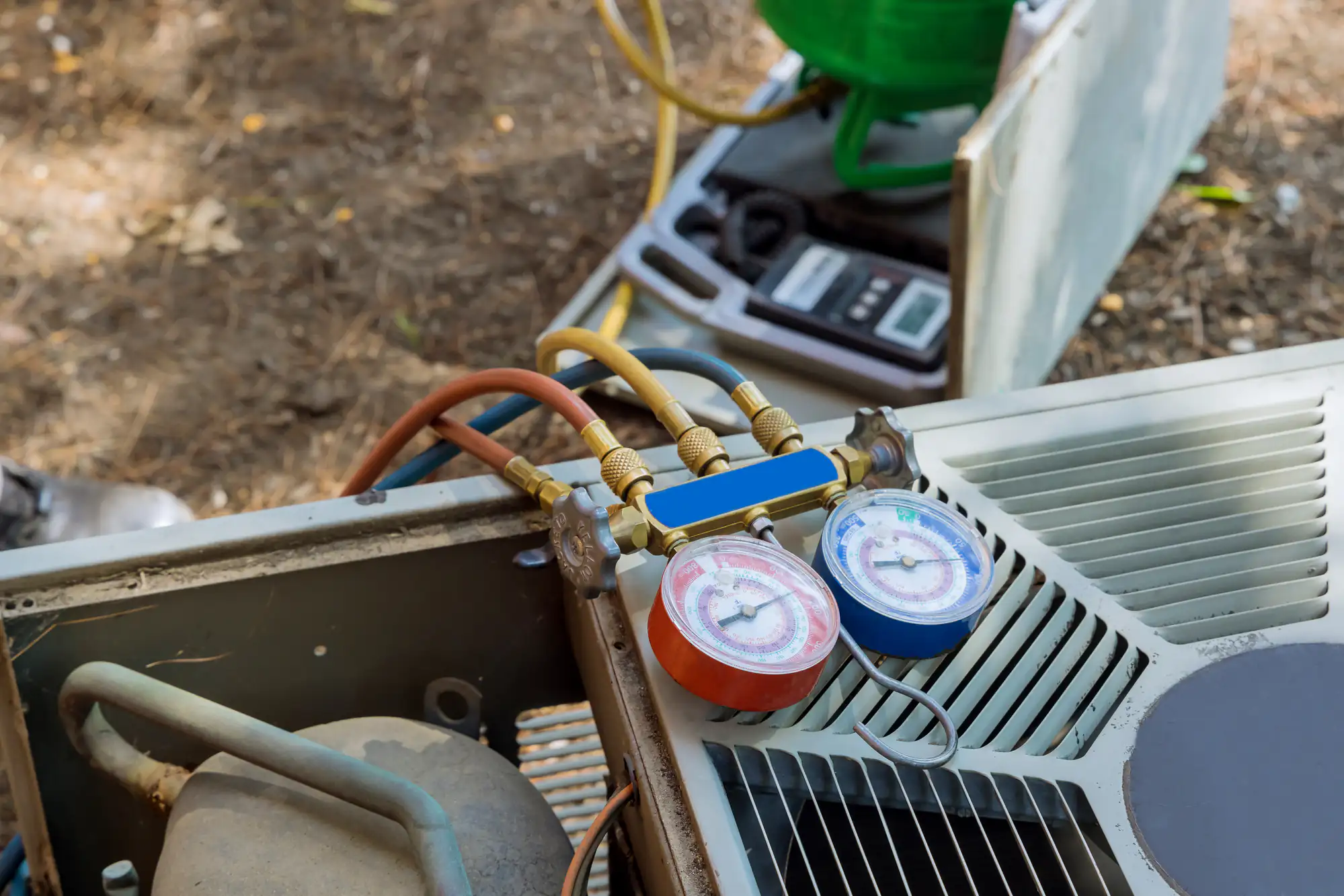
We handle air conditioning repair when your system stops cooling or starts making noises it shouldn’t. That includes diagnosing refrigerant leaks, replacing failed compressors, cleaning coils clogged with salt and debris, and fixing airflow problems caused by duct issues or dirty filters.
For furnace installation and heating system maintenance, we work with gas, oil, and electric systems. Long Beach sits in an area with strict air quality regulations, so if you’re replacing a furnace, we make sure you’re compliant with ultra-low NOx requirements and help you navigate rebates or incentives that apply. We also service heat pumps, which have outsold gas furnaces nationally for the past few years and work well in moderate coastal climates like ours.
HVAC replacement jobs get the full treatment. We pull permits, remove old equipment properly, install new systems sized for your home’s actual load, and test everything before we leave. We also talk through indoor air quality options like whole-home dehumidifiers, air purifiers, and smart thermostats that help you control energy costs and improve comfort.
If you’re dealing with uneven temperatures, high energy bills, or a system that’s more than ten years old, we’ll walk you through whether a repair makes sense or if replacement is the smarter move. Most equipment in Long Beach doesn’t last as long as it would inland because of the salt air, so we factor that into our recommendations.
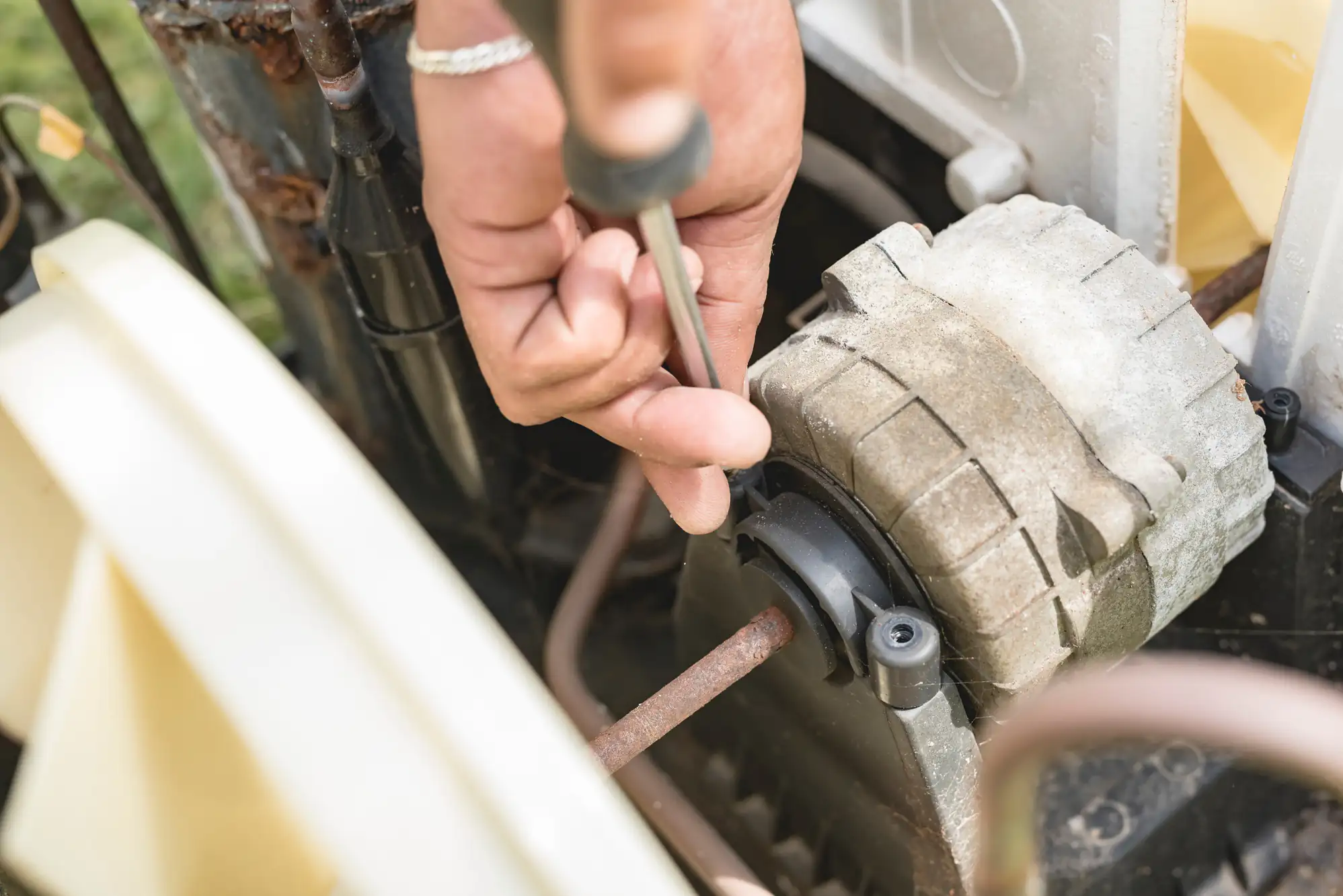
Most air conditioning systems in coastal areas like Long Beach last between 10 and 15 years if they’re maintained properly. That’s shorter than the 15 to 20 years you’d get inland, and the reason is salt air.
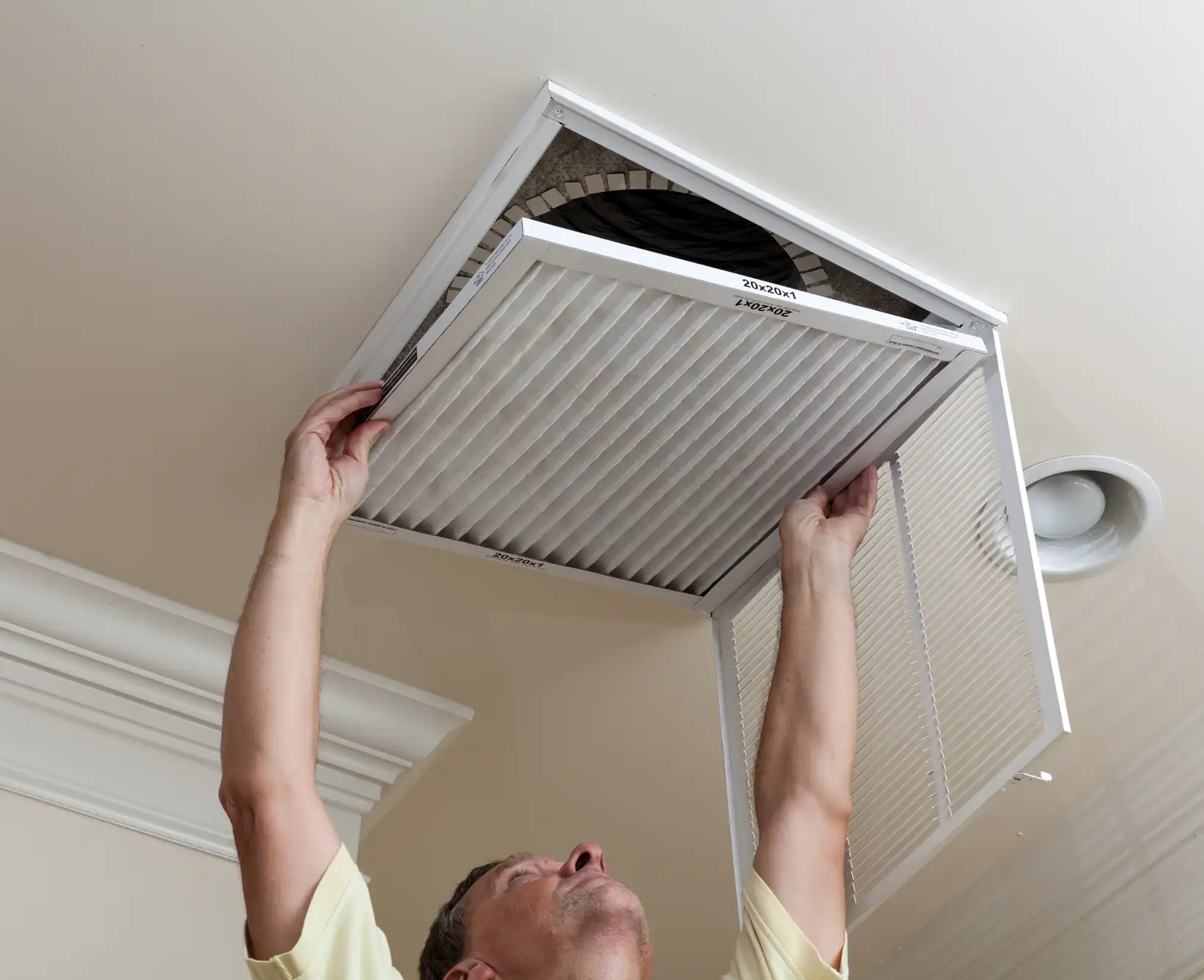
Salt causes corrosion on condenser coils, cabinet panels, and electrical connections. It also mixes with humidity and debris to clog coils, which forces your system to work harder and wear out faster. If you’re not rinsing the outdoor unit periodically and having it professionally maintained at least once a year, you’ll see problems sooner.
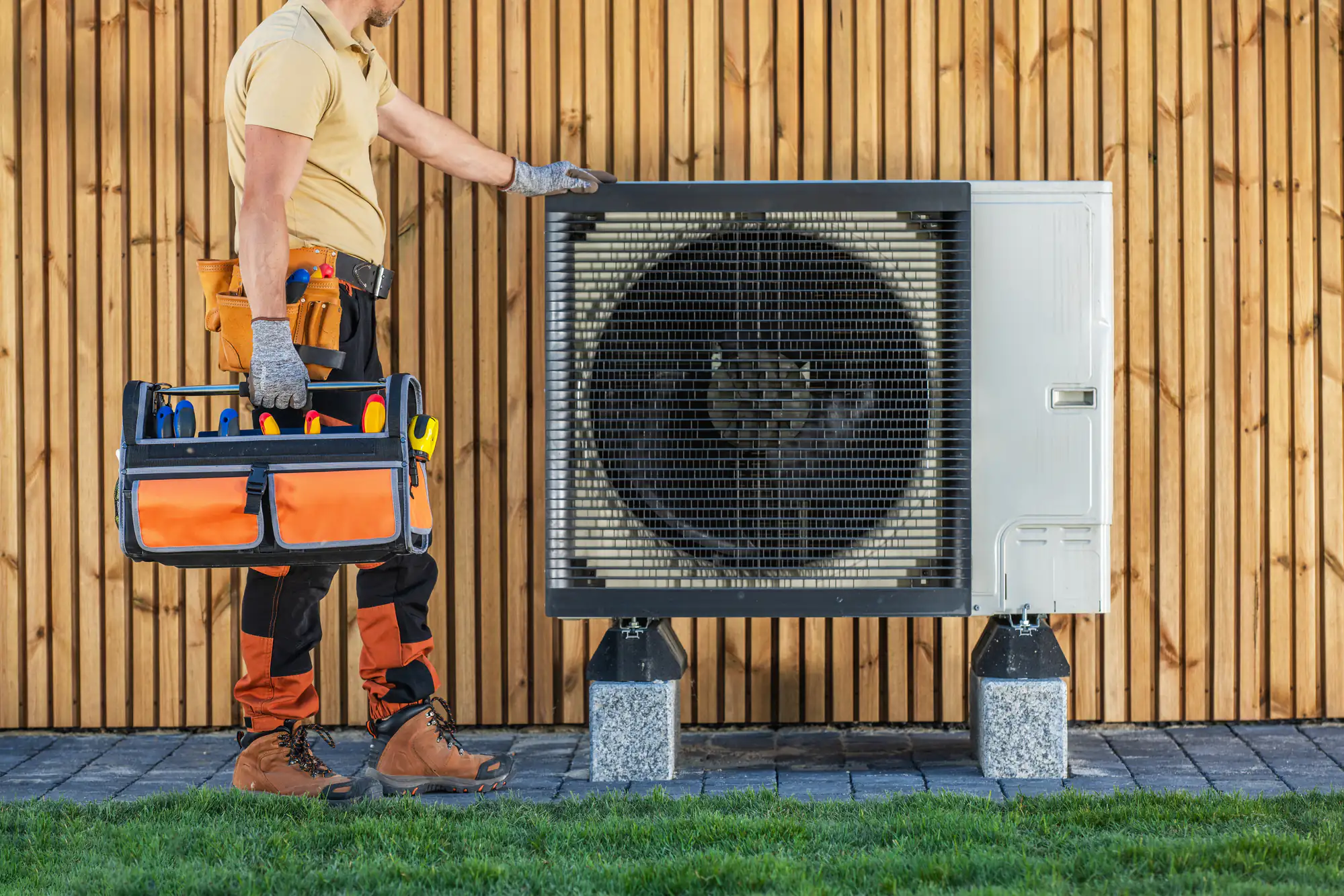
The good news is that regular maintenance and choosing equipment with corrosion-resistant coatings can extend your system’s life significantly. We also recommend installing your outdoor unit in a spot with good drainage and airflow, away from direct salt spray if possible. If your AC is over 12 years old and you’re starting to see frequent repairs or rising energy bills, it’s worth having us assess whether it makes more sense to replace it now or keep repairing it.
A repair fixes a specific failed component like a capacitor, contactor, or blower motor. Repairs make sense when your system is relatively new, the problem is isolated, and the cost is reasonable compared to the system’s remaining lifespan.
A full replacement means removing your old furnace, air conditioner, or heat pump and installing a new system. This makes sense when your equipment is over 10 years old, repairs are becoming frequent or expensive, your energy bills keep climbing, or the system uses outdated refrigerant like R-22 that’s no longer being produced.
Here’s a simple way to think about it: if the repair costs more than half of what a new system would cost, and your equipment is already past the halfway point of its expected lifespan, replacement is usually the smarter financial move. You also get the benefit of newer technology, better energy efficiency, improved indoor air quality features, and a warranty that covers parts and labor. We’ll give you the numbers for both options so you can make an informed decision based on your budget and how long you plan to stay in the home.
You don’t need one, but it’s the difference between catching a $200 problem and dealing with a $2,000 emergency. Maintenance plans give you scheduled tune-ups, priority service, and regular inspections that find issues before they cause a breakdown.
In Long Beach, where salt air accelerates wear and tear, maintenance is even more important. We clean coils that get clogged faster here than they would inland. We check for corrosion on electrical connections and refrigerant lines. We test airflow, measure refrigerant levels, inspect ductwork for leaks, and make sure your system is running as efficiently as possible.
Most emergency HVAC calls we get could have been prevented with basic maintenance. A dirty filter restricts airflow and causes the system to overheat. A small refrigerant leak gets worse over time and eventually kills the compressor. A failing capacitor that could’ve been replaced during a tune-up leaves you without AC during a heatwave. Maintenance plans also tend to pay for themselves in energy savings because a well-maintained system uses less electricity or gas to keep your home comfortable.
First, check your thermostat to make sure it’s set to heat and the temperature is set higher than the current room temperature. It sounds basic, but it’s worth confirming before you call anyone.
Next, check your circuit breaker to see if the furnace tripped a breaker or blew a fuse. If it did, reset it once. If it trips again immediately, don’t keep resetting it—that’s a sign of an electrical problem that needs professional attention.
If the thermostat and breaker are fine, check your furnace filter. A clogged filter can cause the system to overheat and shut down as a safety measure. If the filter is dirty, replace it and see if the furnace restarts. If none of that works, or if you smell gas, hear strange noises, or see error codes on your furnace display, call us. We offer 24/7 emergency consulting and can usually get someone out the same day to diagnose the problem and get your heat back on. Don’t try to force the furnace to run or ignore warning signs—furnaces involve gas lines, electrical components, and combustion, so safety comes first.
Yes, heat pumps work well in Long Beach because our winters are relatively mild compared to areas farther north. A heat pump provides both heating and cooling in one system, and it’s significantly more energy-efficient than a traditional furnace and air conditioner setup.
Heat pumps move heat instead of generating it, which uses less energy. In the summer, they work exactly like an air conditioner. In the winter, they extract heat from the outdoor air and move it inside. They’re effective down to about 25 to 30 degrees, and since Long Beach rarely sees extended periods below that, a heat pump can handle your heating needs most of the year.
The main advantage is lower operating costs and reduced carbon footprint. Heat pumps have also outsold gas furnaces nationally for the past few years, and there are often rebates or incentives available for installing them. The downside is higher upfront cost compared to a standard AC and furnace, but the energy savings usually make up for it within a few years. If you’re replacing an old system or building new, a heat pump is worth considering. We can run the numbers and show you what the payback period looks like based on your home’s size and your current energy costs.
If your energy bill suddenly jumps without a corresponding change in your usage or the weather, your HVAC system is usually the culprit. Heating and cooling account for nearly half of a typical home’s energy use, so even a small drop in efficiency shows up fast.
Common causes include a refrigerant leak that forces your AC to run longer to reach the set temperature, a clogged air filter that restricts airflow and makes the system work harder, ductwork leaks that waste conditioned air, or a failing component like a compressor or blower motor that’s drawing more power than it should. In coastal areas like Long Beach, dirty coils caused by salt and debris buildup are a frequent issue that kills efficiency.
The easiest first step is to replace your air filter and see if that helps. If your bill is still high, call us for a system inspection. We’ll measure airflow, check refrigerant levels, inspect your ductwork, and test the system’s overall performance. We can also compare your current energy usage to what it should be based on your equipment’s rated efficiency. If your system is old or struggling, we’ll tell you whether a repair will fix it or if you’re better off replacing it with a newer, more efficient model that’ll actually lower your monthly costs.