
Hear from Our Customers
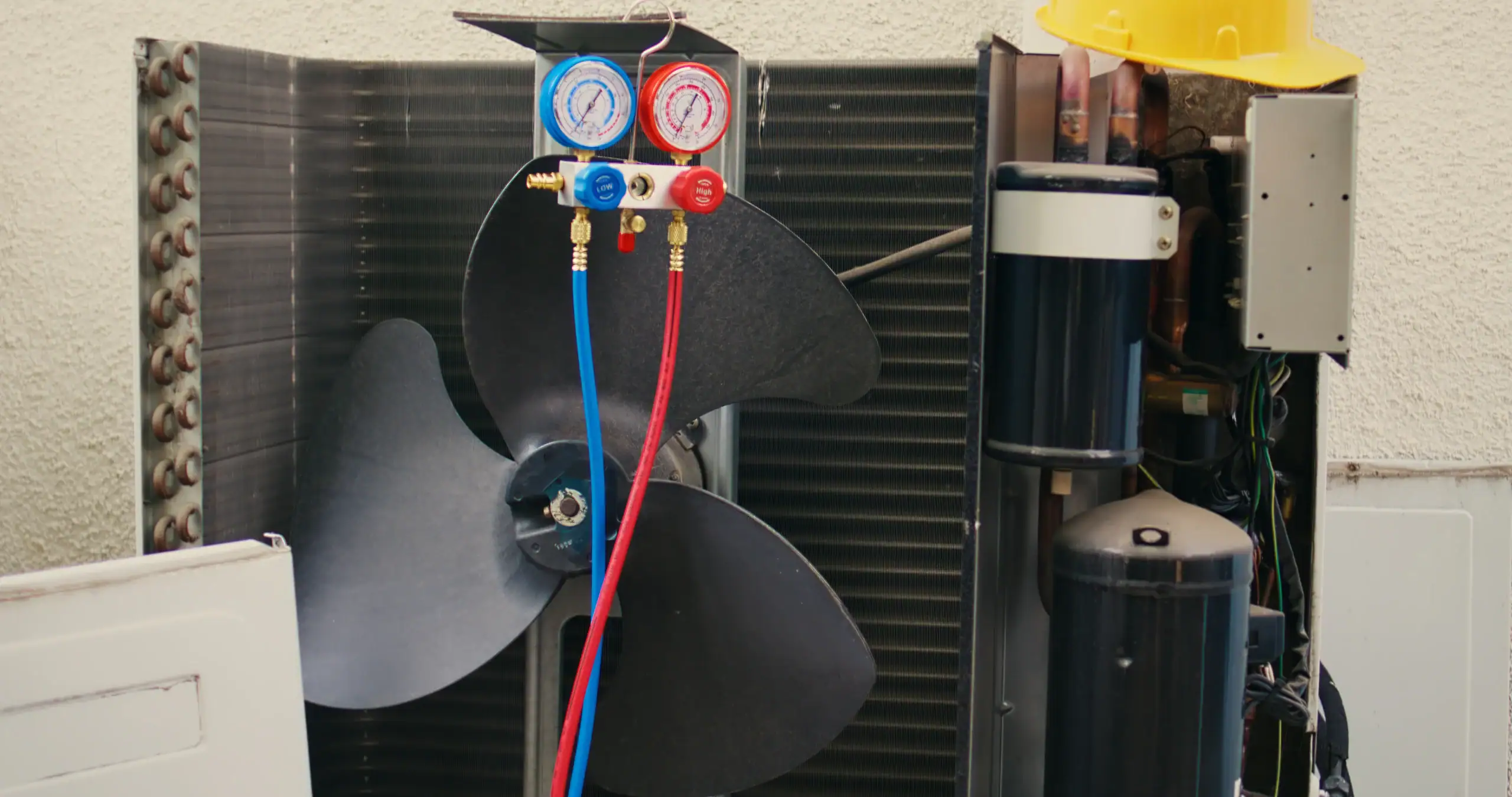
You’re not looking for someone to guess at the problem or tell you to replace the whole system when a seal or filter would fix it. You need a technician who knows the difference between a bad door gasket and a failing compressor, and who can tell you straight which one it actually is.
Marine refrigeration systems fail differently than the fridge in your kitchen. Saltwater corrodes components faster. Space constraints mean parts are harder to access. Power limitations mean efficiency matters more. When your boat’s cooling system stops working, you need someone who’s seen hundreds of these issues and knows exactly what’s causing yours.
That’s what you get here. Proper diagnosis. Honest answers about whether it’s worth repairing or replacing. Technicians who show up when they say they will, communicate clearly about what they’re doing, and get your system running right—not just running.
We bring over 40 years of specialized experience to every marine refrigeration and boat HVAC project in Massapequa Park and across Long Island. We serve boat owners throughout Nassau and Suffolk Counties, from the South Shore marinas near John J. Burns Park to vessels docked in Amityville, Babylon, and Point Lookout.
What sets us apart is our dual expertise in both commercial refrigeration and marine systems. We handle everything from complex beer systems for restaurants to custom cooling solutions for yachts—the kind of work that requires real depth of knowledge, not just basic HVAC training. Our technicians understand how saltwater environments accelerate corrosion, how to work within tight engine room spaces, and why marine systems need different approaches than residential units.
Massapequa Park’s boating community knows that summer heat and humidity make reliable AC critical, and that a failed refrigeration system can ruin a weekend on the water. That’s why we offer 24/7 consulting, free estimates, and the kind of responsive service that boat owners actually need when problems happen.
First, you’ll talk to someone who can actually answer technical questions, not a call center. If it’s an emergency, we can walk you through immediate troubleshooting steps while we’re heading to your location. For scheduled service, we’ll ask the right questions upfront to bring the correct tools and common replacement parts.
When our technician arrives at your marina or dock, we start with proper diagnosis. That means checking water flow through your seawater pump and strainer, inspecting air filters (the number one cause of marine AC problems), examining door seals for your refrigeration, testing refrigerant levels, and looking at condenser coils for saltwater buildup. We’re not guessing. We’re systematically eliminating possibilities until we find the actual problem.
Then you get a straight answer. If it’s a simple fix like replacing a clogged filter or adjusting a door catch, we’ll tell you that. If you’ve got a refrigerant leak in an older system where corrosion is the real issue, we’ll explain why patching it probably won’t last and what your better options are. You make the decision based on honest information, not pressure.
The repair itself happens right there when possible. We stock common parts for major marine brands, which means about 70% of issues get resolved on the spot. For anything requiring specialized components, we’ll implement temporary solutions to keep you running while parts are ordered, then return to complete the permanent fix.
Ready to get started?
Marine refrigeration and boat HVAC systems need different care than residential units because they operate in harsher conditions. Long Island’s saltwater environment means components corrode faster. Summer humidity causes excessive frost buildup. The constant vibration from engines and waves loosens connections over time.
Professional service includes cleaning condenser coils that get caked with salt deposits, checking refrigerant levels and looking for leaks, inspecting and replacing door seals that let warm air infiltrate your fridge, testing circulation pumps that move seawater through your AC system, and examining strainers for debris that blocks water flow. For boat air conditioning specifically, we check air filters at multiple points (most systems have at least two), verify proper airflow through all vents, test thermostats and control boards, and inspect condensate drains that remove humidity.
Massapequa Park boat owners typically need service twice a year—once before boating season starts in spring, and once mid-season if the boat sees heavy use. Pre-season checks catch problems before they strand you on a hot July weekend. Mid-season service addresses the wear and tear from constant operation during Long Island’s humid summers.
Emergency service works differently. When your marine refrigeration dies on Saturday morning with a boat full of food, or your boat AC quits during a heat wave, response time matters more than scheduled maintenance. That’s why we offer 24/7 availability and keep our emergency trucks stocked with the most common failure parts—compressors, thermostats, door seals, and fan motors. The goal isn’t just to fix the problem eventually; it’s to get you back on the water with minimal disruption.
If your marine refrigerator is running constantly but not maintaining temperature, start with the simple stuff first. Check your door seals by closing the door on a dollar bill—if you can pull it out easily, the seal isn’t tight enough and warm air is getting in. Look at whether you’ve overloaded the fridge with warm items, which forces the system to work overtime. These are quick checks that can save you a service call.
The decision between repair and replacement usually comes down to what’s actually broken and how old your system is. A bad thermostat, clogged filter, or failing door seal? Those are straightforward repairs that make sense financially. But if you’ve got low refrigerant levels, that typically means a leak somewhere in the system. In older marine refrigeration units, leaks are often symptoms of broader corrosion issues—fixing one leak doesn’t stop others from developing. Refrigerant is expensive, and chasing leaks in a corroded system usually costs more than replacement in the long run.
Age matters too. If your system is over 10 years old and having major component failures like compressor problems or multiple refrigerant leaks, replacement often makes more sense than sinking money into repairs. Modern marine refrigeration units are significantly more energy-efficient, which saves on your boat’s power consumption over time. We can give you honest numbers on repair costs versus replacement costs so you can make an informed decision based on your specific situation.
Most marine AC systems have a safety switch that shuts down the compressor when water flow drops too low, and this is the most common cause of short cycling. If your unit runs for a few minutes then quits, water flow is the first thing to check. Start by looking at your raw water strainer—if it’s clogged with debris, seaweed, or marine growth, water can’t flow properly through your system. Clean the strainer basket thoroughly and see if that solves the problem.
If the strainer is clean but you’re still getting shutdowns, check whether your seawater pump is actually pumping. When you turn on the boat AC, you should see a steady, strong flow of water coming out the discharge port. Weak flow or no flow means the pump might be airlocked, have a damaged impeller, or be failing mechanically. Sometimes the intake through-hull gets blocked by marine growth, especially if your boat sits in the water for extended periods during Long Island’s warm months. This is particularly common in Massapequa Park and surrounding South Shore areas where water temperatures promote biological growth.
Electrical issues can also cause short cycling. A tripped circuit breaker, corroded electrical connections (extremely common in saltwater environments), or a faulty thermostat can all make your marine HVAC system turn on and off erratically. Dirty air filters are another major culprit—if airflow is restricted, the evaporator coils can freeze up, triggering a safety shutdown. Check all your air filters, including the one on the unit itself that many boat owners forget about. Most boat air conditioning systems have at least two filters, and both need regular cleaning. If you’ve ruled out these common causes and the problem persists, you’re likely looking at a more complex issue with the compressor, control board, or refrigerant levels that needs professional diagnosis.
Plan on professional service at least twice a year if you’re actively using your boat during the season. The most important service happens in spring before boating season kicks off—that’s when you want us checking refrigerant levels, cleaning condenser coils, testing all safety switches, and making sure nothing corroded or failed during winter storage. Catching problems in April beats dealing with a dead system in July when every marine tech on Long Island is booked solid.
The second service typically happens mid-season, around July or August, especially if you’re running your boat refrigeration and HVAC systems heavily. Long Island’s summer humidity is brutal on marine refrigeration—it causes excessive frost buildup, works your compressor harder, and accelerates wear on door seals and gaskets. A mid-season check cleans out accumulated salt deposits, verifies your system is still operating efficiently, and addresses any minor issues before they become major failures during peak boating season.
Between professional services, you should be doing basic maintenance yourself. Check and clean air filters monthly during active use. Inspect door seals for gaps or damage. Keep an eye on condenser coils and clean them if you see salt buildup. Monitor how long your compressor runs—if it’s cycling constantly or running nonstop, something’s wrong. Watch your condensate drain to make sure it’s not clogged. These simple checks take minutes but can prevent expensive emergency repairs.
If your boat stays in the water year-round at a Massapequa Park marina or you live aboard, you might need quarterly service instead of twice annually. The constant exposure to saltwater and continuous system operation means more frequent wear. And if you’re only a weekend boater with light use, you might get by with annual service—but still do that pre-season check every spring without fail.
Marine refrigeration operates in a completely different environment than your kitchen fridge, and that changes everything about how it’s designed, installed, and serviced. Saltwater is the biggest factor—it corrodes components faster than any other environment. Copper fittings, electrical connections, and metal housings all deteriorate more quickly when exposed to salt air and humidity. A regular refrigeration tech might not recognize corrosion patterns or know which components are most vulnerable in marine applications. They also won’t understand the specialized parts and refrigerants used in boat refrigeration systems.
Power constraints are another major difference. Your home fridge has unlimited electricity available from the grid. On a boat, every amp hour counts, especially if you’re running on batteries or a generator. Marine refrigeration systems are engineered for high efficiency with minimal power consumption, using larger evaporators and condensers to absorb and reject heat more quickly. The compressors, refrigerants, and control systems are all different from residential units. A technician who doesn’t understand marine power systems might make recommendations that drain your batteries or overload your electrical system.
Space limitations matter too. Marine refrigeration gets installed in tight engine rooms or cramped galley spaces where access is difficult. Components are often custom-fitted to unusual spaces. Ductwork runs through interior walls and ceilings in ways that wouldn’t make sense in a house. Servicing these systems requires experience working in confined spaces and understanding how to access components without tearing apart half the boat’s interior.
Then there’s the diagnostic complexity. Marine refrigeration problems can stem from issues that don’t exist in residential systems—seawater pump failures, clogged raw water strainers, through-hull blockages, or problems with water-cooled condensers. A regular HVAC tech might not even know what a raw water strainer is, much less how to troubleshoot water flow issues through your cooling system. That’s why you need a marine refrigeration specialist, not just someone who works on home appliances.
Yes, and that’s actually how most marine refrigeration service happens in Massapequa Park and throughout Long Island. Boat owners don’t want to haul their vessel out or bring it to a shop when the refrigeration fails—they need service where the boat is docked. Mobile marine service is standard for this type of work, and it’s often more convenient and faster than shop-based repairs.
We bring tools, diagnostic equipment, and common replacement parts directly to your marina. For straightforward repairs like replacing a failed thermostat, cleaning condenser coils, fixing door seals, or swapping out a bad circulation pump, everything gets done right there at your slip. Our truck is essentially a mobile workshop stocked with the parts that fail most frequently on marine systems—door gaskets, filters, thermostats, fan motors, and basic electrical components.
Some repairs do require more extensive work. If you need a complete compressor replacement, major refrigerant system work, or installation of a new boat AC unit, we’ll assess whether it can be done at the dock or if the boat needs to come to a shop. Factors include how much disassembly is required, whether specialized equipment is needed, and how accessible the components are. But even complex installations often happen at the marina if there’s adequate space and power available for the work.
The advantage of dock-side service is convenience and speed. When your marine refrigeration fails on a Friday before a weekend trip, you don’t have time to arrange transport to a shop. We can be at your marina the same day, diagnose the problem, and in many cases have you back in operation within hours. For Massapequa Park boat owners, that means service at John J. Burns Park, nearby marinas in Amityville and Babylon, or wherever your boat is berthed along the South Shore. You stay on schedule, and your boat stays where it belongs.
Door seal failure tops the list of marine refrigeration problems. Saltwater and humidity deteriorate rubber gaskets faster than in any other environment. When seals don’t close properly, warm humid air infiltrates your refrigerator constantly. The compressor runs almost nonstop trying to remove all that heat, frost builds up excessively on the evaporator, and temperature control becomes impossible. The dollar bill test works here—close your fridge door on a dollar bill and try to pull it out. If it slides easily, your seal is compromised and needs adjustment or replacement. This is one of the most common issues we see in Massapequa Park and across Long Island’s marine environments.
Saltwater corrosion affects every metal component in your system over time. Condenser coils get caked with salt deposits that block heat transfer. Electrical connections corrode, causing intermittent power issues or complete failures. Through-hull fittings and seawater pumps corrode internally, restricting water flow. Compressor housings and refrigerant lines can develop pinhole leaks from long-term salt exposure. This is why marine refrigeration systems generally have shorter lifespans than residential units—the environment is just that much harsher.
Dirty condenser coils are extremely common in Long Island’s marine environment. Salt spray and humidity create a sticky film that attracts dirt and debris. As coils get clogged, the system can’t reject heat efficiently. Your compressor works harder, runs longer, consumes more power, and still can’t maintain proper temperature. Regular cleaning prevents this, but many boat owners don’t realize their condenser coils need attention until the system is already struggling.
Refrigerant leaks become more likely as systems age in saltwater conditions. Vibration from engines and waves, combined with corrosion, creates stress points where leaks develop. Low refrigerant means poor cooling performance, but here’s the critical part—if your boat HVAC system is leaking, simply recharging the refrigerant is usually a temporary fix. The leak will continue, and in older systems, fixing one leak doesn’t prevent others from developing elsewhere in corroded lines. This is often the point where replacement makes more financial sense than ongoing repairs to your boat air conditioning system.