Hear from Our Customers
Your furnace quits at 11 PM in January. Your AC dies during the first heat wave. Your energy bills keep climbing and nobody can tell you why.
These aren’t hypothetical situations in Massapequa Park. They’re Tuesday.
Long Island’s temperature swings put serious stress on residential HVAC systems. Winter lows that crack into the teens. Summer stretches where your AC runs 12 hours straight. That’s not easy on equipment, especially when your system’s pushing past 10 years old.
When something breaks, you need someone who answers the phone and shows up. When your system’s struggling, you need someone who can tell you whether it’s a $400 repair or a $6,000 replacement. And when you’re comparing quotes, you need to know what you’re actually paying for.
We handle air conditioning repair, furnace installation, heating system maintenance, HVAC replacement, and indoor air quality improvements. The work gets done right because we’ve been doing it since before you had to Google “furnace not working” at 2 AM.
We started in commercial refrigeration and marine HVAC. Walk-in coolers for restaurants. Climate control for yachts. Systems where failure isn’t an option and the work has to be precise.
That background matters when we’re diagnosing your residential system. We’re not guessing. We’re not throwing parts at the problem until something works.
Massapequa Park homeowners deal with specific challenges. Salt air from the coast. Humidity that makes your AC work overtime. Older homes with ductwork that wasn’t designed for modern efficiency standards. We’ve worked in this area long enough to know what breaks, what lasts, and what’s worth the investment.
You call or submit a request. We ask a few questions to understand what’s happening. If it’s an emergency, we respond immediately. If it’s scheduled work, we set a time that works for you.
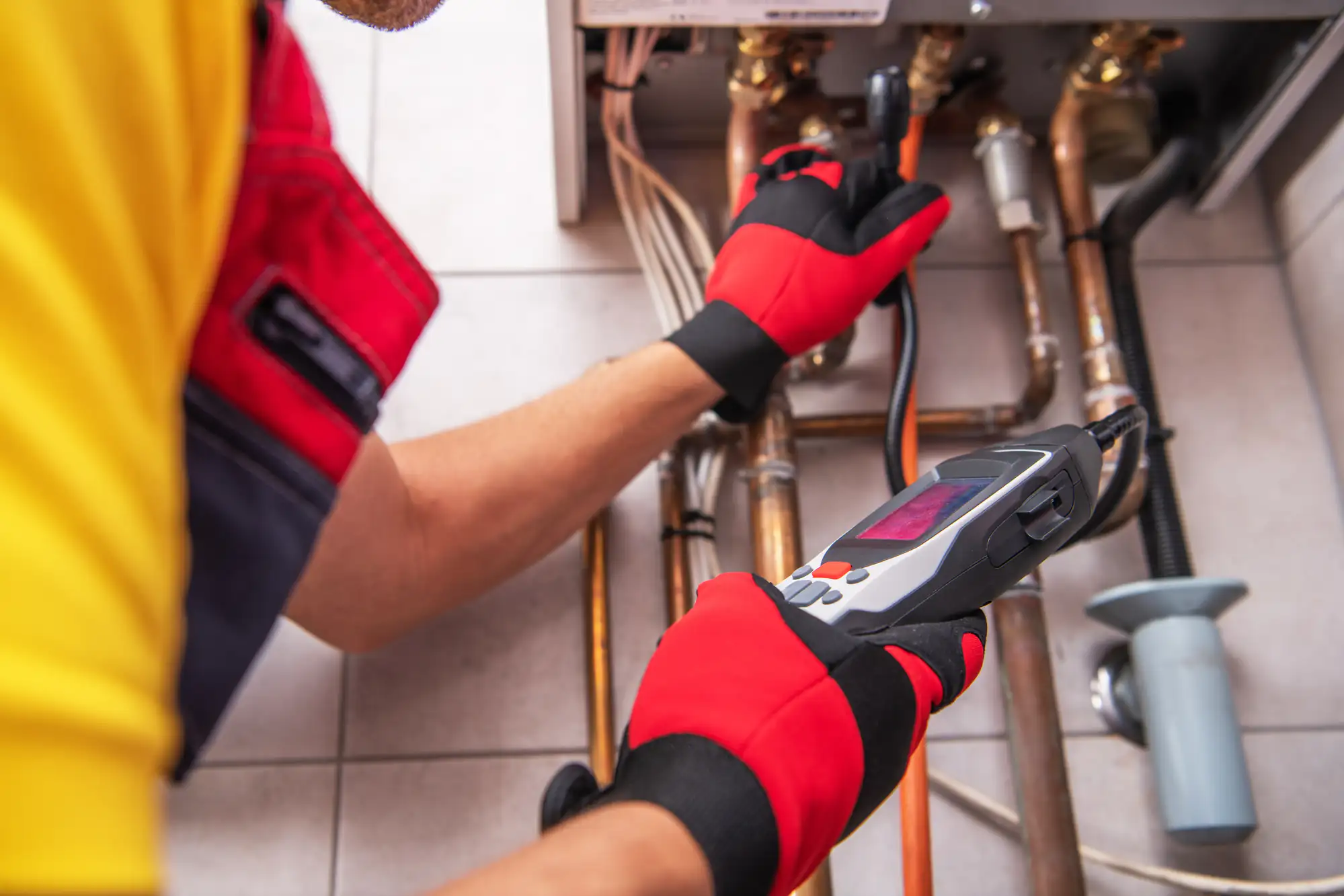
We show up and assess the situation. That means actually looking at your system, not just selling you the most expensive option. If your 12-year-old furnace needs a $300 part and has another three winters in it, we’ll tell you. If it’s on its last legs and you’re better off replacing it now, we’ll tell you that too.
You get a clear explanation of what’s wrong, what it costs to fix, and how long it’ll take. No jargon. No upselling. Just the information you need to make a decision.
Once you approve the work, we handle it. Installation, repair, maintenance—whatever the job requires. We test everything before we leave. You get documentation of what was done and recommendations for keeping your system running.
If something goes wrong after we leave, you call us back. We’re available 24/7 because HVAC emergencies don’t wait for business hours.
Ready to get started?
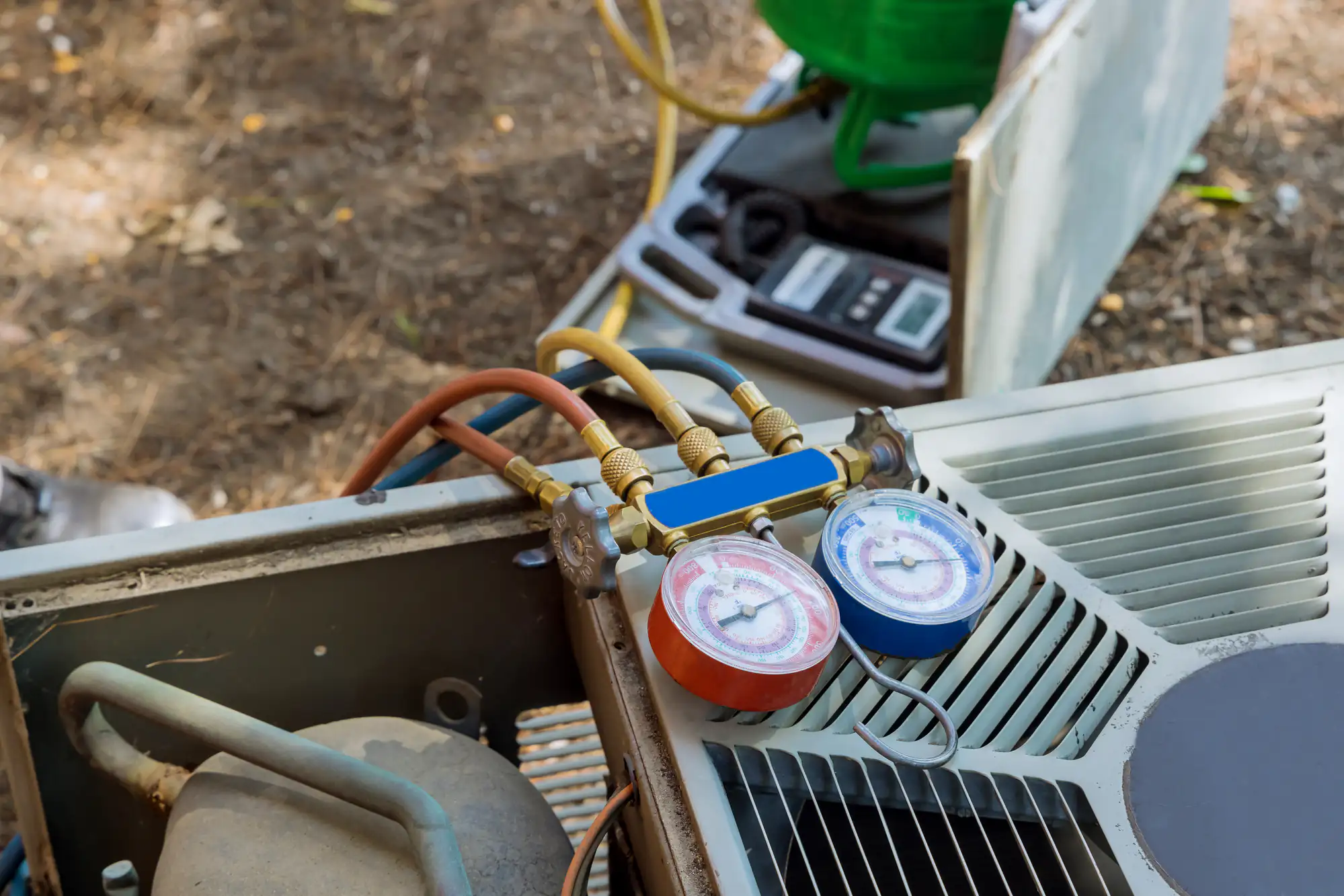
Air conditioning repair covers everything from refrigerant leaks to compressor failures. If your AC isn’t cooling, isn’t turning on, or is making sounds it shouldn’t, we diagnose the problem and fix it. Most repairs in 2026 run between $415 and $1,200 depending on what failed.
Furnace installation means removing your old system, installing the new one, and making sure it’s sized correctly for your home. Massapequa Park homes vary widely in age and layout. A 1,200-square-foot ranch needs different equipment than a 2,800-square-foot colonial. We calculate heat load properly so you’re not paying to heat the neighborhood.
Heating system maintenance catches problems before they become emergencies. We inspect your furnace before winter, clean components, test safety controls, and check for carbon monoxide risks. Maintenance visits typically run $150-$200 and can prevent a $1,500 emergency repair in February.
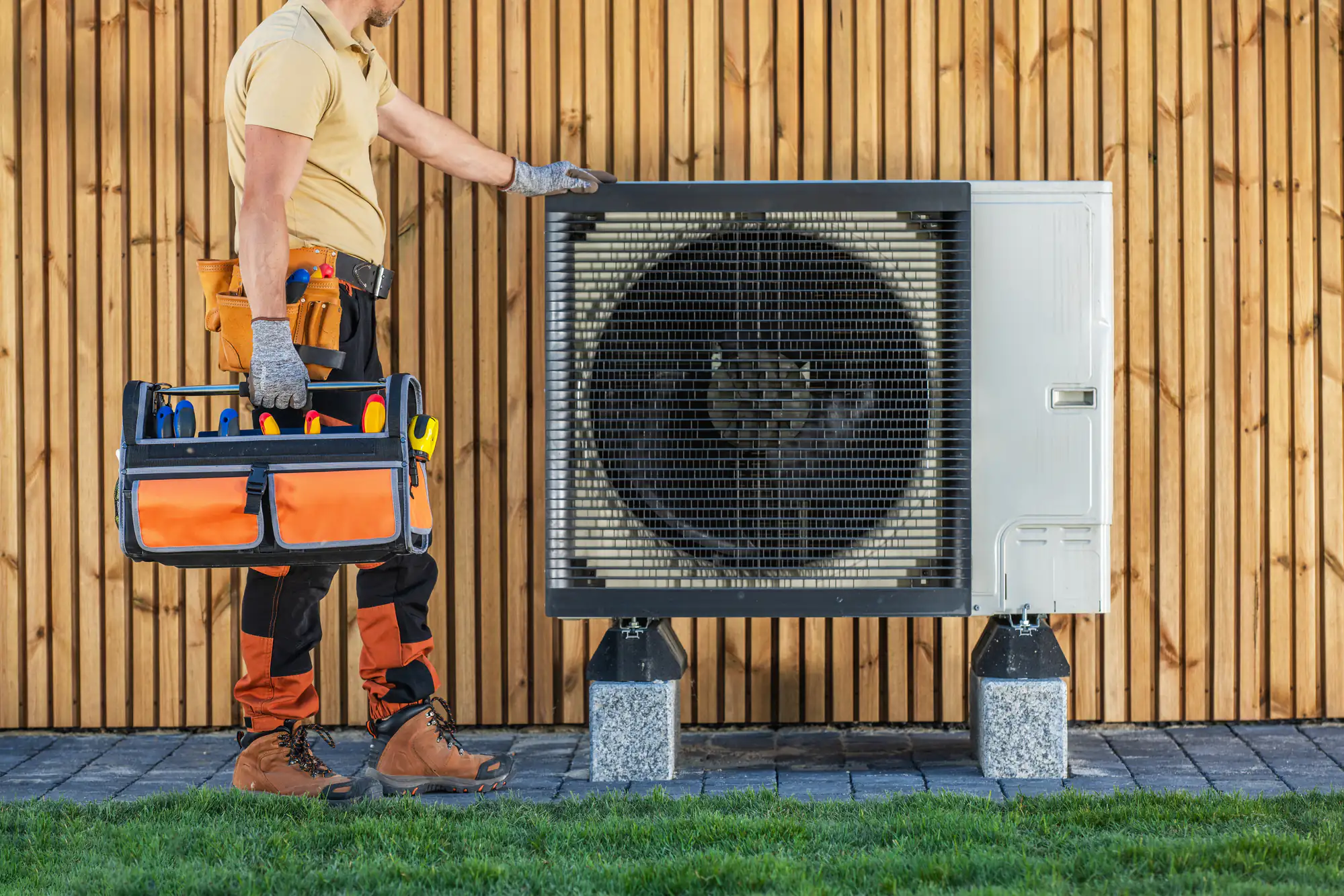
HVAC replacement becomes necessary when your system is over 15 years old, needs frequent repairs, or is costing you $300+ per month in summer cooling bills. New systems are significantly more efficient. A modern heat pump can cut your heating electricity use by up to 75% compared to older equipment.
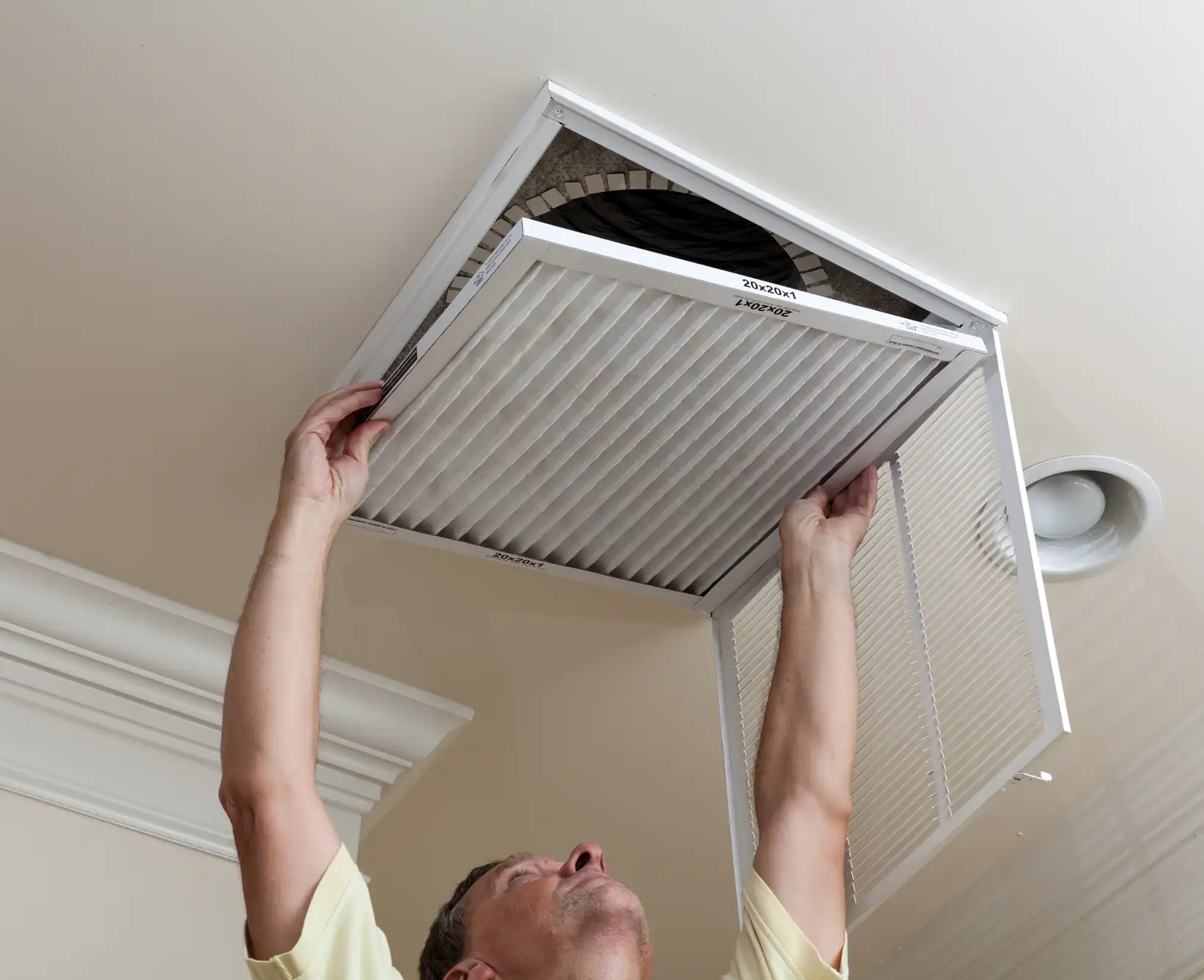
Indoor air quality improvements address mold, dust, and allergens. We install proper ventilation, upgrade filtration, and fix humidity problems that lead to condensation and mold growth. This matters in Long Island homes where coastal humidity creates ongoing air quality challenges.
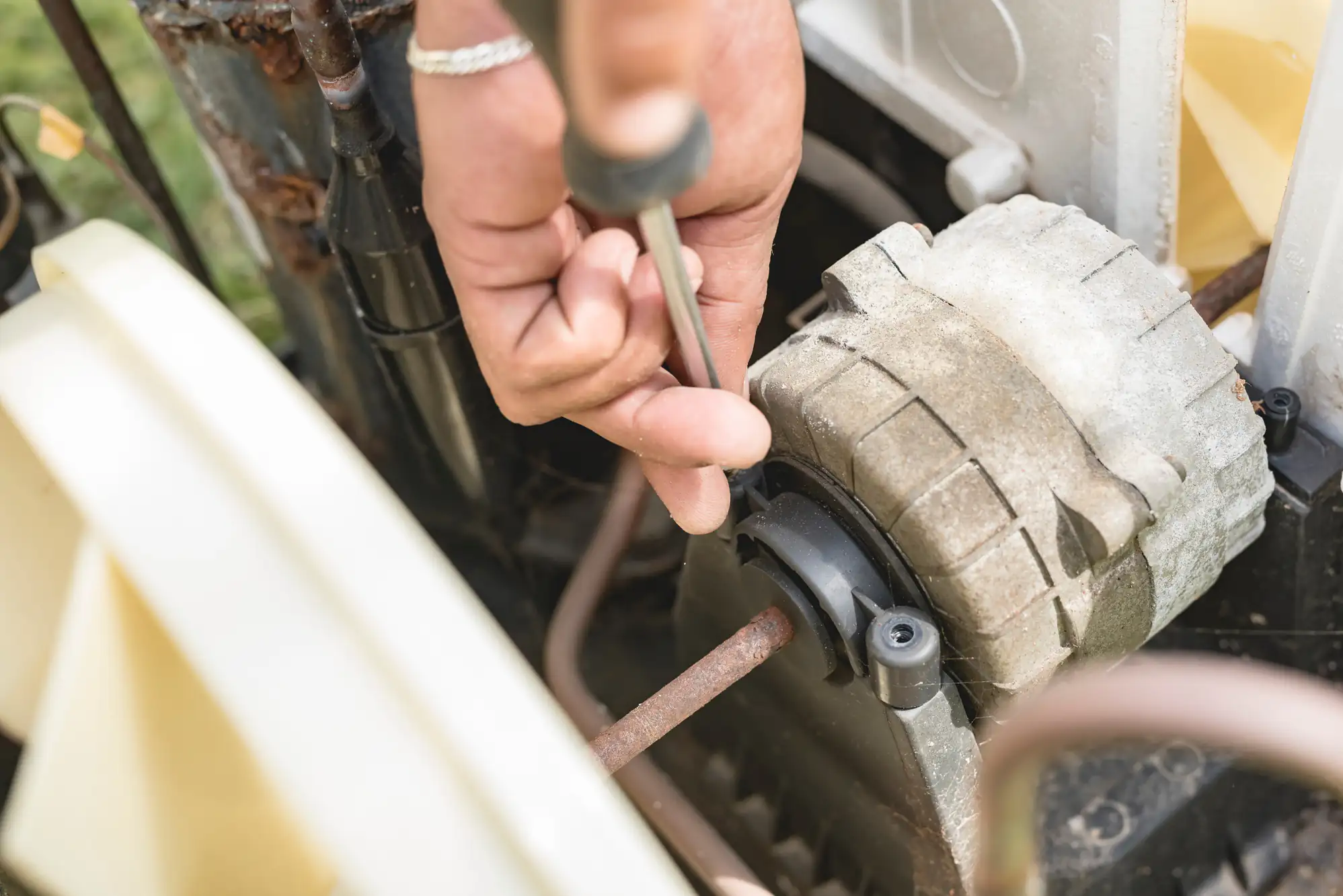
If your system is under 10 years old and the repair costs less than half the price of replacement, repair usually makes sense. If it’s over 15 years old and needs a major component like a compressor or heat exchanger, replacement is typically the better investment.
Here’s the math that matters. A new residential HVAC system in Massapequa Park runs $5,000 to $12,000 depending on size and efficiency. If your 14-year-old system needs a $2,500 repair, you’re putting significant money into equipment that’s near the end of its lifespan anyway. You’ll likely face another major repair within two years.
Energy costs factor in too. Older systems use substantially more electricity. If your summer cooling bills are $350+ per month, a new high-efficiency system could cut that by 40-45%. That’s $1,500+ in annual savings that offsets the replacement cost over time.
We’ll walk through the actual numbers with you. No pressure, just the information you need to make the right call for your situation and budget.
Most residential HVAC systems in Massapequa Park last 12-15 years with proper maintenance. Some make it to 18-20 years. Very few make it past that without major problems.
Long Island’s climate shortens equipment life compared to milder regions. Your AC runs hard from May through September. Your furnace works overtime from November through March. That’s more operating hours per year than systems in areas with gentler weather.
Salt air from the coast accelerates corrosion on outdoor units. Humidity creates condensation issues that can damage components if not addressed. These are environmental factors you can’t control, but regular maintenance helps maximize the life you do get from your equipment.
If your system is approaching 15 years old, start planning for replacement even if it’s still working. Waiting until it dies completely means you’re making a major purchase decision in an emergency, often during extreme weather when you have the least negotiating power and the fewest options.
The average Massapequa Park home spends $250-$400 per month on air conditioning during July and August. Larger homes with older systems can hit $500+. Newer, efficient systems in well-insulated homes might run $150-$200.
Your actual cost depends on system age, home size, insulation quality, and thermostat settings. A 15-year-old AC running in a poorly insulated 2,000-square-foot home will cost substantially more than a 3-year-old system in a well-sealed 1,500-square-foot home.
Here’s what drives costs up. Setting your thermostat below 72 degrees makes your system work significantly harder. Poor insulation in your attic means you’re cooling air that immediately escapes. Dirty filters restrict airflow and force your system to run longer to reach temperature. Refrigerant leaks reduce cooling capacity so your AC runs constantly without ever getting your home comfortable.
If your summer bills seem high, we can assess your system efficiency and identify where you’re losing money. Sometimes it’s a simple fix like sealing ductwork. Sometimes it’s a sign that your system is failing and costing you hundreds in wasted energy every month.
Call us immediately. We respond to heating emergencies 24/7 because we know you can’t wait until Monday morning when it’s 18 degrees outside.
While you’re waiting, check a few things. Make sure your thermostat is set to heat and the temperature setting is above your current room temperature. Check your circuit breaker to confirm power is reaching the furnace. Look at your furnace filter—if it’s completely clogged, that can cause the system to shut down as a safety measure.
Don’t attempt to repair it yourself. Furnaces involve gas lines, electrical components, and safety controls. Mistakes can create carbon monoxide risks or cause damage that turns a $300 repair into a $2,000 replacement.
When we arrive, we’ll diagnose the problem quickly. Common winter failures include ignition problems, thermostat malfunctions, and blower motor issues. Most can be repaired same-day. If your furnace is beyond repair, we’ll get you temporary heat and work with you on replacement options that fit your budget and timeline.
If your current system is over 12 years old, yes. The efficiency difference is substantial enough that you’ll see real savings on your energy bills.
Modern high-efficiency systems use 30-50% less energy than equipment from 2010-2012. For a typical Massapequa Park home spending $3,000 annually on heating and cooling, that’s $900-$1,500 in savings per year. Over a 15-year system lifespan, that’s $13,500-$22,500 in reduced energy costs.
The upfront cost is higher. A high-efficiency system might cost $2,000-$3,500 more than a standard-efficiency model. But between energy savings and available rebates, most homeowners break even within 3-5 years.
Heat pumps are becoming particularly cost-effective in 2026. They handle both heating and cooling, they’re significantly more efficient than traditional furnaces, and they’re eligible for federal tax credits that can offset 30% of installation costs. For Long Island’s climate, they’re worth serious consideration.
We’ll calculate the actual payback period for your specific home and usage patterns. Sometimes high-efficiency makes perfect sense. Sometimes standard efficiency is the smarter financial choice. It depends on your situation.
Twice per year. Once in spring before cooling season starts, once in fall before heating season begins.
Spring maintenance for your AC includes cleaning coils, checking refrigerant levels, testing electrical connections, and ensuring your condensate drain isn’t clogged. This prevents mid-summer breakdowns when repair companies are slammed and you’re waiting three days for service in 90-degree heat.
Fall maintenance for your furnace includes inspecting the heat exchanger for cracks, testing the ignition system, checking gas pressure, and verifying that safety controls work properly. This catches carbon monoxide risks before they become dangerous and prevents no-heat emergencies during the coldest weeks of winter.
Regular maintenance costs $150-$200 per visit. That’s substantially less than emergency repairs, which start around $400 and go up from there. More importantly, maintained systems last 3-5 years longer than neglected ones. On a $8,000 system, that’s $1,600-$2,600 in extended value.
We’ll send you reminders when it’s time for your seasonal maintenance. You don’t have to remember to call. We track it and reach out when your system is due for service.