Hear from Our Customers
Your marine refrigeration system works when you need it most. No more sweating through Long Island summer nights because your boat AC gave up. No more losing expensive provisions because your refrigerator couldn’t handle the heat and humidity.
You get systems designed specifically for marine environments. Components that resist salt corrosion. Installation that accounts for your boat’s electrical limitations and space constraints. Service from technicians who’ve seen every type of marine cooling challenge that Long Island waters can throw at a system.
When your marine refrigeration works properly, you focus on enjoying time on the water instead of worrying about whether your cabin will be livable when you get back to the dock.
We’ve been solving marine refrigeration challenges in Middle Island and throughout Long Island for over 40 years. We understand the unique demands that coastal environments place on boat cooling systems.
Middle Island’s boating community knows that marine refrigeration isn’t the same as residential AC work. Salt air accelerates corrosion. Constant humidity stresses components. Limited electrical capacity requires careful system design. Space constraints demand creative installation solutions.
We’ve earned our reputation by handling the complex marine refrigeration projects that other companies avoid. From yacht club fleets to individual boat owners, we deliver reliable cooling solutions that work in real marine conditions.
We start with an honest assessment of your boat’s cooling needs and electrical capacity. Every marine refrigeration system faces unique challenges based on your vessel size, layout, and how you use your boat.
Next comes system design that accounts for salt air exposure, proper drainage, and ventilation requirements. We select marine-grade components built to handle constant motion and humidity levels that would destroy standard equipment. Installation includes proper seawater flow systems, electrical connections that meet marine standards, and access panels for future maintenance.
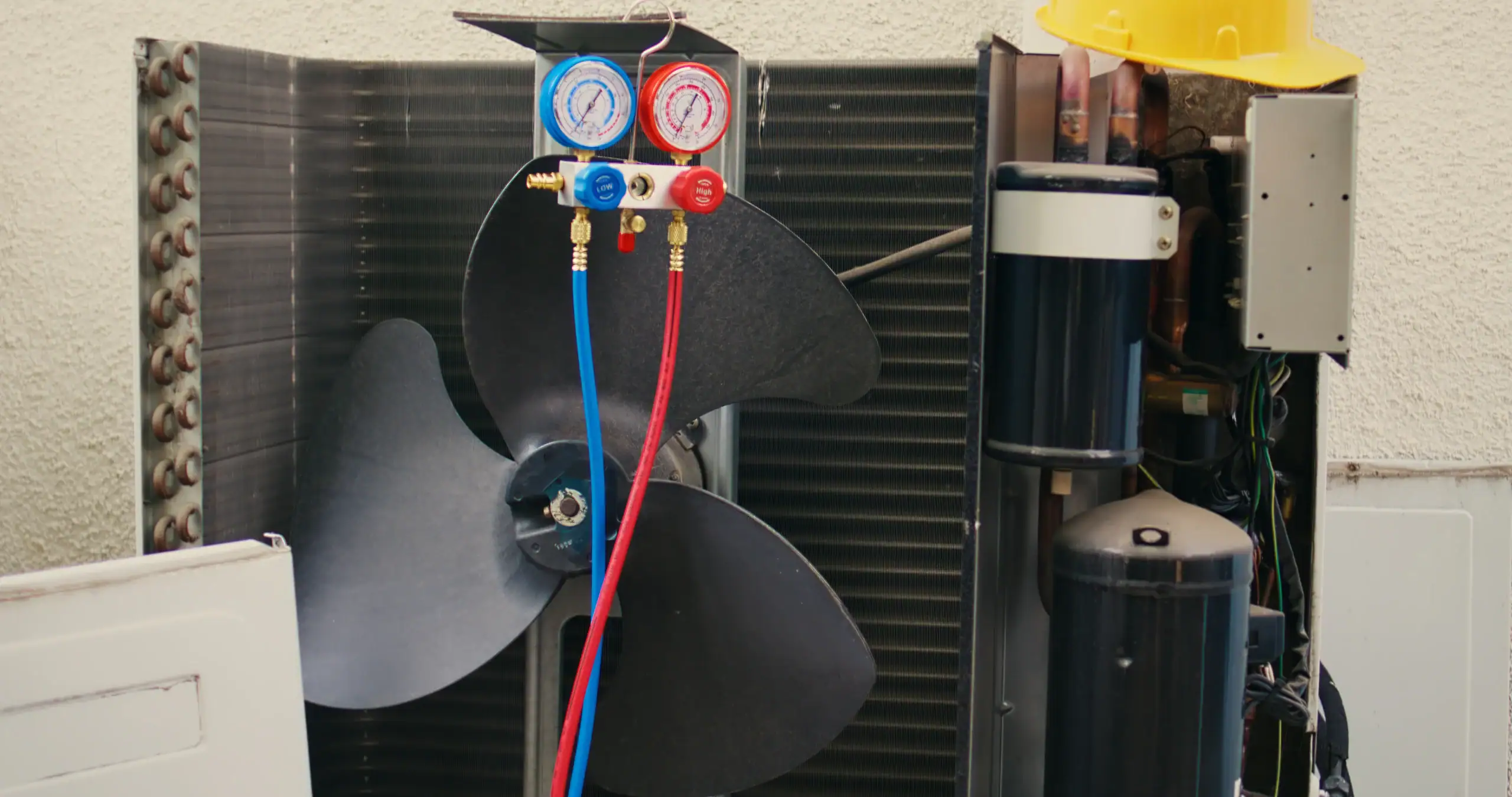
Testing ensures your system cools effectively under real conditions. We verify proper refrigerant levels, check all connections for leaks, and confirm that condensate drainage works properly. You get documentation of all work performed and maintenance recommendations specific to marine environments.
Ready to get started?
Our marine refrigeration services cover everything from emergency repairs during boating season to complete system installations during winter storage. We handle self-contained units, split systems, and chilled water systems for vessels of all sizes.
Middle Island’s coastal location means your marine refrigeration system faces constant challenges from salt spray, humidity, and temperature fluctuations. Our maintenance programs address these specific environmental factors. We clean condenser coils more frequently than inland systems require. We inspect seawater flow systems for restrictions that cause most marine AC failures.
Emergency service during peak boating months ensures you don’t lose expensive provisions or suffer through uncomfortable nights aboard. Our technicians carry marine-specific parts and understand the urgency when cooling systems fail during hot Long Island summers.
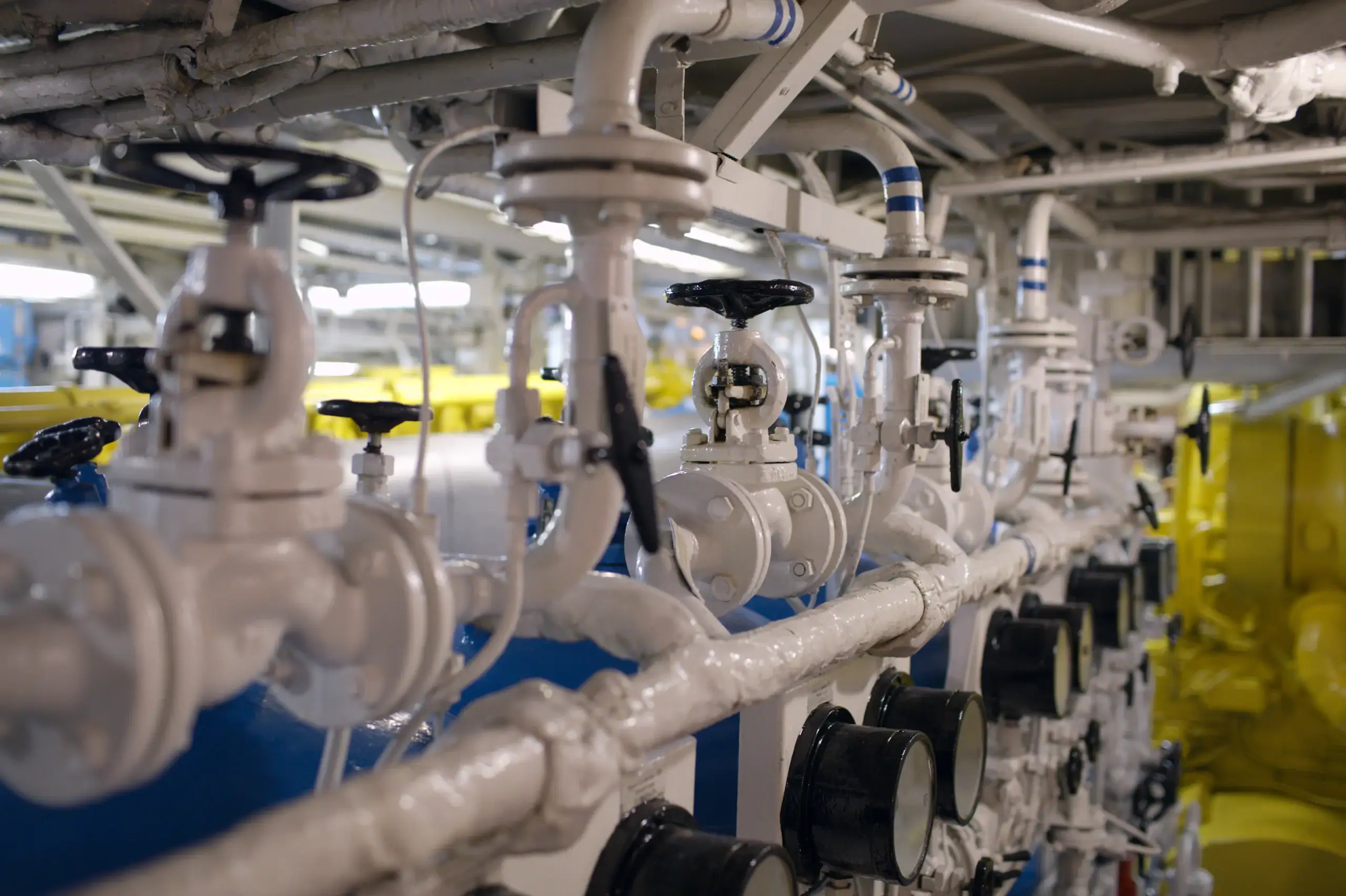
Marine refrigeration systems in Middle Island require more frequent maintenance than inland systems due to constant salt air exposure and humidity. We typically recommend quarterly service calls for high-use systems and bi-annual maintenance for lighter-use equipment.
Salt air accelerates corrosion and creates dirt buildup that reduces cooling efficiency and can cause premature equipment failure. Condenser coil cleaning becomes critical in coastal environments. Seawater flow systems need regular inspection since over 60% of marine AC failures stem from water flow restrictions.
Seasonal boat owners should schedule pre-opening and post-closing service calls. This ensures your marine refrigeration system is ready for busy boating periods and properly maintained during shutdown months when salt air continues affecting components.
Marine refrigeration systems use seawater for cooling instead of air, which creates unique challenges and requirements. Your boat’s AC system pulls water from underneath the hull, circulates it through the condenser to remove heat, then discharges it overboard.
This seawater cooling method is more efficient than air cooling but requires specialized components. Marine-grade materials resist salt corrosion. Proper seawater flow systems need through-hull fittings, strainers, and pumps designed for marine environments. Electrical components must handle the boat’s power limitations and constant motion.
Space constraints on boats require compact, efficient designs that still provide adequate cooling. Marine refrigeration systems also need proper drainage for condensate and ventilation that works in enclosed cabin spaces. Standard residential AC equipment simply can’t handle these marine-specific demands.
Yes, we provide 24/7 emergency marine refrigeration service throughout boating season. We understand that cooling system failures always happen at the worst possible times – during heat waves, when you’re entertaining guests, or when you have expensive provisions aboard.
Our service trucks carry marine-specific parts for major brands because waiting days for components isn’t acceptable when your boat’s refrigeration has failed. Most marine AC repairs can be completed the same day, and emergency situations get priority response.
During peak summer months, we maintain extra technicians specifically for marine refrigeration emergencies. We know that a failed cooling system can ruin a boating trip or cause significant food loss, so we treat these calls with appropriate urgency.
Marine refrigeration sizing depends on your boat’s cabin space, insulation, electrical capacity, and how you use the vessel. A weekend cruiser has different cooling needs than a liveaboard or charter boat that runs systems continuously.
We calculate cooling loads based on cabin square footage, number of occupants, equipment heat loads, and sun exposure. Marine systems also need to account for limited electrical capacity – your boat’s generator or shore power connection determines what size system you can actually operate.
Installation space constraints often influence system selection more than cooling capacity alone. Self-contained units work well for boats up to 40 feet, while larger vessels may need split systems or chilled water systems. We evaluate your specific boat and usage patterns to recommend the most appropriate marine refrigeration solution.
Well-maintained marine refrigeration systems typically last 10-15 years in salt water environments, though this depends heavily on maintenance frequency and system quality. Marine environments are harsh on cooling equipment, but proper care significantly extends system life.
Salt air accelerates corrosion of metal components. Constant humidity stresses electrical connections. Seawater flow systems accumulate marine growth that restricts cooling water flow. Without regular maintenance, these factors can reduce system life to 5-7 years.
Our maintenance programs address these specific marine challenges. Regular condenser coil cleaning prevents efficiency loss. Seawater system flushing removes restrictions. Electrical connection inspection prevents salt corrosion damage. Customers who follow our recommended maintenance schedules routinely get 15+ years from their marine refrigeration systems.
We install marine refrigeration systems on sailboats, powerboats, yachts, and commercial vessels throughout Middle Island and Long Island waters. Each boat type presents unique installation challenges that require specialized knowledge and experience.
Sailboats often have limited electrical capacity and complex interior layouts that require creative installation solutions. Powerboats typically have more electrical capacity but may have space constraints in engine compartments. Yachts may need multiple zones or chilled water systems for larger spaces.
Our 40+ years of marine refrigeration experience includes work on vessels from small cabin cruisers to large yacht club fleets. We understand the specific requirements for different boat types and can recommend the most appropriate cooling solution for your vessel’s size, layout, and electrical capacity.