Hear from Our Customers
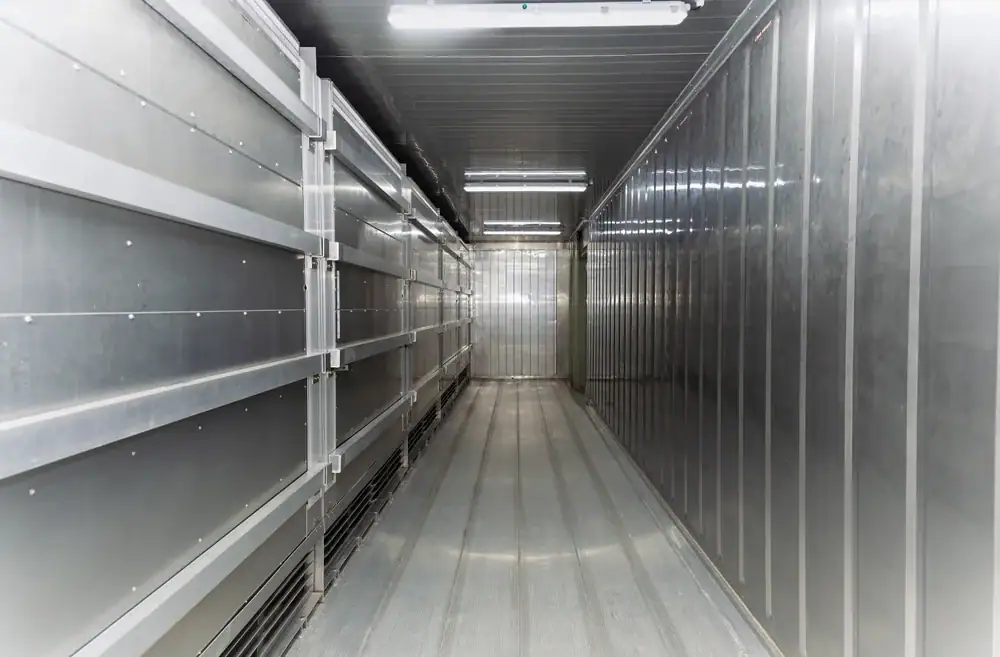
Your refrigeration system isn’t just equipment. It’s what stands between your business and thousands of dollars in spoiled inventory. It’s what keeps the health inspector happy and your customers safe.
Walk-in coolers fail during dinner rush. Freezers go down on the hottest day of summer. Compressors quit when you’re fully stocked for the weekend. That’s not bad luck—that’s when equipment gets pushed hardest.
You need systems that handle Long Island’s summer heat and winter freeze cycles without constant breakdowns. You need a service company that picks up at 2 AM and actually shows up. And when something does go wrong, you need it fixed the same day, not scheduled for next week when your inventory is already ruined.
We’ve been handling commercial refrigeration across Nassau and Suffolk County since before most of your competitors opened their doors. That’s over 40 years of emergency calls, system installations, and equipment that’s still running because it was installed right the first time.
Middle Island restaurants, delis, and catering operations don’t call us because we’re the cheapest option. They call because their walk-in cooler is down and they know we’ll answer, diagnose the problem honestly, and have the parts on our trucks to fix it today.
Every technician on our team is EPA certified for refrigerant handling. We’re factory-authorized to service every major brand. And we don’t use subcontractors—the person who answers your call is the same team that shows up to your location.
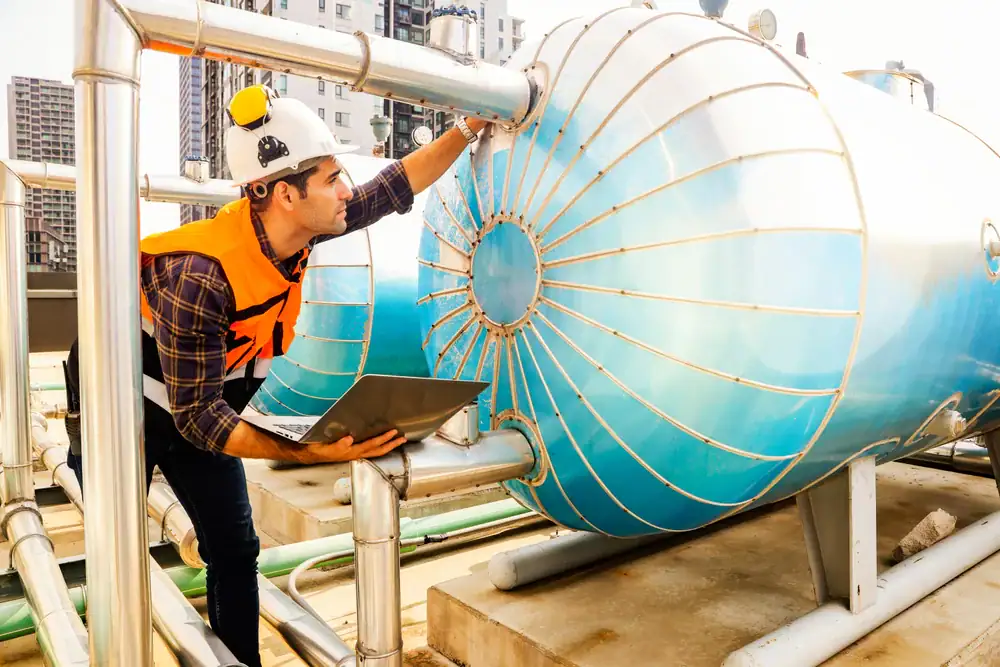
You call our 24/7 line and talk to someone who understands refrigeration, not a call center reading a script. We ask the right questions to understand what’s happening with your system—whether it’s an emergency breakdown or you’re planning a new installation.
For emergency repairs, we typically arrive within 1-2 hours. Our trucks carry parts for every major brand, so most repairs get completed the same day. We diagnose the actual problem, explain what failed and why, then give you a clear estimate before we start work.
For new installations or replacements, we visit your location to assess your space, cooling requirements, and how Long Island’s climate will affect performance. We spec systems designed for your actual needs—not oversized equipment that wastes energy or undersized units that can’t keep up during summer. Then we install it right, test everything, and make sure you understand how to maintain it.
Maintenance customers get priority scheduling and discounted rates. We inspect your systems before problems start, catch small issues before they become expensive failures, and keep detailed service records so we know your equipment’s history.
Ready to get started?
Long Island’s climate is harder on refrigeration than most business owners realize. Summer temperatures push compressors to work overtime. Humidity attacks outdoor components and door seals. Winter cold affects startup performance and creates freeze-thaw cycles that stress equipment.
Your system needs to handle these conditions while running 24/7 through your busiest seasons. That means properly sized compressors that aren’t constantly maxed out. Condenser coils that can breathe despite Long Island’s humid air. Door gaskets that seal tight even when staff is moving fast during dinner rush.
We work on everything from walk-in coolers and freezers to reach-in units, prep tables, ice machines, and custom beer systems. We handle restaurants dealing with constant door traffic, delis with limited space for equipment, and catering operations that need backup systems for peak seasons.
Most equipment failures happen because of deferred maintenance. Dirty condenser coils make compressors work harder and fail sooner. Worn door gaskets let warm air in constantly. Refrigerant leaks that start small become expensive repairs. Our maintenance programs catch these issues during scheduled service, not at 9 PM on Saturday when you’re fully booked.
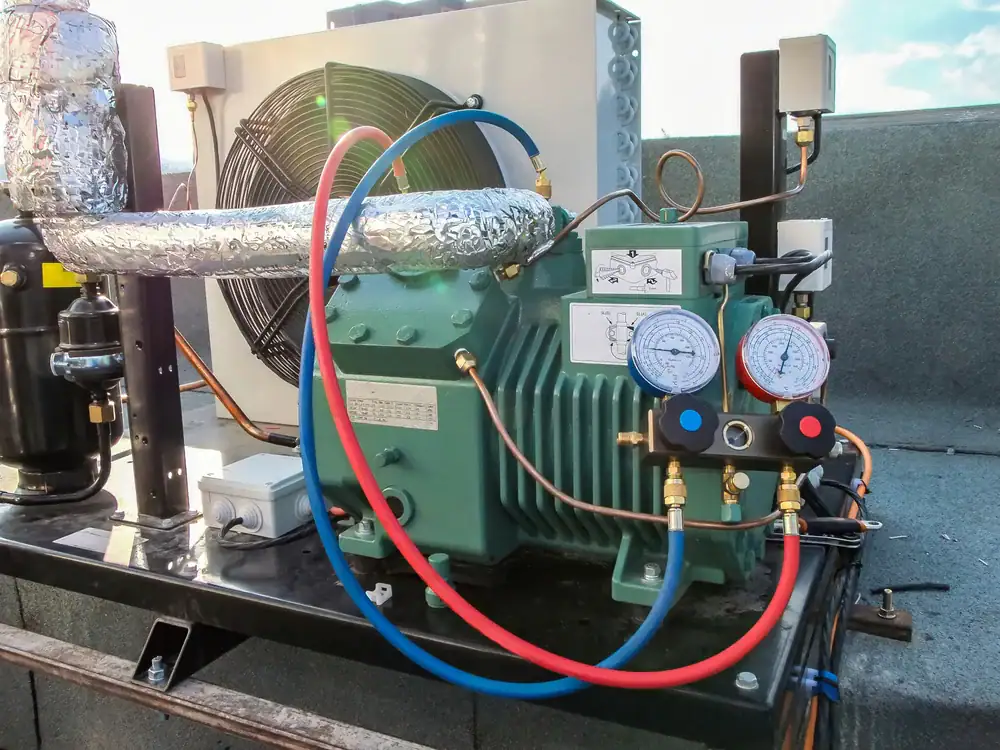
We typically arrive within 1-2 hours of your emergency call, including nights and weekends. Our trucks are stocked with parts for all major brands, so most repairs get completed the same day.
Here’s what actually matters during an emergency: we answer our phone 24/7, we ask the right diagnostic questions immediately, and we understand that every hour your cooler is down costs you money. We don’t schedule you for “sometime next week” while your inventory spoils.
When you call, you’re talking to people who know refrigeration systems, not a call center. We can often troubleshoot basic issues over the phone and tell you whether it’s something you can temporarily address or if we need to get there immediately. For Middle Island locations, we’re close enough to respond fast without the premium pricing some companies charge for Suffolk County service.
If your compressor failed and your system is over 10-12 years old, replacement usually makes more financial sense than major repairs. Compressor replacement can run $2,000-$4,000 depending on size, and you’re putting expensive parts into an aging system that will likely need more repairs soon.
New energy-efficient systems cost more upfront but use significantly less electricity. Commercial refrigeration represents about 40% of energy consumption in food service operations. A new system can pay for itself in energy savings over 5-7 years while giving you reliable performance and warranty coverage.
We’ll be honest about what makes sense for your situation. Sometimes a repair buys you another 2-3 years at reasonable cost. Sometimes you’re throwing money at equipment that’s going to keep failing. We look at the age of your system, your repair history, and whether you’re planning to stay in your current location before recommending repair versus replacement.
Most businesses skip maintenance until something breaks, then wonder why their five-year-old equipment needs major repairs. Regular maintenance typically extends equipment life from 8-10 years to 15+ years and prevents most emergency breakdowns.
Here’s what happens without maintenance: condenser coils get clogged with dust and grease, making your compressor work harder and run hotter. Door gaskets wear out and leak cold air constantly. Refrigerant levels drop slowly from minor leaks. Small issues become expensive failures, usually during your busiest times when you can’t afford downtime.
Our maintenance visits include cleaning condenser coils, checking refrigerant levels, testing door seals, inspecting electrical connections, and catching problems before they cause breakdowns. Maintenance customers also get priority scheduling when they do need service and discounted rates on repairs. The cost of quarterly maintenance is typically less than one emergency service call.
Most restaurants need 1-2 cubic feet of refrigerated storage per square foot of dining space, but that’s just a starting point. Your actual needs depend on your menu, delivery schedule, and whether you prep everything in-house or receive pre-prepped ingredients.
A 100-seat restaurant doing fresh prep typically needs a 6×8 or 8×8 walk-in cooler plus a smaller walk-in freezer. If you’re running a deli with high product turnover, you might need more reach-in access and less walk-in space. Catering operations need extra capacity for peak seasons and events.
We assess your space, menu requirements, and how Long Island’s summer heat affects your cooling needs before recommending equipment size. Undersized systems run constantly and can’t maintain temperature during busy periods. Oversized systems cost more upfront, waste energy, and can actually create humidity problems from short-cycling. We spec systems that match your actual needs and leave room for reasonable business growth.
Your compressor has to work significantly harder when it’s 90°F outside and humid compared to mild weather. The greater the temperature difference between inside your cooler and outside air, the harder your system works to maintain temperature.
Long Island’s summer humidity makes this worse. Humid air holds more heat, so your condenser has to work harder to dissipate it. If your condenser coils are dirty or your system is undersized, it may struggle to keep up during heat waves. That’s why systems that work fine in spring start having issues in July and August.
Location matters too. If your condenser is in direct sunlight, sitting too close to a wall without airflow, or near kitchen exhaust, it’s fighting even harder. We evaluate condenser placement during installation and can often improve performance on existing systems by relocating outdoor components or improving airflow. Proper sizing for Long Island’s climate and regular coil cleaning make the biggest difference in summer performance.
Food safety requires holding cold food at 40°F or below. Once your cooler rises above that temperature, you typically have 2-4 hours before you start losing inventory, depending on how full your cooler is and the outside temperature.
A fully stocked cooler holds temperature longer than an empty one because the cold product helps maintain temperature. But on a hot summer night, an empty or half-full cooler can rise into the danger zone quickly. Most health departments require you to discard any refrigerated food that’s been above 40°F for more than 4 hours.
That’s why we answer emergency calls 24/7. A walk-in cooler failure at midnight can cost you $5,000-$10,000 in lost inventory by morning if it’s fully stocked for weekend service. Getting a technician there within 1-2 hours, diagnosing the problem, and getting your system running again saves that inventory. If the repair will take longer, we can advise on temporary solutions like transferring product to reach-ins or bringing in refrigerated trucks while we source parts.