Hear from Our Customers
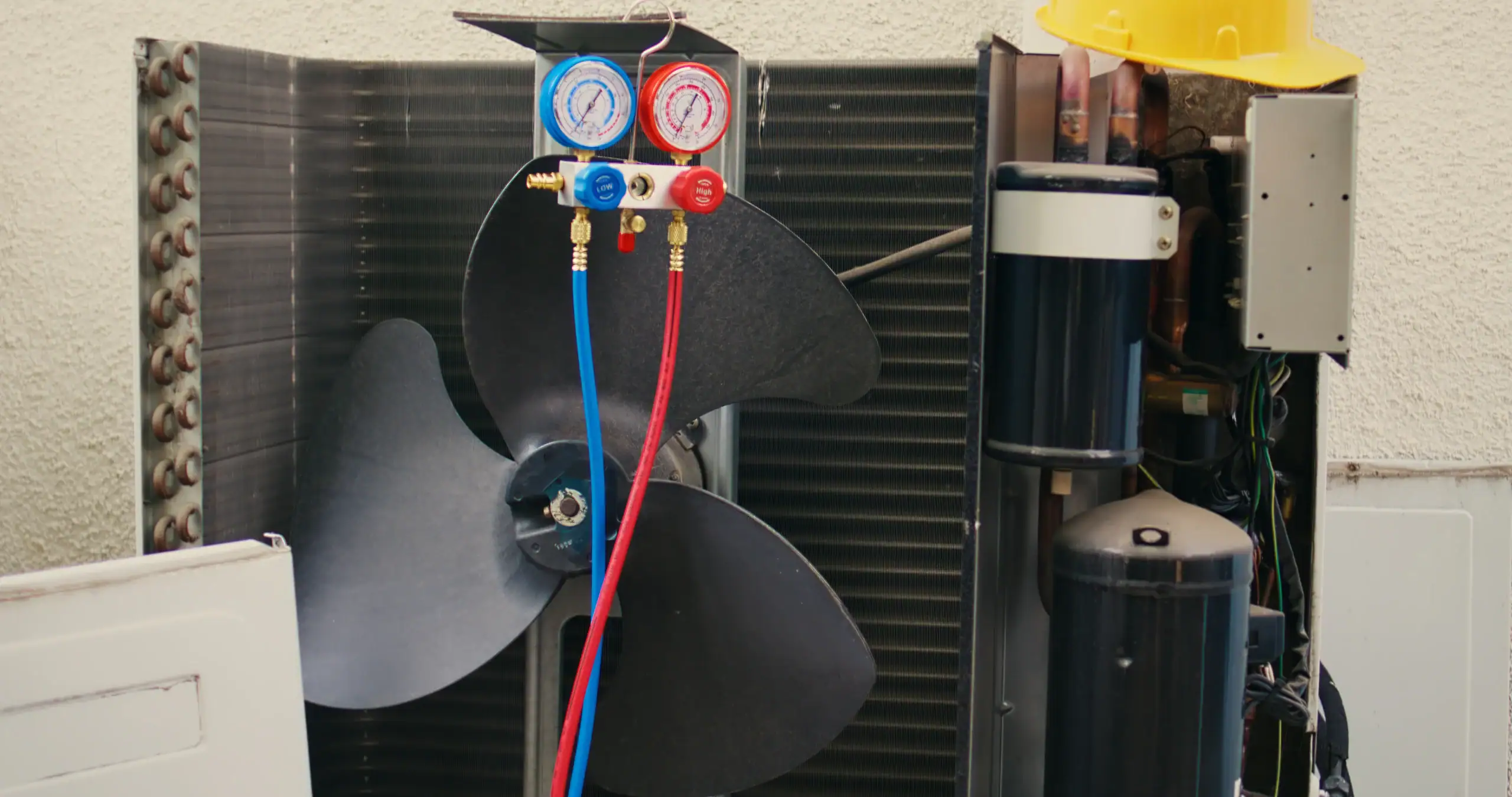
Your weekend plans shouldn’t depend on whether your boat’s AC decides to cooperate. When marine refrigeration systems fail, it’s rarely a simple fix—saltwater corrosion, power draw issues, and high-pressure faults don’t respond to generic troubleshooting.
That’s where specialized knowledge matters. A properly functioning marine refrigeration system means your boat stays comfortable during those long summer days on Long Island waters. No more sweating through trips or losing provisions because your fridge can’t hold temp.
You get systems that work reliably because someone who understands marine environments—not just residential HVAC—handled the repair or installation. That means fewer callbacks, less downtime, and more time actually enjoying your vessel.
We’ve spent over 40 years solving refrigeration problems that other companies walk away from. Our team serves New Cassel, NY and the broader Long Island boating community with the same expertise we bring to airports, restaurants, and commercial clients across the Greater New York area.
What sets us apart is simple: we actually understand marine systems. Boat refrigeration isn’t residential HVAC with a different label. It requires knowledge of power constraints, saltwater environments, and the unique challenges boats face.
We’ve built dozens of five-star reviews by showing up when we say we will, communicating clearly about what’s wrong, and fixing it right the first time. We offer 24/7 consulting and free estimates because we know marine emergencies don’t follow business hours.
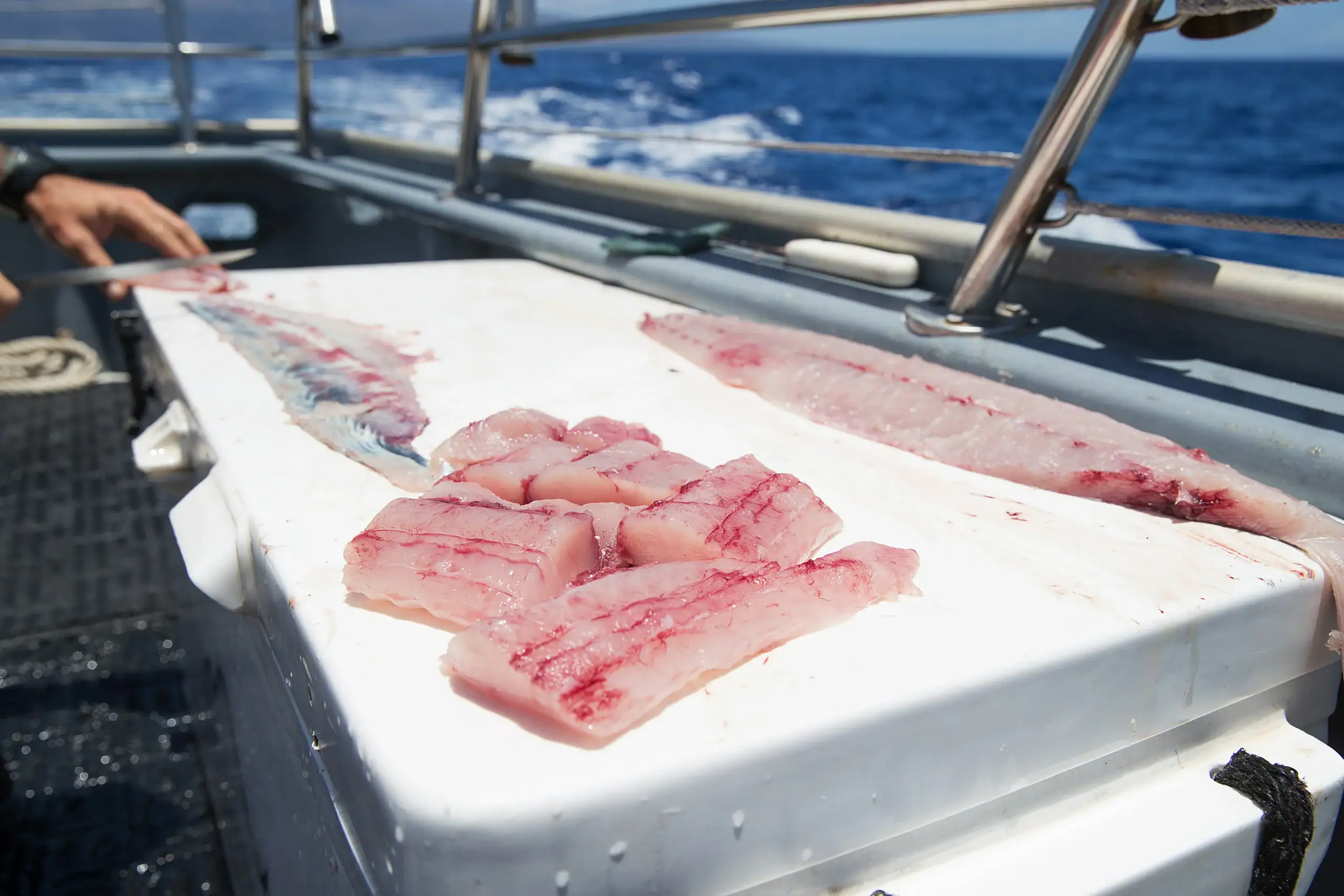
The process starts with understanding what’s actually happening with your system. Whether you’re dealing with a high-pressure fault, warm air when you need cold, or a system that’s draining your batteries, we diagnose the root cause—not just the symptom.
Once we identify the problem, you get a clear explanation of what needs to happen and what it’ll cost. No surprises, no upselling services you don’t need. If it’s a seawater pump issue, barnacle buildup in your lines, or a refrigerant leak, you’ll know before any work begins.
Repairs happen efficiently because our technicians have seen these problems hundreds of times. We come prepared with the right parts and tools for marine applications. After the fix, we test the system thoroughly to make sure it’s actually working—not just running.
For new installations or complex custom work, the approach is the same: assess your boat’s specific needs, design a system that fits your space and power constraints, and install it properly so it lasts.
Ready to get started?
Long Island boat owners face specific challenges that inland boaters don’t deal with. Saltwater accelerates corrosion on AC components and refrigeration lines. Summer humidity on the water makes marine HVAC systems work harder. And when you’re dealing with limited marina access or tight service schedules, you need someone who respects your time.
We handle the full range of marine refrigeration and boat air conditioning services. That includes emergency repairs when your system quits, routine refrigeration maintenance to prevent failures, complete system installations, and custom refrigeration solutions for unique vessel configurations. We work on everything from self-contained units to split systems and chilled water setups.
Our team also handles the less obvious issues that plague boat refrigeration—electrical problems that cause voltage drops, insulation failures that kill efficiency, and seawater intake problems that trigger high-pressure faults. These aren’t problems you can Google your way through.
New Cassel’s proximity to major Long Island waterways means boat owners here understand the value of reliable marine systems. When temperatures hit the 90s and your boat becomes unbearable, or when your refrigeration can’t keep provisions cold during an extended trip, you need expertise that goes beyond basic HVAC knowledge.
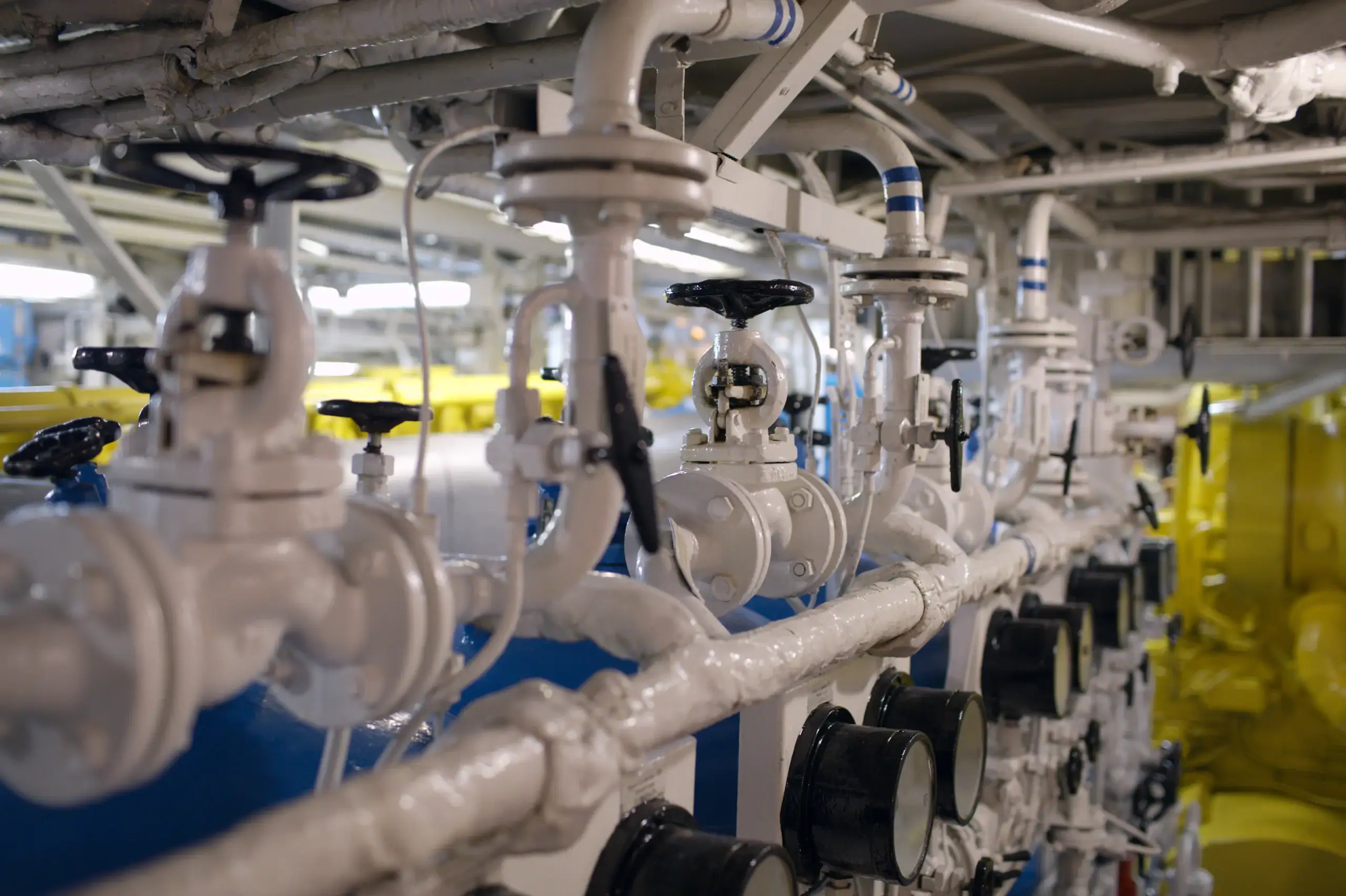
High-pressure faults usually mean your system is overheating, and the most common culprit is reduced water flow to the AC unit. In Long Island waters, barnacles and marine growth accumulate inside the hoses and pipes that feed your air conditioner. This restricts water flow and causes the system to overheat and shut down.
Another frequent cause is a failed seawater pump. If the pump isn’t moving enough water through the system, heat can’t be expelled properly. You might also have a clogged sea strainer that needs cleaning—something that should be checked regularly, especially during summer months when marine growth accelerates.
The fix depends on what’s actually causing the blockage. Sometimes it’s as simple as cleaning your strainer and flushing the lines. Other times you need pump replacement or a more thorough descaling of your water lines. Either way, ignoring a high-pressure fault will eventually damage your compressor, turning a manageable repair into an expensive replacement.
Most marine refrigeration systems benefit from professional service at least once a year, ideally before the heavy-use season starts. But if you’re keeping your boat in the water year-round or using it frequently, twice-yearly service makes more sense—once in spring and once in fall.
Regular maintenance includes cleaning or replacing air filters, checking refrigerant levels, inspecting door seals and gaskets, flushing seawater lines, and verifying that your compressor and pumps are operating efficiently. For boats docked in saltwater, monthly raw water system flushes during summer help prevent the barnacle buildup that causes most high-pressure faults.
The reality is that preventive maintenance costs far less than emergency repairs. A system that’s serviced regularly will also run more efficiently, which matters when you’re operating on limited battery power. If you notice your refrigeration running constantly, not cooling properly, or making unusual noises, don’t wait for your next scheduled service—get it checked immediately.
Yes, marine air conditioning can be installed on most boats, but it’s not a simple plug-and-play situation. The installation requires careful planning around your boat’s layout, electrical capacity, and whether you’ll have shore power or need to run a generator.
The process involves installing through-hulls for water intake and discharge, running electrical lines sized for the AC’s power draw, mounting the unit in an accessible location, setting up ductwork or vents, installing a thermostat, and connecting condensation drains. For boats without existing marine AC, this typically takes 20+ hours of skilled labor plus the cost of the unit itself and all associated components.
What matters most is getting the sizing right. An undersized system will run constantly without cooling effectively, while an oversized system will short-cycle and fail prematurely. The calculation depends on your boat’s interior volume, insulation quality, window size, and how you’ll use the system. This is where experience matters—someone who’s done hundreds of marine AC installations will get it right the first time.
When your boat refrigerator runs nonstop without maintaining temperature, you’re usually dealing with one of three issues: bad door seals, inadequate insulation, or a refrigerant problem. Start by checking your door gasket—close the door on a dollar bill and try to pull it out. If it slides easily, your seal isn’t tight enough and warm air is constantly infiltrating.
Poor insulation is another major culprit, especially on older systems. Marine refrigerators need excellent insulation because they operate in challenging conditions with limited power. If the exterior of your fridge feels warm to the touch or you see condensation forming on outside surfaces, heat is getting in and cold is escaping. This forces your compressor to work overtime.
Low refrigerant levels will also cause this problem, usually accompanied by a compressor that sounds different or runs warmer than normal. Refrigerant leaks in marine systems often indicate broader corrosion issues, not just a simple recharge situation. If you’ve ruled out seals and insulation, you need a technician to check refrigerant levels and inspect for leaks before the compressor burns out from overwork.
Marine refrigeration faces challenges that home systems never encounter. Your boat’s fridge must handle constant motion, operate on limited battery power, withstand saltwater corrosion, function in high humidity, and work efficiently despite poor ventilation in cramped spaces. These aren’t minor differences—they fundamentally change how the system is designed and maintained.
Power consumption is the biggest differentiator. Home refrigerators have unlimited electricity, so manufacturers can use oversized, inefficient compressors. On a boat, every amp matters. Marine systems use highly efficient compressors like the Danfoss BD series, larger evaporators with fans for better heat absorption, and superior insulation to minimize run time. The goal is maximum cooling with minimum battery drain.
Marine systems also use different cooling methods. Most rely on seawater circulation rather than air cooling, which introduces maintenance issues you’d never face with a home fridge—clogged intake lines, barnacle growth, seawater pump failures, and corrosion from salt exposure. This is why marine refrigeration requires specialists who understand both refrigeration principles and the marine environment, not just someone who fixes home appliances.
Yes, we provide 24/7 consulting for marine refrigeration emergencies in New Cassel, NY and throughout Long Island. When your boat’s AC or refrigeration fails, especially during peak season or before a planned trip, waiting days or weeks for service isn’t acceptable.
We understand that marine emergencies don’t follow a 9-to-5 schedule. A refrigeration failure on Friday afternoon before a weekend trip, or an AC breakdown during a heat wave when your boat becomes uninhabitable—these situations need immediate attention. That’s why we maintain availability for urgent situations and respond quickly to service calls.
For emergency service, the approach is straightforward: assess the problem, determine if it’s repairable on-site or requires parts, and get you a clear timeline and cost estimate. Many common issues like seawater pump failures, clogged strainers, or electrical problems can be resolved quickly when you have an experienced technician who knows marine systems. The goal is getting your boat functional again as fast as possible, without cutting corners that lead to repeat failures.