Hear from Our Customers
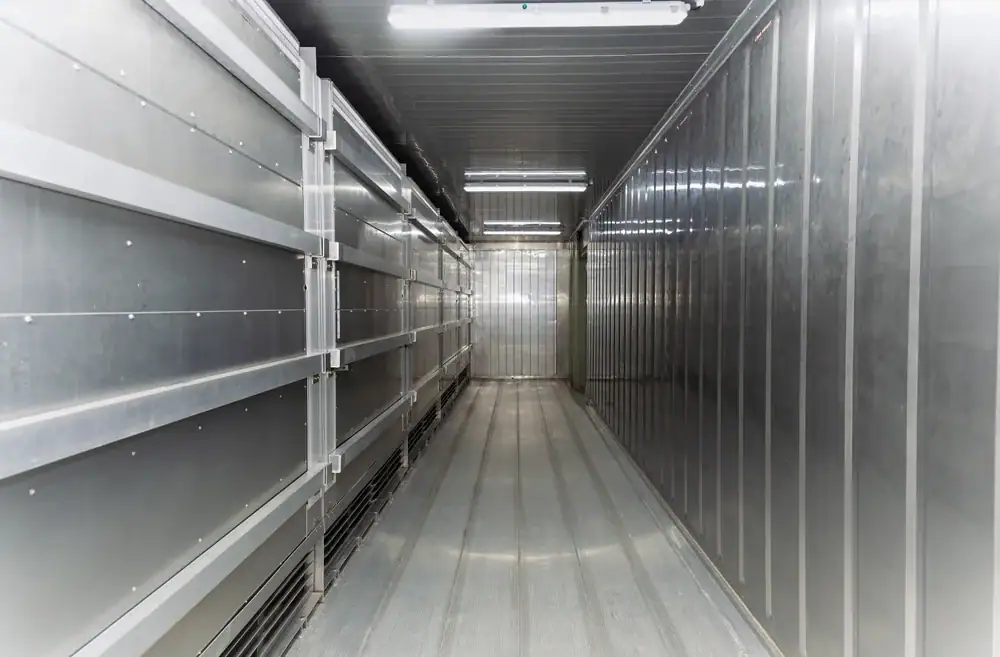
Your walk-in cooler doesn’t care that it’s Saturday night during dinner rush. Your ice machine won’t wait until Monday morning to quit. When refrigeration systems fail in New Cassel, you’re looking at thousands in lost product and a dining room full of customers you can’t serve.
That’s why our trucks carry the parts most services don’t stock. Compressors. Evaporator coils. Thermostatic expansion valves. Door gaskets. The components that fail most often are the ones we replace same-day, not three days from now after your entire inventory has hit unsafe temps.
Forty years working on commercial refrigeration means we’ve seen the same problems break the same equipment in the same ways. Dirty condenser coils that make compressors run hot. Refrigerant leaks that slowly kill cooling capacity. Door seals that let warm air turn your freezer into an expensive closet. Most service calls aren’t complicated, but they need someone who knows what they’re looking at and can fix the root cause instead of resetting your thermostat and sending you a bill.
We’ve been working on refrigeration systems across Nassau County since before half the restaurants in New Cassel existed. That means we’ve installed equipment that’s still running fifteen years later, and we’ve fixed emergency breakdowns at three in the morning when someone’s entire weekend revenue was on the line.
Every technician on our team holds EPA Section 608 certification because working with refrigerants isn’t optional and it’s not something you learn from YouTube. We’re licensed, insured, and we’ve built a reputation on showing up when we say we will and finishing jobs the first time.
Long Island’s humidity does a number on refrigeration equipment. Compressors work harder in summer. Door seals crack in winter. If you’re running a deli, restaurant, or any food service operation in New Cassel, your equipment is under constant stress, and regular maintenance is the difference between a system that lasts and one that dies early.
You call or fill out the form on our site. If it’s an emergency, we’re dispatching someone immediately. If it’s a quote for new installation or scheduled maintenance, you’ll hear back within 24 hours.
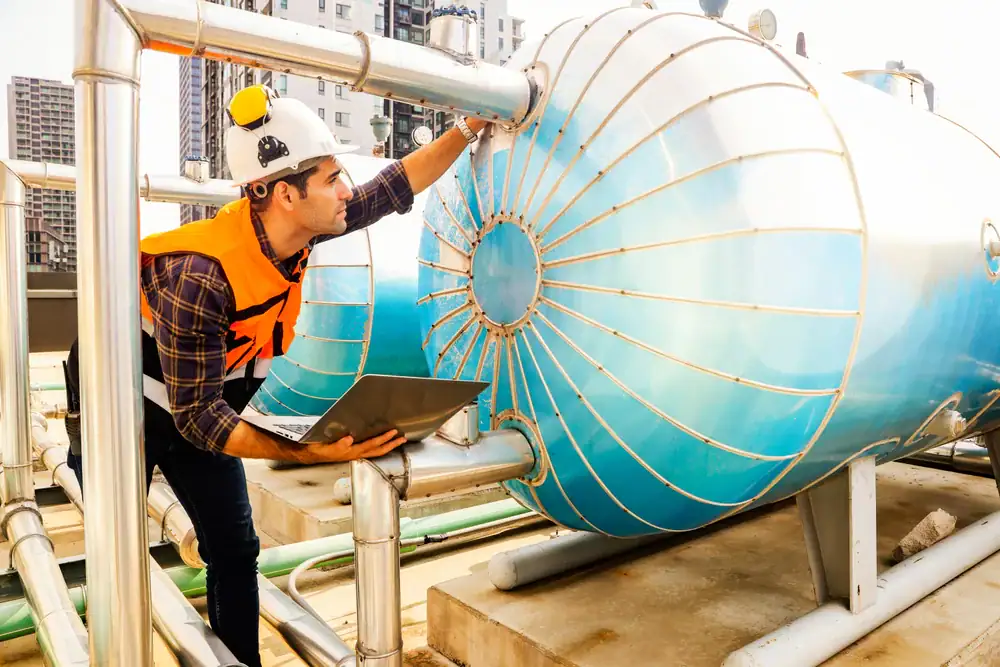
Our technician shows up with diagnostic tools and a truck stocked with common parts. We’re not making a trip to figure out what’s wrong and then another trip three days later with the part. We assess the problem, explain what’s broken and why, and give you a clear price before any work starts.
Most repairs get done that same visit. Walk-in cooler not holding temp? We’re checking refrigerant levels, inspecting the evaporator, testing the compressor. Ice machine running but not making ice? We’re looking at water supply, freeze cycles, and whether your bin sensor is telling the machine it’s full when it’s not. If it’s something we can fix on-site, we do. If you need a full system replacement, we’ll walk through options that match your space and your budget.
After the work is done, we test everything to make sure it’s running at proper temps. You’re not paying for a repair that breaks again in two weeks.
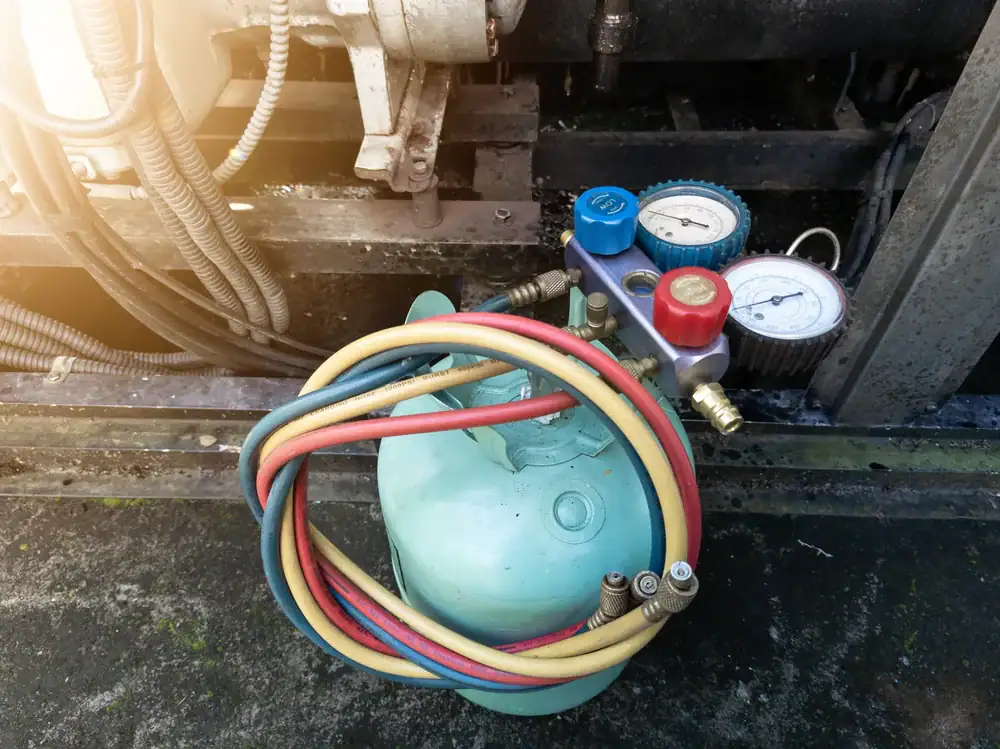
Ready to get started?
Refrigeration maintenance isn’t glamorous, but it’s the reason some equipment runs for fifteen years and others die at seven. Coils get dirty. Refrigerant leaks slowly. Fans wear out. Door gaskets crack and let warm air seep in all day, making your compressor run nonstop trying to keep up.
In New Cassel and across Long Island, your equipment fights humidity, temperature swings, and constant use. A maintenance plan means we’re cleaning condenser coils before they choke airflow, checking refrigerant levels before a small leak becomes a dead compressor, and replacing worn parts before they fail during your busiest week of the year.
Most businesses skip maintenance until something breaks, then spend thousands on emergency repairs that could’ve been prevented with a service call that costs a fraction of that. Well-maintained systems use 25% less electricity. They last years longer. They don’t quit in the middle of service.
We also handle new refrigeration installation for restaurants, delis, supermarkets, and food service operations that need systems designed for their specific space and volume. Whether it’s a walk-in cooler, reach-in freezer, display case, or ice machine, we’re sizing equipment correctly so you’re not overpaying for capacity you don’t need or underbuying and overworking a system that can’t keep up.
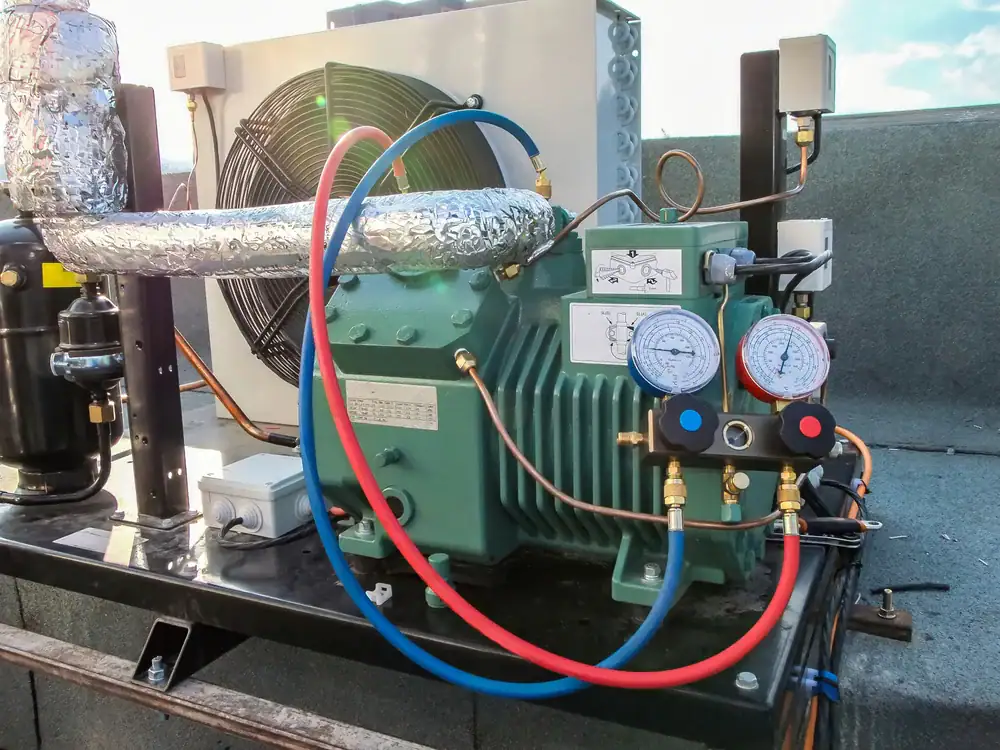
If your system is down and you’ve got product at risk, we’re dispatching someone as fast as traffic allows. Most emergency calls in New Cassel and Nassau County get same-day service, often within a few hours.
Here’s what actually matters: our trucks are stocked with the parts that fail most often. Compressor contactors. Fan motors. Thermostatic expansion valves. Refrigerant. That means we’re not showing up to diagnose the problem and then ordering parts that take three days to arrive while your food spoils.
The faster we can get your system back to safe temps, the less money you lose. We’ve had calls where a restaurant was an hour away from having to close for the night, and we got them running before dinner service. That’s the difference between losing one afternoon of prep and losing an entire weekend of revenue.
A well-maintained walk-in cooler or freezer can run fifteen years or longer. Systems that get ignored usually start having major problems around seven to ten years, and by then you’re spending so much on repairs that replacement makes more sense.
The biggest factor isn’t the brand or the model. It’s whether someone is cleaning the coils, checking refrigerant levels, replacing worn gaskets, and catching small problems before they cascade into expensive failures. Dirty condenser coils make your compressor work harder and run hotter. A slow refrigerant leak kills cooling capacity and eventually fries the compressor.
Most equipment doesn’t just die. It gets neglected until something critical fails, and then the repair costs more than it should because other parts have been stressed for months. Regular maintenance is the difference between getting your money’s worth and replacing equipment years too early.
Commercial refrigeration typically accounts for about 40% of energy costs in food service operations. A walk-in cooler can cost anywhere from $200 to $600 per month to run, depending on size, how often the door opens, and whether the system is maintained.
Here’s what drives costs up: dirty coils, refrigerant leaks, worn door seals, and equipment that’s oversized or undersized for the space. A system that’s working too hard because it’s fighting warm air leaks or struggling with low refrigerant can use 30% more electricity than one that’s properly maintained.
Energy-efficient systems and regular maintenance bring those costs down. We’ve seen businesses cut their refrigeration energy use by 25% just by staying on top of coil cleaning and fixing small issues before they become big ones. If your electric bill has been climbing and your cooler is running constantly, that’s a sign something’s wrong and it’s costing you every single day you wait to fix it.
Yes, and it’s not optional. Anyone who works with refrigerants is required by federal law to hold EPA Section 608 certification. If someone is handling refrigerant in your system without that certification, they’re breaking the law and you’re liable if something goes wrong.
Refrigerants are regulated because they’re harmful to the environment and dangerous to handle incorrectly. Venting refrigerant into the air during a repair can result in fines up to $44,539 per day per violation. Techs who aren’t certified don’t know proper recovery procedures, and they’re more likely to make mistakes that damage your equipment or create safety hazards.
Beyond the legal requirement, certified techs understand how refrigeration systems actually work. They know how to diagnose problems, handle refrigerant safely, and make repairs that last. You’re not just paying for compliance. You’re paying for someone who knows what they’re doing and won’t make your problem worse.
If your cooler or freezer goes down and temps rise into the danger zone, you’re looking at having to throw out anything that’s been sitting at unsafe temperatures for more than four hours. For most restaurants and delis, that’s thousands of dollars in product loss, plus the cost of restocking before you can reopen.
The health department doesn’t care why your temps were off. If you can’t prove your food stayed at safe temps, you can’t serve it. That means you’re either shutting down until you can restock, or you’re running a severely limited menu and turning customers away.
This is why emergency response time matters. Every hour your system is down increases your losses. Our trucks carry the parts that fail most often specifically so we can get you back to safe temps the same day. We’ve saved businesses from having to dump entire walk-ins because we got there fast enough to stop the temp climb before it hit the danger zone. Speed isn’t a convenience, it’s the difference between a repair bill and a disaster.
If the repair costs more than half the price of a new system, or if your equipment is over twelve years old and starting to have frequent breakdowns, replacement usually makes more sense. You’re not just paying for the repair, you’re paying for a system that’s going to need another expensive fix in six months.
Older systems also cost more to run. A fifteen-year-old walk-in cooler uses significantly more electricity than a new energy-efficient model, and that difference adds up every single month. If your current system is driving up your electric bill and nickel-and-diming you with repairs, a new installation can pay for itself in energy savings and avoided downtime.
We’ll walk you through the math. If your compressor is shot and you’re looking at a $3,000 repair on a system that’s already twelve years old, spending $7,000 on a new system that’ll last another fifteen years and use 30% less energy is the smarter move. We’re not trying to upsell you. We’re showing you what makes financial sense based on what your equipment is actually worth and how much life it has left.