
Hear from Our Customers
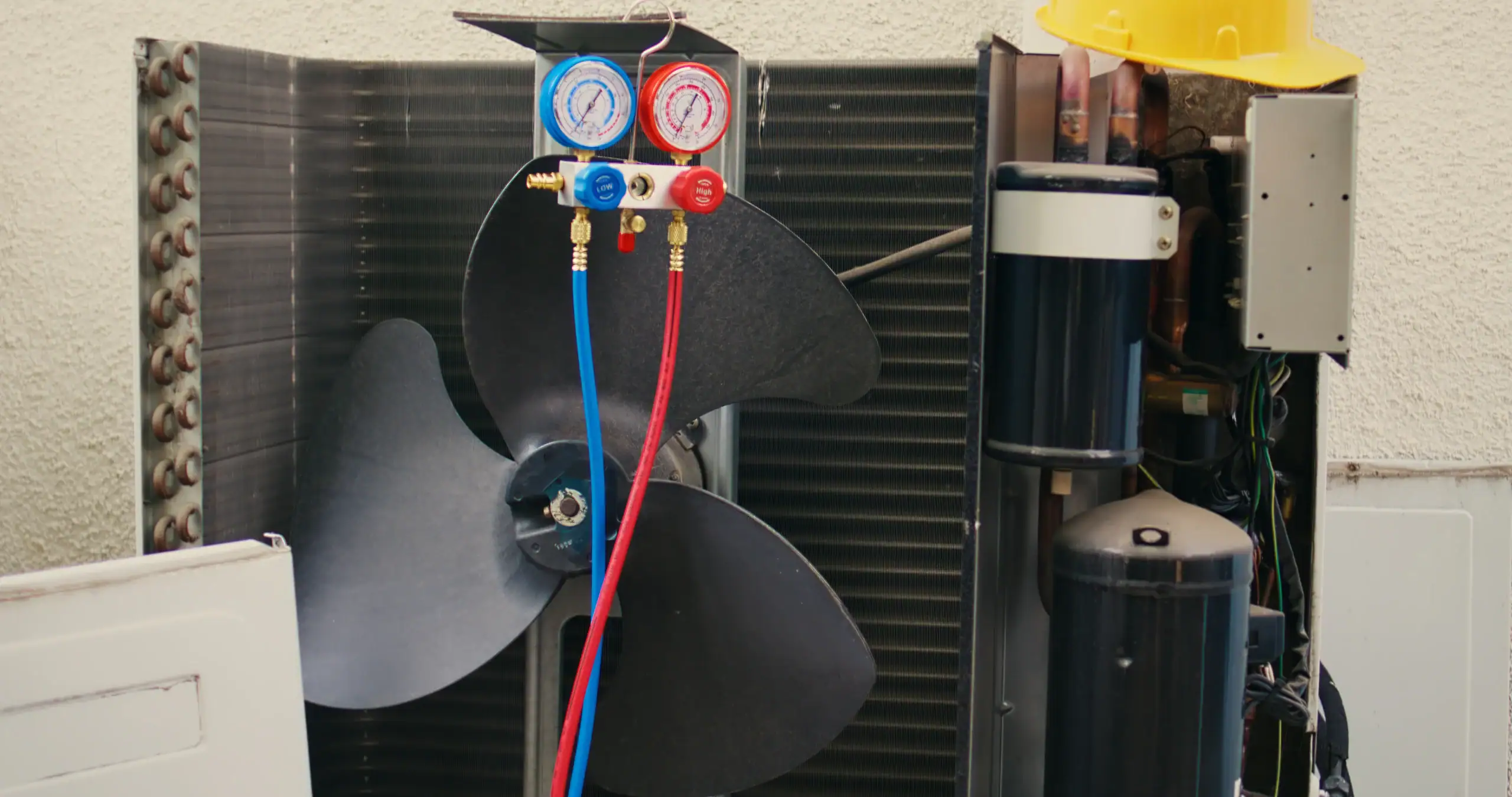
When your boat’s refrigeration or AC goes down during peak season, you’re not just dealing with warm beer and spoiled food. You’re losing time on the water you’ve been looking forward to all week.
Most boat owners in Nissequogue deal with the same frustrating cycle. The system acts up. You call someone who says they can help. They show up, poke around, maybe recharge the refrigerant, and tell you it should work now. Two weeks later, same problem.
Here’s what actually happens when marine refrigeration gets handled right: Your system gets diagnosed correctly the first time. The root cause gets fixed, not just the symptom. Your batteries stop draining because someone finally sized your compressor properly. And you stop wondering if your AC will make it through the summer.
We bring over 40 years of hands-on experience to every marine refrigeration and boat HVAC job in Nissequogue and across the Greater New York area. We’ve built our reputation on actually understanding how marine systems work—the seawater cooling, the power constraints, the humidity challenges that don’t exist in residential work.
Boat owners in Nissequogue know the difference between someone who’s seen a marine AC unit before and someone who’s spent decades troubleshooting them in Long Island Sound conditions. We serve everyone from weekend boaters at local marinas to commercial operators who can’t afford downtime. That experience shows up in faster diagnosis, fewer callbacks, and systems that actually stay fixed.
When you’re dealing with saltwater corrosion, limited battery power, and equipment crammed into spaces no one can reach, you need technicians who’ve solved these exact problems hundreds of times before. That’s what 40+ years in the marine refrigeration business gets you.
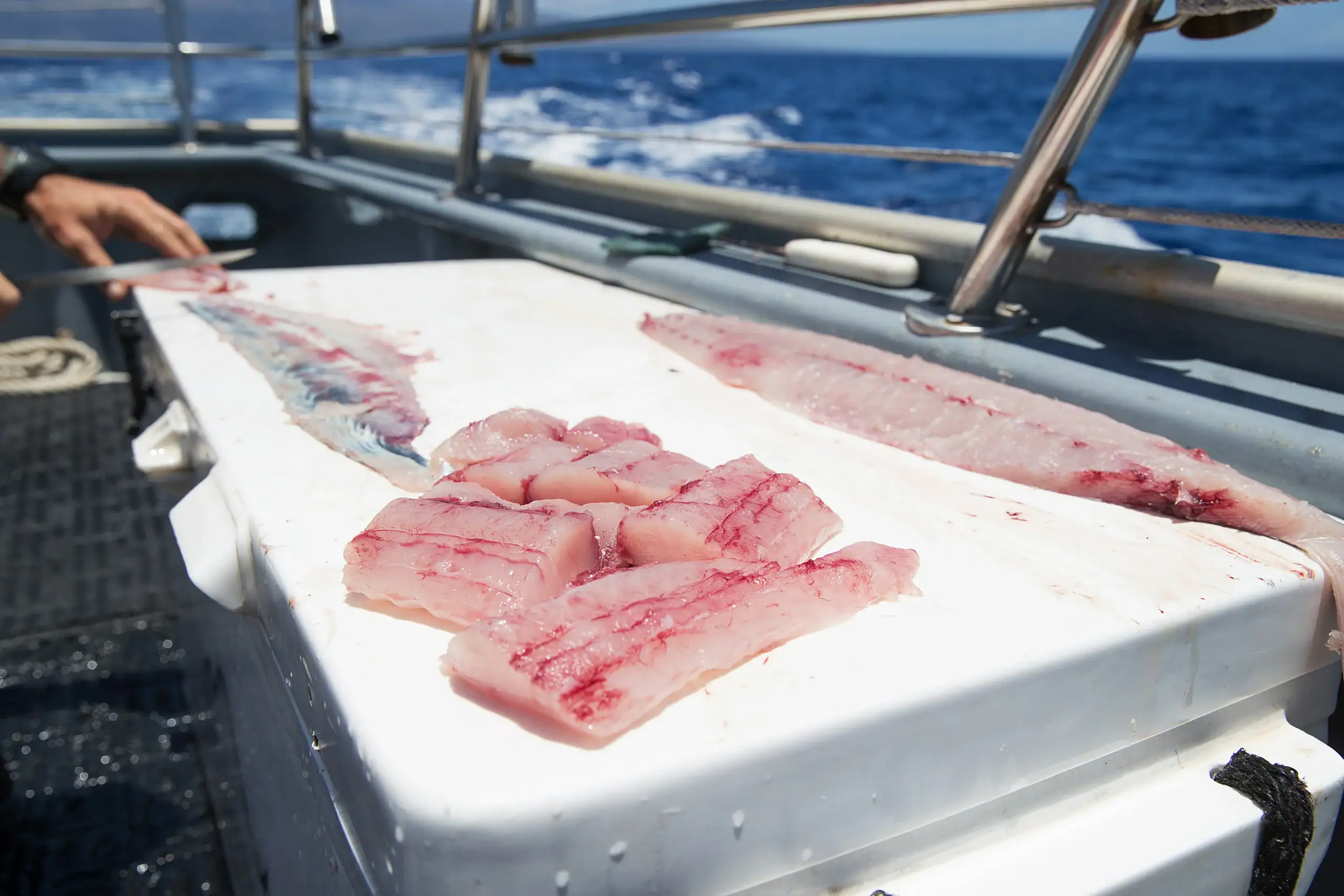
The process starts with understanding what’s actually wrong, not just what the error code says. High Pressure Fault on your display? Could be a dozen different things. Clogged seawater intake. Failed pump. Marine growth in the cooling lines. Undersized system running constantly. Each one needs a different fix.
First step is a proper diagnosis. That means checking water flow, inspecting the seawater cooling system, testing voltage at the compressor, and looking at how the whole system is sized for your boat. Not just hooking up gauges and guessing. Most marine refrigeration problems come from one of three places: power issues, cooling issues, or installation issues. Finding which one takes experience with marine systems specifically.
Once the actual problem is clear, you get a straight answer about what needs to happen. Sometimes it’s a simple fix—clean the sea strainer, replace a pump, adjust the thermostat settings. Sometimes the system was installed wrong from the start and needs proper sizing. Either way, you know what you’re paying for and why before any work starts. Then the fix gets done right, tested under load, and you’re back on the water with a system that actually works.
Ready to get started?
Boat refrigeration and marine HVAC in Nissequogue face challenges you don’t see on land. Long Island Sound brings saltwater, humidity, and temperature swings that eat through standard components. Your system has to cool efficiently without draining your batteries. It needs to handle marine growth in the cooling lines. And it has to keep working when you’re miles from shore.
The boats docked around Nissequogue—from Stony Brook to Port Jefferson marinas—deal with the same environmental factors. Summer heat and humidity put maximum load on AC systems right when you want to use your boat most. Seawater temperatures affect how efficiently your refrigeration can reject heat. And the salt air accelerates corrosion on components that weren’t designed for marine use.
Proper marine refrigeration service means understanding these local conditions. It means knowing that your through-hull fittings need inspection, your seawater pump needs maintenance, and your condenser coils need flushing to remove marine growth. It means sizing systems correctly for the power you have available and the cooling load you’re actually dealing with. And it means using marine-grade parts that can handle the environment instead of residential components that’ll fail in six months.
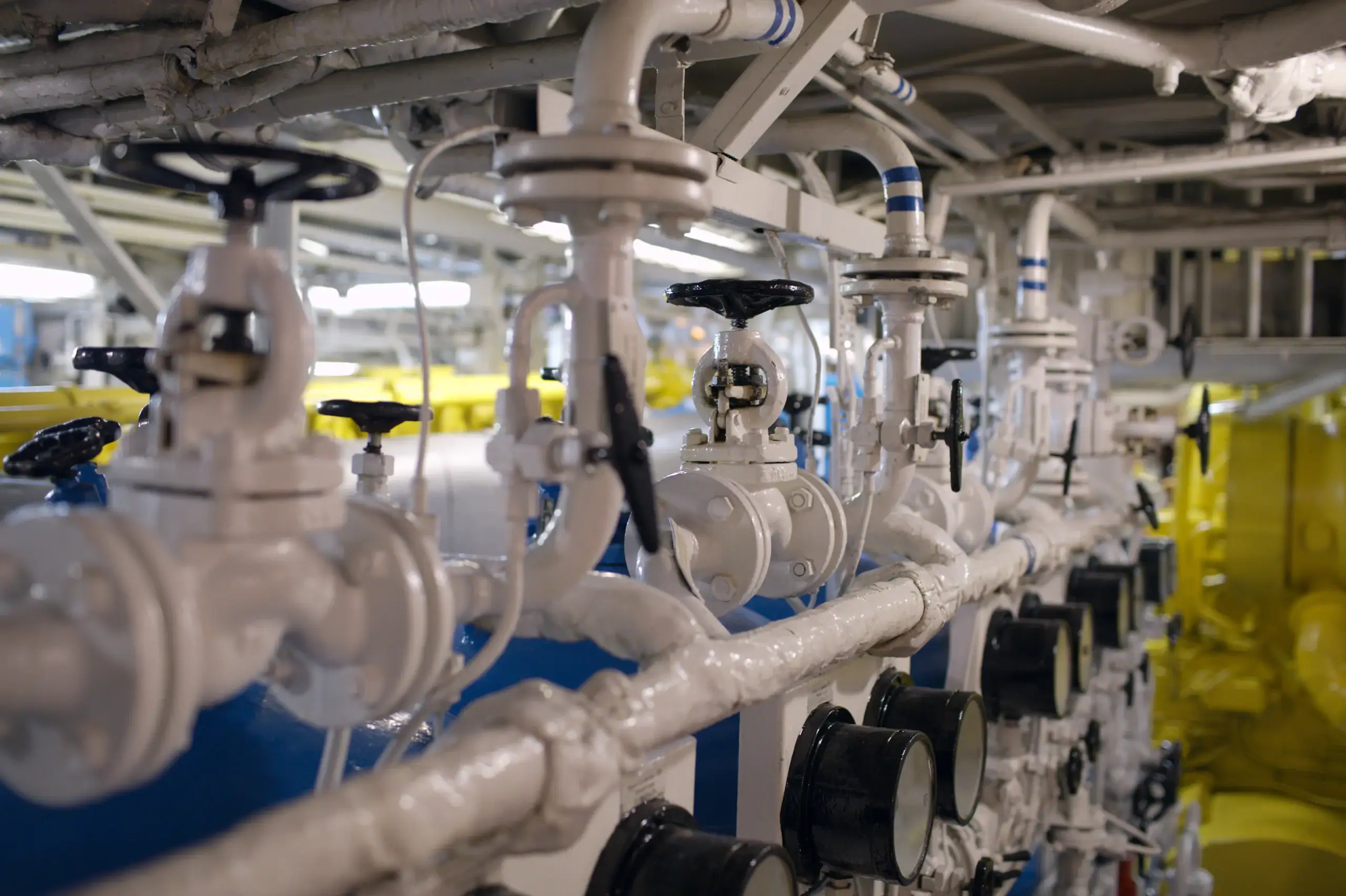
High Pressure Fault is the most common marine AC problem, and it usually means your system is overheating because it can’t reject heat properly. The most frequent cause is reduced water flow through the seawater cooling system.
Check your seawater intake first. Marine growth, barnacles, grass, and debris grow inside the hoses and pipes that feed your AC units. Even a partially blocked intake reduces flow enough to trigger the fault. Your seawater pump could also be failing or airlocked, especially if your boat was recently hauled out. Sometimes the issue is simpler—clogged sea strainer, closed seacock, or kinked hose.
If water flow looks good, the problem might be in the condenser itself. Calcium deposits, salt buildup, and marine scum accumulate on the condenser coils over time, preventing proper heat exchange. This requires professional flushing with the right solutions. Don’t ignore High Pressure Faults—running the system in this condition can damage your compressor, which is an expensive fix compared to addressing the water flow issue.
Power consumption depends on your system size, insulation quality, and how you’re using it, but excessive amp draw usually means something’s wrong. A properly sized and maintained marine refrigeration system should cycle on and off throughout the day, not run continuously.
If your compressor runs constantly and your batteries drain fast, you’ve got a problem. Could be poor insulation letting heat infiltrate. Could be bad door seals. Could be a system that’s undersized for your box and fighting a losing battle. Or you might be adding warm provisions and expecting instant cooling—a single gallon of 80-degree liquid takes about three hours to cool down while maintaining box temperature.
For most cruising boats, the refrigeration system is the biggest electrical load. A Danfoss BD-35 or BD-50 compressor—industry standard for marine use—pulls different amperage depending on speed and load. But if you’re seeing voltage drop below 12 volts or your batteries can’t keep up, the issue might not be the refrigerator at all. Low voltage makes compressors run inefficiently, which makes them run longer, which drains batteries more, which drops voltage further. Sometimes the fix is battery replacement, not refrigeration work.
Technically yes, but you’ll probably regret it. Marine HVAC systems are fundamentally different from residential or commercial systems, and those differences matter when diagnosing and fixing problems.
Your boat’s AC is seawater-cooled, not air-cooled. That means proper water flow is critical, and most land-based contractors have never worked with seawater cooling systems. They don’t know how to diagnose water flow problems, clean sea strainers properly, or flush condenser coils to remove marine growth. They’re also unfamiliar with through-hull fittings, seacocks, and the marine-grade components that prevent your boat from sinking.
Marine systems also deal with power constraints residential contractors never consider. Every amp matters on a boat. Voltage fluctuations affect performance. Battery capacity limits runtime. And marine systems often include features like reverse cycle heating and dehumidification modes that need proper configuration. An experienced marine technician knows how to set these up for efficiency. A residential contractor will probably leave default settings that waste power and create humidity problems. When you’re dealing with specialized equipment in a harsh saltwater environment, experience with marine systems specifically makes the difference between a proper fix and an expensive callback.
More often than most boat owners think, especially if you want to avoid failures during peak season. At minimum, you should have your marine refrigeration and AC systems inspected annually before summer. But several maintenance tasks need attention more frequently.
Clean or replace air filters monthly during the season. Dirty filters reduce airflow, make your system work harder, and increase power consumption. Check and clean your sea strainer regularly—every few weeks in summer when marine growth is active. Inspect door seals and gaskets for gaps or damage that let warm air infiltrate. And exercise your seacocks periodically so they don’t seize up when you need them.
Every 2-5 years, your condenser coils need professional flushing to remove marine scum buildup. Salt, calcium, and biological growth accumulate inside the cooling system and reduce efficiency significantly. This isn’t something you can do yourself—it requires the right equipment and solutions to clean thoroughly without damaging components. If you’re in Nissequogue waters regularly, you’re dealing with more marine growth than boats in other areas. That means more frequent maintenance to keep systems running efficiently. The cost of regular maintenance is nothing compared to replacing a compressor that failed because of neglect, or losing a weekend because your AC died on the hottest day of summer.
A compressor that runs but doesn’t cool properly usually points to one of three problems: poor insulation, bad seals, or a refrigerant issue. Start by checking the simple stuff before assuming you need major work.
Test your door gasket with a dollar bill. Close the door on it and try to pull it out. If it slides easily around the perimeter, your gasket isn’t sealing properly. Warm air infiltrating through bad seals makes your refrigerator run constantly while never quite reaching temperature. You might need gasket replacement or door adjustment. Also check your insulation—if the exterior of your refrigerator box feels warm to the touch or you see condensation, cold air is escaping and warm air is getting in.
If seals and insulation look good, the problem might be refrigerant level or system capacity. Low refrigerant from a leak prevents proper cooling, but here’s the thing—on marine refrigeration systems, if you’re losing refrigerant, you probably have corrosion issues. Finding and fixing leaks often costs more than replacing the unit, especially on self-contained systems where leaks indicate broader corrosion problems. Sometimes the issue is simpler: your evaporator isn’t fully frosted, which could mean low refrigerant, or your system is just undersized for the cooling load and can’t keep up. An experienced marine refrigeration technician can diagnose which problem you actually have instead of just adding refrigerant and hoping.
Marine refrigeration systems are designed around completely different constraints than residential units, and understanding those differences explains why marine systems need specialized service.
Power is the biggest difference. Your home refrigerator has unlimited electricity available and uses an oversized compressor that cycles on and off. Your boat refrigerator runs on limited battery power where every amp-hour counts, so marine systems use high-efficiency compressors like the Danfoss BD-35 or BD-50 that are sized precisely for the cooling load. Marine refrigeration is all about maximum efficiency with minimum power consumption. That means larger evaporators with fans to absorb heat quickly, larger condensers to reject heat efficiently, and careful attention to insulation.
Marine systems also deal with environmental challenges residential units never see. Saltwater corrosion. Constant motion and vibration. Extreme humidity. Temperature swings from engine room heat. And installation in spaces that are nearly impossible to access for service. Most marine refrigerators use polyurethane foam insulation that can break down from moisture intrusion over time. The cooling is often done through cold plates or holding plates that store cooling capacity, allowing the compressor to run less frequently. And everything has to be sized correctly for the power available—oversized systems drain batteries, undersized systems run constantly and still can’t keep up. These aren’t problems a residential refrigeration technician typically encounters, which is why marine refrigeration is its own specialty.