Hear from Our Customers
You’re not looking for the cheapest option. You’re looking for the one that actually fixes the problem and doesn’t come back to haunt you three months later.
When your furnace quits during a cold snap or your AC can’t keep up in July, you need someone who shows up, diagnoses it right the first time, and gets it handled. No runaround. No upselling equipment you don’t need. Just straight answers about what’s broken, what it’ll cost, and how long it’ll last once it’s fixed.
Most homeowners in Nissequogue deal with the same handful of issues. Energy bills climbing without explanation. Rooms that never quite get comfortable no matter how much you adjust the thermostat. Systems that work fine until the weather hits an extreme, then quit entirely. That’s usually a sign your HVAC system is working harder than it should—either because it’s aging out, wasn’t sized right to begin with, or hasn’t been maintained properly.
We’ve been in business for over 40 years. We built our reputation handling complex commercial refrigeration and marine HVAC systems—the kind of work where there’s no room for error and no one to call if you mess it up.
Now we’re bringing that same level of precision to residential HVAC services in Nissequogue and across Suffolk County. We’re not the biggest name you’ll find, but we’re the one homeowners call when they want it done right. Licensed, insured, and available 24/7 when emergencies happen.
Long Island homeowners know what it’s like to deal with contractors who don’t show up on time, don’t explain what they’re doing, or try to sell you a whole new system when a repair would’ve been fine. We don’t operate that way. You get a free estimate, a clear explanation of what’s wrong, and honest advice about whether to repair or replace.
First, we listen. You tell us what’s going on—whether it’s no heat, weak airflow, strange noises, or bills that don’t make sense. We schedule a time that works for you, and we show up when we say we will.
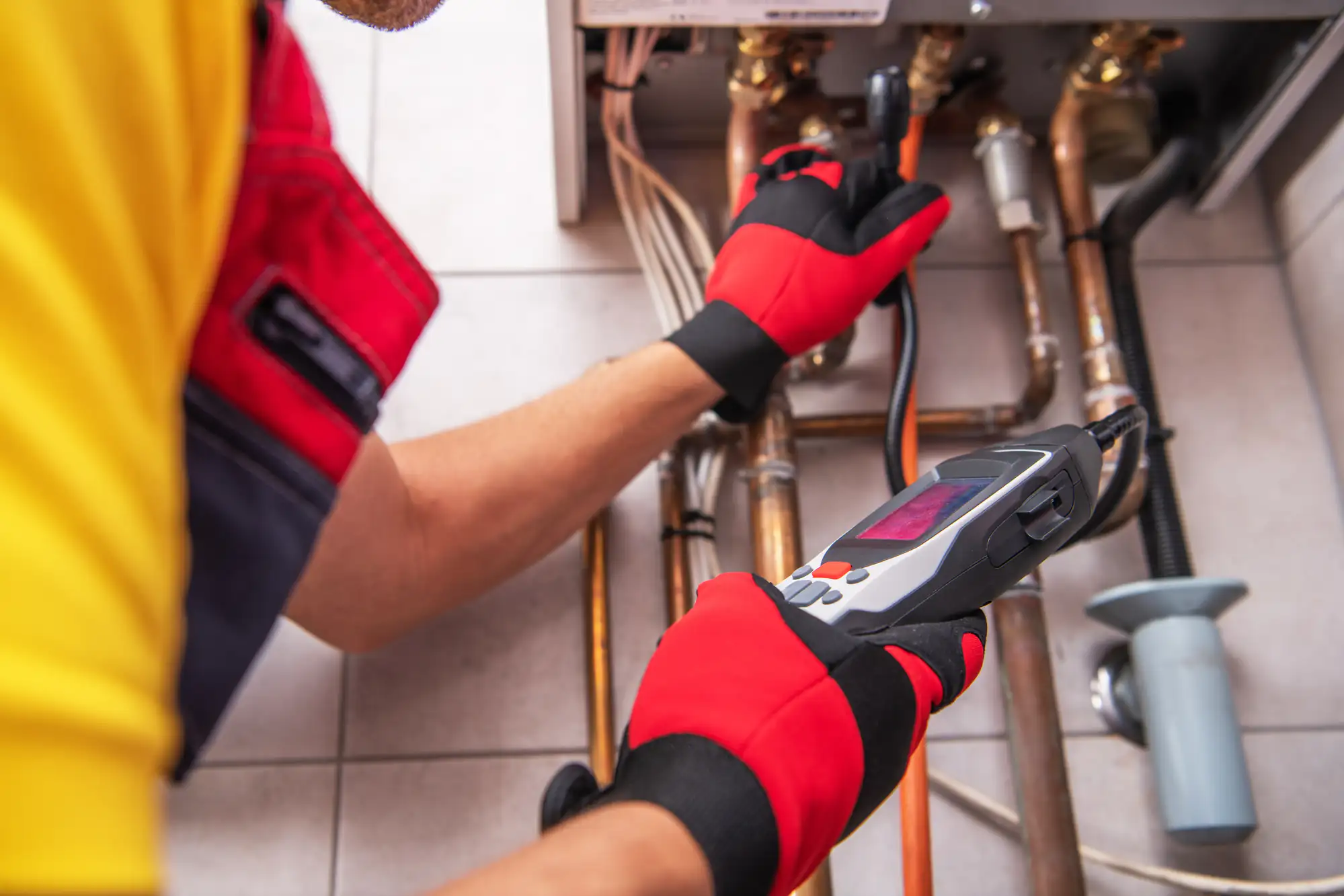
Our technician evaluates your system in person. That means checking your equipment, your ductwork, your insulation, and how your home is laid out. We’re looking for the actual problem, not just the symptom. If your second floor is always hot, that’s not always an AC issue—it could be duct balancing, insulation, or airflow design.
Once we know what’s wrong, we explain it in plain terms. You’ll get a detailed estimate that breaks down parts, labor, and timeline. If there are options—like repair vs replace, or standard efficiency vs high-efficiency equipment—we walk through the pros and cons so you can make the call. Then we do the work, test everything, and make sure it’s running the way it should before we leave.
Ready to get started?
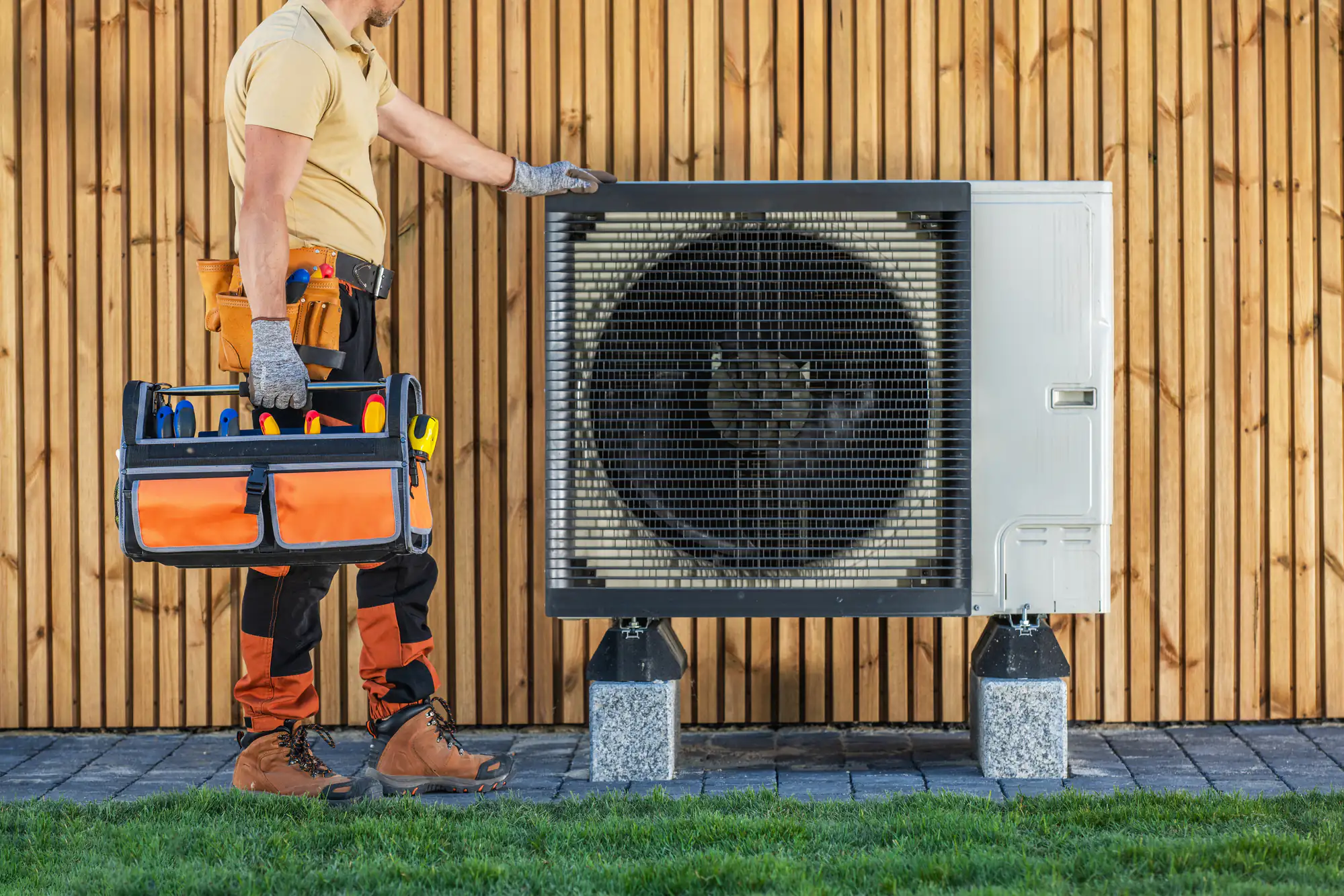
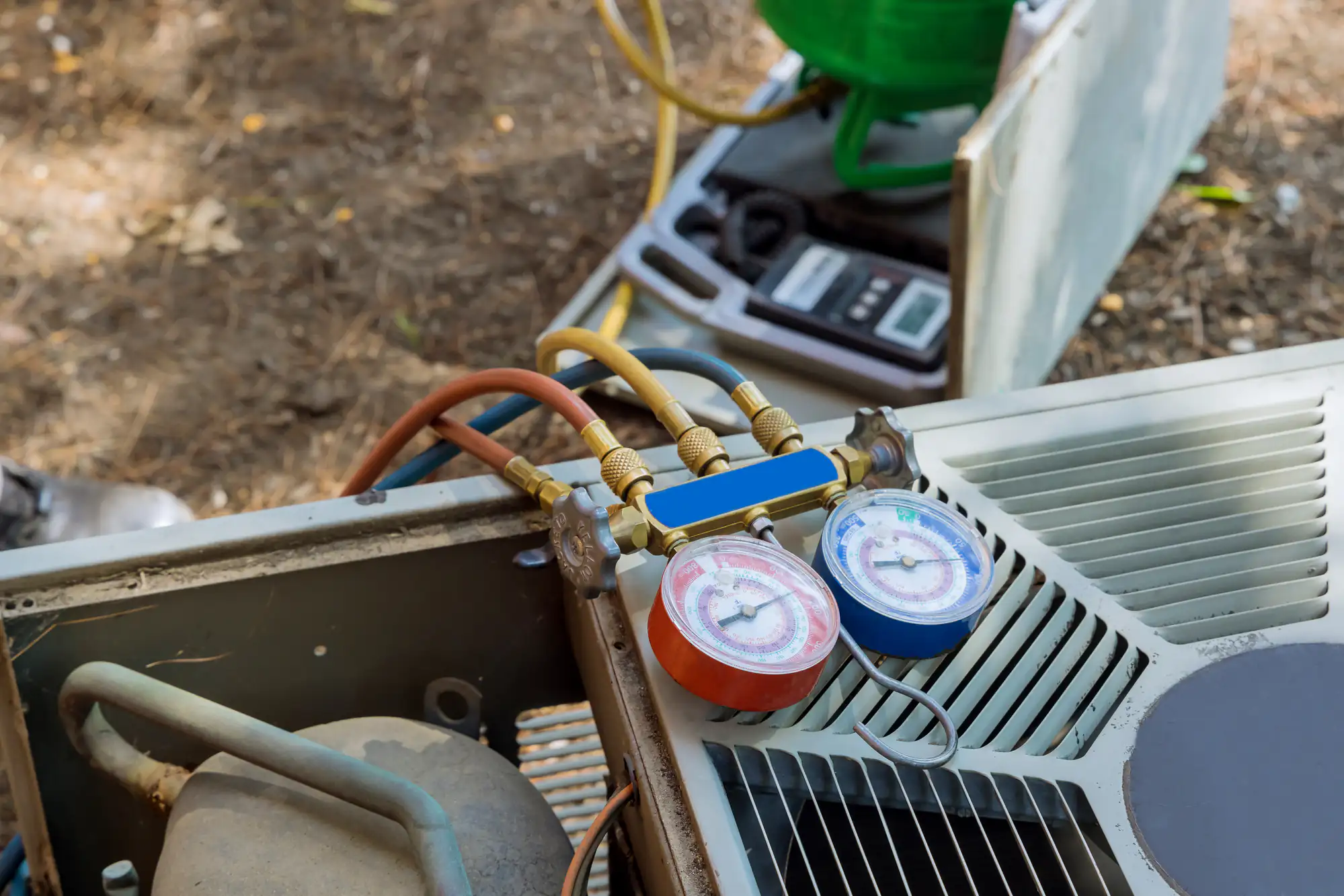
We handle air conditioning repair when your system stops cooling or starts leaking refrigerant. We install and replace furnaces, including high-efficiency models and heat pumps that can cut your energy use by 30 to 50 percent. We service boilers, ductless mini-splits, and hybrid systems.
Heating system maintenance is something most people skip until something breaks. That’s a mistake. Manufacturers recommend service twice a year—once before cooling season, once before heating season. A maintenance visit catches small problems before they become expensive ones, keeps your system running efficiently, and extends the life of your equipment.
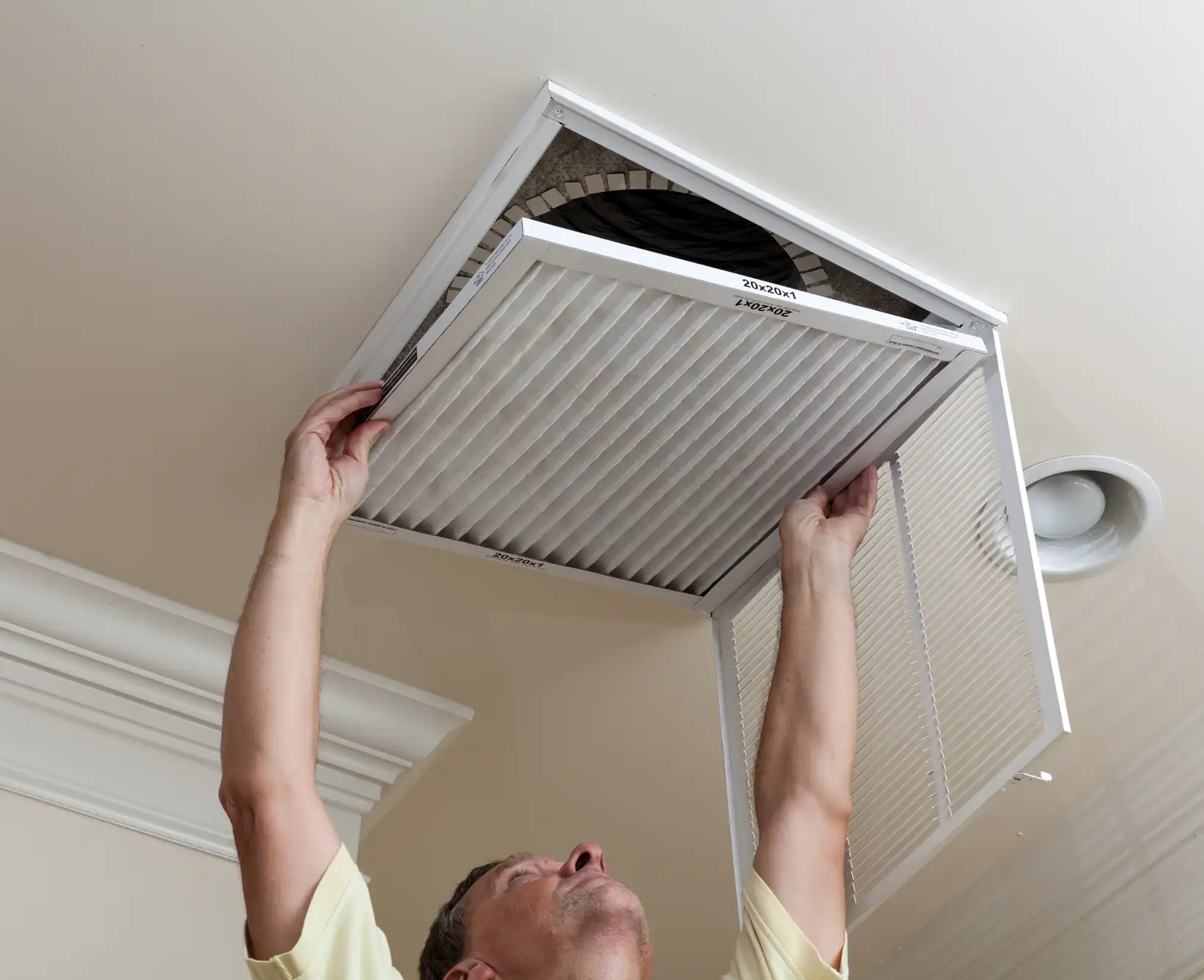
If your indoor air quality is an issue—dust, allergens, humidity, or stale air—we install filtration systems, air purifiers, and ventilation upgrades that actually make a difference. Long Island’s spring and summer humidity can make your home feel uncomfortable even when the temperature is fine. Proper dehumidification and airflow solve that.
We also handle full HVAC replacement when your system is beyond repair or so inefficient that you’re throwing money away every month. New York’s 2026 efficiency standards mean higher SEER ratings and better performance across the board. If you’re replacing equipment this year, you’re also eligible for up to 30 percent in federal tax credits on qualifying heat pumps and high-efficiency systems.
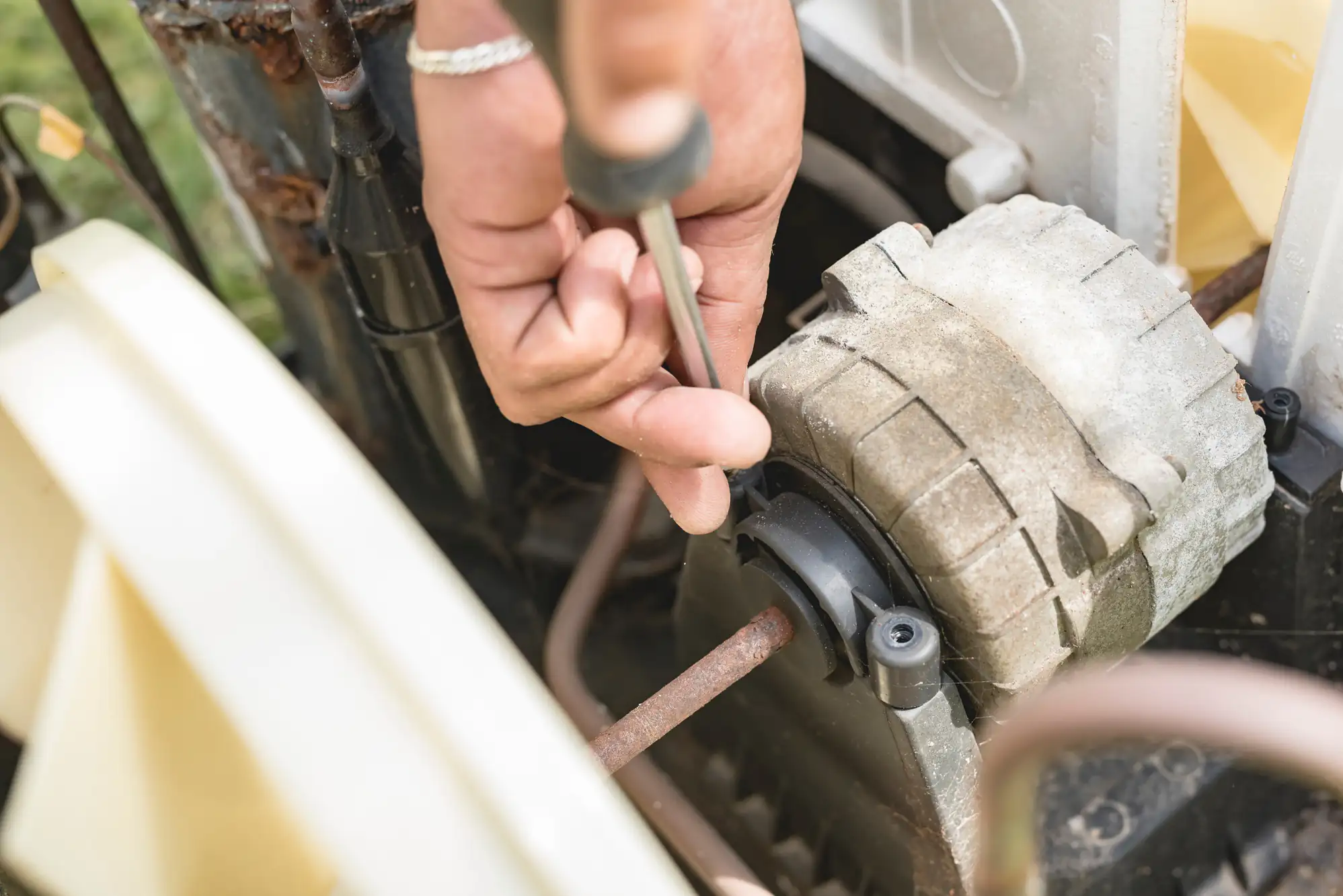
Twice a year is the standard—once in spring before you start running your AC, and once in fall before you need heat. That’s not a sales pitch. It’s what manufacturers recommend to keep your warranty valid and your system running efficiently.
Spring maintenance focuses on your cooling system. We check refrigerant levels, clean coils, test airflow, and make sure everything is ready for summer humidity. Fall maintenance focuses on your furnace or boiler—checking burners, testing safety controls, inspecting heat exchangers, and making sure your system can handle a January cold snap without failing.
Skipping maintenance doesn’t break your system overnight. But it does mean small issues go unnoticed until they become big ones. A dirty coil makes your AC work harder. A clogged filter reduces airflow and efficiency. A failing part that could’ve been replaced for a couple hundred dollars turns into a full system breakdown at the worst possible time. Maintenance catches that stuff early.
It comes down to age, cost, and efficiency. If your system is under 10 years old and the repair is straightforward, fixing it usually makes sense. If it’s over 15 years old, breaking down regularly, or the repair costs more than half the price of a new system, replacement is the smarter move.
Older systems also cost more to run. A 20-year-old AC or furnace uses significantly more energy than a modern high-efficiency model. If your energy bills keep climbing and your usage hasn’t changed, that’s your system telling you it’s working too hard. Replacing it with a newer model can cut your heating and cooling costs by 30 to 50 percent, depending on what you’re replacing and what you install.
There’s also the reliability factor. If you’re calling for repairs every year, you’re paying for service calls, parts, and labor—plus dealing with the hassle of breakdowns. At a certain point, you’re better off investing that money in new equipment that comes with a warranty and won’t leave you without heat or AC when you need it most.
You’ll notice it. Dust that settles fast even after you clean. Allergies or respiratory issues that get worse indoors. Rooms that feel stuffy or stale even with the windows open. Humidity that makes your home feel sticky in summer or dry air that cracks your skin in winter.
Indoor air quality isn’t just about comfort—it’s about health. Your HVAC system circulates air throughout your home, and if that air is full of dust, pollen, mold spores, or other particles, you’re breathing it in constantly. Standard filters catch some of it, but not all. Upgrading to a high-efficiency filter, adding an air purifier, or installing a whole-home ventilation system makes a measurable difference.
Humidity control is the other piece. Long Island’s summer humidity can push indoor levels above 60 percent, which promotes mold growth and makes your AC work harder. A whole-home dehumidifier keeps levels in the 30 to 50 percent range where your home feels comfortable and your system runs efficiently. In winter, a humidifier prevents the dry air that causes static, cracked wood, and respiratory irritation.
Yes, and they’re becoming the standard. Heat pumps have outsold traditional furnaces for four years running, and New York’s 2026 building codes are pushing new construction toward all-electric systems. Modern heat pumps work efficiently even in cold weather, and they handle both heating and cooling in one system.
The technology has improved significantly. Older heat pumps struggled when temperatures dropped below freezing, but today’s cold-climate models perform well into the single digits. For Long Island’s winters, they’re more than capable. You get efficient heating in winter, efficient cooling in summer, and lower energy bills year-round compared to separate furnace and AC systems.
There’s also a financial incentive. Federal tax credits cover up to 30 percent of the cost on qualifying heat pump installations. That’s a significant discount on equipment that’s already more efficient than what most homes are running. If you’re replacing an aging furnace or AC, a heat pump is worth considering—not because it’s trendy, but because it works and saves you money over time.
It depends on what you need. A maintenance visit typically runs $150 to $250. A straightforward repair—replacing a capacitor, fixing a thermostat, clearing a drain line—might be $200 to $500. Bigger repairs like a failed compressor or heat exchanger can run $1,000 to $2,500. Full system replacement ranges from $5,000 to $15,000 depending on the size of your home, the equipment you choose, and whether ductwork needs modification.
Those are ballpark numbers. The only way to get an accurate price is an in-person estimate where a technician evaluates your specific system and home. Anyone quoting you a price over the phone without seeing your setup is guessing, and that guess is rarely accurate once they actually start the work.
We provide free estimates with detailed breakdowns of what you’re paying for. You’ll see the cost of parts, labor, and any additional work that’s needed. If there are options—standard vs high-efficiency equipment, repair vs replace—we explain the difference in cost and what you get for that investment. No surprises, no hidden fees, no pressure to decide on the spot.
Most residential installations take one to three days. A straightforward replacement where we’re swapping out an old furnace and AC with new equipment in the same location usually takes a full day. If we’re installing a heat pump, upgrading ductwork, or making modifications to accommodate new equipment, it might take two or three days.
We don’t rush the work. Proper installation matters more than speed. Your new system needs to be sized correctly for your home, installed according to manufacturer specs, and tested thoroughly before we leave. That includes checking airflow, verifying refrigerant charge, testing all safety controls, and making sure every room in your home is getting proper heating and cooling.
You’ll be without heating or cooling during the installation, so we schedule the work during mild weather when possible. If it’s an emergency replacement in the middle of summer or winter, we work as quickly as we can without cutting corners. Once the system is in and running, we walk you through how to operate it, explain your warranty coverage, and answer any questions before we pack up.