Hear from Our Customers
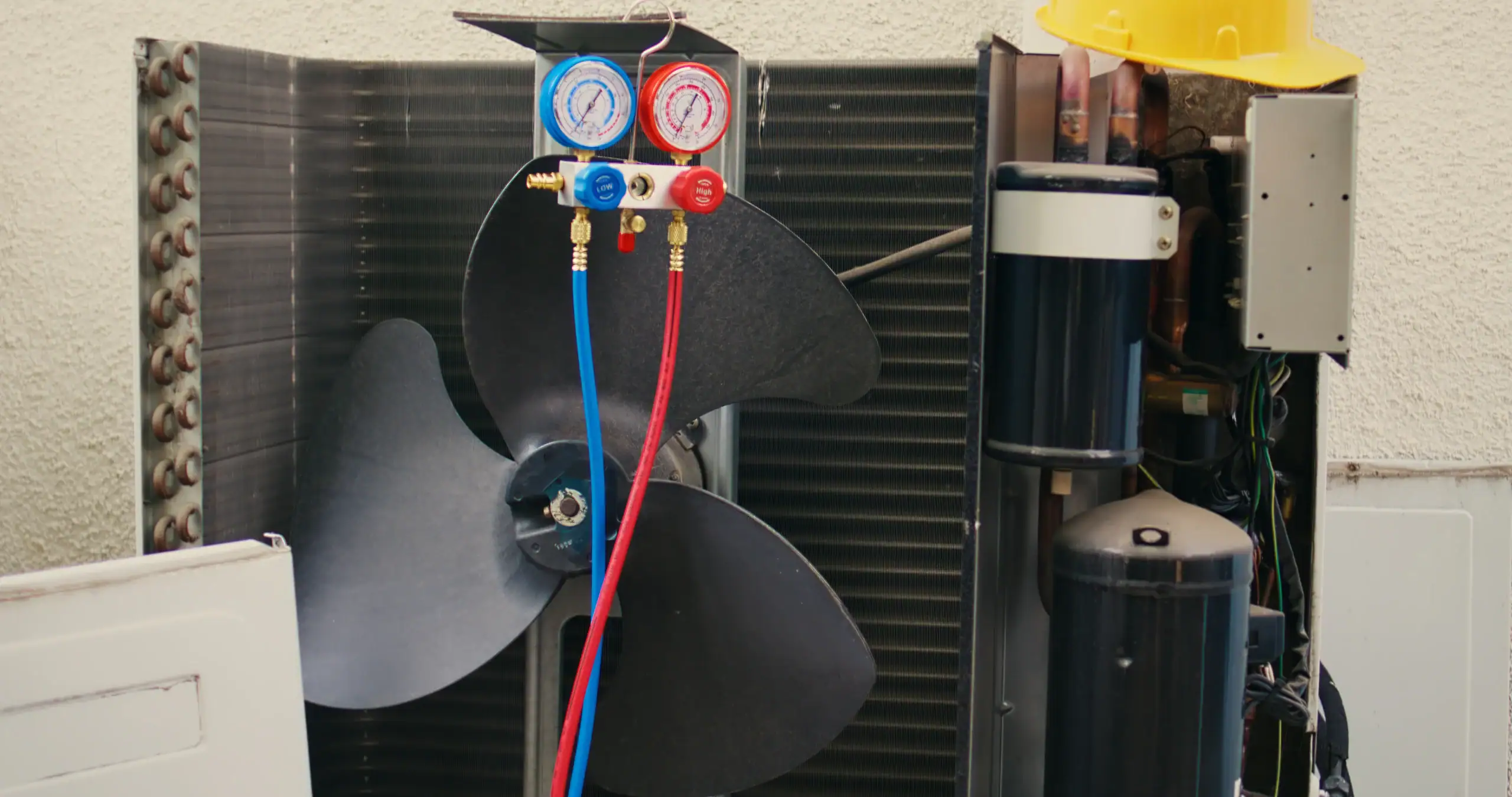
Your provisions stay cold through extended trips without draining your batteries. Your AC keeps the cabin comfortable when you’re docked in July heat. You stop worrying about high-pressure faults ruining weekend plans.
That’s what proper marine refrigeration does. It runs quietly in the background while you focus on why you bought the boat in the first place.
Most marine systems fail because of issues land-based technicians don’t understand—saltwater corrosion, fouled condensers, raw water flow problems. We’ve spent four decades learning how Long Island’s marine environment affects cooling systems. We know what barnacle growth does to your seawater intake. We understand why your compressor cycles differently on a boat than in a building.
When your system works right, you’re not calling around trying to find someone who can actually diagnose marine-specific problems. You’re not waiting ten weeks for a callback. You’re out on the water, where you should be.
We’ve been handling marine refrigeration and boat air conditioning across Long Island for over 40 years. We serve yacht clubs, marinas, and individual boat owners from Montauk to Manhattan—including the North Lynbrook waterfront community.
What sets us apart is dual expertise. We handle both commercial refrigeration and marine HVAC, which means we understand cooling systems in ways single-focus companies don’t. That knowledge matters when you’re dealing with the unique challenges of marine environments—space constraints, power limitations, saltwater exposure.
North Lynbrook boat owners deal with specific conditions. The south shore location means access to Reynolds Channel and nearby marinas, but also exposure to saltwater that accelerates wear on cooling components. You need technicians who understand these factors, not someone learning on the job.
First, you call or reach out for a free estimate. We ask specific questions about your system—make, model, symptoms, when it started acting up. If it’s an emergency, we dispatch immediately. For scheduled service, we coordinate around your availability.
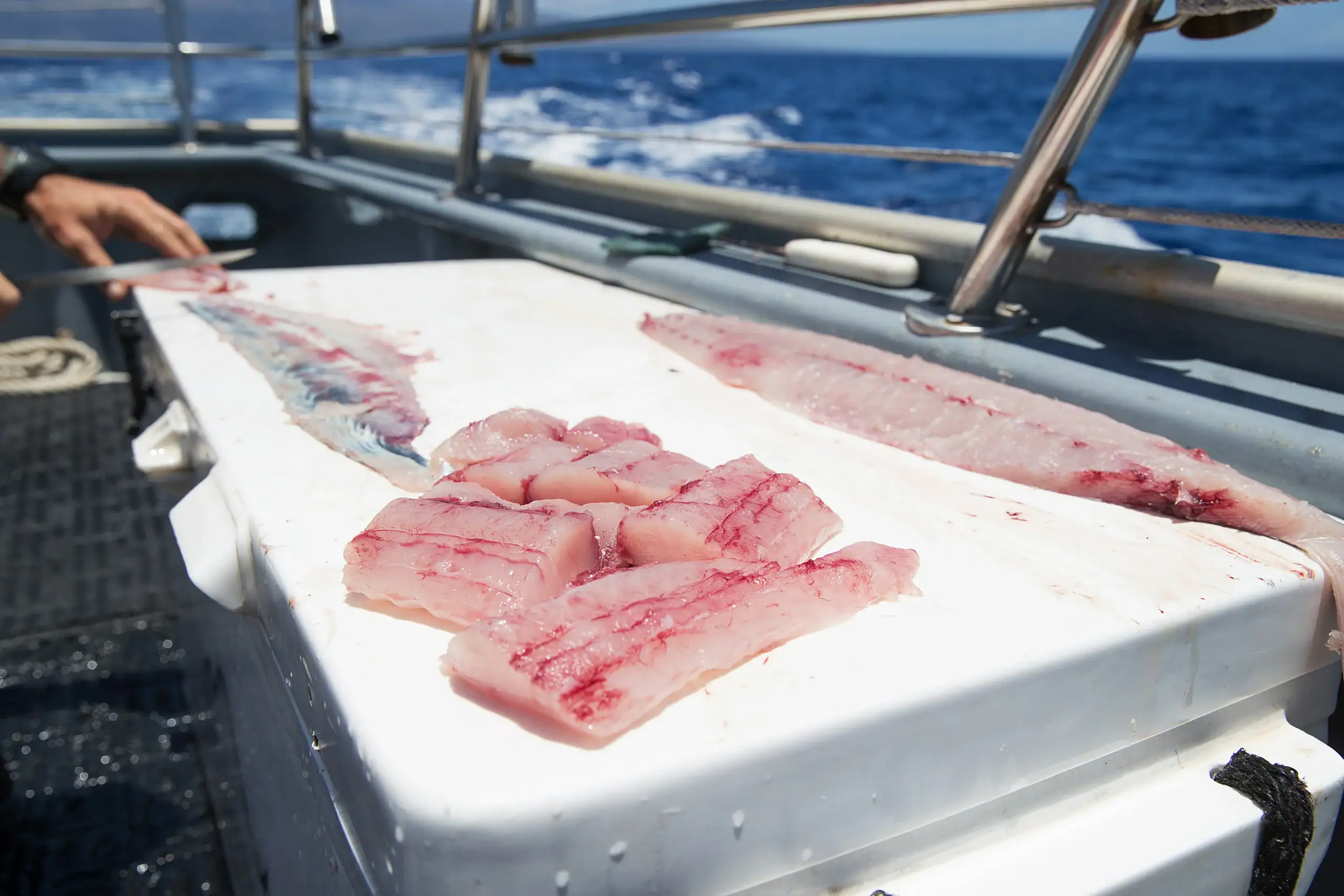
When our technicians arrive, they run diagnostics on your marine refrigeration or AC system. They check seawater flow, inspect raw water strainers, test refrigerant levels, examine condenser coils for marine growth. They’re looking for the root cause, not just symptoms.
You get a clear explanation of what’s wrong and what it takes to fix it. No jargon, no upselling. If your seawater pump failed, we tell you that. If barnacles clogged your condenser, we show you. Pricing is transparent before any work starts.
Repairs happen efficiently because our trucks carry common marine parts—pumps, thermostats, compressors, seals. Most issues get resolved the same day. For specialized parts, we install temporary solutions to keep you running while ordering what you need.
After repairs, we test the system under actual operating conditions. We verify proper cooling, check water discharge, confirm your compressor isn’t cycling incorrectly. You don’t pay until everything works right. Then we explain maintenance steps to prevent future problems.
Ready to get started?
Every service call covers complete system diagnostics. That means checking your raw water intake, examining seawater strainer condition, testing pump operation, inspecting condenser coils for fouling, and measuring refrigerant pressure. Marine systems fail for different reasons than land-based equipment, so diagnostics need to be thorough.
Repairs include parts and labor. If your high-pressure fault stems from a clogged condenser, we acid-flush the coils. If your water pump impeller failed, we replace it with marine-grade components. Refrigerant recharges get done to manufacturer specifications using proper EPA-certified procedures.
North Lynbrook’s location on Long Island’s south shore creates specific challenges. Saltwater exposure accelerates corrosion on cooling components. Marine growth clogs seawater systems faster here than in freshwater environments. Summer heat makes compressors work harder. Our service accounts for these local factors.
Installation work covers new marine AC units, refrigeration system upgrades, and custom cooling solutions. Space planning matters on boats—we know how to maximize cooling capacity within your available footprint. Electrical integration gets handled properly for marine environments, where power management is critical.
Preventive maintenance extends your system’s life from the typical 5-7 years to 15-20 years. Regular service includes cleaning evaporator coils, flushing condensate lines, checking electrical connections, testing safety switches, and monitoring refrigerant levels. It’s cheaper than emergency repairs and keeps you on the water instead of waiting for parts.
Emergency service runs 24/7 because marine refrigeration doesn’t fail on a schedule. When you call our emergency line, you reach an actual technician who can walk you through immediate steps while they’re driving to your location. Response time matters when you’ve got provisions spoiling or need AC during a heat wave.
Most marine refrigeration repairs get completed the same day, usually within 2-4 hours depending on the issue. Simple problems like clogged raw water strainers or failed pumps often take under an hour once diagnosed. More complex issues—refrigerant leaks, compressor replacement, condenser coil flushing—might need 3-4 hours.
Our service trucks carry common marine parts specifically for Long Island boat systems. That inventory includes seawater pumps, impellers, thermostats, door seals, and basic compressor components. About 70% of calls get fixed on the spot without ordering parts.
For specialized components—specific compressor models, custom fittings, manufacturer-specific controls—you might wait 2-5 days for parts to arrive. In those cases, we install temporary solutions to keep your system running. If your boat refrigeration can limp along at reduced capacity, we’ll set that up so you’re not completely down while waiting.
Emergency calls get prioritized differently. If your system failed Saturday morning and you’ve got a weekend trip planned, response happens within hours. The goal is getting you functional fast, even if permanent repairs happen later.
High pressure faults happen when your marine AC system overheats because it can’t dump heat effectively. The most common cause is reduced seawater flow to the condenser. Your system pulls water through a raw water intake, runs it through the condenser coil to remove heat, then discharges it overboard. When that flow gets restricted, pressure builds up and triggers the safety shutdown.
Restrictions come from several sources. Barnacles, grass, and other marine growth clog the intake or grow inside the hoses leading to your AC unit. Raw water strainers get packed with debris. Seawater pump impellers wear out or break. Condenser coils themselves get fouled with scale and marine buildup.
Long Island’s waters make this worse. The combination of saltwater, warm summer temperatures, and abundant marine life means fouling happens faster here than in many other locations. If you keep your boat in North Lynbrook or nearby marinas, you’re dealing with conditions that accelerate these problems.
Failed seawater pumps cause high pressure faults too. The pump might run but not move enough water. Or it stops completely and your system has no cooling water at all. Less commonly, refrigerant overcharge or a bad high-pressure switch triggers false faults, but water flow issues account for most cases.
Prevention means regular maintenance—cleaning strainers, flushing condenser coils every 2-5 years depending on use, replacing pump impellers before they fail. Most high pressure faults are avoidable with proper service.
Service call fees typically run $150-250 for diagnostics, which gets applied to repair costs if you proceed with the work. Basic repairs—replacing a raw water strainer, fixing a pump, cleaning coils—usually cost $300-600 including parts and labor. Mid-range repairs like thermostat replacement, door seal work, or minor refrigerant service run $600-1,200.
Major repairs cost more. Compressor replacement ranges from $1,200-2,500 depending on your system size and type. Complete condenser coil replacement or acid flushing for severely fouled systems runs $800-1,500. Full refrigerant recovery and recharge with leak repair can hit $1,000-1,800.
New marine AC installation varies widely based on boat size and system type. Self-contained units for smaller boats start around $3,000-5,000 installed. Larger split systems or multiple-zone setups run $5,000-12,000 or more. Custom refrigeration installations depend entirely on your requirements—simple upgrades might cost $2,000-4,000, while complex custom systems can exceed $10,000.
Emergency service outside normal hours typically adds $150-300 to the base cost. But that premium often makes sense when you’re facing spoiled provisions or an uncomfortable boat during peak season.
We provide free estimates, so you know costs upfront before committing to repairs. No surprise bills, no hidden fees. You get transparent pricing based on your specific situation and system.
Regular HVAC technicians can handle some aspects of boat refrigeration, but they typically lack the marine-specific knowledge that prevents problems. Marine systems are fundamentally more complex than land-based equipment because of space constraints, power limitations, saltwater corrosion, and raw water cooling requirements.
The biggest difference is the cooling method. Marine AC and refrigeration use seawater pulled from outside the boat to remove heat, then discharge that water overboard. Land-based systems use air-cooled condensers. That means marine technicians need to understand raw water pumps, through-hull fittings, seawater strainers, marine growth patterns, and how saltwater affects metal components. Standard HVAC training doesn’t cover these systems.
Marine refrigeration also deals with constant motion, vibration, and humidity that land-based systems never experience. Installation requires different mounting techniques, vibration dampening, and marine-grade electrical connections. Power management is critical—boats have limited electrical capacity, so system sizing and efficiency matter more than in buildings with unlimited shore power.
Refrigerant work requires the same EPA certification regardless of application. But diagnosing why your boat’s AC keeps throwing high pressure faults requires knowing that barnacles probably clogged your condenser, not that you have a refrigerant problem. A land-based tech might spend hours troubleshooting the wrong issue.
For basic maintenance—cleaning filters, checking obvious leaks—general HVAC knowledge helps. For actual repairs, installations, or troubleshooting, you need someone with marine-specific experience. Otherwise you risk incorrect diagnoses, improper repairs, and potentially dangerous installations.
Marine refrigeration systems need professional service at least twice per year if you use your boat regularly during the season. Ideally, schedule one service in early spring before launching and another in mid-season around July. If you keep your boat in the water year-round or use it heavily, quarterly service makes more sense.
Spring service prepares your system for peak season. We clean condenser coils, flush raw water systems, replace strainers, check refrigerant levels, test all electrical connections, and verify proper operation before you need it. This catches problems while you still have time to order parts without missing trips.
Mid-season service addresses issues that develop during heavy use. Marine growth accumulates faster in summer. Condenser coils get fouled. Seals wear from constant cycling. A July checkup prevents August breakdowns when every marine technician is booked solid.
Between professional services, you should clean raw water strainers monthly during active use—more often if you notice reduced water flow. Check that water is discharging properly from your AC unit. Listen for unusual noises. Monitor whether your system is cycling normally or running constantly.
Long Island’s marine environment accelerates wear compared to freshwater locations. Saltwater is corrosive. Summer heat makes compressors work harder. Abundant marine life means faster fouling. North Lynbrook boats face these conditions, which is why the twice-yearly minimum matters here.
Systems that get proper maintenance last 15-20 years. Neglected systems fail in 5-7 years and cost more in emergency repairs than maintenance would have cost. The math strongly favors regular service.
Marine AC and boat refrigeration are separate systems that use similar technology but serve different purposes. Marine air conditioning cools the cabin air to keep your living spaces comfortable. Boat refrigeration keeps your provisions cold—it’s essentially a fridge and freezer for storing food and drinks.
Both systems use refrigerant to move heat, but they work differently. Marine AC pulls heat from cabin air and dumps it into seawater through a condenser coil. It’s a continuous process while the unit runs. Boat refrigeration pulls heat from the fridge box and also dumps it via seawater or air-cooled condensers, but it cycles on and off to maintain set temperatures.
The components overlap but aren’t identical. Both need compressors, condensers, evaporators, and refrigerant lines. Marine AC includes blowers, ductwork, and cabin air handlers. Boat refrigeration has insulated boxes, eutectic plates on some systems, and different temperature controls.
Repair approaches differ too. Marine AC problems often involve water flow issues, duct leaks, or blower failures. Boat refrigeration commonly has insulation problems, door seal failures, or thermostat issues. The diagnostic process requires understanding which system you’re dealing with.
Many marine technicians specialize in one or the other. We handle both, which matters when you need comprehensive service. If your AC works but your refrigeration doesn’t, you want someone who can fix both without calling a second company.
For North Lynbrook boat owners, having one provider for all cooling systems simplifies maintenance scheduling and ensures consistent service quality across your vessel.