Hear from Our Customers
Your energy bill stops climbing every month. That’s the first thing most homeowners notice when their heating and cooling system is running efficiently instead of struggling.
Rooms stay the temperature you set them. No more cold spots in winter or that one bedroom that’s always ten degrees warmer in July. Your air conditioner doesn’t run constantly trying to catch up, and your furnace doesn’t cycle on and off every five minutes.
You stop worrying about breakdowns during the worst possible weather. Long Island summers hit hard, and when your AC goes out on a 90-degree Saturday, every hour matters. Same goes for January when your heating system decides it’s done. A properly maintained HVAC system with a reliable contractor on call means you’re not scrambling through Google at 11 PM looking for someone who’ll actually show up.
Your system lasts longer because it’s not working twice as hard to do half the job. Most residential HVAC systems should give you 15-20 years, but that only happens if they’re installed correctly and maintained regularly. When your equipment runs efficiently, you’re not replacing it every seven years because it burned itself out.
We’ve spent over 40 years handling complex refrigeration and HVAC systems across Nassau County. We’ve worked on everything from commercial walk-in coolers to marine air conditioning systems, which means your residential heating and cooling system isn’t going to stump us.
North Lynbrook homeowners deal with specific challenges. The coastal humidity makes your air conditioner work harder. Salt air corrodes components faster than it would twenty miles inland. Your system needs to handle temperature swings from July heat waves to January freezes, and it needs to do it efficiently or your utility bills go through the roof.
Our technicians are licensed, insured, and they work directly for us—not subcontractors who show up in unmarked vans. When you call, you get someone who answers. When we schedule a repair, we show up. And when we say we’ll fix it right, that’s what happens.
You call or contact us, and a real person responds. Not a voicemail system. Not an automated scheduler. If it’s an emergency, we dispatch immediately and get someone to your home in under two hours across Long Island.
The technician shows up with a fully stocked truck. We carry parts for all major brands, which is why about 70% of our emergency calls get fixed the same day. No waiting three days for an order to come in while you’re sweating through another night or piling on blankets.
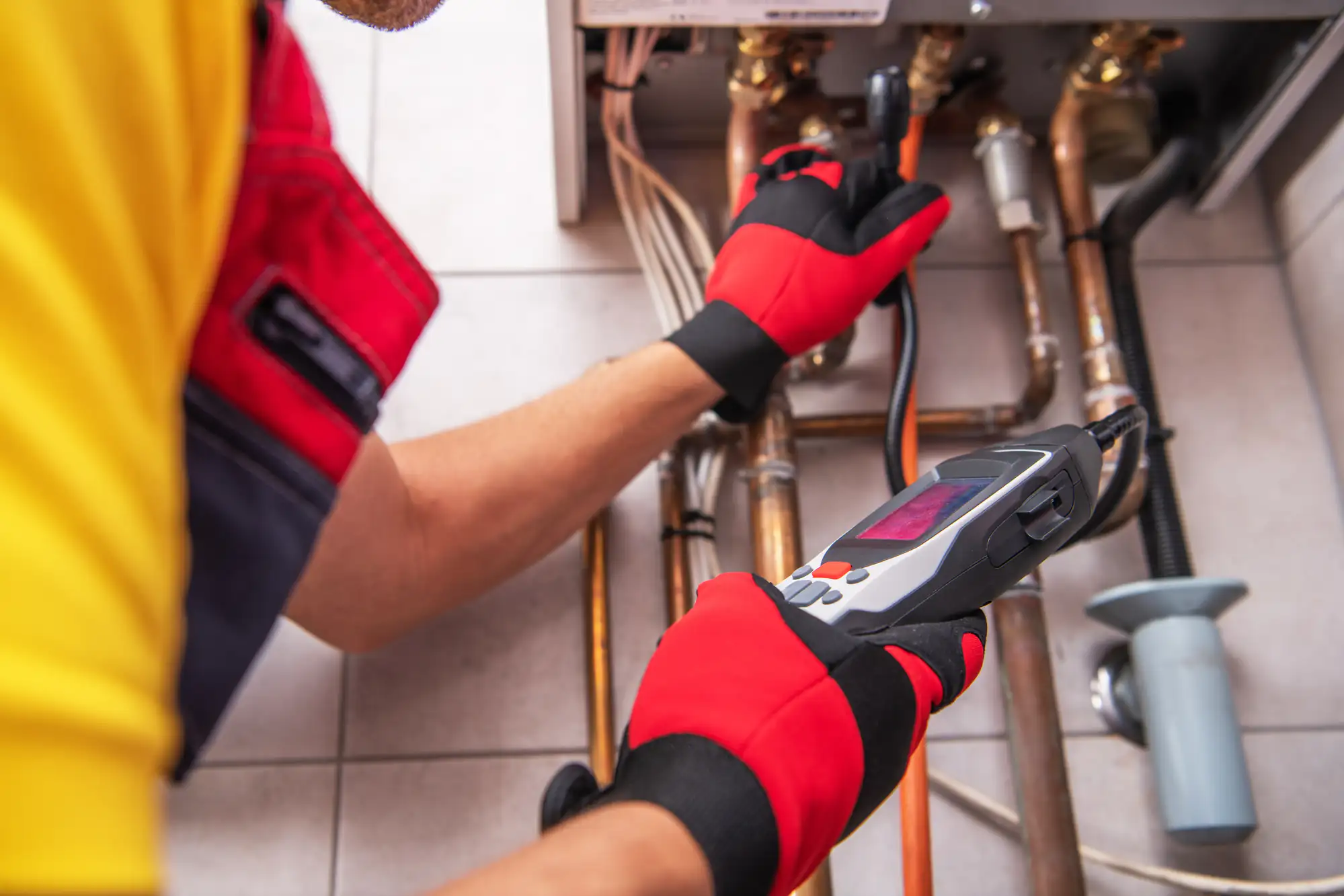
We diagnose the actual problem, not just the symptom. Your AC isn’t cooling? Could be refrigerant, could be a clogged filter, could be a failing compressor, could be ductwork issues. We figure out what’s really wrong, explain it in plain terms, and give you a straight price before we do the work.
If it’s a repair, we fix it and test the system to make sure it’s running right. If you need a replacement, we walk through your options based on your home’s size, your budget, and what’ll actually save you money long-term. Then we install it correctly—proper sizing, proper ductwork, proper setup—so it runs efficiently from day one.
After the job, you get a clear invoice and information about maintenance that’ll keep your system running. No surprise charges. No upsells for things you don’t need.
Ready to get started?
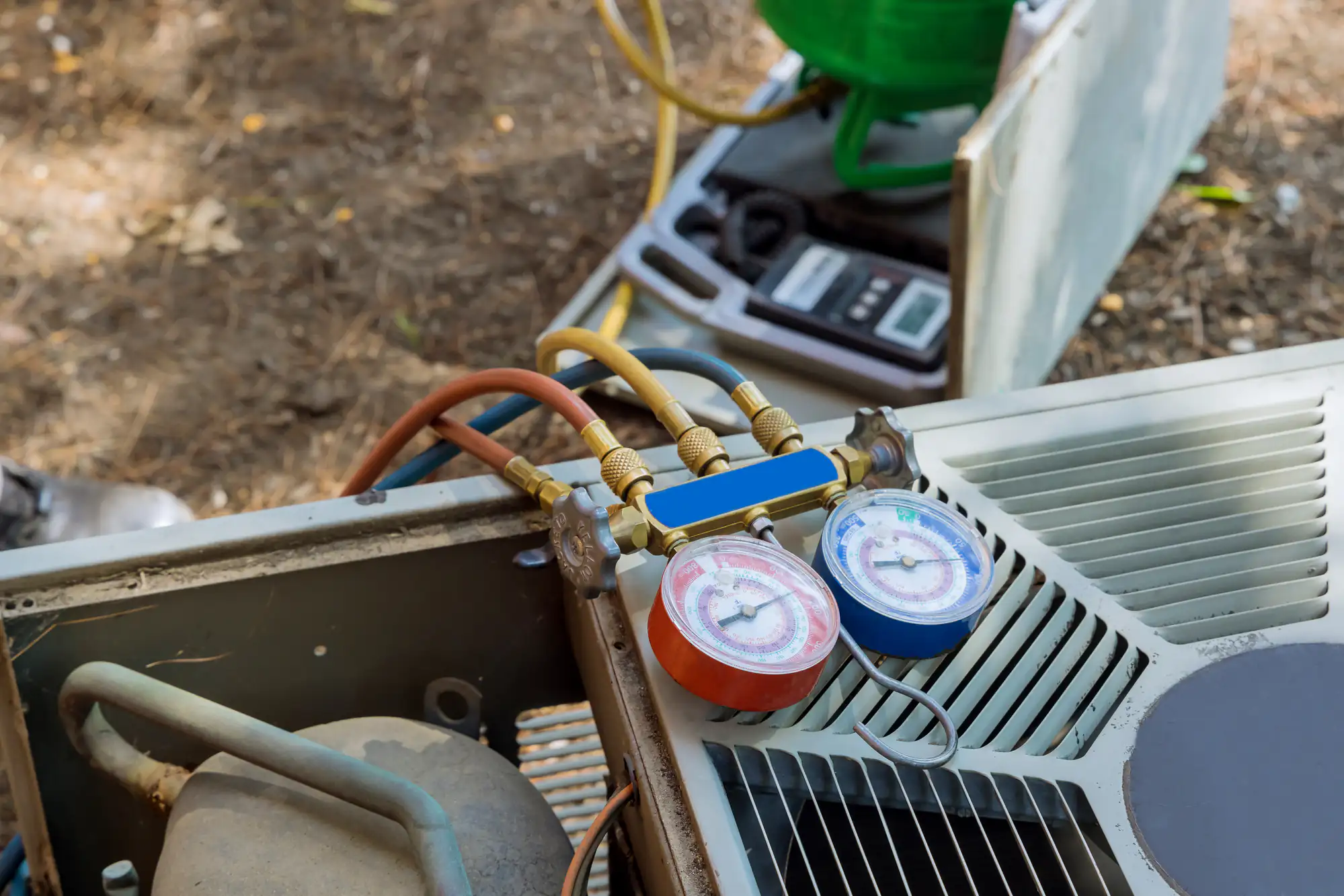
Air conditioning repair and installation covers everything from central AC systems to ductless mini-splits. North Lynbrook’s humidity means your AC works overtime in summer, and when it fails, you need someone who can fix it fast. We handle refrigerant issues, compressor replacements, thermostat problems, and full system installations when repair doesn’t make sense anymore.
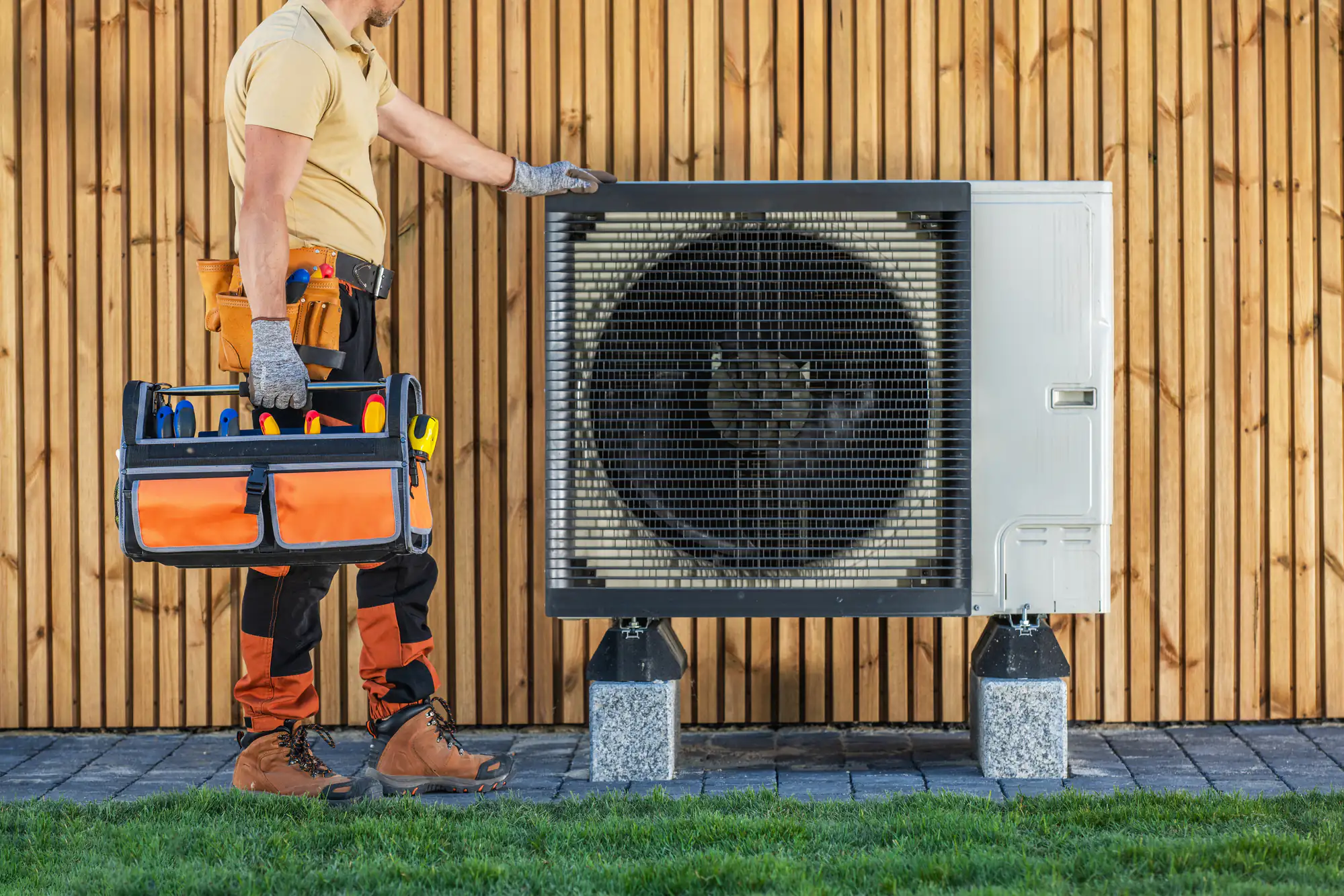
Furnace installation and heating system maintenance keeps you warm when Long Island winter hits. Whether you’re running a gas furnace, electric heat, or you’re considering a heat pump, we install it right and keep it maintained. Heat pumps are outselling gas furnaces now because they’re more efficient, and if you’re replacing an old system, federal tax credits can get you up to $2,000 back.
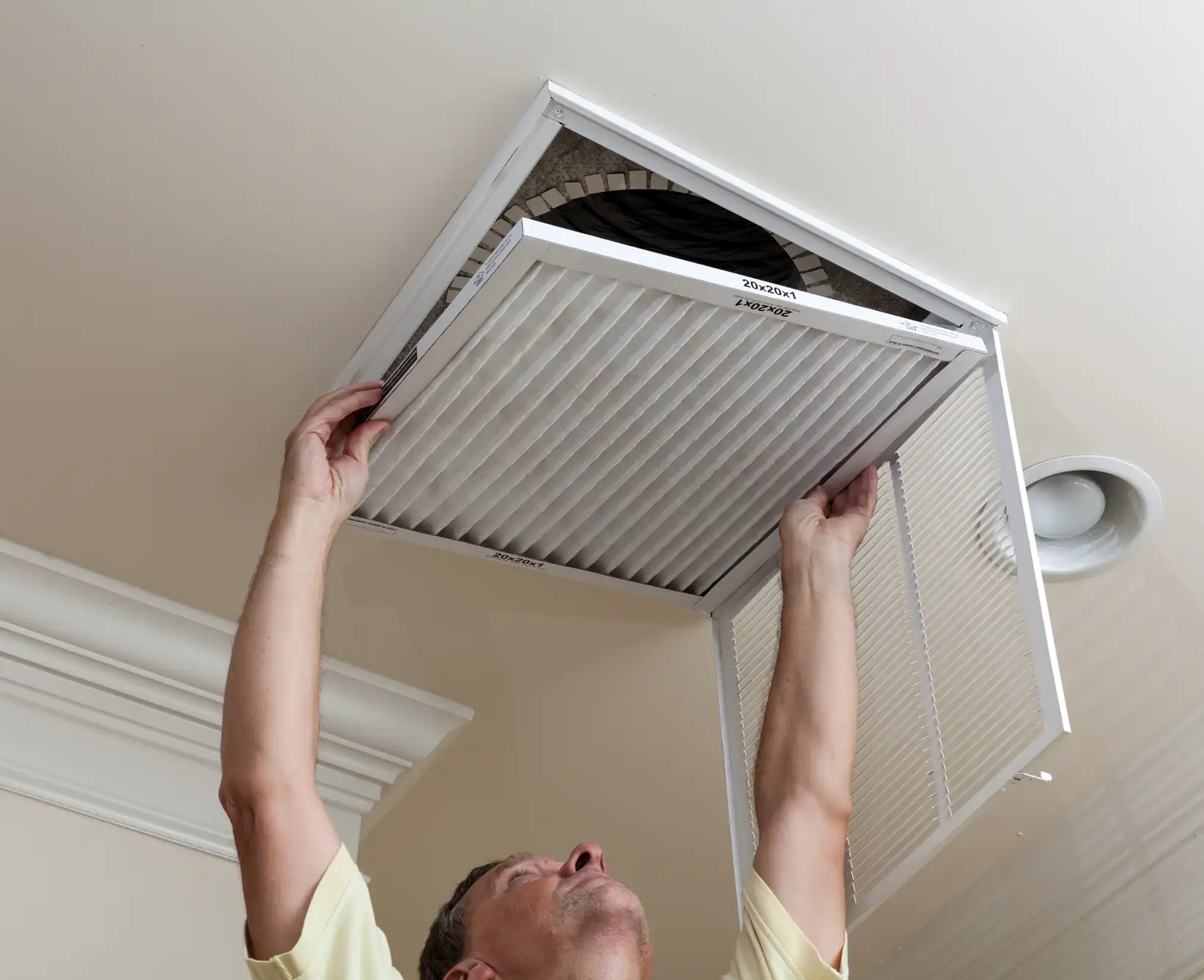
Indoor air quality matters more than most homeowners realize. Your HVAC system circulates air through your entire home, and if your filters are clogged with salt, pollen, and coastal moisture, you’re breathing it and your system is working harder. We assess your air quality, recommend filtration upgrades if needed, and make sure your ductwork isn’t spreading dust and allergens through every room.
HVAC replacement becomes necessary when your system is over 15 years old, needs frequent repairs, or your energy bills keep climbing. We’ll tell you honestly whether repair or replacement makes more financial sense. A new, efficient system costs money upfront, but it can cut your cooling and heating costs by 30-45% depending on what you’re replacing.
Twice a year—once before cooling season and once before heating season. That’s spring and fall.
North Lynbrook’s coastal location means your system faces more than typical wear. Salt air corrodes components. Humidity makes your AC work harder. Pollen and moisture clog filters faster than they would inland. A spring checkup catches problems before your air conditioner fails during the first heat wave, and a fall inspection makes sure your furnace or heat pump is ready before January.
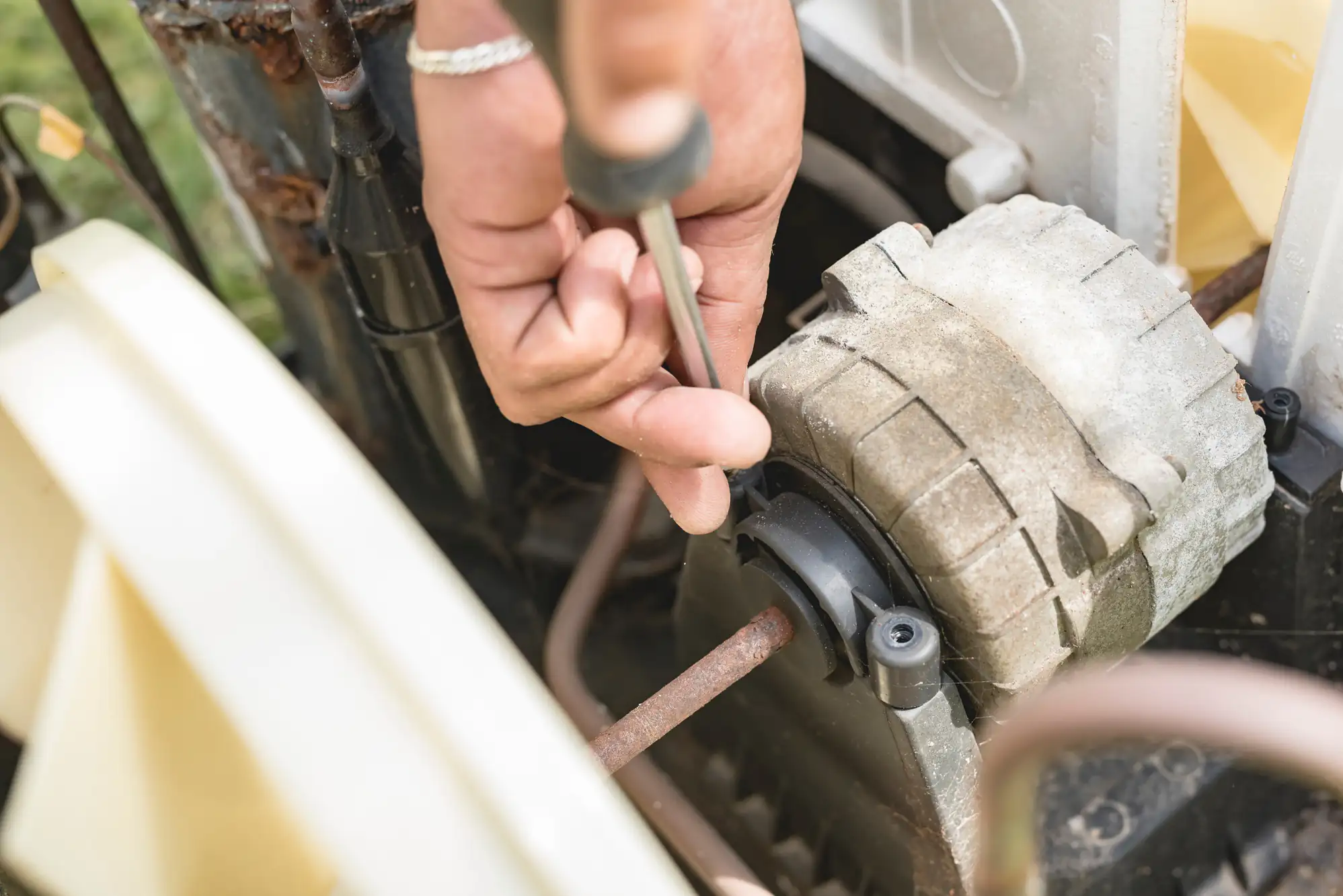
During maintenance, we clean components, check refrigerant levels, test electrical connections, inspect ductwork, and replace filters. Most breakdowns happen because something small was ignored until it became something expensive. Regular maintenance catches those small things. It also keeps your system running efficiently, which directly affects your energy bill. A well-maintained HVAC system uses 15-20% less energy than one that’s neglected.
If your system is under ten years old and the repair costs less than half of a replacement, repair usually makes sense. If it’s over fifteen years old and needs a major repair, replacement is typically the better financial move.
Here’s the math. A significant repair—compressor, heat exchanger, full refrigerant recharge—can run $1,500-$3,000. A new residential HVAC system installed properly costs $5,000-$12,000 depending on size and efficiency. If your twelve-year-old system needs a $2,500 repair, you’re putting serious money into equipment that’s already past midlife and will likely need another expensive repair within two years.
A new system also runs more efficiently. If your current system is from 2010 or earlier, a modern high-efficiency unit can cut your heating and cooling costs by 30-40%. Over ten years, that savings adds up. Plus, federal tax credits currently cover up to $2,000 for qualifying heat pumps, which reduces your upfront cost. We’ll give you honest numbers for both options so you can make the call that makes sense for your situation and budget.
Your system is working harder to deliver the same result. That’s almost always the reason.
Clogged filters are the most common culprit. When airflow is restricted, your HVAC system runs longer cycles to reach the temperature you set. In North Lynbrook, coastal moisture and pollen clog filters faster than average, and most homeowners don’t check them often enough. A dirty filter can increase energy use by 15%.
Refrigerant leaks make your air conditioner run constantly without actually cooling effectively. Low refrigerant means low cooling capacity, so the system never shuts off. Ductwork leaks let conditioned air escape into your attic or crawl space instead of into your rooms, which means you’re heating or cooling spaces you don’t use while the spaces you do use stay uncomfortable.
Aging components lose efficiency. A fifteen-year-old compressor doesn’t perform like it did when it was new. Motors wear out. Electrical connections corrode. Your system still runs, but it’s using more electricity to do less work. If your bill has climbed steadily over the past two years without a rate increase from the utility company, it’s time for a professional inspection to find out what’s draining efficiency.
Under two hours for genuine emergencies anywhere in Nassau County. Same day for urgent but non-emergency calls.
When your air conditioner dies during a July heat wave or your heat goes out in January, waiting until Monday morning isn’t an option. We dispatch immediately for emergency calls, and our technicians carry extensive inventory for all major brands. That’s why we fix about 70% of emergency calls the same day without waiting for parts orders.
A genuine emergency means no cooling during dangerous heat, no heat when temperatures are below freezing, or a system that’s creating a safety hazard. We treat those as priority calls. Urgent issues—your AC is struggling but still running, your heat works but not efficiently—get same-day or next-day scheduling depending on when you call.
You’ll talk to a real person when you call, not a voicemail system. We’ll ask a few questions to understand what’s happening, give you a realistic timeframe, and keep you updated if anything changes. Our goal is to get your system working again as fast as possible, because we know how miserable it is to sit in a house that’s 85 degrees or 50 degrees while you wait for help.
Probably, especially if your current system is over fifteen years old. Heat pumps have become more efficient and more affordable, and they handle both heating and cooling.
Heat pumps work well in Long Island’s climate. They’re not just for mild winters anymore—modern cold-climate heat pumps operate efficiently even when temperatures drop into the teens. They use electricity to move heat rather than generate it, which makes them up to 75% more efficient than older furnaces for heating. In summer, they work exactly like an air conditioner.
The upfront cost is higher than a basic furnace, but federal tax credits currently cover up to $2,000 for qualifying heat pumps through 2025. That closes the price gap significantly. Your operating costs drop because heat pumps use less energy for both heating and cooling, which means lower utility bills year-round. Over the system’s lifespan, most homeowners save money even after the higher initial investment.
If you’re replacing both an old furnace and an old central AC, a heat pump makes even more sense because it’s one system doing both jobs. We’ll calculate the actual costs and savings based on your home’s size, your current energy use, and how long you plan to stay in the house. Then you can decide what makes the most financial sense for your situation.
Licensed and insured is non-negotiable. Beyond that, look for someone who’s been in business locally for years, carries parts inventory, and doesn’t subcontract the actual work.
A contractor who’s been serving Nassau County for decades understands Long Island’s specific challenges—coastal humidity, salt air corrosion, temperature extremes. We know which systems hold up best in this environment and which ones cause problems. We also have relationships with suppliers, which means faster parts access when you need a repair.
Parts inventory matters more than most people realize. If a contractor has to order every part for every job, you’re waiting days for repairs that should happen the same day. We stock parts for major brands, which is why about 70% of our emergency calls get fixed on the first visit.
Direct employees versus subcontractors affects quality and accountability. When a company uses subcontractors, you don’t know who’s showing up or what their training level is. Our technicians work directly for us, which means consistent training, consistent standards, and someone to hold accountable if the work isn’t right. Check reviews, but look for specific details—did they show up on time, did they fix it right the first time, did the price match the quote. Those details tell you more than a five-star rating alone.